Start with the bargain-bin reality
The Bargain Big Food Bag is a blue food bag sold at a discount, but it comes with a policy you need to read first. Before you plan a single meal around it, read the Bargain Item Policy and check the original listing. That step tells you what you are actually buying and what to expect from a bargain item.
Once you have done that, you can treat it like any other food bag: pack it sensibly, hang it properly, and keep your food safe. The steps below walk through that process.
What the listing confirms
-
Bargain Big Food Bag - Blue: Bargain Big Food Bag - Blue is listed at USD 21.70, with a catalog comparison price of USD 35.00. The lower price is the main reason to consider this bag, but it also signals that you should verify the item's condition and policy before relying on it.
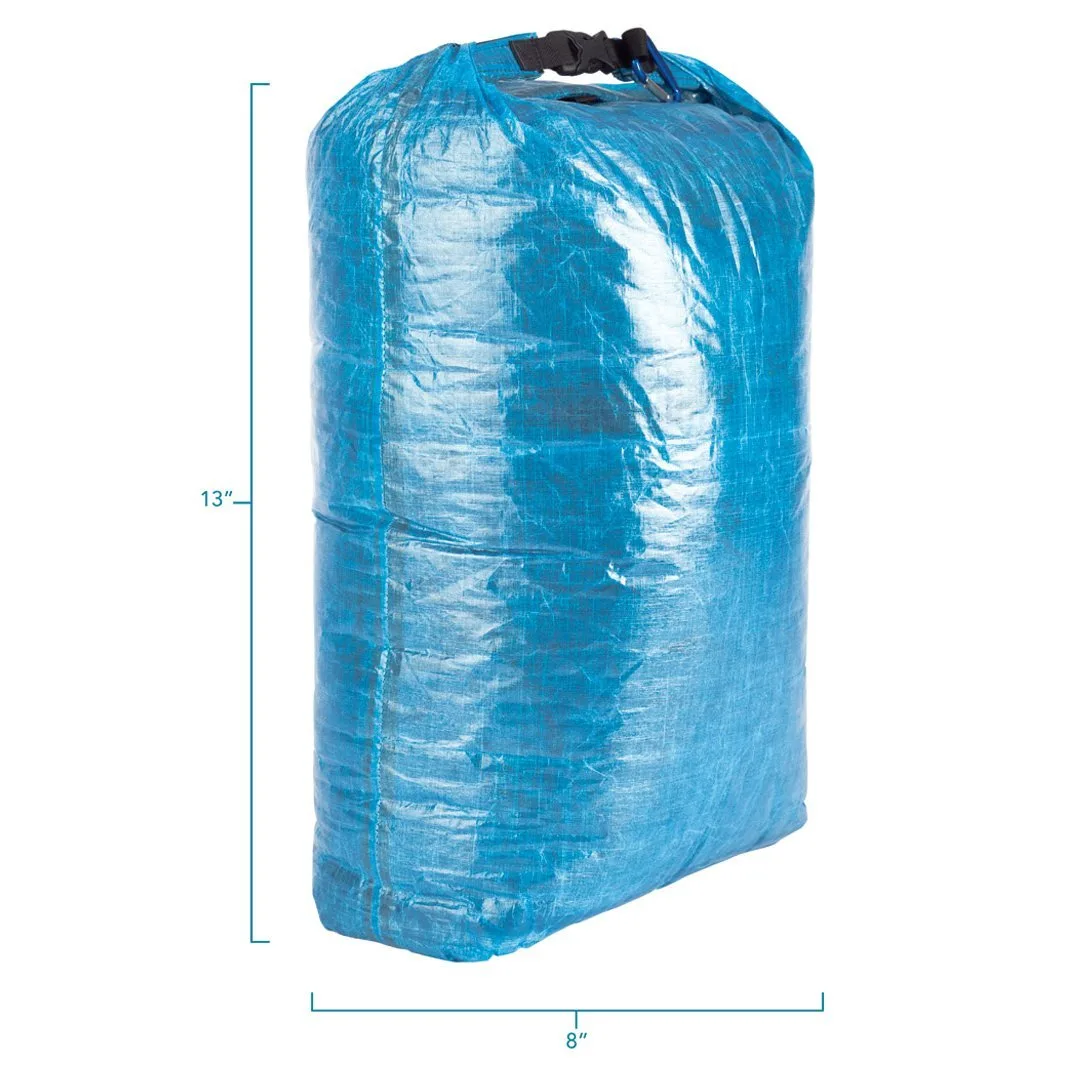
Bargain Big Food Bag - Blue
-
Bargain Big Food Bag - Blue: The product page directs buyers to read the Bargain Item Policy and to click through to the original listing. Those two links are your best source for details on condition, contents, and what is covered—information this summary does not include.
Pack your food supply for the trail
Packing a food bag well is about protecting the contents and making camp routines easier. Use these steps as a starting point.
- Check the bag before you pack it: Inspect the bag for any issues noted in the original listing or the Bargain Item Policy. If anything is unclear, resolve it before you head out.
- Group your food by day or meal: Sort items into smaller bundles so you can find what you need without emptying the whole bag. This also helps you keep track of what you have left.
- Protect crushable items: Put fragile food—like bars or crackers—in a rigid container or near the top of the bag so it does not get crushed by heavier items.
- Keep smells contained: Use a separate odor-proof bag or container for strong-smelling food if you have one. This is not a guarantee against animals, but it can reduce attraction.
- Close and compress the bag: Seal the bag fully and compress it to save space in your pack. A tight pack also makes hanging easier.
Hang your food bag safely
A bear hang is a common way to keep food away from animals, but it requires the right technique and a suitable tree. The Bargain Big Food Bag can be used for hanging, but the supplied information does not include specific hanging instructions or load limits. Follow established local guidelines and practice your hang before your trip.
Choose a sturdy branch that can support the weight of your bag, and hang it at least the recommended height for your area. Check with local land managers for any required food storage methods—some areas require bear canisters instead of hangs.
Bargain-bin checks before you commit
A discounted food bag can be a great deal, but only if you know what you are getting. Run through these checks before you buy.
- Read the Bargain Item Policy: The policy explains the terms for bargain items, including any limitations on returns or condition. Make sure you are comfortable with those terms.
- Open the original listing: The original listing may have more details about the bag's specifications, materials, and condition. Use it to confirm the bag meets your needs.
- Confirm the size suits your trip: The supplied information does not include capacity, so check the original listing or measure the bag yourself if capacity is critical for your food plan.
- Inspect on arrival: When the bag arrives, check it thoroughly before you rely on it for a trip. Look for any damage or issues that were not clear from the listing.
When this bag is the right choice
The Bargain Big Food Bag makes sense if you want a low-cost food bag for backpacking and you are willing to do the extra checking that bargain items require. It is not the right choice if you need guaranteed specifications or a bag with a documented history. In that case, look for a standard listing with full details.
For thru-hikers, a food bag is a critical piece of gear, so weigh the savings against the risk of an item that may have unknown limitations. If you are comfortable with the bargain-bin terms and have inspected the bag, it can serve as a functional part of your backpacking food storage system.