Quick Answer
Barking and growling are distinct vocal signals: barking often means excitement, alert, or frustration, while growling usually signals fear, discomfort, or a warning. Read the context and body language to respond appropriately.
Why Context Matters
The same sound can mean different things depending on the situation. A bark during play sounds different from a bark at the doorbell. A growl during tug-of-war may be playful, but a growl when you approach the food bowl is a clear warning. Always look at the whole picture: ears, tail, posture, and what's happening around you.
Punishment can backfire. If you scold a growl, your dog may learn to skip the warning and go straight to a bite. Respect the growl as valuable information, even if you don't like it.
Barking vs. Growling: The Core Differences
Barking is often an attention-getter. It can mean 'hello,' 'play with me,' 'I'm bored,' or 'something's new.' Growling is usually a distance-increasing signal: it says 'back off' or 'I'm uncomfortable.'
Growling is more serious because it often precedes a bite. Never punish a growl; instead, remove the trigger or change the situation.
How to Respond: Trade-offs and Decisions
- Barking at the doorbell: This is alert barking. Trade-off: acknowledging it may reinforce it, but ignoring it may make your dog escalate. Better: teach a 'quiet' cue and reward calm behavior. Practice the 'quiet' cue in low-distraction settings first.
- Growling when you approach food or toys: This is resource guarding. Trade-off: punishing the growl may suppress the warning and lead to a bite, but doing nothing may escalate. Better: manage the environment and seek professional help. Never punish a growl; consult a certified trainer.
- Playful growling during tug: This is usually harmless. Trade-off: stopping play may confuse your dog, but allowing it may encourage rough play. Better: watch for stiff body language; if relaxed, continue play. If the body stiffens or the growl deepens, end the game calmly.
Resources to Help You Understand Your Dog
-
Feisty Fido: Feisty Fido helps you understand why your dog barks and lunges at unfamiliar dogs and how to make walks enjoyable again. If your dog's barking is reactive, this book offers practical steps to manage leash frustration and reduce stress on walks.
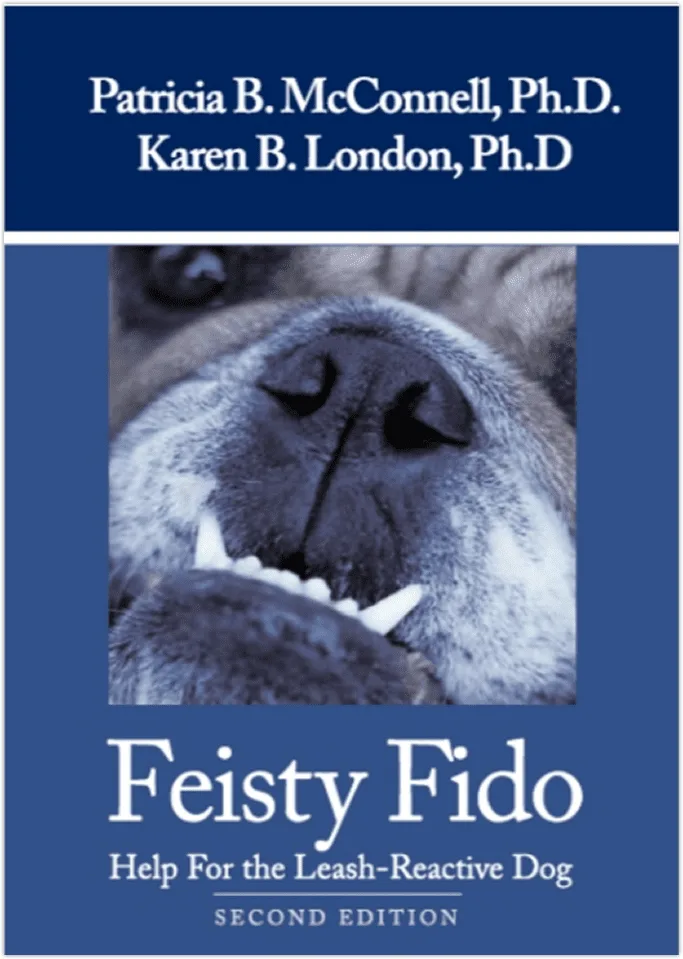
Feisty Fido
-
Beginner’s Guide for Agility Training: Agility training combines physical exercise with mental stimulation, which can help calm an energetic dog. If your dog's barking stems from excess energy or boredom, agility training provides a constructive outlet for both body and mind.
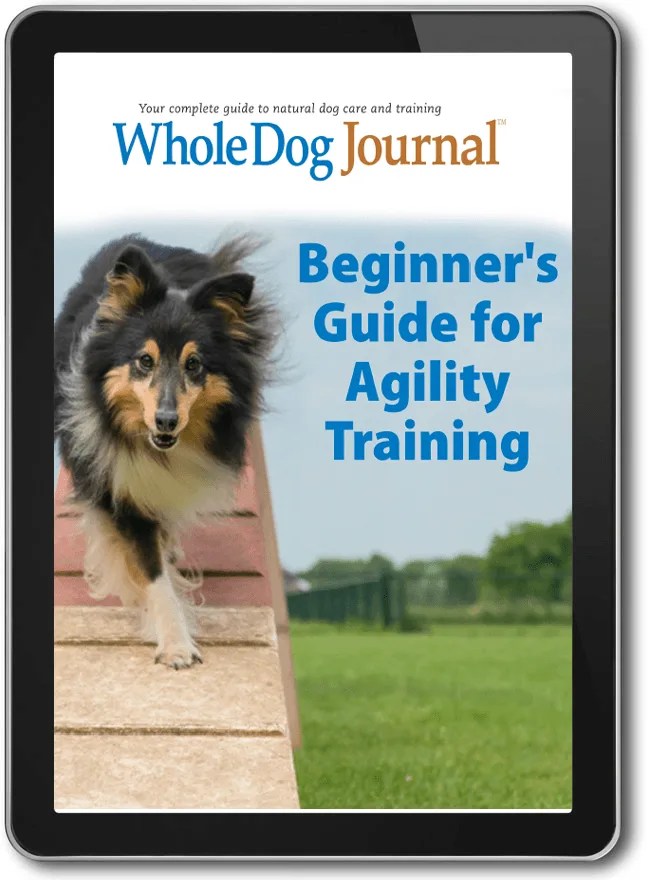
Beginner’s Guide for Agility Training
Which Approach Fits Your Dog?
Best for
- Dogs that bark out of excitement or boredom – try agility training to channel energy.
- Dogs that bark or lunge at unfamiliar dogs on walks – Feisty Fido offers targeted help.
Not for
- Dogs that growl in serious situations – these require professional behavior help, not a book or training class alone.