Quick Answer
Barrel aged coffee tastes rounder and sweeter than regular coffee: caramel and oak lead, with a subtle whiskey undertone and less of the sharp, fruity acidity you get from a standard medium roast. If you drink coffee black and enjoy whiskey or dark spirits, it is worth trying. If you rely on milk, sugar, or a daily budget coffee, regular beans usually give you more cups for less money.
What Barrel Aging Actually Does to Coffee
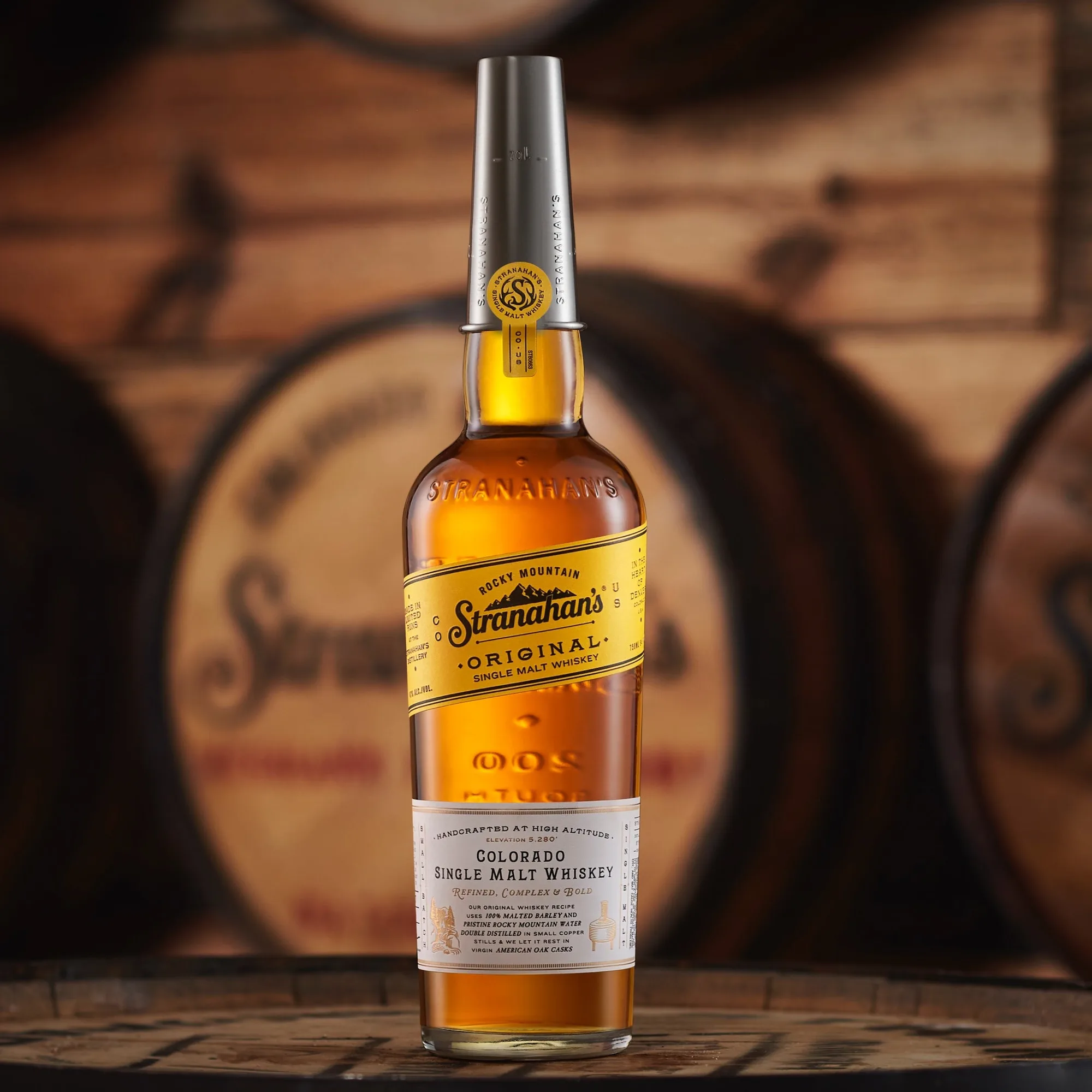
Barrel aged coffee is green or roasted coffee held in barrels that previously held whiskey. The beans pick up aromatics left in the wood rather than soaking up liquid alcohol, which is why the whiskey note reads as a subtle undertone instead of a shot of spirit. Our Barrel Aged Coffee is a collaboration between Stranahan's Distillery and Copper Door Coffee, made from beans aged in authentic Stranahan's whiskey barrels.
Regular coffee skips that step. The flavor comes from origin, roast level, and brew method alone, so a washed Ethiopian and a Brazilian natural can taste completely different while sharing the same bright, fruit-forward baseline.
Flavor Profile: Side by Side
The clearest difference is where sweetness sits. Barrel aged coffee pushes caramel and oak forward and softens acidity, so the cup feels heavier and finishes warmer. Regular coffee keeps more of its original character: citrus, berry, floral, or nutty notes depending on the bean, with a cleaner finish.
original
That means barrel aged coffee is less flexible as a daily driver if you like variety. It is a specific flavor, and it repeats every morning. Regular beans let you rotate origins without changing anything else in your routine.
Brewing and Serving Trade-Offs
Because the barrel notes are delicate, they show up best in methods that keep the cup clean. Pour-over, drip, and AeroPress let the caramel and oak read clearly. French press adds sediment that can bury the subtle whiskey undertone, and a heavy milk drink like a latte will mask most of what you paid for.
Regular coffee is far more forgiving. It holds up to milk, sugar, cold brew, and batch brewing without losing its identity, which is why it stays the practical choice for a household that drinks coffee several different ways.
Cost and Value per Cup
Barrel aged coffee costs more per bag because of the barrel time and the smaller production runs. At a catalog price of USD 15.75 against a USD 25.00 comparison price, our Barrel Aged Coffee is priced closer to a specialty single origin than a supermarket bag, but it is still a per-cup premium over standard beans.
The honest math: if you drink one black cup a day and want it to be an occasion, the premium is easy to justify. If you brew a full pot for a family or go through a bag every week, regular coffee gives you more mornings for the same money.
Trade-Offs to Weigh
- Flavor character: Barrel aged coffee trades bright acidity and origin variety for caramel, oak, and a subtle whiskey undertone. Regular coffee keeps the fruit, floral, and nutty notes tied to its origin. Pick barrel aged if you want a warmer, sweeter cup; pick regular if you want variety.
- Brewing flexibility: Barrel notes read best in pour-over, drip, or AeroPress and get lost under milk or heavy sediment. Regular coffee survives milk, sugar, and cold brew without losing its identity. Black-coffee drinkers get more from barrel aged beans than latte drinkers.
- Cost per cup: Barrel aged coffee sits at a specialty price because of barrel time and small runs, while regular beans cost less per bag and per cup. Treat barrel aged as an occasional bag, not the default, if you brew large volumes.
- Pairing potential: The same whiskey-barrel profile shows up in Barrel Aged Honey, which can sweeten tea, coffee, or baked goods. Buying both keeps the flavor consistent across a breakfast or brunch spread.
Product Facts
- Barrel Aged Coffee: Barrel Aged Coffee is a fusion of Stranahan's Distillery and Copper Door Coffee, made from beans aged in authentic Stranahan's whiskey barrels with hints of caramel, oak, and a subtle whiskey undertone. This is the clearest example of the barrel aged style: expect a sweeter, rounder cup rather than a bright, fruity one.
- Barrel Aged Honey: Barrel Aged Honey is a small-batch artisanal honey infused with Stranahan's Rocky Mountain Single Malt Whiskey, made with Boulder-based Bjorn's Colorado Honey. If you like the whiskey-barrel flavor in coffee, the same profile works as a sweetener or baking ingredient, so you can build a consistent flavor across breakfast.
Who Should Choose Which
Best for barrel aged coffee
- Black-coffee drinkers who already enjoy whiskey or dark spirits
- Gift buyers looking for a Colorado-made specialty bag
- Weekend brewers who want one cup to feel like an occasion
Not for
- Daily high-volume brewers who need the lowest cost per cup
- Drinkers who mostly take milk and sugar, which hides the barrel notes
- Anyone who wants a different origin or roast every week