Quick answer
A barrier repair product is designed to restore a compromised skin barrier, while a standard moisturiser mainly adds hydration. If your skin feels tight, irritated, or reactive, you likely need barrier repair. For daily maintenance, a lightweight moisturiser works fine. The right choice depends on your skin's current state, not a fixed routine.
What Makes Barrier Repair Different from a Regular Moisturiser?
A standard body moisturiser focuses on adding water or oil to the skin's surface, helping it feel soft and hydrated. A barrier repair product goes a step further: it contains ingredients that mimic or support the skin's natural lipid barrier, such as peptides, niacinamide, and ceramides. These ingredients help reduce transepidermal water loss, calm inflammation, and strengthen the skin's ability to protect itself.
The key difference is the goal. If your skin barrier is intact, a moisturiser keeps it comfortable. If it's damaged—from over-exfoliation, harsh weather, or acne treatments—barrier repair actively works to rebuild it. Using the wrong one can delay recovery or leave you under-hydrated.
When Should You Switch to a Barrier Repair Product?
Look for signs like persistent dryness, redness, stinging when applying products, or a feeling of tightness after cleansing. These indicate your skin barrier is compromised. A barrier repair moisturiser with ingredients like peptides and niacinamide can help restore balance. For body acne-prone skin, a lightweight barrier-supporting lotion can address both breakouts and barrier health without clogging pores.
If your skin feels normal—no irritation, no unusual dryness—a standard moisturiser is sufficient. Switching to barrier repair when you don't need it may not cause harm, but it's unnecessary and can feel heavier than your skin requires.
Can You Use Both in One Routine?
Yes, but it depends on the products. A lightweight barrier repair lotion can double as your daily moisturiser if your skin needs ongoing support. Alternatively, you can use a standard moisturiser in the morning and a barrier repair product at night when your skin repairs itself. The key is to avoid layering too many heavy formulas, which can lead to congestion, especially on the body.
For most people, choosing one product that matches their skin's current condition is simpler and more effective. If you're unsure, start with a barrier repair product for a few weeks and see if your skin feels calmer and more resilient.
Barrier Repair vs. Moisturiser: The Trade-Offs
- Barrier Repair: Deeper Restoration, Heavier Feel: Barrier repair products contain more occlusives and barrier-mimicking ingredients, which can feel richer or greasier than a standard lotion. They are ideal for compromised skin but may feel excessive for normal skin. Best for irritated, reactive, or over-exfoliated skin.
- Standard Moisturiser: Lightweight Maintenance, Less Repair: A standard moisturiser hydrates without actively rebuilding the barrier. It's comfortable for daily use but won't fix underlying damage if your skin is already compromised. Best for healthy skin that just needs hydration.
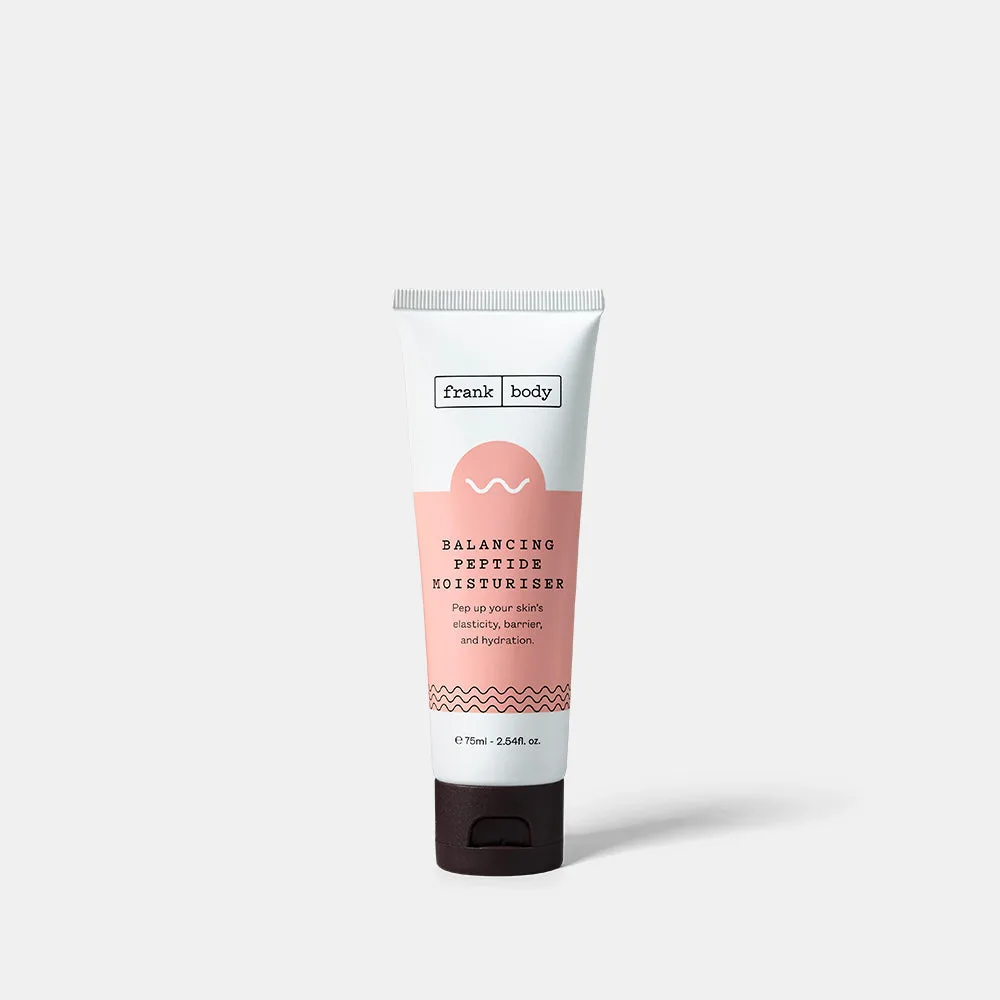
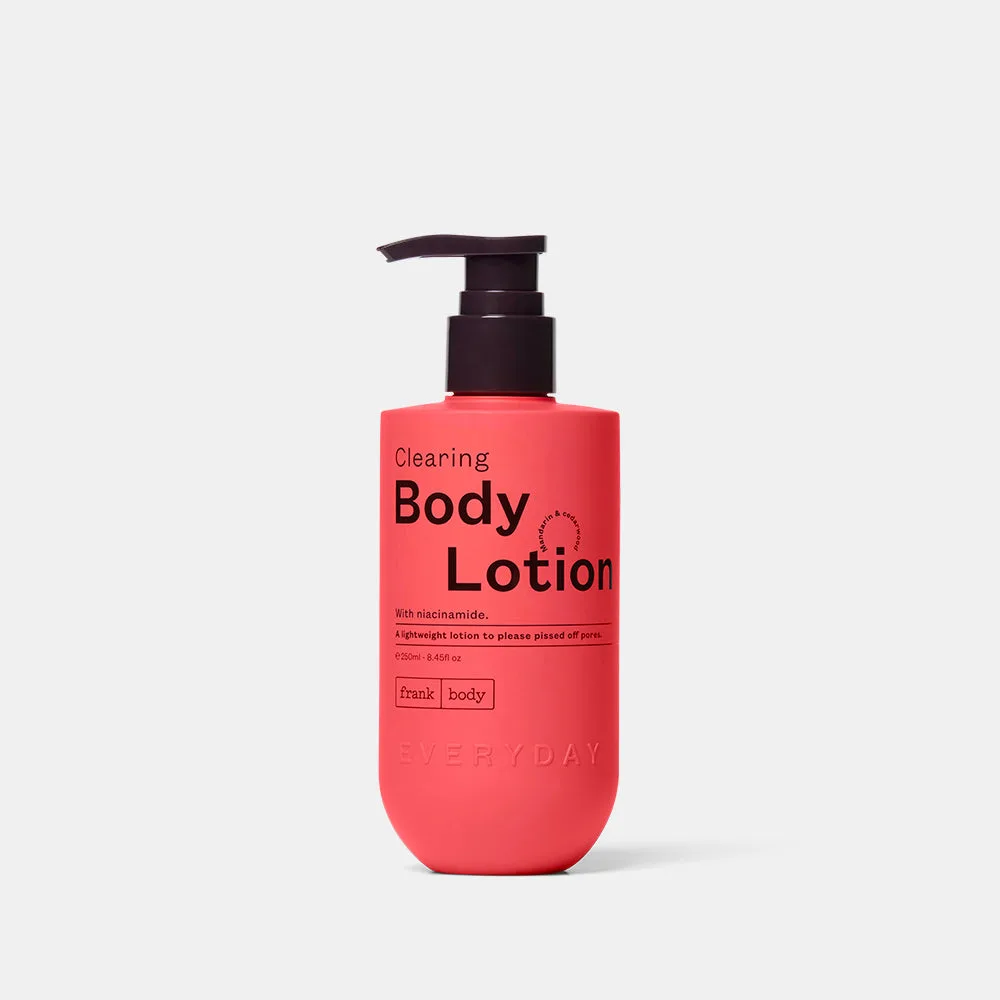
- Combination Products: Best of Both, But May Not Specialise: Some products, like the Clearing Body Lotion or Balancing Peptide Moisturiser, combine barrier-supporting ingredients with lightweight textures. They can serve both roles but may not be as intensive as a dedicated barrier repair cream. Good for mild barrier concerns or preventive care.
Products That Support Barrier Health
- Clearing Body Lotion: A lightweight lotion-gel for acne prone skin. Made with Niacinamide to tackle active and future breakouts, it will also help ease redness and address acne marks. Fast-absorbing and non-pore blocking. If you have body or back acne and suspect a damaged barrier, this lotion provides barrier-supporting niacinamide without clogging pores, so you can treat breakouts while repairing skin.
- Balancing Peptide Moisturiser: Lightweight moisturiser packed with 5x the peptides to actively hydrate and strengthen your barrier, boost collagen, plump up fine lines, and balance oil production. Also contains niacinamide, caffeine, and squalane. For those who want a dedicated barrier repair product for face and body, this moisturiser combines multiple barrier-strengthening ingredients in one formula, making it a practical all-in-one option.
Which One Fits Your Skin?
Choose barrier repair if:
- Your skin feels tight, stings, or looks red after cleansing
- You have used exfoliating acids or acne treatments recently
- You want to strengthen your skin's long-term resilience
Choose a standard moisturiser if:
- Your skin feels comfortable and shows no signs of irritation
- You prefer a very lightweight, fast-absorbing texture
- You only need hydration without extra barrier support