Quick answer
The gel base coat purpose is to bond your gel color to the natural nail and create a surface the color can grip. A traditional base coat cures under a UV/LED lamp and is removed by soaking or filing, so it lasts longer. A peel-off base coat is designed to release in one piece when you want it off, which trades some wear time for fast, damage-free removal.
Most gel manicure problems — lifting edges, chipped tips, or a removal session that leaves your nails feeling thin — trace back to the base layer. It's the least visible step and the one doing the most work.
Peel-off and traditional bases are not interchangeable. Each one solves a different problem, and picking the wrong one for your routine is why some manicures last two weeks while others pop off in two days.
What does a base coat actually do in a gel manicure?
A gel manicure base coat sits between your natural nail and the color. It grips the nail plate, gives the gel polish something to bond to, and creates a buffer so pigments and solvents aren't sitting directly on your nail. Without it, color can stain, lift at the edges, or peel off in sheets.
Traditional bases cure hard under a UV/LED lamp and become part of the manicure structure. Peel-off bases are formulated to stay slightly flexible so they can release cleanly later. That flexibility is the tradeoff: easier removal, but less resistance to daily wear and water.
- Always cap the free edge with base coat, not just the nail surface — it's where lifting starts.
- Keep base coat thin. A thick layer cures unevenly and encourages peeling.
Peel-off base coat vs traditional: which one should you choose?
Choose a traditional base coat if you want maximum wear time and don't mind soaking or filing at removal. It's the better fit for long trips, busy weeks, or anyone whose hands are constantly in water. Choose a peel-off base if you change colors often, travel, or want to avoid acetone soaks altogether.
Peel-off bases generally give shorter wear — often a few days to about a week depending on your prep and lifestyle — because they're engineered to release. If you need two-plus weeks, a traditional base is the realistic option. Neither is better; they serve different priorities.
- Frequent color changers: peel-off base saves time and acetone.
- Water-heavy routines: traditional base holds up better.
- Sensitive or thin nails: peel-off removal is gentler than soaking.
Do you need a separate base coat if your gel polish is HEMA-free?
Yes. HEMA-free and TPO-free formulas describe what's in the polish, not how it bonds. They still need a base layer to adhere properly and to protect the natural nail from pigment. Skipping base coat with a HEMA-free color doesn't make removal easier — it usually makes wear worse.
If you're building a lower-sensitivity routine, match your base coat to the same standard as your color. A HEMA-free color over a conventional base still puts you in contact with the base formula, so read both labels if ingredient sensitivity is your reason for choosing HEMA-free in the first place.
- Check the base coat label separately from the color label.
- One thin base layer is enough; two thick layers can trap moisture.
Is an air drying base coat the same as a gel base coat?
No. An air drying base coat is a traditional nail polish product that evaporates and sets without a lamp. It won't bond gel polish, and gel color applied over it will lift quickly because the layers cure by different mechanisms. An air drying base coat belongs under regular lacquer, not gel.
Some peel-off base coats are air drying rather than lamp-cured, which is where the confusion comes from. The distinction is the product's intended top layer: if you're putting gel over it, the base needs to be compatible with gel, whether it cures under a lamp or dries in the air.
- Read the label for 'for gel polish' or 'lamp cure' before buying.
- Never mix an air-dry base under a lamp-cured gel color.
How do you remove each type without damaging your nails?
For a traditional base, file through the top layers, then soak in acetone or use a removal wrap until the gel softens and slides off. Don't pry. For a peel-off base, look for a lifted edge, work a little cuticle oil or warm water under it, and let it release in one piece. If it resists, don't force it — that's when nail plate damage happens.
After either removal method, your nails will feel drier than usual. A cuticle oil or nail care accessory like a nourishing balm helps restore flexibility before your next set. Give nails a day off between manicures when you can.
- Peel-off: never rip from the center of the nail.
- Traditional: stop soaking as soon as the gel loosens.
- Always finish with oil or balm after removal.
Can you layer a peel-off base under a long-wear gel color?
You can, but expect the manicure to behave like a peel-off set, not a long-wear one. The release layer determines removal, so a peel-off base under a hard gel color will still lift earlier than the same color over a traditional base. If a fast removal is your priority, that's a fair trade.
If you want both longer wear and easier removal, the more reliable route is a traditional base with careful prep and a proper soak-off, rather than stacking a peel-off base under a formula designed to stay put.
- Match base and color to the same wear expectation.
- If edges lift early, revisit prep before blaming the base.
Base coat decision checklist
Wear time priority
If you need 10+ days, choose a traditional lamp-cured base and accept soak-off removal. Long wear and fast removal rarely come from the same base.
Removal priority
If you change color weekly or avoid acetone, choose a peel-off base and plan for shorter wear. Peel-off is a removal strategy, not a durability upgrade.
Product compatibility
Confirm the base is made for gel polish, not air-dry lacquer, before layering any gel color over it. An air drying base coat under gel color is a guaranteed lift.
Aftercare
Finish every removal with cuticle oil or balm, regardless of which base you used. The base protects during wear; aftercare protects between sets.
Products that pair well with a base coat routine
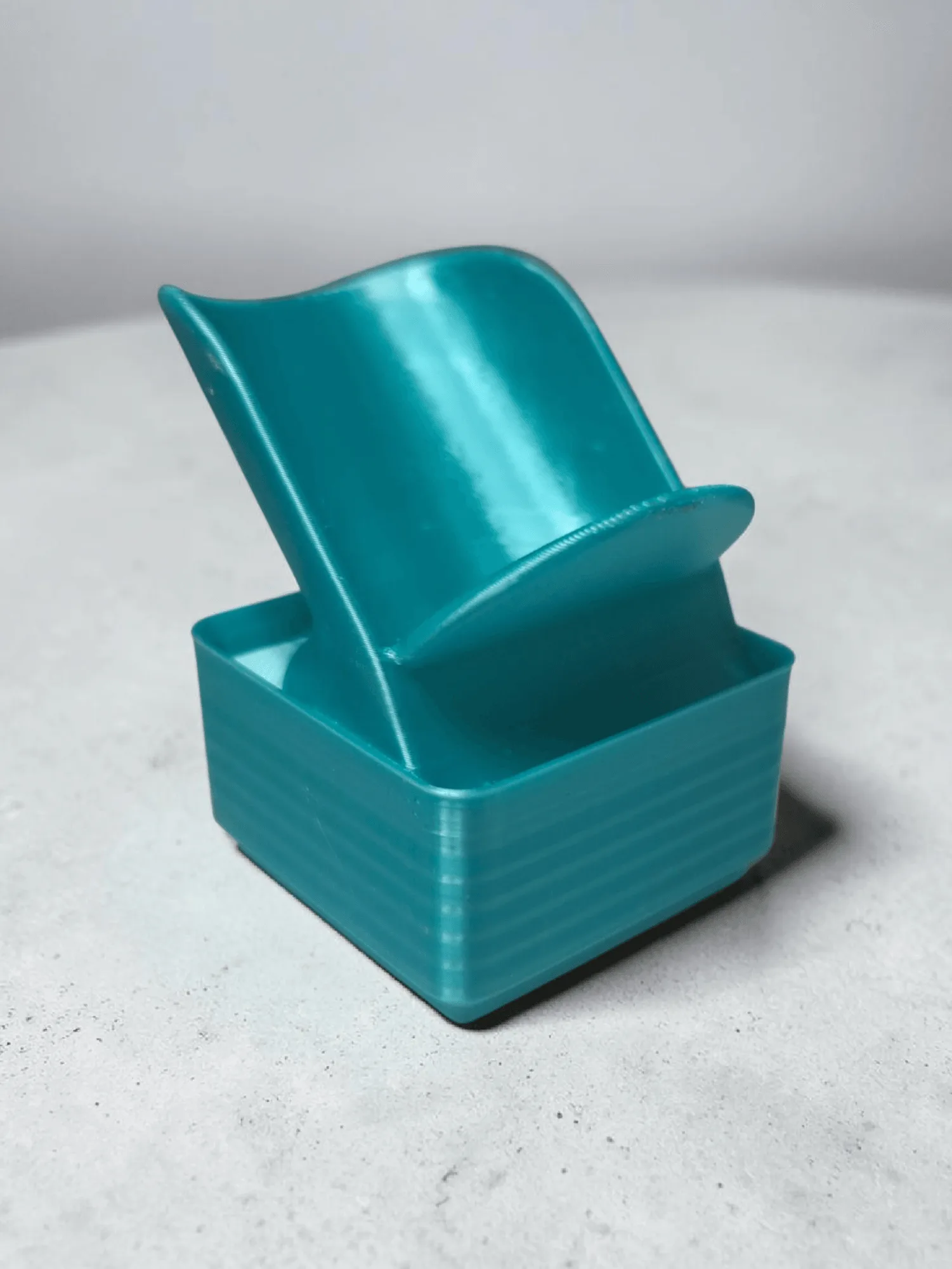
- Movie Chair / Gel Polish Holder/ 3D Printed Silk PLA: An angled holder that tilts your gel polish bottle so product flows toward the neck for easier brush pickup. When you're applying a thin base layer, consistent product pickup on the brush keeps the coat even — and an angled holder helps with that, especially as the bottle runs low.
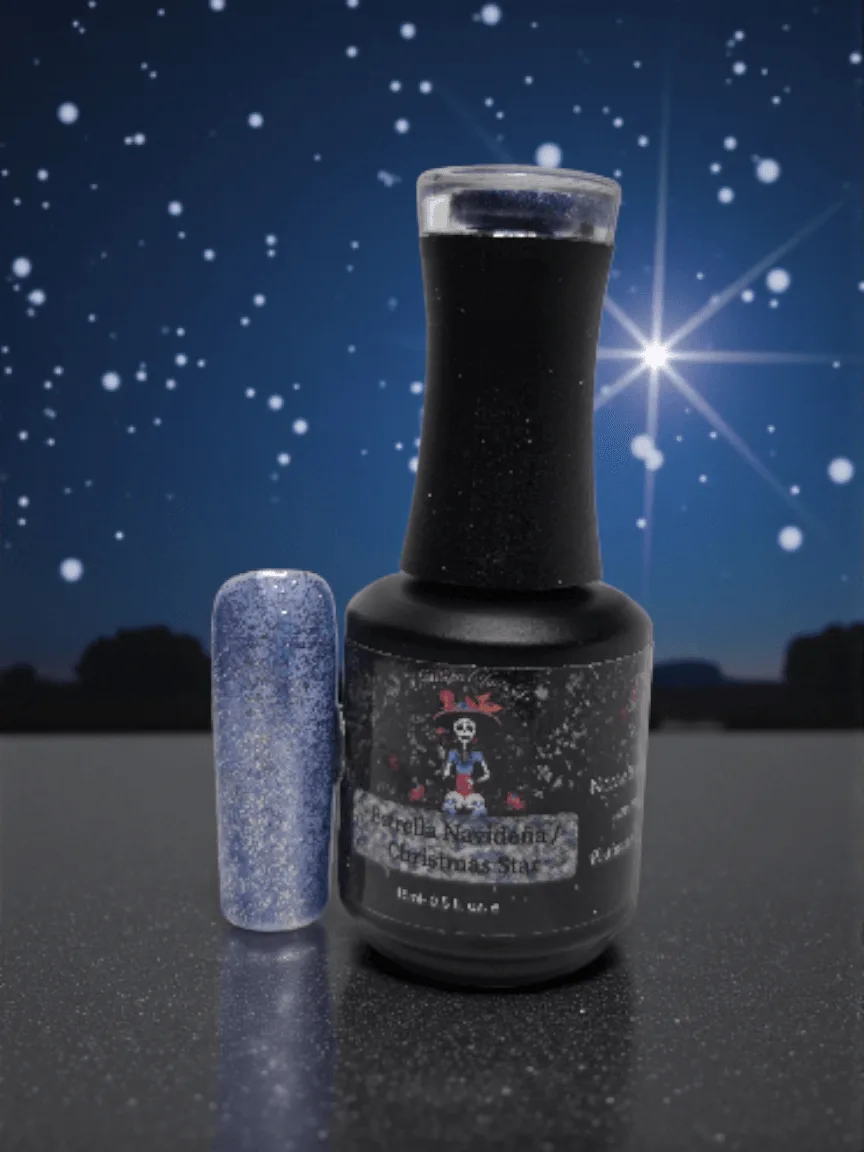
- Estrella Navideña ~ Christmas Star~ HEMA-Free and TPO Free Gel polish: A bluish purple gel polish with silver glitter and a luminous, celestial finish. A good example of a HEMA-free color that still needs a proper base layer — glitter shades show edge lifting quickly, so base coat prep matters more, not less.
- Primavera Collection Re
Release 2026HEMA-Free and TPO Free Gel polish: A spring-inspired collection of dreamy shades built on a rich, smooth formula. If you change colors with the seasons, a peel-off base under softer, smooth-formula shades makes switching sets faster without repeated acetone soaks.
Pick your base coat based on how you'll remove the manicure, not just how long you want it to last. Traditional bases reward patience with durability; peel-off bases reward planning with speed. Get that match right and the rest of your gel routine gets easier.