Quick answer
You need both a base coat and a top coat for the longest-lasting manicure. A base coat preps and protects your nail, while a top coat seals and adds shine. Skipping one can lead to staining, chipping, or a dull finish.
What a base coat actually does
A base coat is the first layer you apply before your color polish. Its main job is to create a smooth, adhesive surface that helps polish grip your nail plate. This prevents chipping and peeling from the start. A good base coat also protects your natural nail from staining, especially when you wear deeply pigmented or dark polishes. If you have ridges or uneven nails, a ridge-filling base coat can also help create a flawless canvas.
What a top coat actually does
A top coat is the final layer you apply after your color polish. It seals the color, adds a protective barrier against daily wear, and delivers the finish you want—glossy, matte, or textured. A quality top coat extends the life of your manicure by preventing chips and scratches. It also helps dry the polish faster and can add a smooth, shiny look that makes the color pop. For polishes with glitter or reflective particles, a thick top coat helps lock in the texture and prevents snagging.
Can you use one without the other?
Technically, yes, but you'll sacrifice durability and appearance. Using only a base coat leaves your polish exposed to chips and dullness. Using only a top coat means your nails miss out on protection from staining and adhesion. For special finishes like magnetic or multichrome polishes, both layers become even more important. A base coat helps the magnetic effect develop evenly, and a top coat preserves the shifting colors without dulling them.
Base coat vs top coat: the tradeoffs
- Base coat: adhesion and protection: A base coat prevents staining and helps polish grip your nail. Without it, dark or bright colors may leave discoloration, and your manicure may peel sooner. Don't skip the base coat if you wear pigmented or dark polishes.
- Top coat: shine and longevity: A top coat seals the color and adds a glossy or matte finish. Without it, your polish is vulnerable to chips, scratches, and a dull appearance within a day or two. A top coat is essential for a manicure that lasts beyond a few days.
- Using both together: Layering a base coat and a top coat gives you the best of both worlds: a protected nail bed and a sealed, shiny finish. This combo works for all polish types, from crellies to magnetics to glitters. For the longest-lasting, most professional-looking manicure, always use both.
How these polishes work with base and top coats
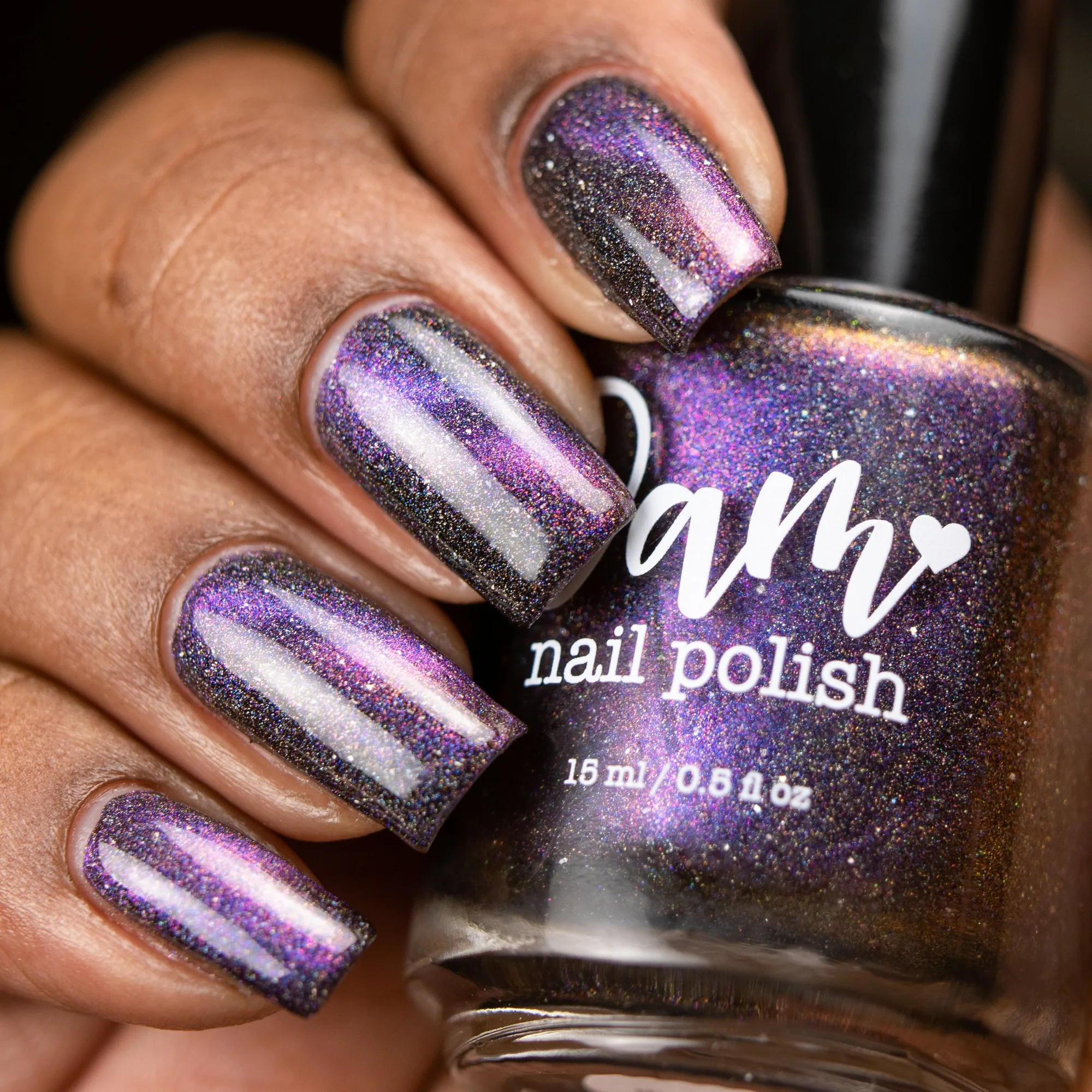
- Supernova - Purple/Pink/Bronze Magnetic Nail Polish - Astronomical 2 Collection: Supernova is a 9D magnetic nail polish with shifts of purple, pink, and bronze. Each polish in this collection has a holographic base with holographic flakes. A smooth base coat helps the magnetic particles move freely, and a glossy top coat locks in the holographic effect for maximum sparkle.
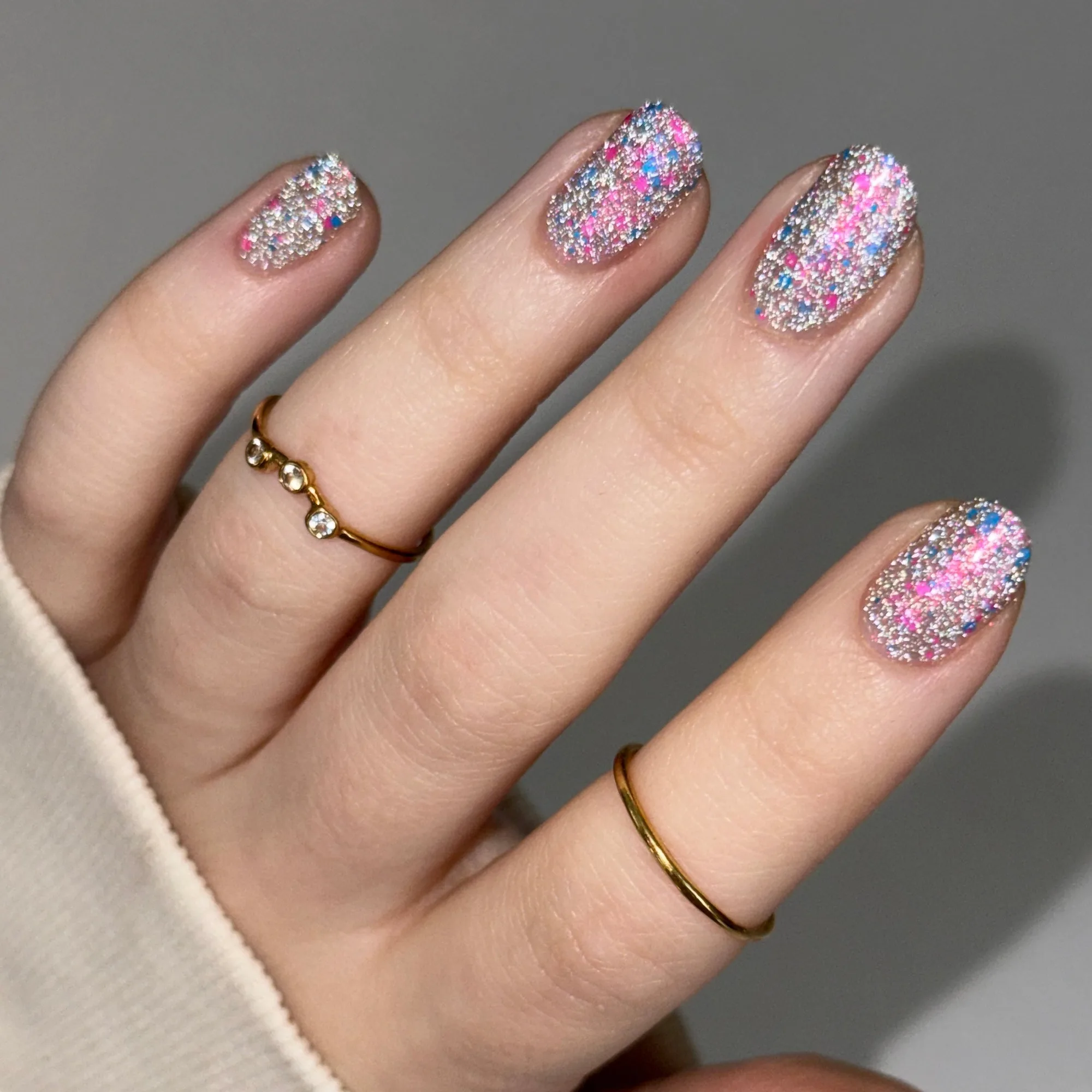
- Squid Pro Quo - Silver Reflective Glitter Nail Polish with Pink Shimmer and Neon Glitter - Squids Fly High Sibling: Silver reflective glitter base with pink, gold, and green shifting shimmer and assorted neon blue and pink glitters. A thick top coat is essential for reflective glitter polishes to fully encapsulate the glitter pieces, preventing rough edges and adding a glassy shine.
Which one should you choose?
Best for
- Anyone who wants a chip-resistant, long-lasting manicure (use both)
- Wearing dark or highly pigmented polishes (prioritize base coat)
Not for
- Quick, one-day wear where you don't mind chipping (you might skip one, but still not ideal)
- Glitter or textured polishes without a top coat (they will feel rough and catch on fabrics)