Quick answer
Wash mesh and merino base layers after every ride in cool water with a gentle, non-biological detergent, then air-dry them flat or on a line away from direct heat. Merino needs a wool-safe wash and no wringing; mesh tolerates a mesh bag and a gentle spin. The routine below keeps both fresh without shrinking, pilling or stretching them.
Why mesh and merino need different handling
Mesh base layers are typically synthetic and built for fast wicking and breathability, so they can handle a short, cool machine wash and a gentle spin. Merino is a natural fiber that resists odor naturally but is sensitive to heat, agitation and alkaline detergents, so it needs a cooler, slower approach. Treating them the same is the fastest way to shrink a merino layer or stretch a mesh one.
The wash-day setup that prevents most damage
Before washing, turn both garments inside out and close any zips. Use a mesh laundry bag for merino to limit friction, and keep mesh base layers separate from towels or garments with hooks and Velcro. Choose a gentle, non-biological detergent without fabric softener; softener coats fibers and reduces wicking in mesh and can dull merino. If your machine has a wool or hand-wash cycle, use it with a low spin speed.
Drying rules that protect fit and freshness
Heat is the main enemy of both fabrics. Air-dry merino flat on a towel or drying rack, reshaping it gently while damp so it keeps its cut. Mesh base layers can hang dry, but avoid radiators, direct sun for long periods and tumble dryers. If you need them dry faster, roll merino in a clean towel to remove excess water rather than wringing it, and give mesh an extra low-spin cycle.
How to store base layers so they stay ready
Store clean, fully dry base layers folded in a drawer rather than hanging, which can stretch shoulders over time. Keep them away from damp kit bags and dirty laundry. If you rotate two or three base layers, each one gets a full dry cycle between rides, which reduces odor buildup and extends the life of the fabric.
Step-by-step base layer care routine
- 1. Pre-treat and sort: Turn base layers inside out, close zips and place merino in a mesh laundry bag. Sort mesh and merino away from towels, jeans and anything with hooks. Checkpoint: if you can see detergent residue or deodorant marks, rinse them before the main wash.
- 2. Wash cool and gentle: Use a wool or hand-wash cycle at 30°C or lower with a gentle, non-biological detergent. Skip fabric softener and bleach entirely. Common mistake: hot water and softener are the two fastest ways to shrink merino and kill mesh wicking.
- 3. Rinse and remove water carefully: Let the machine finish its cycle, then roll merino in a clean towel to press out water. Never wring or twist merino; mesh can take a short, low spin. Checkpoint: the garment should feel damp, not dripping, before drying.
- 4. Air-dry with shape: Dry merino flat on a rack or towel, reshaping it gently. Hang mesh to dry in a ventilated room, away from radiators and direct sun. Common mistake: tumble drying or drying on a hot radiator can shrink merino and distort mesh.
- 5. Store clean and dry: Once fully dry, fold base layers and store them in a dry drawer. Never put damp kit back in a bag or hamper. Next step: rotate two or three base layers so each gets a full dry cycle between rides.
Product facts that affect care
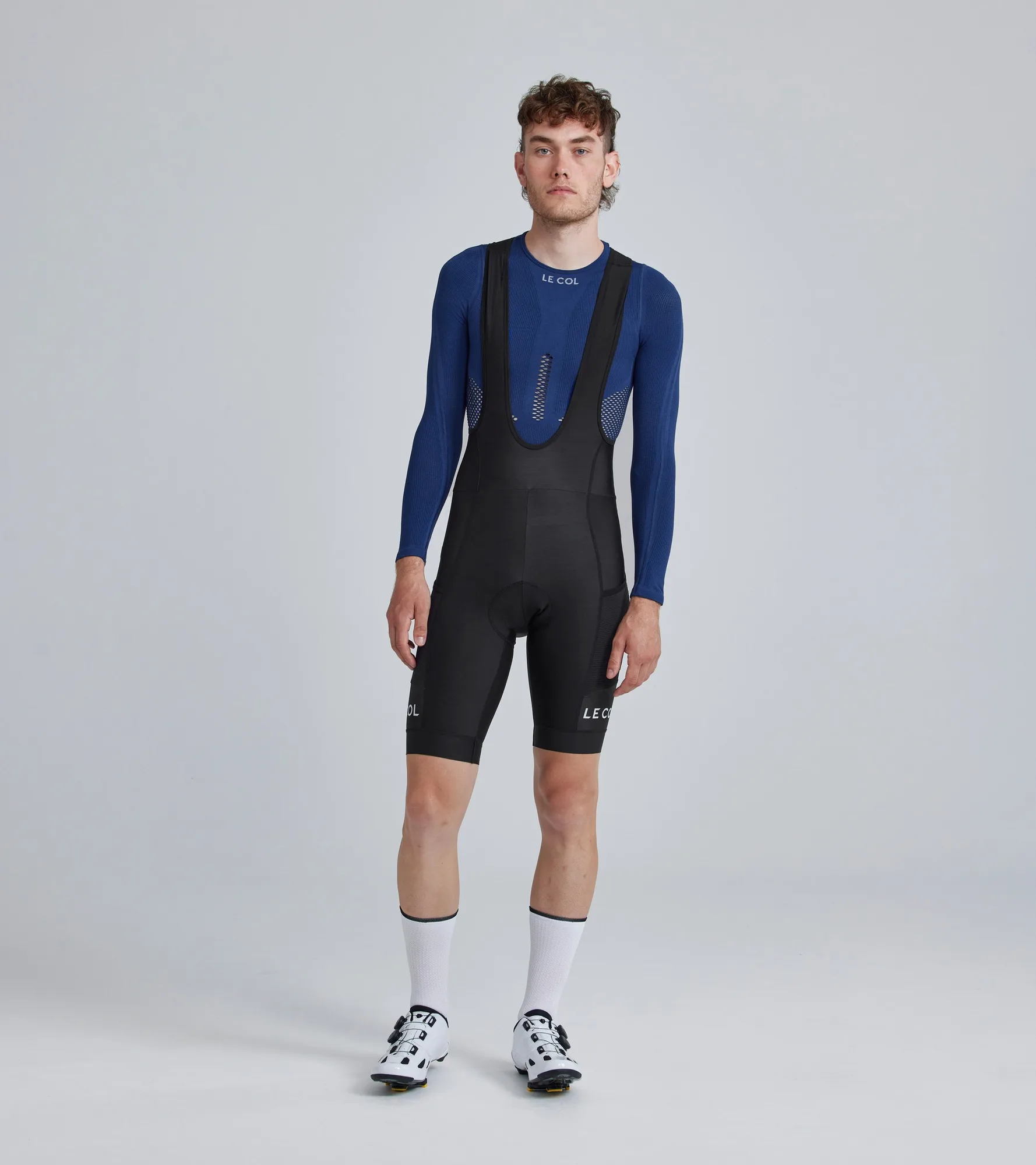
- Unisex Pro Mesh Long Sleeve Base Layer: The Pro Mesh Long Sleeve Base Layer is woven in one complete piece to avoid seaming and is designed to wick fast under jerseys and jackets. Seamless construction means fewer weak points, but the mesh still needs a gentle wash to keep its wicking performance and shape.
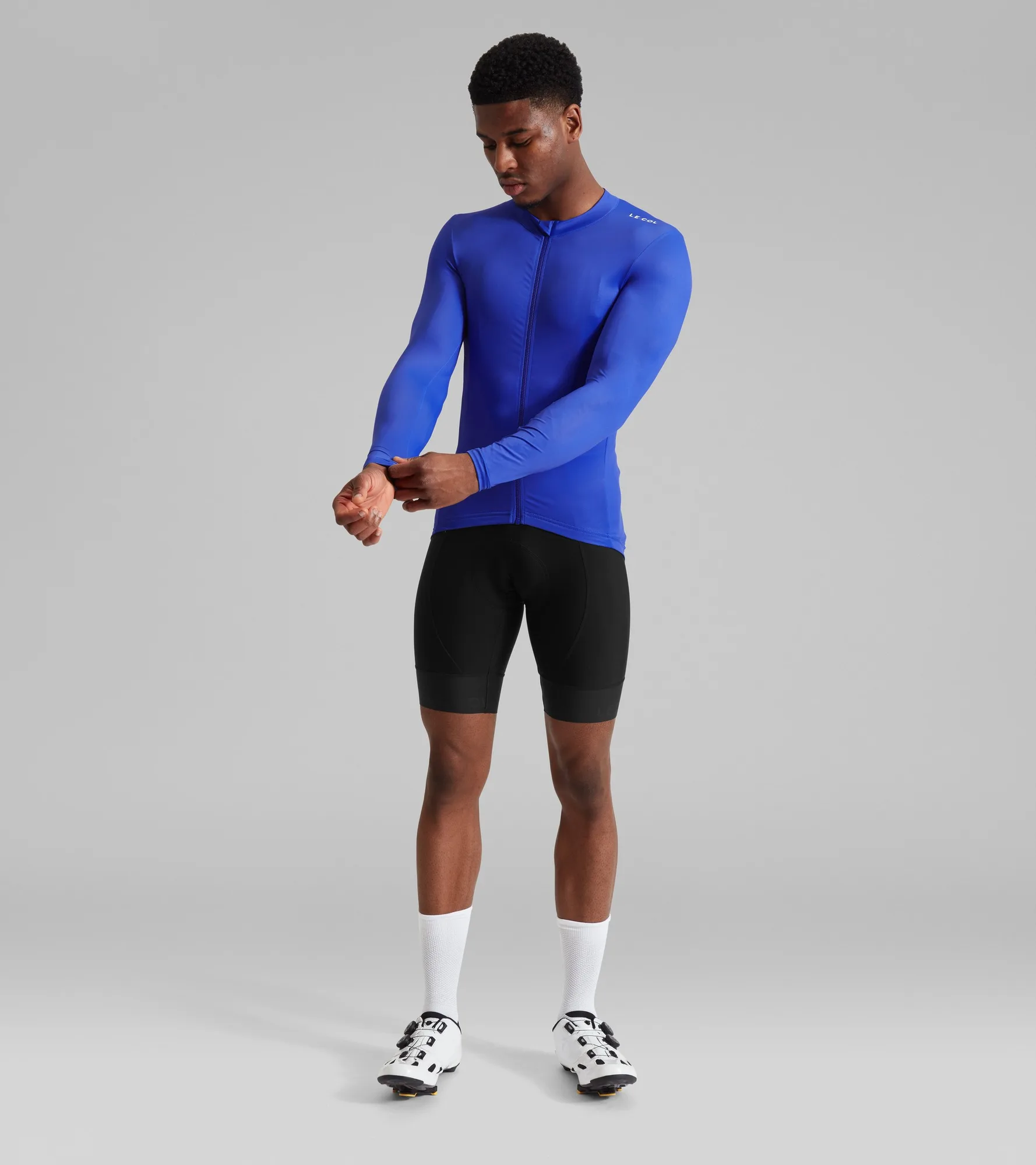
- Pro Long Sleeve Jersey: The Pro Long Sleeve Jersey uses a brushed-back Lycra that is thicker than typical to protect from cold air without losing breathability. Brushed fabrics can pill if washed with rough items, so keep this jersey separate from Velcro and zips and follow the same cool, gentle routine.