Quick Answer
You need action figure stands or bases only when a figure cannot hold a pose on its own, when you want an elevated or dynamic display, or when shelf space is tight and you want to group figures safely. For most standard figures on a flat shelf, a stand is optional. Buy stands for the figures that actually fall, not for the whole collection.
When a Stand Solves a Real Problem
A stand earns its place when it fixes one of three issues: the figure tips over, the pose you want is impossible without support, or the figure is small enough to get lost or knocked down easily. Articulated figures with heavy heads, wide stances, or loose ankle joints are the usual candidates. If a figure already stands firmly and you are happy with its pose, adding a stand just adds clutter and cost.
- Falls over on its own: a stand with a waist or foot peg stops the domino effect on a crowded shelf.
- Pose requires balance: flying, kicking, or one-foot poses need a stand or base to hold the angle.
- Small scale figures: 3-inch figures are light but easy to knock over, so a low-profile base keeps them upright.
When You Can Skip the Stand
Not every figure needs support. Figures with wide, flat feet and tight joints often stand better without a stand than with a poorly fitting one. Forcing a stand onto a figure with no peg hole can scratch paint or stress the plastic. If your shelf is stable and you are not posing figures mid-air, save the money and put it toward another figure instead.
- No peg hole and no waist clip: a friction stand may not grip safely.
- Museum-style standing pose: if it already stands, leave it.
- Very heavy die-cast figures: a small plastic stand may not be rated for the weight, so check before buying.
Fit Guidance: Match the Stand to the Figure
Fit matters more than brand. Measure the figure's foot span and check whether it has a peg hole, and note the peg diameter if it does. A stand with an adjustable waist clamp fits more figures than a fixed peg, but clamps can leave marks on soft plastic over time. For small figures, a flat base with a shallow peg is usually enough. For larger figures, look for a base with a wide footprint and a metal or thick plastic arm. If a product listing does not state peg size or weight rating, treat that as a limitation and choose an adjustable option instead of guessing.
- Check peg hole diameter before buying a peg-style stand.
- Adjustable clamps fit more figures but can mark paint.
- Wide base footprint matters more than arm length for heavy figures.
Bases vs. Stands: Different Jobs
A stand holds one figure upright. A base gives a figure a stage, raises it, or anchors a scene. If you want a figure to look like it is mid-move, a stand is the tool. If you want a group of figures to read as one display, a base or diorama floor does more work. Many collectors use both: a base for the scene and a stand for the figure that cannot hold its pose within it.
- Stand: single-figure stability and posing.
- Base: scene building, elevation, and grouping.
- Both: useful when one figure in a scene will not stay put.
Decision Rules for Buying Figure Stands
- Rule 1: Buy for the fallers, not the shelf: Count how many figures actually tip over in a month. Buy stands only for those figures. If nothing falls, you do not need stands yet.
- Rule 2: Measure before you buy: Check foot span and peg hole diameter. If the listing does not state peg size, choose an adjustable clamp stand instead. Fit beats brand every time.
- Rule 3: Match stand size to figure scale: Use low-profile bases for 3-inch figures and wider-footprint bases for larger or heavier figures. An oversized stand looks wrong and can be less stable.
- Rule 4: Choose base or stand by goal: Pick a stand for posing one figure. Pick a base for grouping or scene building. If you want both, buy one base and one stand and test the combination.
Figures That Show Why Fit Matters
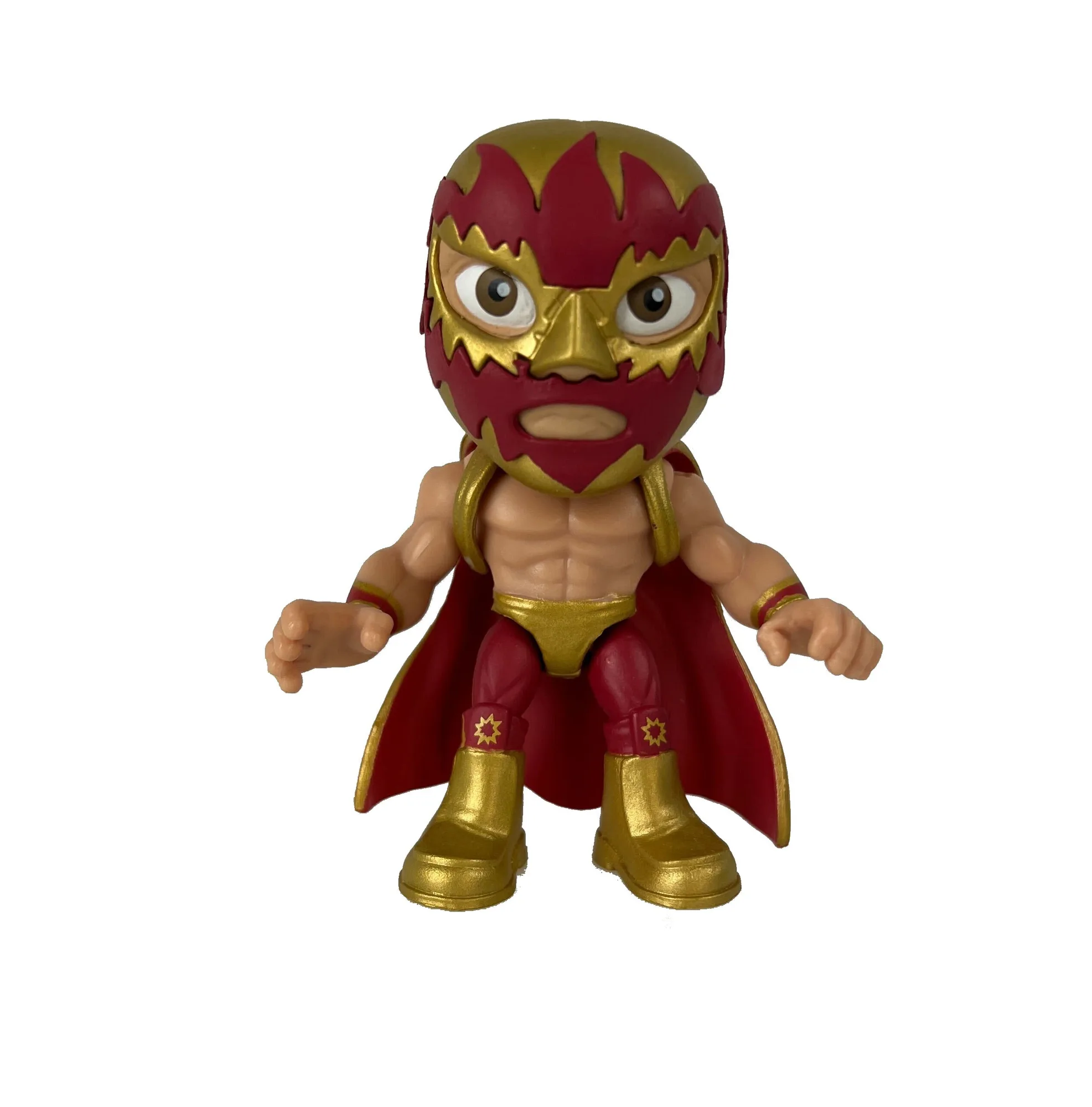
- Legends of Lucha Libre - Luchacitos Mini Action Figures - Solar, Gold Costume: Luchacitos are 3-inch articulated mini-figures, including Solar in a Gold costume, each in a window box. Small articulated figures are light and easy to knock over, so a low-profile base or shallow-peg stand is usually enough. A large clamp stand would overwhelm a 3-inch figure.
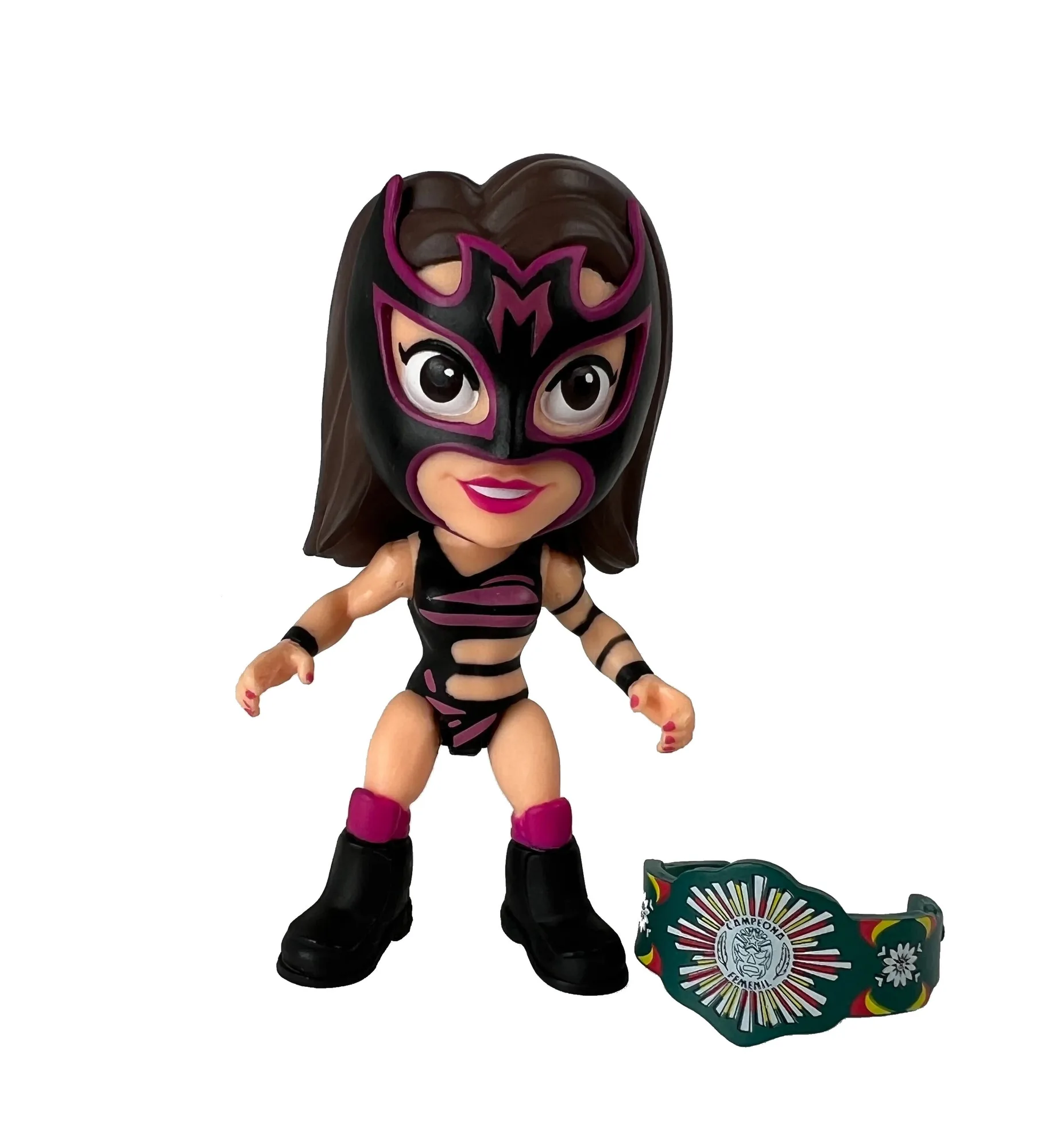
- Legends of Lucha Libre - Luchacitos Mini Action Figures - Lady Maravilla, Pink Costume: Lady Maravilla in a Pink costume is part of the same 3-inch Luchacitos line with two costume choices per character. If you collect several Luchacitos, matching small bases keep the group stable and visually consistent without taking up much shelf depth.
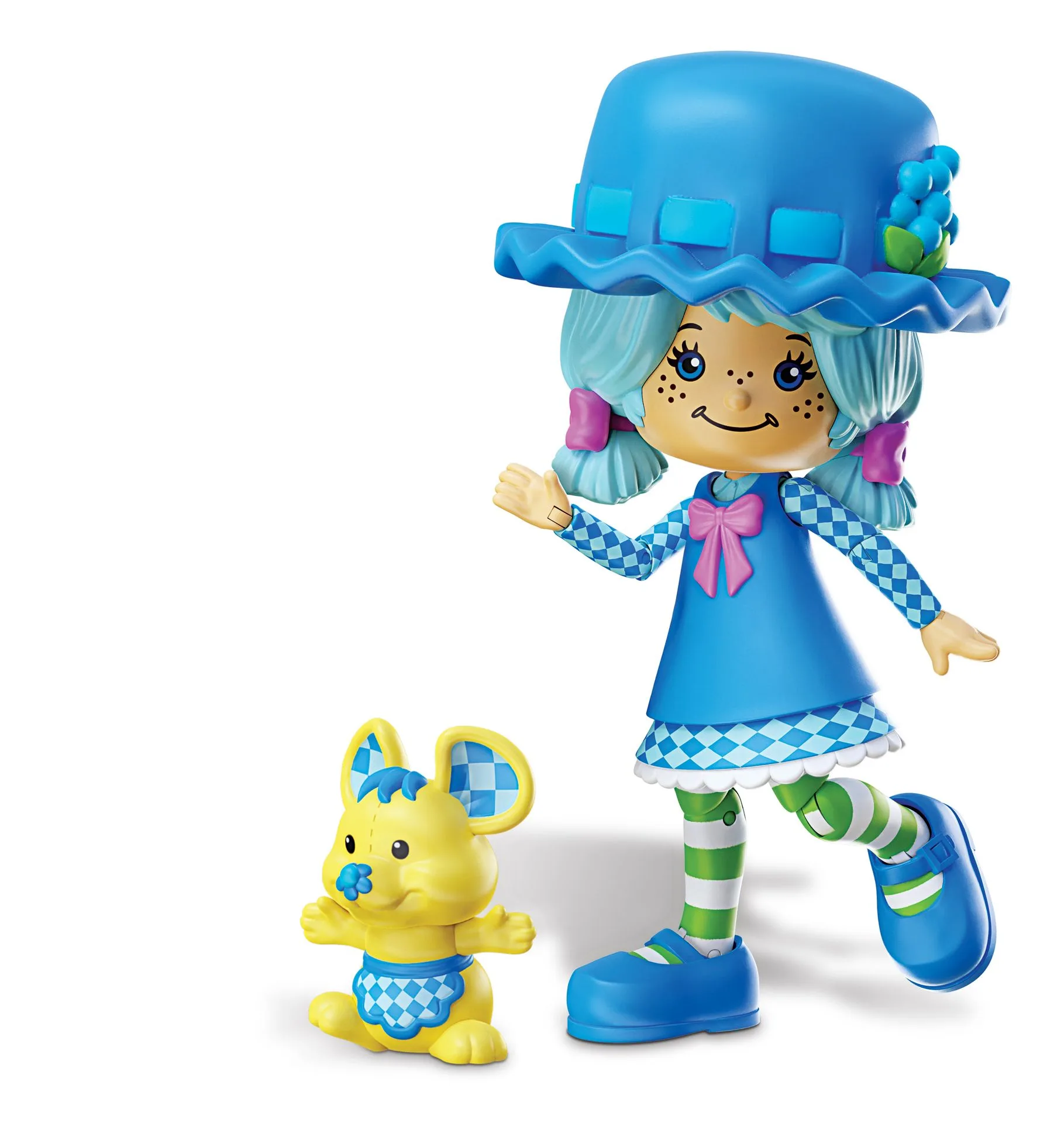
- Strawberry Shortcake Action Figure: Blueberry Muffin: The Classic Strawberry Shortcake Blueberry Muffin figure is fully poseable, comes with a removable hat and Cheesecake, and features the classic scent. A poseable figure with accessories benefits more from a stand than a static one, because you can hold a scene pose. Keep the stand away from the scented plastic if the clamp could trap or transfer scent.
Who Should Buy Figure Stands
Best for
- Collectors whose figures fall over or domino on crowded shelves
- Anyone posing figures mid-air, kicking, or on one foot
- Collectors of small 3-inch articulated figures that are easy to knock down
Not for
- Collectors with stable shelves and figures that already stand well
- Figures with no peg hole and no safe clamp point
- Very heavy figures without a stated weight rating on the stand