Quick answer
For a safe newborn bassinet setup, you need only three things: a firm, flat mattress with a tight-fitting sheet; a fitted waterproof mattress protector; and a wearable blanket or swaddle for sleep. Everything else—bumpers, pillows, toys, mobiles—is either optional or unsafe. If you're using a BassiNest, check that any accessory is specifically designed for your model, because aftermarket parts rarely fit correctly.
The Only Bassinet Accessories You Actually Need
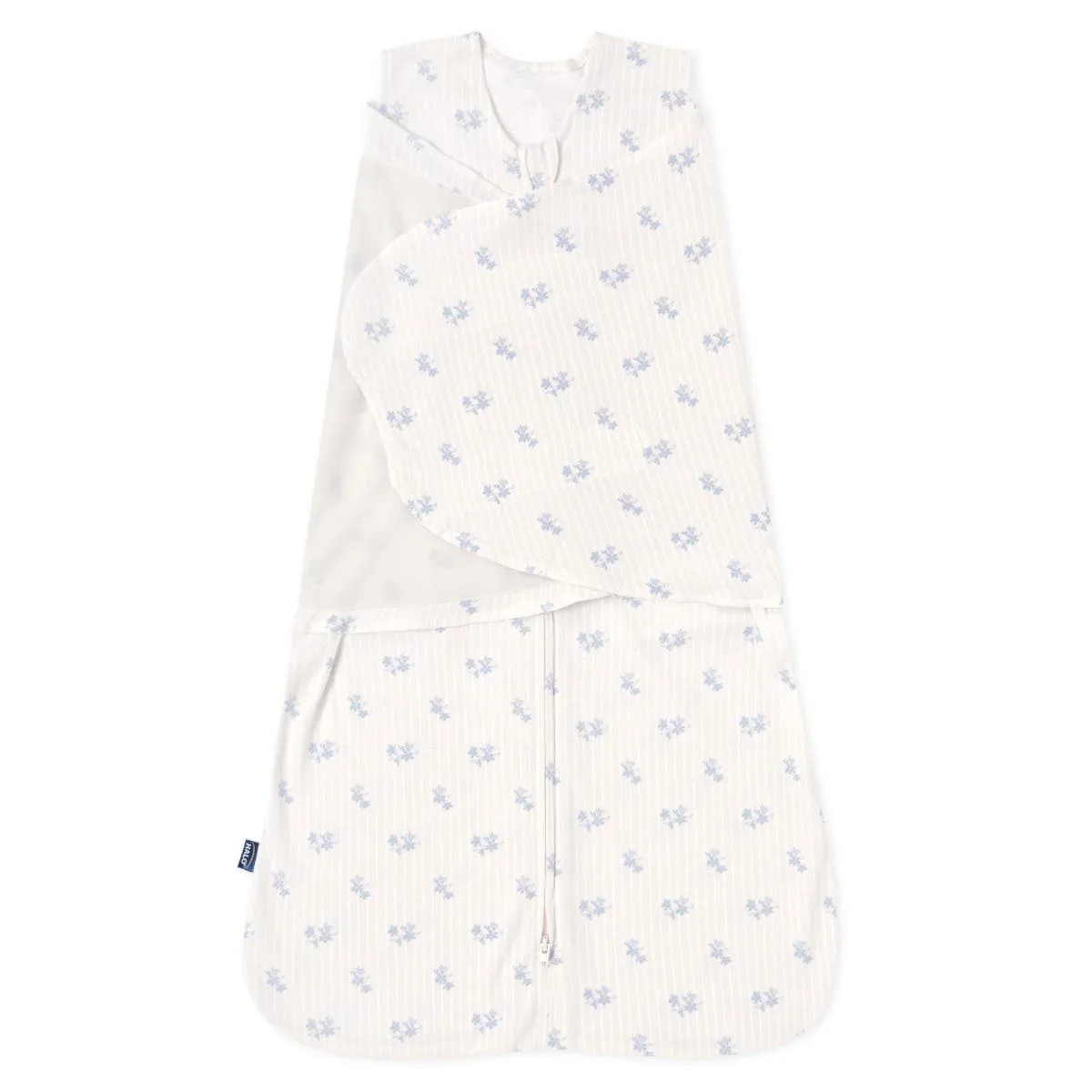
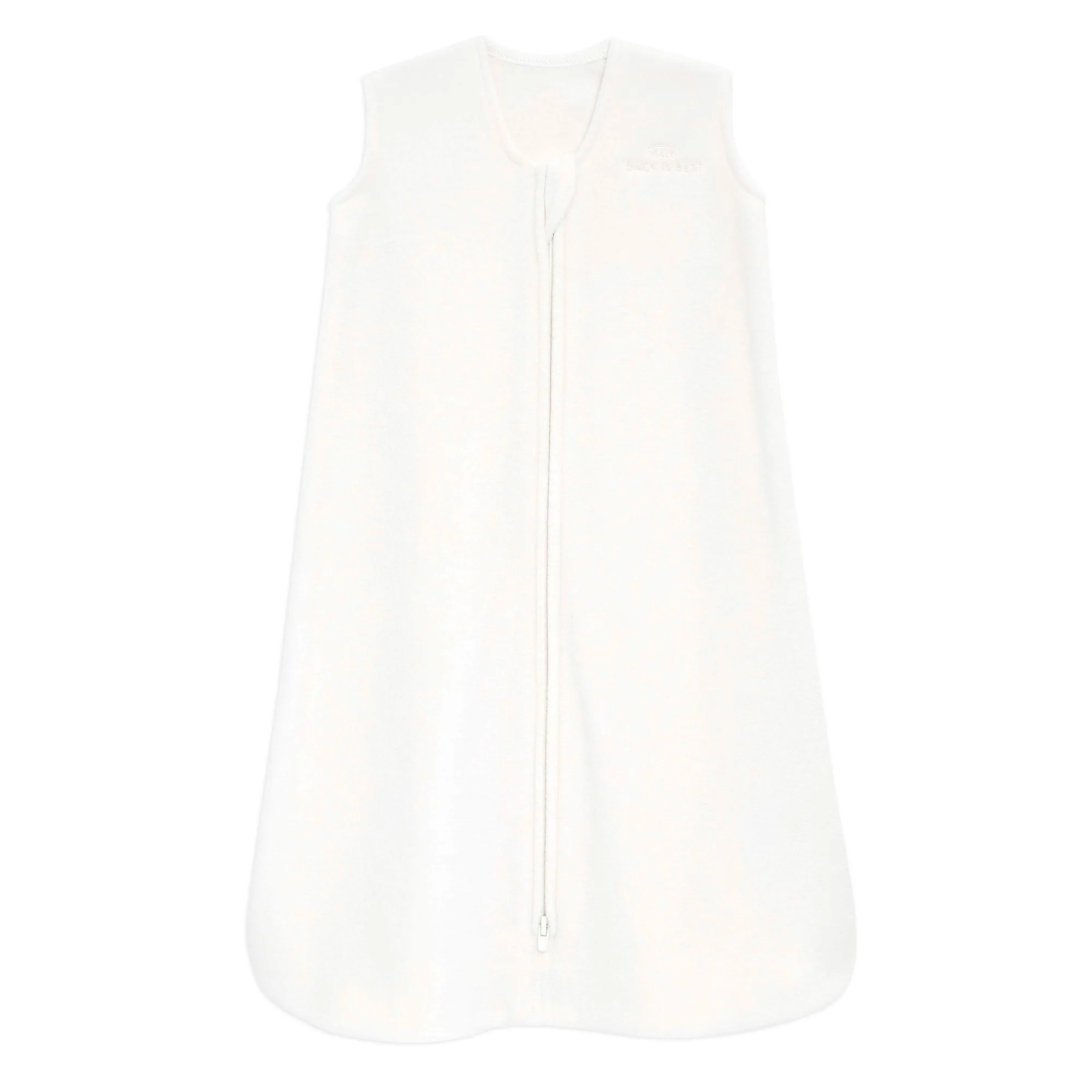
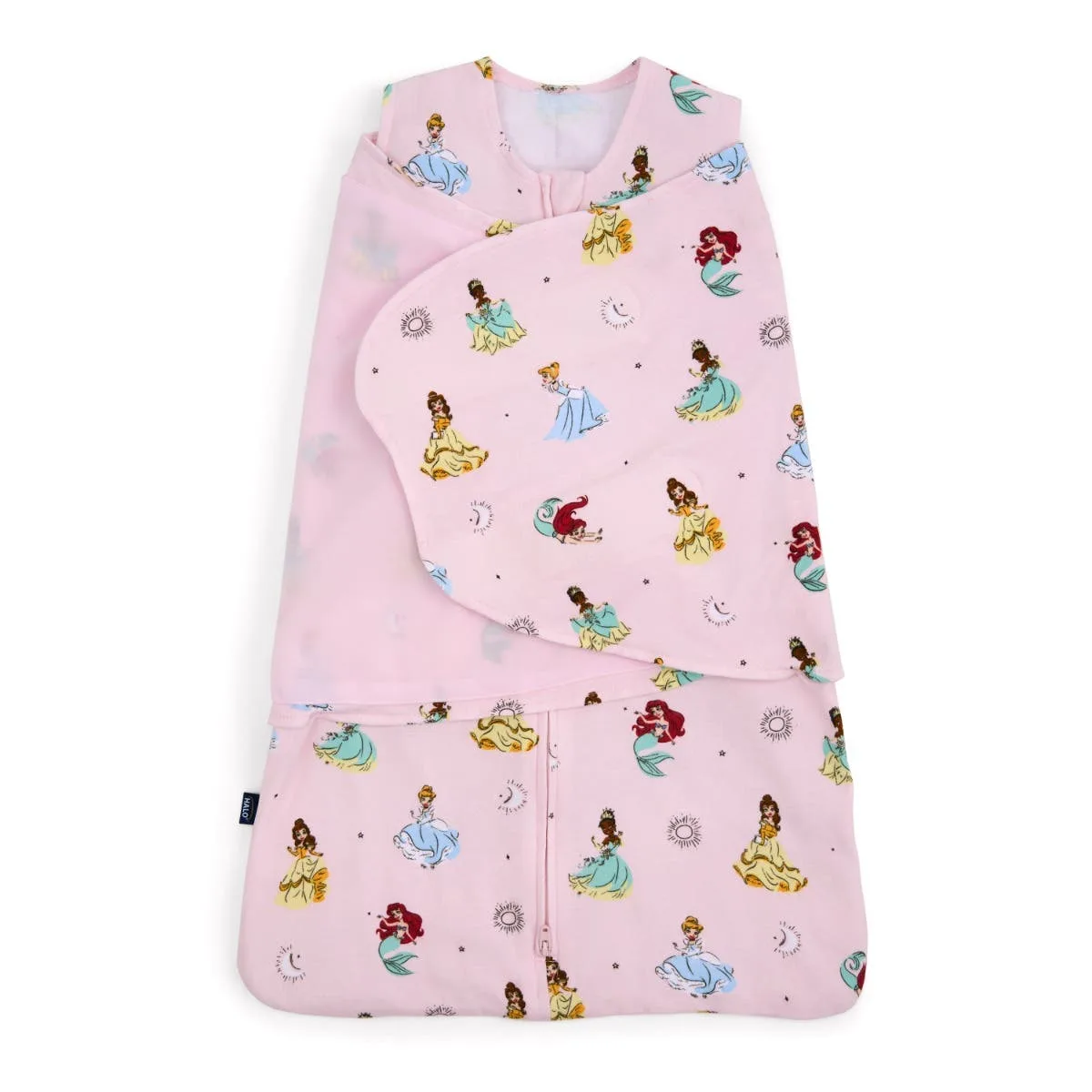
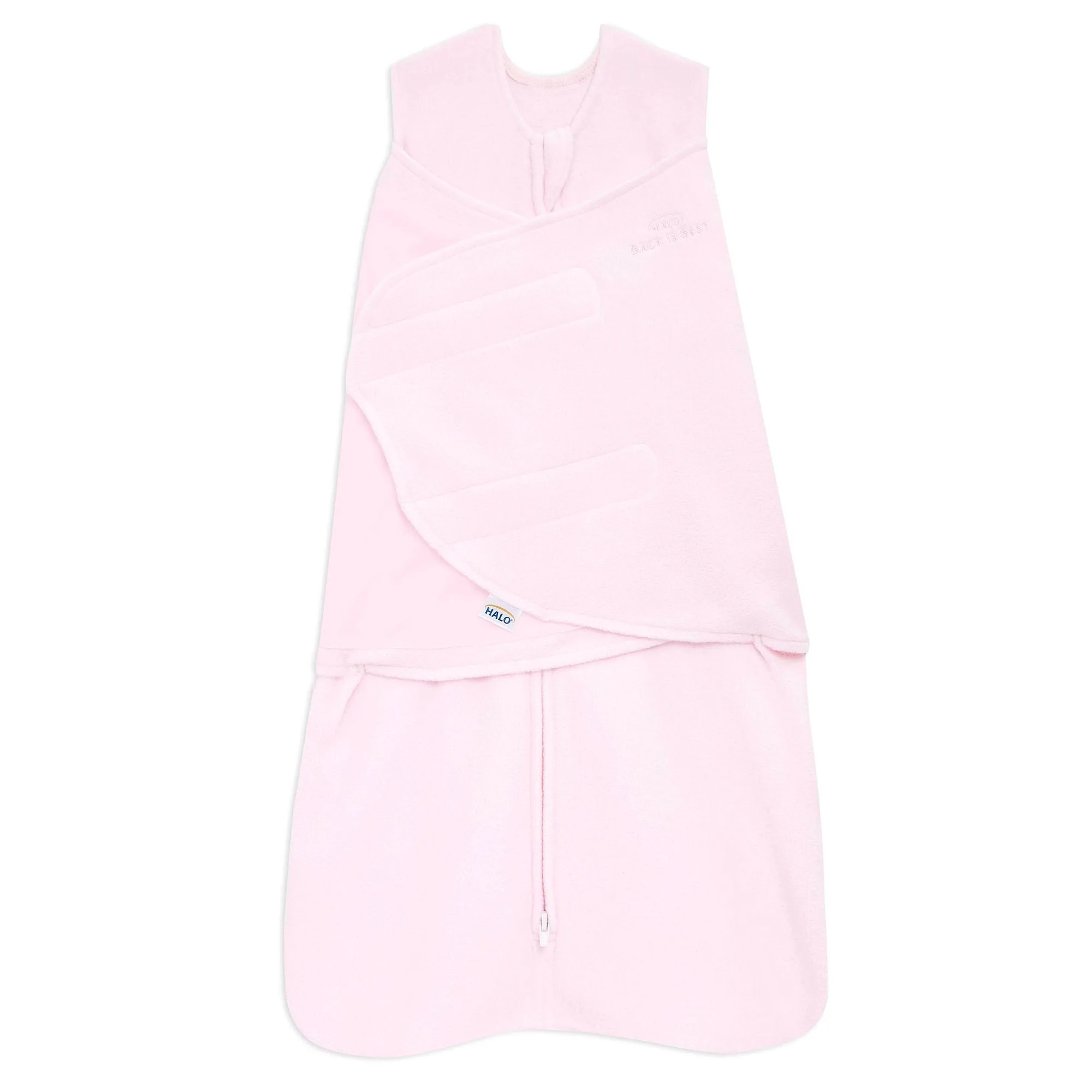
The American Academy of Pediatrics recommends a bare sleeping surface for infants: nothing but a fitted sheet. That means your essential accessory list is short. Start with a mattress protector to guard against spit-up and diaper leaks—look for one labeled for your bassinet's mattress size. Then add two or three fitted sheets so you're not doing laundry at 3 a.m. Finally, choose a swaddle or wearable blanket that matches the room temperature and your baby's sleep style. A swaddle like the HALO SleepSack Swaddle works well for newborns who still startle, while a wearable blanket like the HALO SleepSack Wearable Blanket is the next step once they begin rolling.
Accessories You Can Skip (and Why)
Bumpers, pillows, positioners, and stuffed toys are not safe for sleep and should stay out of the bassinet. Mobiles and clip-on fans can be useful for awake time, but remove them before your baby sleeps. A bassinet liner or canopy may look cute, but it can block airflow and isn't necessary for safety. If you're tempted by a 'newborn nest' or 'lounger,' remember that these are not approved for unsupervised sleep and should never be placed inside a bassinet.
BassiNest Replacement Parts: When to Buy and When to Wait
BassiNest replacement parts—like a new mattress, sheet, or storage basket—are worth buying if the original is worn, stained, or lost. But don't buy replacement parts preemptively unless you have a specific need. Bassinet models change, and a part that fits one year's version may not fit the next. Always check the model number before ordering. If you're missing a part that came with your bassinet, contact the manufacturer first; many offer free or low-cost replacements under warranty.
How to Choose Safe Bassinet Accessories
Fit is everything. A sheet that's too loose can bunch up and become a suffocation risk. A mattress protector that's too thick can create a soft spot. Before buying any accessory, measure your bassinet's mattress and compare it to the product's stated dimensions. For sleepwear, match the TOG rating to the room temperature: 0.5 TOG for warm rooms (75°F+), 1.0 TOG for 68–75°F, and 3.0 TOG for cooler rooms (below 68°F). When in doubt, choose the lighter option—overheating is a risk factor for SIDS.
Decision Rules for Bassinet Accessories
- If it's not a fitted sheet, mattress protector, or sleep sack: Leave it out of the bassinet. The safest sleep space is bare. Skip bumpers, pillows, toys, and positioners.
- If you're unsure about TOG: Choose a lower TOG (0.5 or 1.0) and adjust room temperature or your baby's clothing layers instead. Overheating is riskier than being slightly cool.
- If you need a replacement part: Verify your exact bassinet model number before ordering. Aftermarket parts often don't fit. Contact the manufacturer first—many parts are free under warranty.
- If your baby is rolling: Stop swaddling and switch to a wearable blanket immediately. Swaddling a rolling baby is unsafe.
Products That Fit This Guide
- Disney™ Winnie the Pooh Swaddle Micro-Fleece TOG 3.0: Disney Winnie the Pooh https://halosleepus.com/products/swaddle-micro-fleece-tog-3-0-80928https://halosleepus.com/products/swaddle-micro-fleece-tog-3-0-80969https://halosleepus.com/products/swaddle-micro-fleece-tog-3-0-80970https://halosleepus.com/products/swaddle-micro-fleece-tog-3-0-80971Swaddle Micro-Fleece TOG 3.0 is a 3-in-1 swaddle that accommodates arms in, arms out, and hands-to-face positions, and converts to a wearable blanket with adjustable wings. This one item can replace both a newborn swaddle and a transitional sleep sack, saving you money and drawer space.
- Wearable Blanket Micro-Fleece TOG 1.0: Wearable Blanket Micro-Fleece TOG 1.0 is the original wearable blanket for safe sleep, designed as the next step after swaddles, with a zipper for easy diaper changes and a roomy, extra-long sack that supports hip health. Once your baby shows signs of rolling, this becomes the safe alternative to a swaddle—no loose blankets needed.
- Wearable Blanket 100% Cotton TOG 0.5: Wearable Blanket 100% Cotton TOG 0.5 is made from breathable cotton and offers a lighter option for warmer rooms. If your nursery runs warm or you live in a hot climate, this lower-TOG option helps prevent overheating.
Who This Guide Is For
Best for
- Parents setting up a bassinet for a newborn and unsure what to buy
- Caregivers who want to avoid unsafe or unnecessary accessories
Not for
- Parents looking for decorative nursery items or toys
- Those seeking a full bassinet buying guide (this focuses on accessories only)