The first few months with a newborn are a blur of feeding, changing, and, ideally, sleeping. One of the most important decisions you'll make is where your baby will sleep, especially when you're away from home. Two popular options are bassinets and travel cribs, but they serve different purposes. This guide will help you understand the differences and choose the right portable sleep space for your family.
Whether you're planning a trip to grandma's house or just want a flexible sleep solution for your own home, the choice between a bassinet and a travel crib can be confusing. We'll break down the pros and cons, discuss safety considerations, and offer practical advice to help you make an informed decision.
Understanding the Basics: Bassinets vs. Travel Cribs
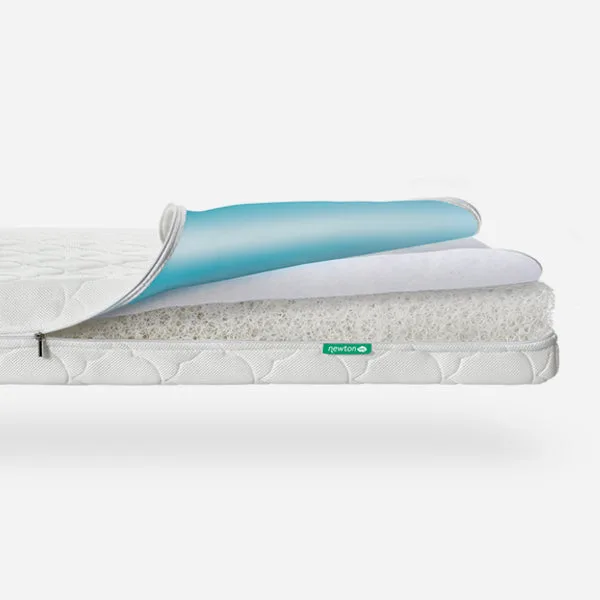
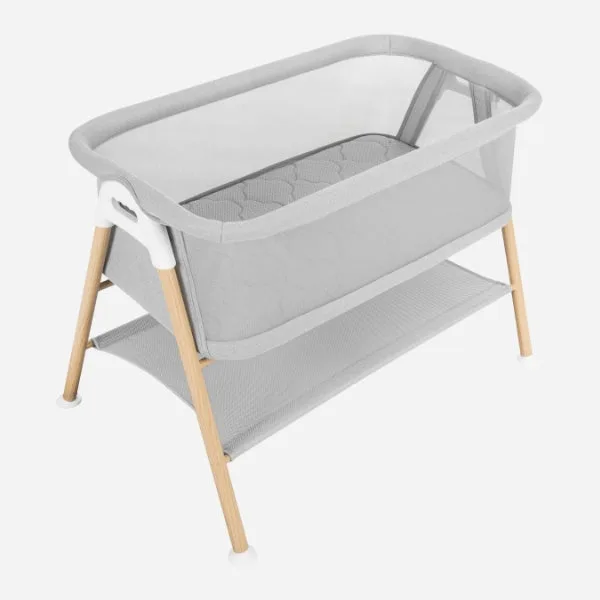
A bassinet is a small, cozy sleep space designed for newborns up to around 4-6 months. It typically has a compact footprint, making it easy to place beside your bed for nighttime feedings. Many bassinets are portable, with features like foldable legs or carrying handles, but they are generally not intended for frequent travel. For example, the Bedside Sleeper combines the convenience of a bassinet with a waterproof pad, offering a safe and comfortable spot for your baby to sleep next to you.
A travel crib, on the other hand, is a lightweight, foldable playard or crib that can be used from birth up to toddlerhood. It's designed for easy setup and takedown, making it ideal for trips and visits. Travel cribs provide a larger sleep area than bassinets, giving your baby more room to move as they grow. However, they are bulkier and may not fit as easily in small spaces or beside your bed.
- Bassinets are compact and cozy, perfect for bedside sleeping in the early months.
- Travel cribs are versatile and can be used from newborn to toddler, but they take up more space.
Portability and Convenience
When it comes to portability, both bassinets and travel cribs have their strengths. Bassinets are often lighter and easier to move from room to room, but they may not fold down as compactly as travel cribs. Some bassinets, like the Bedside Sleeper, are designed with portability in mind, but they still take up more space in a car trunk than a foldable travel crib.
Travel cribs are specifically engineered for easy transport. They fold into a carrying bag that can be slung over your shoulder, making them a great choice for plane trips or long car rides. However, they can be heavier than a bassinet, and the setup process, while usually straightforward, may take a few minutes to master. If you're looking for a sleep space that you can easily take to the park or to a relative's house, a travel crib might be the better option.
- Consider how often you'll be moving the sleep space and how much storage you have.
- Check the weight and folded dimensions to ensure it fits your travel plans.
Safety and Comfort for Newborns
Safety is paramount when choosing any sleep space for your baby. Both bassinets and travel cribs must meet current safety standards, but there are differences to consider. Bassinets have a smaller sleep surface, which can help newborns feel secure and snug, reducing the startle reflex. They also typically have a lower height, making it easier to check on your baby during the night.
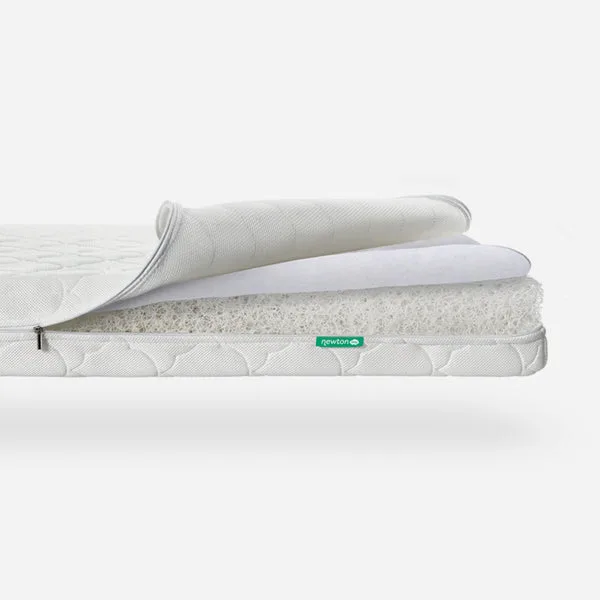
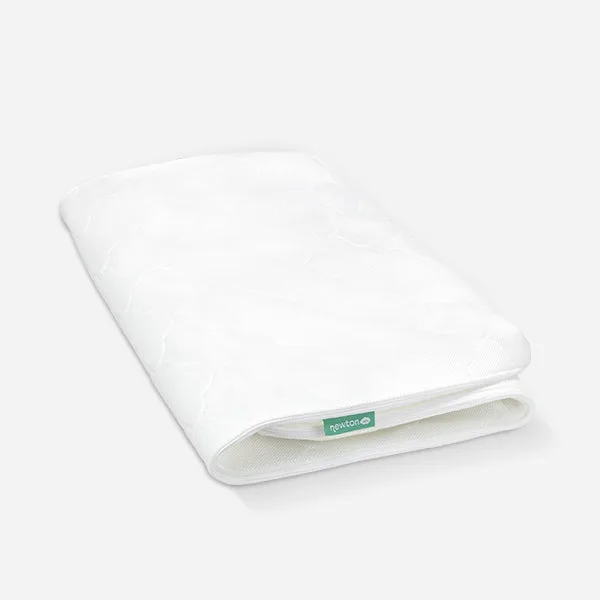
Travel cribs have a larger, flat surface that is also safe for newborns, but some babies may feel a bit lost in the extra space. To make a travel crib more cozy, you can use a fitted sheet and a swaddle, but never add loose blankets or pillows. For extra comfort and protection, consider using a high-quality waterproof mattress cover, like the Extra Waterproof Crib Mattress Cover, to keep the mattress clean and dry.
- Always use a firm, flat sleep surface with a fitted sheet.
- Avoid placing any soft objects, loose bedding, or bumpers in the sleep space.
Longevity and Value
Bassinets are typically used for only a few months, as babies quickly outgrow them. Once your baby starts rolling over or reaches the weight limit, you'll need to transition to a crib or travel crib. This means a bassinet is a short-term investment, but it can be a worthwhile one if it helps you get more sleep during the newborn phase.
Travel cribs, on the other hand, offer more long-term value. They can be used from birth up to around 3 years old, making them a versatile option that grows with your child. If you plan to travel frequently or want a sleep space that can serve multiple purposes, a travel crib is a more cost-effective choice. Some travel cribs even come with additional features, like a changing table attachment or a sunshade for outdoor use.
- Think about how long you'll use the product and whether it can adapt to your child's growth.
- If you're on a budget, a travel crib may offer better value in the long run.
How to Choose the Right Option for Your Family
The decision between a bassinet and a travel crib ultimately depends on your lifestyle and needs. If you want a dedicated sleep space for your newborn in your bedroom and plan to travel occasionally, a bassinet might be sufficient. However, if you travel frequently or want a single product that can take you from birth to toddlerhood, a travel crib is a smarter investment.
Consider your living space, your travel habits, and your baby's age. Some parents find that having both options is ideal: a bassinet for home and a travel crib for trips. If you choose a travel crib, you can enhance your newborn's comfort with a breathable mattress and a fitted sheet, such as the Breathable Organic Fitted Mini Crib Sheets, which are designed to fit travel cribs perfectly.
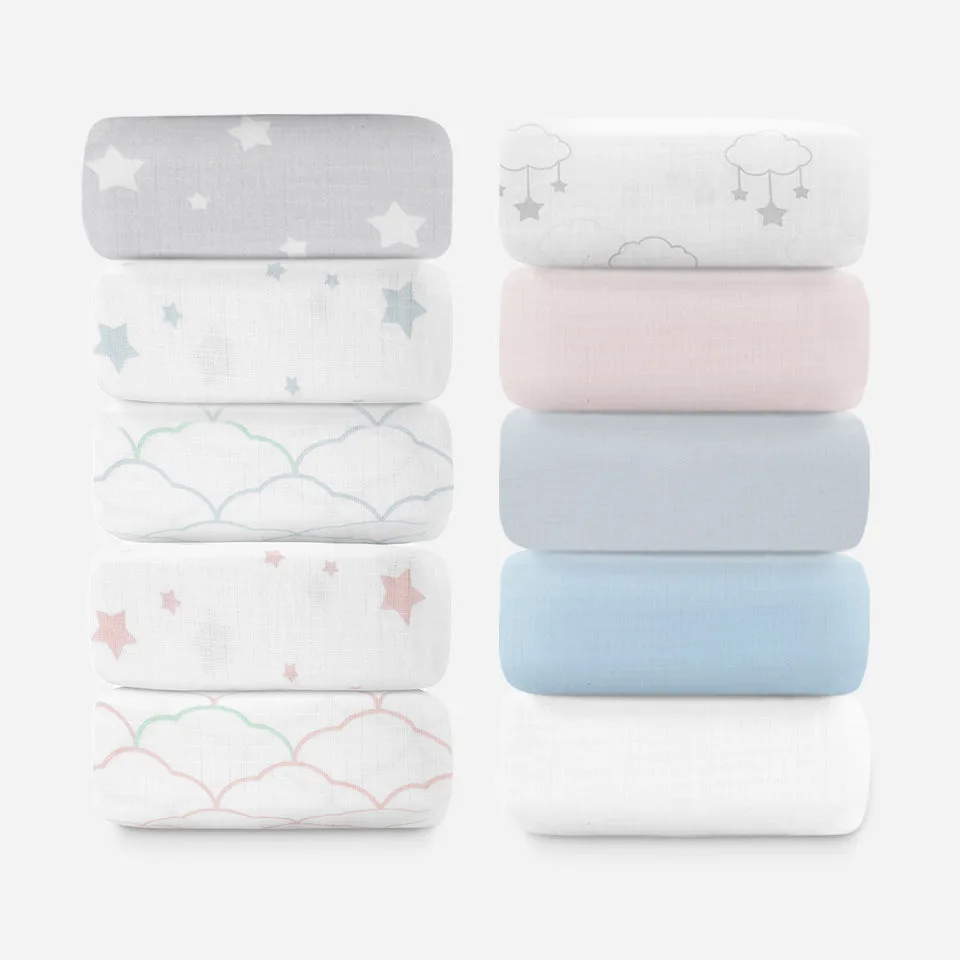
Breathable Organic Fitted Mini Crib Sheets
- Evaluate how often you'll use the product at home versus on the road.
- Look for features like easy setup, washable fabrics, and good airflow.
Choosing between a bassinet and a travel crib for your newborn doesn't have to be stressful. By weighing the pros and cons of each, considering your lifestyle, and prioritizing safety and comfort, you can find the perfect portable sleep space. Whether you opt for a cozy bassinet or a versatile travel crib, the most important thing is that your baby sleeps safely and soundly, whether at home or on the go.