Quick Answer
Bath toys and teething toys both support sensory development, but they serve different purposes. Choose teething toys for oral motor stimulation and gum relief, especially during teething phases. Choose bath toys for visual, auditory, and tactile exploration during water play. Most babies benefit from both at different times. Start with teething toys for infants under 6 months and introduce bath toys as your baby gains sitting support.
When you're shopping for baby toys, it's easy to get overwhelmed by the sheer variety. Bath toys and teething toys often land in the same cart, but they actually target different developmental milestones. Understanding these differences helps you choose the right toy for your baby's current needs — and get more value from every purchase.
Both bath toys and teething toys are sensory powerhouses. They engage sight, sound, and touch in ways that help your baby build neural connections. But the way they engage those senses — and the skills they promote — differs significantly. Let's break down the key benefits of each so you can make an informed choice.
What Bath Toys Offer for Sensory Development
Bath toys shine when it comes to multi-sensory exploration. Many are designed to engage multiple senses at once. For example, the Bitzy Driver™ includes a spinning steering wheel, a rocker switch, and a joystick — each offering a different tactile and auditory experience. The pivoting wheel and adjustable clip add a physical manipulation element that supports fine motor skills as babies grasp, turn, and interact.
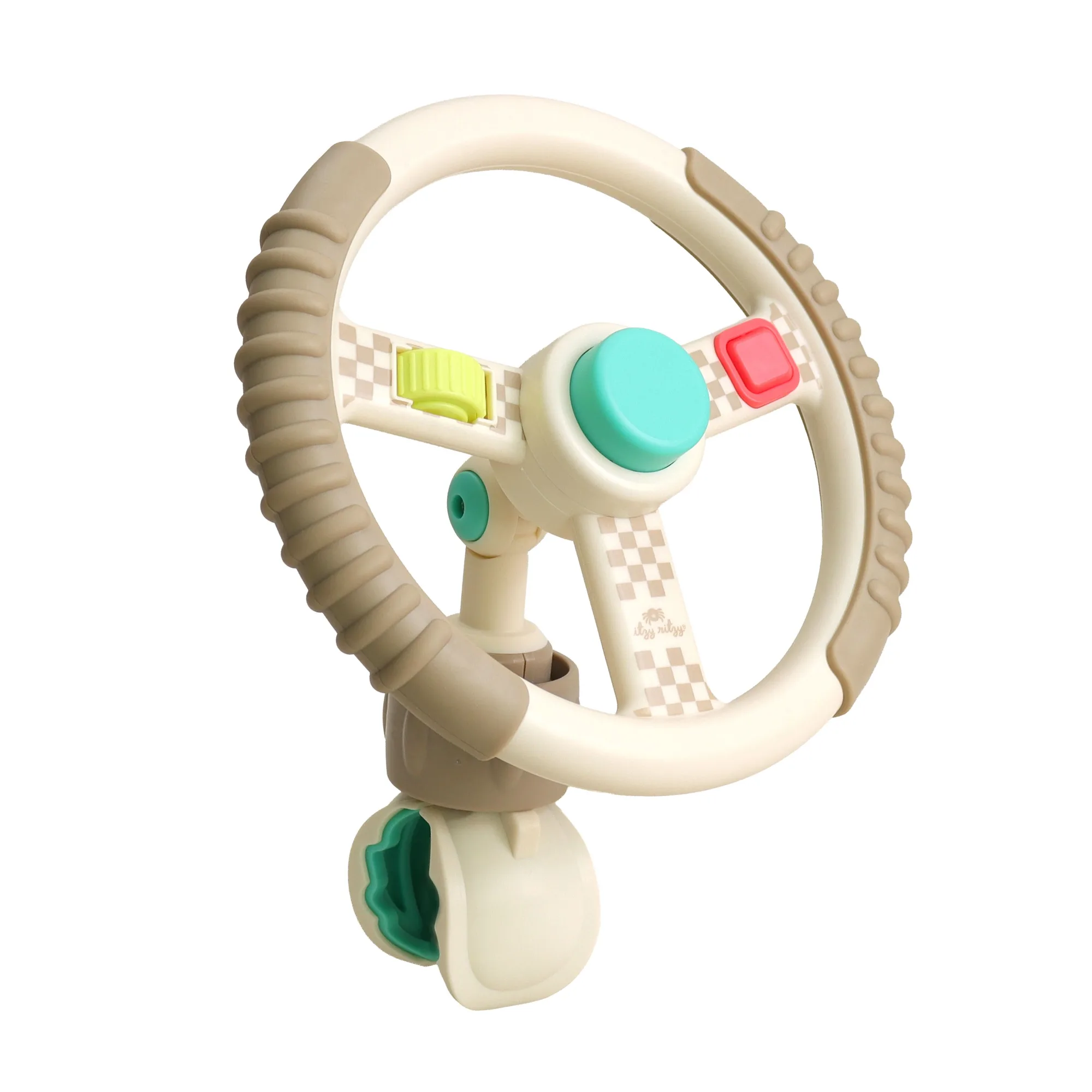
Bitzy Driver™
Bath toys also excel at extending sensory play beyond the high chair or play mat. They turn routine water time into an active learning session. A toy like the Bitzy Tunes™ Musical Piano Toy combines music, counting, and lights — offering auditory and visual stimulation that can soothe and engage. Its activity bead handle keeps little hands busy, which is great for hand-eye coordination. The key trade-off: bath toys often require more supervision and are less suited for on-the-go comfort or oral exploration.
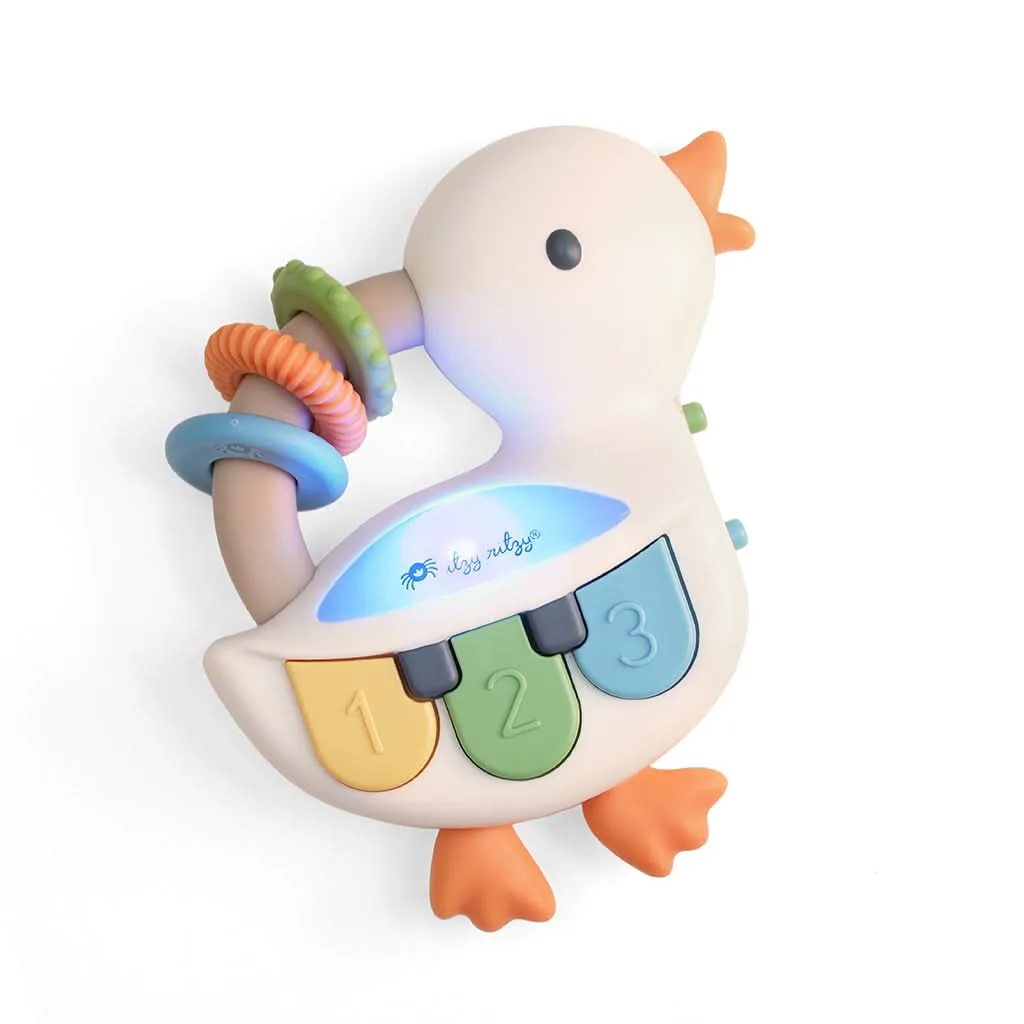
Bitzy Tunes™ Musical Piano Toy
- Look for bath toys that offer multiple textures and interactive elements to maximize sensory engagement. For water-safe play, ensure the toy is designed for that environment.
What Teething Toys Offer for Sensory Development
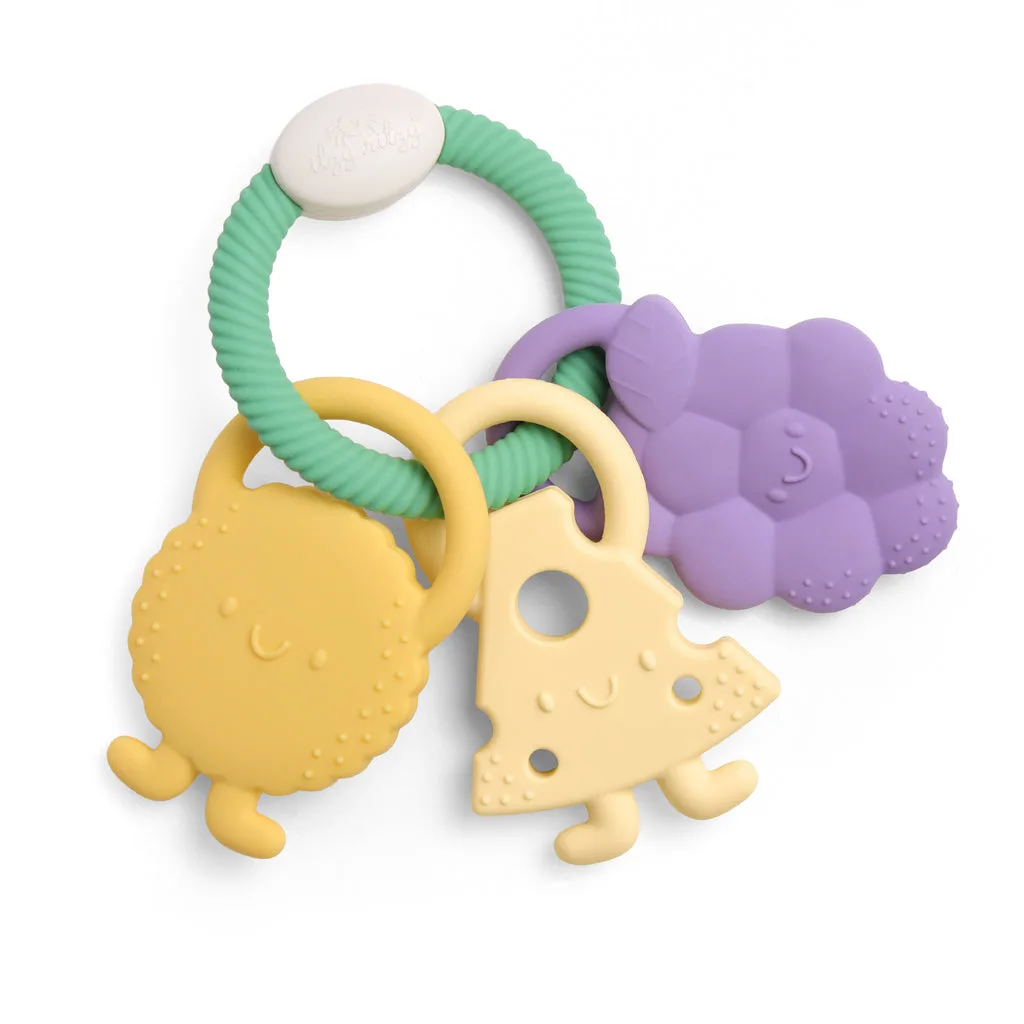
Teething toys are specialized for oral motor development. They provide safe, textured surfaces for babies to chew, which helps soothe sore gums and also introduces new sensory input through the mouth — a critical pathway for infants. The Itzy Trio™ features three charms with different textures linked on a silicone ring, making it easy for little hands to hold and maneuver. The variety in texture helps babies learn to discriminate between sensations.
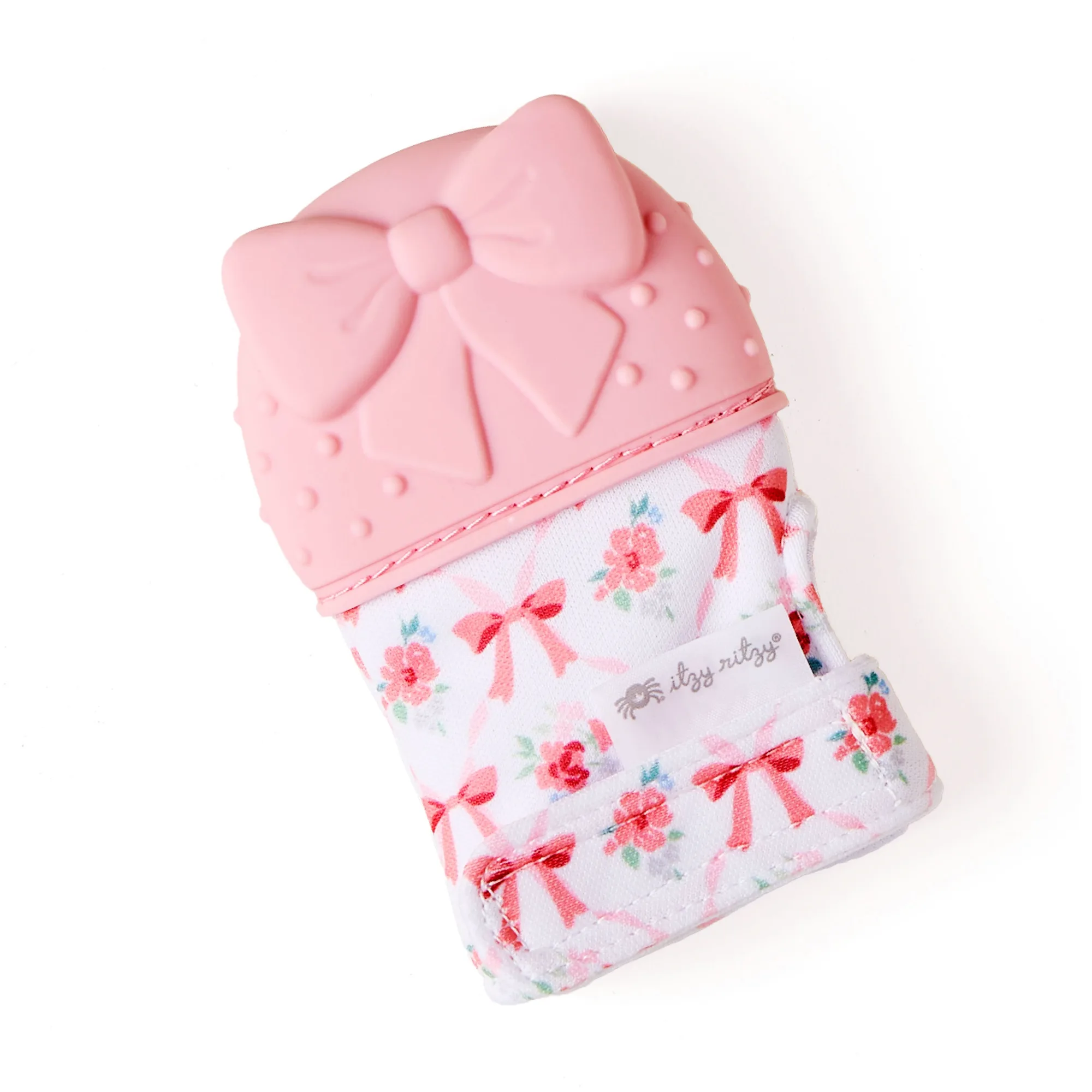
The Itzy Mitt® Teething Mittens offers a unique advantage: a glove design that stays on baby's hand. This makes it ideal for infants who can't yet grasp a traditional teether. The food-grade silicone is textured to massage gums, and the crinkle sound adds an auditory element that keeps babies occupied. The trade-off: teething toys don't offer the same visual or auditory complexity as bath toys. They are also limited to oral and tactile stimulation, missing out on the broader multi-sensory engagement that bath toys provide.
- If your baby is struggling with teething pain, look for teethers made of food-grade silicone and consider designs that are easy to grip or wear.
Trade-offs to Consider
- Oral vs. Multi-Sensory Engagement: Teething toys engage primarily the mouth and hands. Bath toys engage multiple senses at once (visual, auditory, tactile). If you want to target oral motor skills, choose teething toys. If you want broad sensory stimulation, choose bath toys. Think about which developmental area you want to support today — oral motor or general sensory exploration.
- Portability and Location: Teething toys are compact and travel-friendly — you can clip them to a car seat or stroller. Bath toys are often larger and water-specific, limiting them to bath time or supervised play. The Bitzy Driver™ is portable but designed for on-the-go and stroller use, making it a hybrid option. If you need a toy for errands or car rides, a teether or clip-on toy wins. Save bath toys for home water play.
- Developmental Stage Fit: Teething toys are best for infants who are mouthing and teething, typically 3-12 months. Bath toys with buttons and interactive features (like the Bitzy Tunes™) are better suited for babies who can sit with support and engage in purposeful play, usually 6 months and up. Match the toy complexity to your baby's current abilities to avoid frustration or safety issues.
Product Facts: Teething Toys at a Glance
- Itzy Trio™: Three charms with different textures linked on a silicone ring that's easy for little hands to hold. This design is perfect for babies who are starting to grasp objects. The multiple textures offer varied oral and tactile stimulation, supporting sensory discrimination and fine motor development.
- Itzy Mitt® Teething Mittens: Glove design keeps baby from scratching their face and is ideal for babies who can’t yet hold a teether. Made of food-grade silicone with a crinkle sound. This is a smart choice for younger infants (around 3-6 months) who are not yet coordinating their hands well. The mitten format ensures the teether stays in place, while the crinkle sound adds an auditory sensory experience.
Which Should You Choose?
Best For
- Babies who are actively teething and need gum relief, especially infants under 6 months who can't yet hold a traditional teether (choose the Itzy Mitt®).
- On-the-go soothing: teething toys like the Itzy Trio™ are compact and clip-friendly, making them ideal for car rides and stroller walks.
Not For
- Older babies (9 months+) who need more complex sensory stimulation and interactive play — bath toys like the Bitzy Tunes™ or the Bitzy Driver™ will engage them more.
- Water play: teething toys are not designed for bath time, so if you're looking for a bath-specific toy, consider a bath toy instead.
Both bath toys and teething toys are valuable additions to your baby's toy collection, but they serve different purposes. For daily sensory variety, include both: a teether for oral motor development and a bath toy for multi-sensory water play. Start with teething toys for younger infants and introduce bath toys as your baby grows. By matching the toy to your baby's current stage, you'll maximize their developmental benefits and keep playtime engaging.