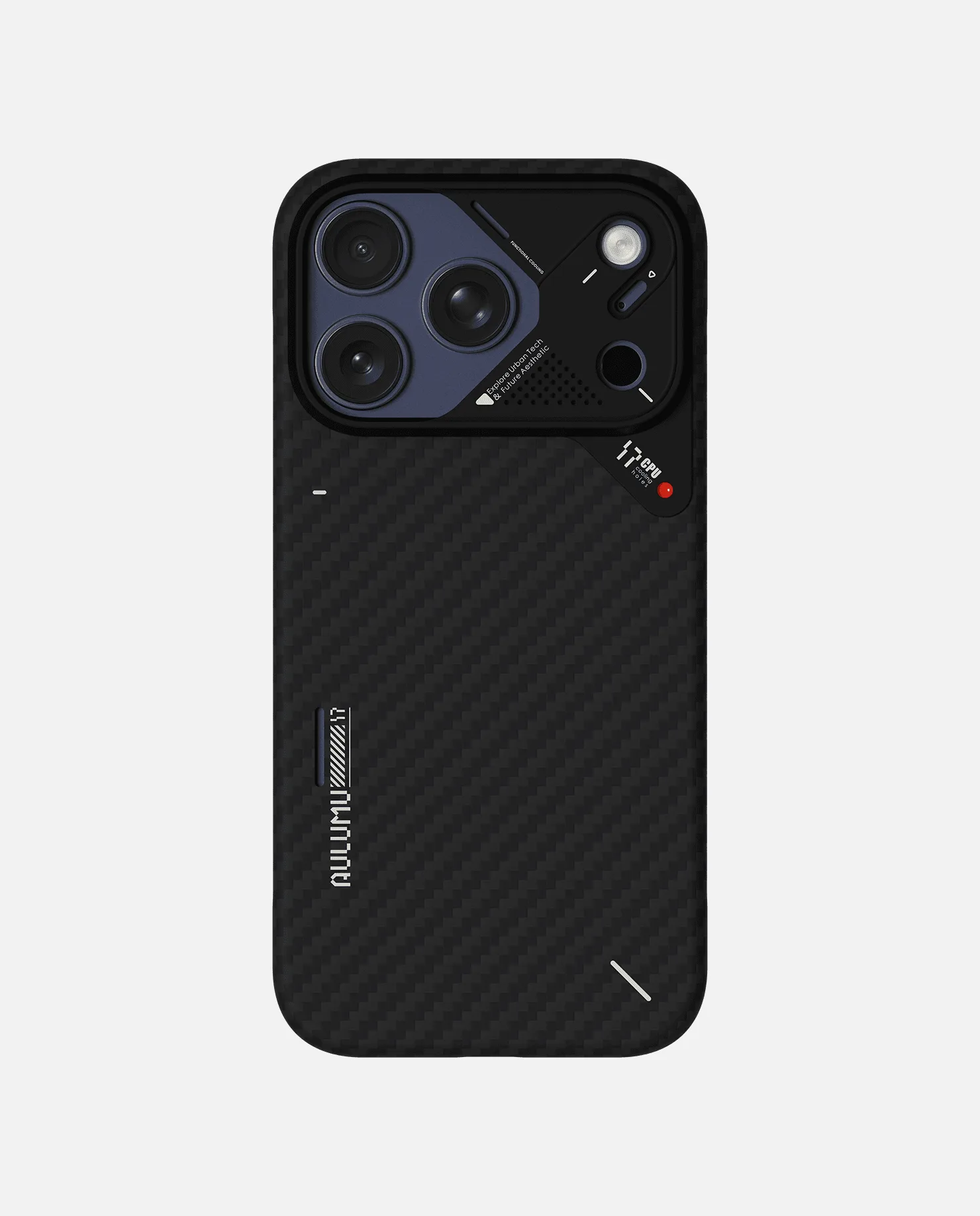
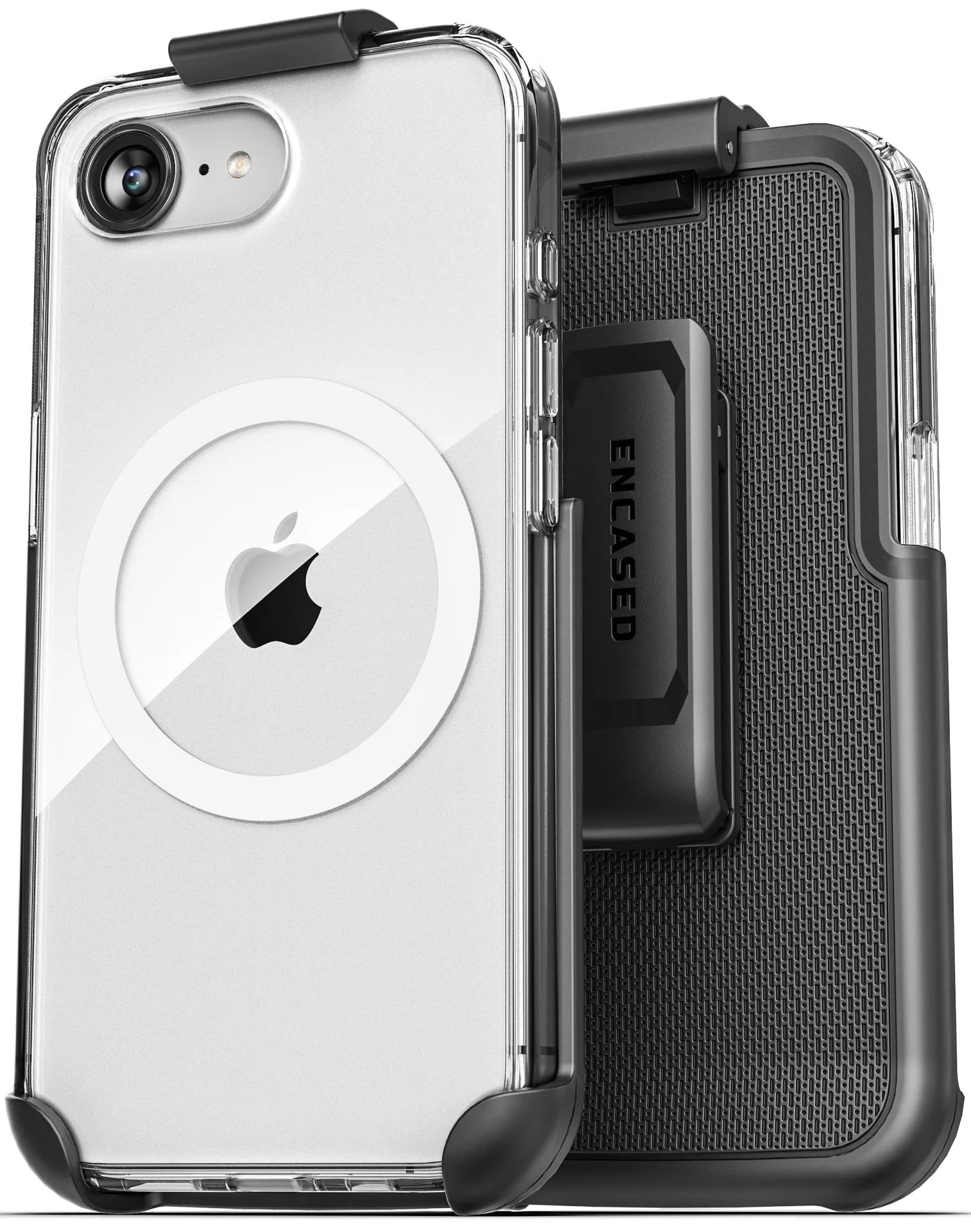
The real difference is whether you want to carry a cable
An iPhone 11 battery case and a power bank solve the same problem from opposite directions. A power bank sits in your bag until you plug in a cable; a battery case becomes part of the phone, so there is nothing separate to remember. That single difference drives most of the practical tradeoffs between the two.
The CEO Creative catalog lists one option in this category: the Black iPhone 11 Slim Power Charging Case 5000mAh. The facts below come from that record, so they describe what the catalog confirms rather than every possible battery case or power bank on the market.
Battery case vs power bank: where each one wins
- Cable-free charging: A battery case clips onto the phone, so there is no separate cable to pack. A power bank needs a cable to connect, and that cable is easy to leave behind.
- Bulk in your pocket: A case adds thickness to the phone all the time. A power bank adds weight only when you carry it, but it takes up bag space.
- Protection while charging: The catalog record for the 5000mAh charging case lists a soft cloth interior to prevent scratches, air pockets for extra protection, and LED battery indicators. A power bank does not protect the phone itself.
- Headphone and CarPlay use: The charging case record states Lightning headphones compatibility and CarPlay enablement. With a power bank, those connections depend on the power bank and cable you use, which this record does not describe.
- Charging speed: The charging case record lists fast charge input up to 1.5mah. The supplied information does not give an output rating or a full charge time, so you cannot compare speed against a power bank from this record alone.
What the 5000mAh iPhone 11 charging case record confirms
-
Black iPhone 11 Slim Power Charging Case 5000mAh: 5000mAh capacity in a slim charging case designed for iPhone 11 Capacity is the headline number when comparing against a power bank, but the record does not state how many full phone charges 5000mAh provides.
Black iPhone 11 Slim Power Charging Case 5000mAh
Black iPhone 11 Slim Power Charging Case 5000mAh
-
Black iPhone 11 Slim Power Charging Case 5000mAh: Fast charge input up to 1.5mah This is the case's input rating. The supplied information does not give an output rating, so do not assume it matches a power bank's output.
-
Black iPhone 11 Slim Power Charging Case 5000mAh: Lightning headphones compatible and CarPlay enabled These are practical advantages if you use wired Lightning headphones or CarPlay in the car.
-
Black iPhone 11 Slim Power Charging Case 5000mAh: Soft cloth interior to prevent scratches, air pockets for extra protection, and LED battery indicators These details describe protection and status checking that a separate power bank does not provide.
When the charging case is worth it for an iPhone 11
The case makes the most sense if you dislike carrying cables, want the phone protected while it charges, and use Lightning headphones or CarPlay in the car. The catalog record supports those points directly.
It also helps if you want to see battery status without opening an app, since the record lists LED battery indicators. What the record does not settle is how many charges the 5000mAh capacity delivers, how long a full recharge takes, or whether the case supports wireless charging. Those gaps matter if you are comparing on raw capacity or convenience.
When a power bank still makes more sense
A power bank is the better fit if you want to keep your iPhone 11 in its current case, if you need to charge more than one device, or if you rarely run low and do not want extra bulk every day. The catalog record for the charging case does not describe multi-device charging, so that use case is outside what the supplied facts cover.
A power bank also lets you choose capacity and output separately. The charging case record gives a 5000mAh capacity and a 1.5mah input figure, but no output rating, so you cannot use this record to judge whether it charges as fast as a particular power bank.
What to check before you choose either one
Confirm the case fits your exact iPhone 11 model and that you are comfortable with the added thickness. Check whether you rely on Lightning headphones or CarPlay, since the case record confirms both. If charging speed matters, ask for the output rating, because the supplied information lists only the input figure.
If you go with a power bank instead, check its cable, output, and capacity against your own routine. Neither choice is universally better; the right answer depends on whether cable-free convenience and built-in protection outweigh the bulk of a case.