Quick answer
Choose low loft batting (about 1/8 to 1/4 inch thick) for a flat, drapey quilt that is easy to machine quilt and works well for wall hangings, baby quilts, and modern designs. Choose high loft batting (about 1/2 inch or more) when you want a puffy, warm quilt with pronounced stitch definition, but be prepared to adjust your machine quilting approach or tie the quilt instead. If you are unsure, start with a low loft cotton or cotton-blend batting for your first few quilts.
What batting weight actually means for your quilt
Batting weight is not about how heavy the batt feels on the bolt; it is about loft, or thickness. Loft determines how much air is trapped between the quilt top and backing, which affects warmth, drape, and how the finished quilt looks. A low loft batt produces a flatter quilt that folds easily and shows quilting lines clearly. A high loft batt creates a puffy, airy quilt that feels warmer but can be bulkier to handle.
Most batting packages list loft as low, medium, or high, but you can also judge by feel: pinch the batt between your fingers. If it compresses to almost nothing, it is low loft. If it springs back with visible thickness, it is high loft. This matters because your quilting plan, thread choice, and even your machine's throat space all interact with loft.
Low loft batting: best for flat drape and easy machine quilting
Low loft batting is the most forgiving choice for machine quilting on a domestic sewing machine. Because there is less bulk to push under the needle, you can use a standard walking foot or free-motion foot without fighting the quilt. It also lets you quilt denser designs without the batting shifting or bearding through the fabric. If you are making a quilt that will be washed often, low loft dries faster and holds its shape better over time.
The trade-off is warmth. A low loft quilt is lighter and less insulating, which is ideal for summer quilts, wall hangings, and baby quilts where safety guidance often recommends thin, breathable layers. It also tends to show every stitch, so uneven quilting is more visible. If you want a modern, flat look with crisp lines, low loft is the right starting point.
High loft batting: warmth, puffiness, and quilting adjustments
High loft batting gives you that classic puffy quilt look. The extra thickness traps more air, so the quilt feels warmer and cozier. It also creates deeper shadows between quilting lines, which can make simple quilting look more dramatic. However, high loft is harder to machine quilt on a standard home machine because the bulk can distort stitches and strain your machine's motor. Many quilters tie high loft quilts instead of machine quilting them, or send them to a longarm quilter.
If you do machine quilt with high loft, use a larger needle (size 90/14 or 100/16), loosen your tension slightly, and quilt simpler, more open designs. Avoid dense patterns that compress the batting unevenly. High loft also requires more backing and binding fabric because the quilt finishes thicker than expected. Plan for extra yardage and test a small sample before committing to the whole quilt.
How to match batting loft to your project and machine
Start with the end use. Bed quilts that need warmth and a traditional look often suit medium to high loft. Crib quilts, play mats, and wall hangings usually work best with low loft for safety and ease of hanging. Lap quilts fall in between: choose low loft if you want drape, high loft if you want warmth. Then consider your machine. If you have a small throat space (under 7 inches), low loft will be much easier to manage. If you have a longarm or a large throat, you have more freedom to choose high loft.
Finally, think about your quilting plan. Dense straight-line or free-motion quilting compresses batting, so high loft may end up looking flat anyway. If you want visible puffiness, choose simpler quilting designs and a higher loft. If you want texture from thread, low loft lets the stitches stand out without fighting bulk. There is no single best batting weight; the right choice is the one that matches your project's purpose and your comfort level at the machine.
Decision rules for choosing batting loft
- If you are machine quilting on a domestic sewing machine with limited throat space: Choose low loft batting. It reduces bulk, minimizes strain on your machine, and lets you quilt denser designs without distortion. Test a small sandwich first to confirm your machine handles the thickness.
- If you want a warm, puffy quilt and plan to tie or longarm quilt: Choose high loft batting. It traps more air for warmth and creates pronounced stitch definition, but it is difficult to machine quilt on a standard home machine. Use a larger needle and looser tension if you must machine quilt high loft.
- If you are making a baby quilt or wall hanging: Choose low loft batting for breathability, safety, and easy hanging. High loft can be too bulky and may not lie flat against a wall. Low loft also dries faster after washing, which matters for items used frequently.
- If you are unsure or a beginner: Start with low loft cotton or cotton-blend batting. It is the most versatile and forgiving option for learning machine quilting. You can always try high loft on a later project once you are comfortable with the process.
Quilting cotton fabrics that pair well with batting choices
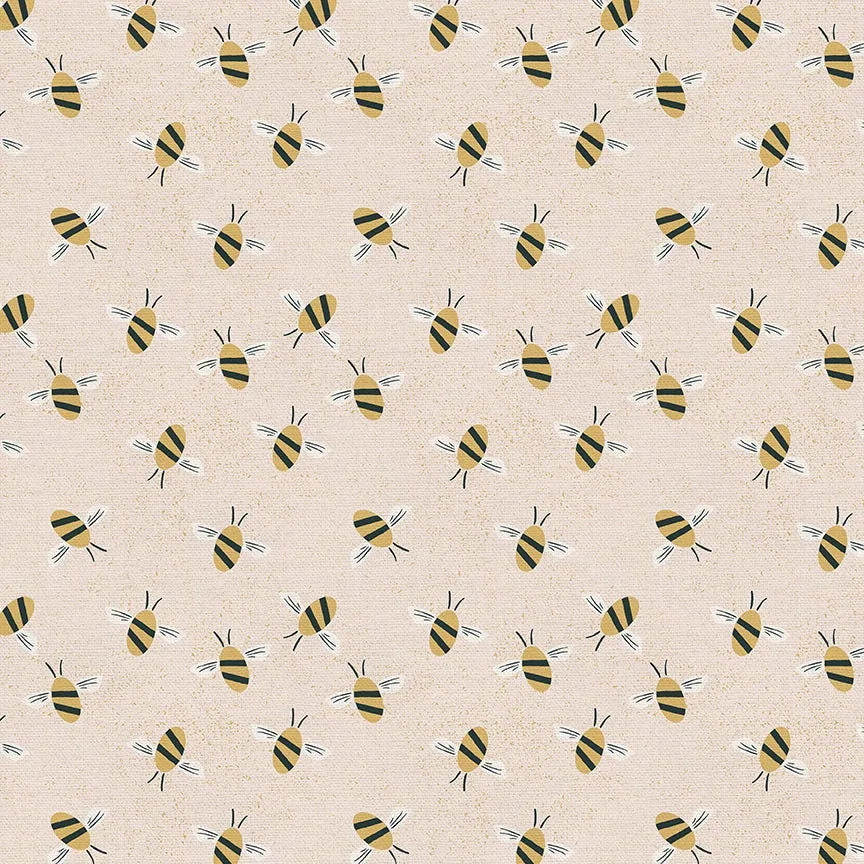
- Bees Cream from Sweet Little Friends by Gabriela Dachin for Paintbrush Studios: 100% cotton, 44/45" wide, 143GSM, 150 thread count per square inch, shrinkage 3-5%. This medium-weight quilting cotton holds its shape and works with either low or high loft batting; its slight shrinkage means your finished quilt will have a soft, vintage texture after washing.
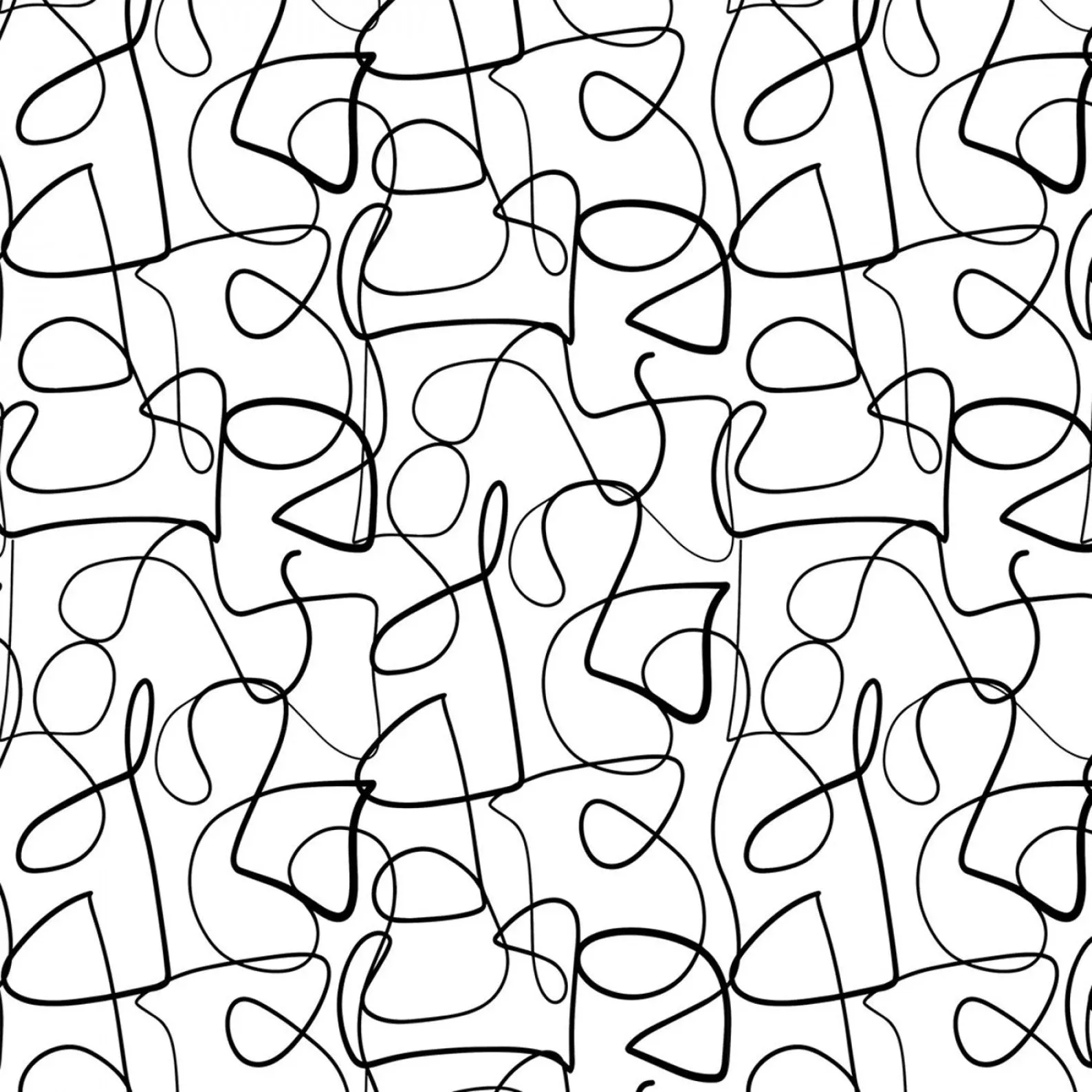
- Squiggly Lines Black from Abstract Collage by Ampersand Design Studio for Paintbrush Studio Fabric: Quilting Cotton is a lightweight fabric which tends to hold its shape even after being washed, making it perfect for quilting and crafting structured garments. Because it stays crisp, this fabric is a good match for low loft batting when you want a flat, structured quilt that shows off geometric piecing.
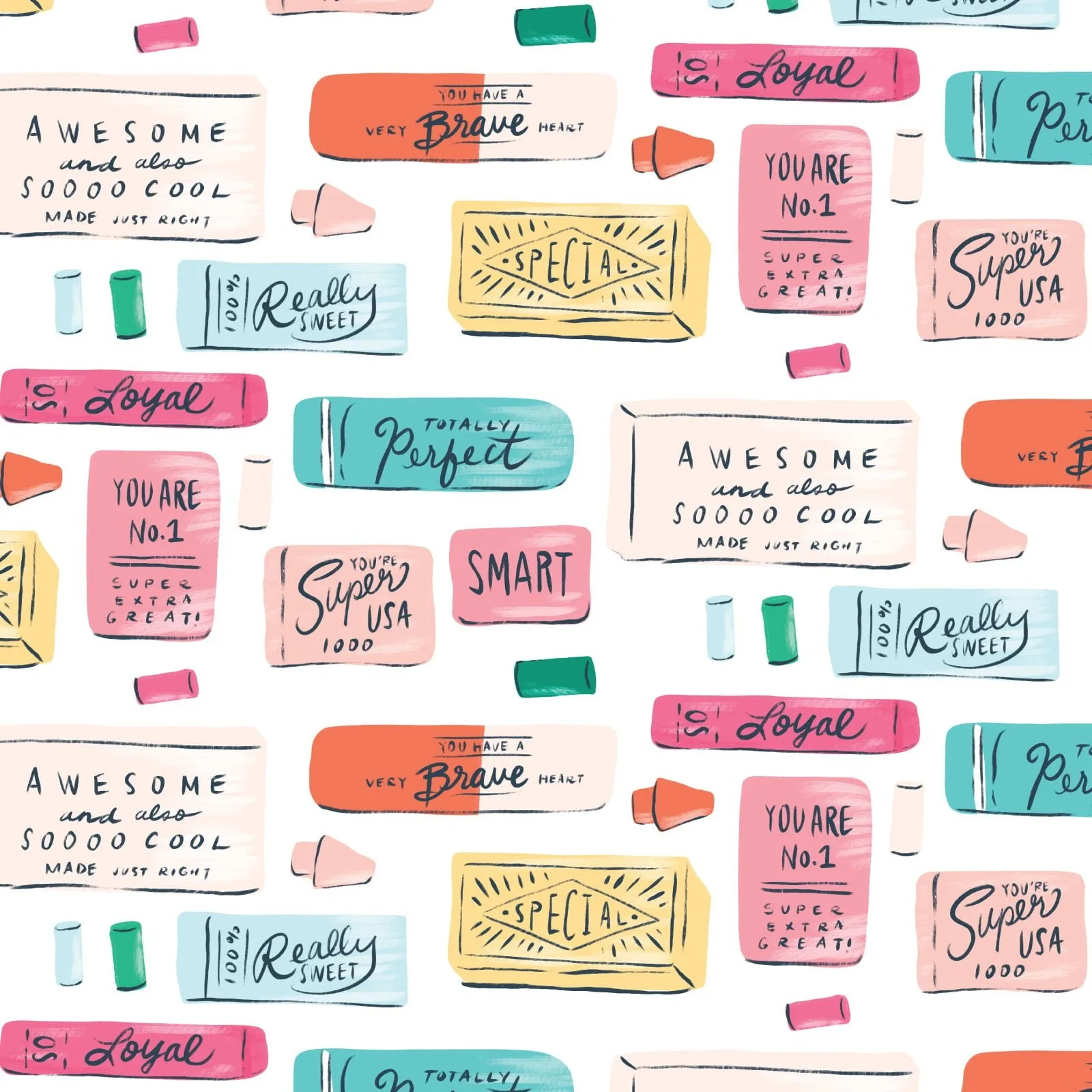
- Erase Negativity from Teacher’s Pet by Krissy Mast for Cloud9 Fabrics: OEKO-TEX Certified, 100% cotton, 44"-45" wide, machine wash cold, non-chlorine bleach, tumble dry low. The certification gives peace of mind for baby quilts, where low loft batting is often recommended for breathability and safety.
Is low loft or high loft right for you?
Best for
- Quilters using a domestic sewing machine with a small throat space
- Baby quilts, wall hangings, and modern quilts where flat drape is desired
- Projects that will be washed frequently and need to dry quickly
Not for
- Quilters who want a traditional puffy look and maximum warmth
- Projects where you plan to tie the quilt instead of machine quilt
- Those with a longarm machine who want to experiment with high loft textures