Quick answer
Choose BCAA powder if you want targeted amino acid support during or right after training, especially in a fasted state. Choose whey protein if your priority is total protein intake to build and repair muscle over several hours.
What each supplement actually delivers
BCAA (branched-chain amino acid) powders supply three key amino acids—leucine, isoleucine, and valine—that your muscles can use quickly. Whey protein provides a complete protein source, meaning it contains all essential amino acids, including BCAAs, plus additional peptides that support a longer recovery window.
A serving of Xtend Original BCAA Powder, for example, delivers 7g of BCAAs and 2.5g of L-Glutamine, with no sugar. Whey protein typically offers 20–25g of protein per scoop, which naturally includes around 5–6g of BCAAs along with other amino acids.
When timing matters
BCAAs are absorbed rapidly and can be taken before, during, or immediately after a workout without slowing digestion. This makes them a practical choice for intra-workout hydration and recovery, especially if you train fasted or prefer a lighter option during exercise.
Whey protein is best consumed post-workout or as a meal replacement. Its slower digestion provides a steady release of amino acids, supporting muscle protein synthesis for several hours after training.
The trade-off: speed vs. completeness
The main trade-off is between speed of delivery and completeness of nutrition. BCAA powder gives you rapid, direct amino acid availability but lacks the full spectrum of essential amino acids and the overall protein dose that whey provides. Whey protein offers a more complete recovery package but may feel heavier if taken during a workout.
If your diet already covers your total protein needs, adding BCAA powder can be a convenient way to support recovery without extra calories or sugar. If you struggle to meet your daily protein target, whey is the more effective choice.
BCAA vs. whey: the trade-offs at a glance
- Protein completeness: Whey provides a full amino acid profile; BCAA powder supplies only three branched-chain amino acids. If total protein intake is your goal, whey wins.
- Speed of absorption: BCAAs are absorbed quickly and can be used during exercise. Whey digests more slowly, offering sustained recovery. For fasted training or intra-workout support, BCAA powder is more practical.
- Calorie and sugar content: BCAA powders like Xtend Original are typically sugar-free and low-calorie. Whey protein contains more calories per serving and may include added sugars depending on the flavor. If you're watching calories or sugar, BCAA powder fits better.
- Cost per serving: Whey protein generally costs less per gram of protein. BCAA powders are more expensive per gram of amino acids. For budget-conscious protein supplementation, whey is more economical.
Product facts
-
Xtend Original BCAA Powder 7g BCAA and 2.5g L-Glutamine, Sugar Free Post Workout Muscle Recovery Drink with Amino Acids for Men & Women, 90 Servings: Xtend Original BCAA Powder delivers 7g of BCAAs and 2.5g of L-Glutamine per serving, formulated as a sugar-free post workout muscle recovery drink. This gives you a concentrated dose of the three key BCAAs plus glutamine for muscle recovery, with zero sugar—ideal if you want amino acid support without extra calories or carbs.
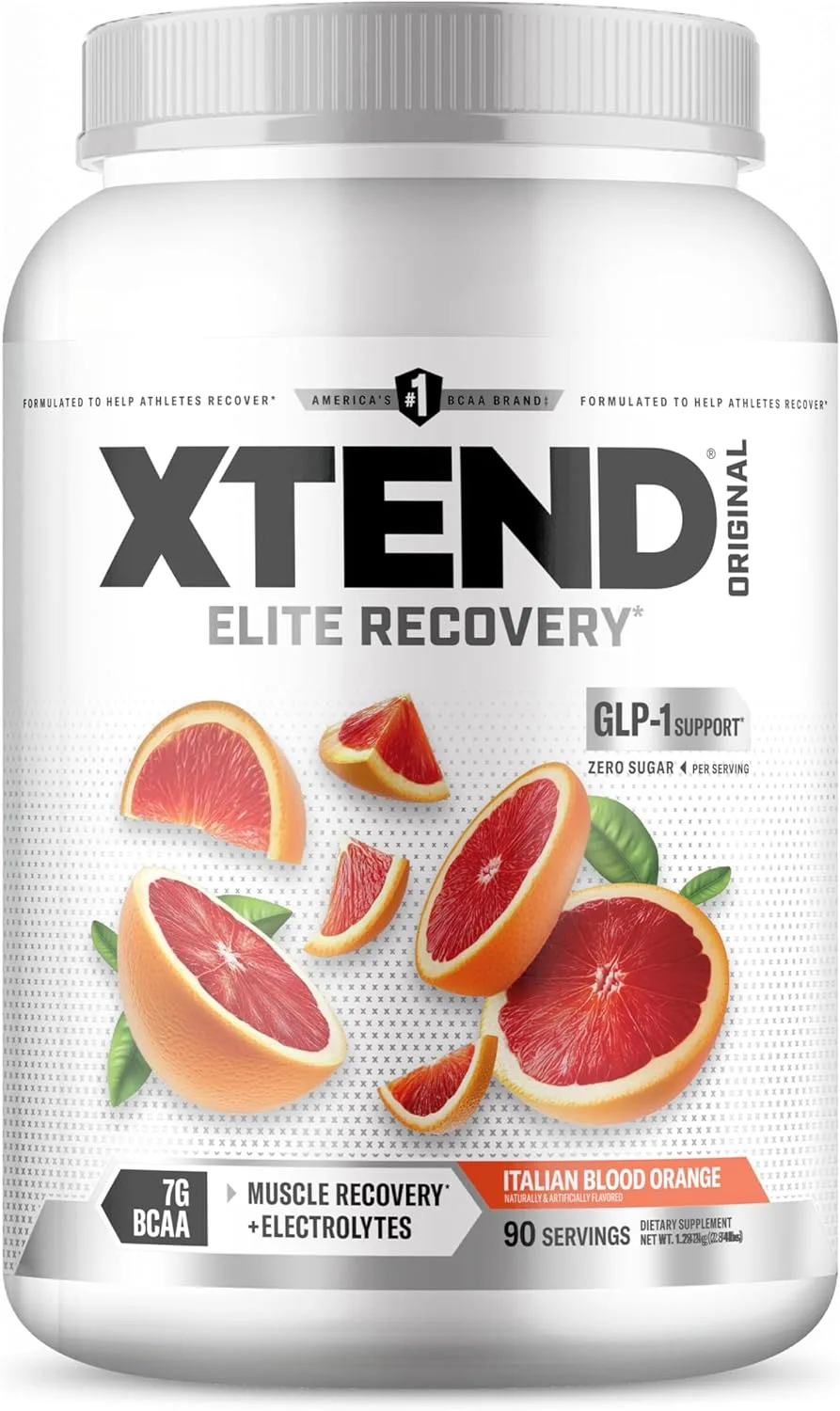
Xtend Original BCAA Powder 7g BCAA and 2.5g L-Glutamine, Sugar Free Post Workout Muscle Recovery Drink with Amino Acids for Men & Women, 90 Servings
Which one fits your routine?
Best for
- Athletes who train fasted and want intra-workout amino acid support
- People who already meet their daily protein needs but want extra recovery help without extra calories
- Those who prefer a sugar-free, low-calorie drink during or after exercise
Not ideal for
- Anyone who needs to increase total daily protein intake—whey is more effective
- Post-workout recovery when you haven't eaten protein in several hours—choose whey for completeness