Quick Answer
If you train fasted or want a refreshing intra-workout drink with added electrolytes, a BCAA powder like Xtend Original is a practical choice. If your diet is low in protein or you want complete support for muscle protein synthesis, EAAs are the more complete option.
Why the BCAA vs EAA debate matters for recovery
Both BCAA and EAA supplements deliver amino acids that play a role in muscle recovery, but they are not interchangeable. BCAAs (branched-chain amino acids) include three of the nine essential amino acids: leucine, isoleucine, and valine. EAAs (essential amino acids) include all nine, which means they provide a more complete profile for muscle protein synthesis.
Your training style, diet, and timing preferences determine which one fits better. For example, if you already eat enough protein throughout the day, your body likely has the other essential amino acids it needs, and a targeted BCAA drink can be enough to support recovery. If you train in a fasted state or follow a lower-protein diet, EAAs may offer more complete support.
This comparison focuses on practical trade-offs so you can decide based on your own routine, not on marketing claims.
What the research and labels actually tell you
Amino acid supplements are not all created equal. The key difference is the presence of all nine essential amino acids. EAAs include histidine, isoleucine, leucine, lysine, methionine, phenylalanine, threonine, tryptophan, and valine. BCAAs only include three of those nine.
Leucine is the most important for triggering muscle protein synthesis, but the other EAAs provide the building blocks needed to actually build new muscle protein. If you get enough protein from food, your body can supply the missing EAAs, so a BCAA-only supplement may be sufficient. If not, an EAA product gives you a more complete package.
When comparing products, check the label for the exact amounts of each amino acid, not just the total. Some BCAA powders are dosed to deliver a meaningful amount of leucine, while others may be lower. Also consider whether the product includes extras like electrolytes or glutamine, which can support hydration and recovery during and after exercise.
BCAA vs EAA: The Trade-Offs
- Completeness: EAAs contain all nine essential amino acids, while BCAAs only contain three. If your diet is low in protein, EAAs offer more complete support for muscle protein synthesis. Check your daily protein intake before choosing.
- Convenience and taste: BCAA powders often come in refreshing flavors and can be sipped during a workout. Xtend Original BCAA Powder, for example, is sugar-free and includes electrolytes, making it easy to drink while training. EAA powders may have a more bitter taste due to the additional amino acids. If you want a tasty intra-workout drink, a BCAA powder may be more enjoyable.
- Cost and value: Because BCAAs contain fewer amino acids, they are often less expensive per serving than EAAs. If you already get enough protein from food, BCAAs can be a budget-friendly way to support recovery without paying for amino acids you already have. Compare cost per serving to see which fits your budget.
Product Facts
-
Xtend Original BCAA Powder, 7g BCAAs and 2.5g L-Glutamine for Muscle Recovery Hydration and Lean Muscle, Sugar Free Intra and Post Workout Drink with Electrolytes, Glacial Grape, 30 Servings: Xtend Original BCAA Powder provides 7g of BCAAs and 2.5g of L-Glutamine per serving, with electrolytes and no sugar. This makes it a convenient intra-workout drink that supports hydration and recovery, especially if you already get enough protein from food.
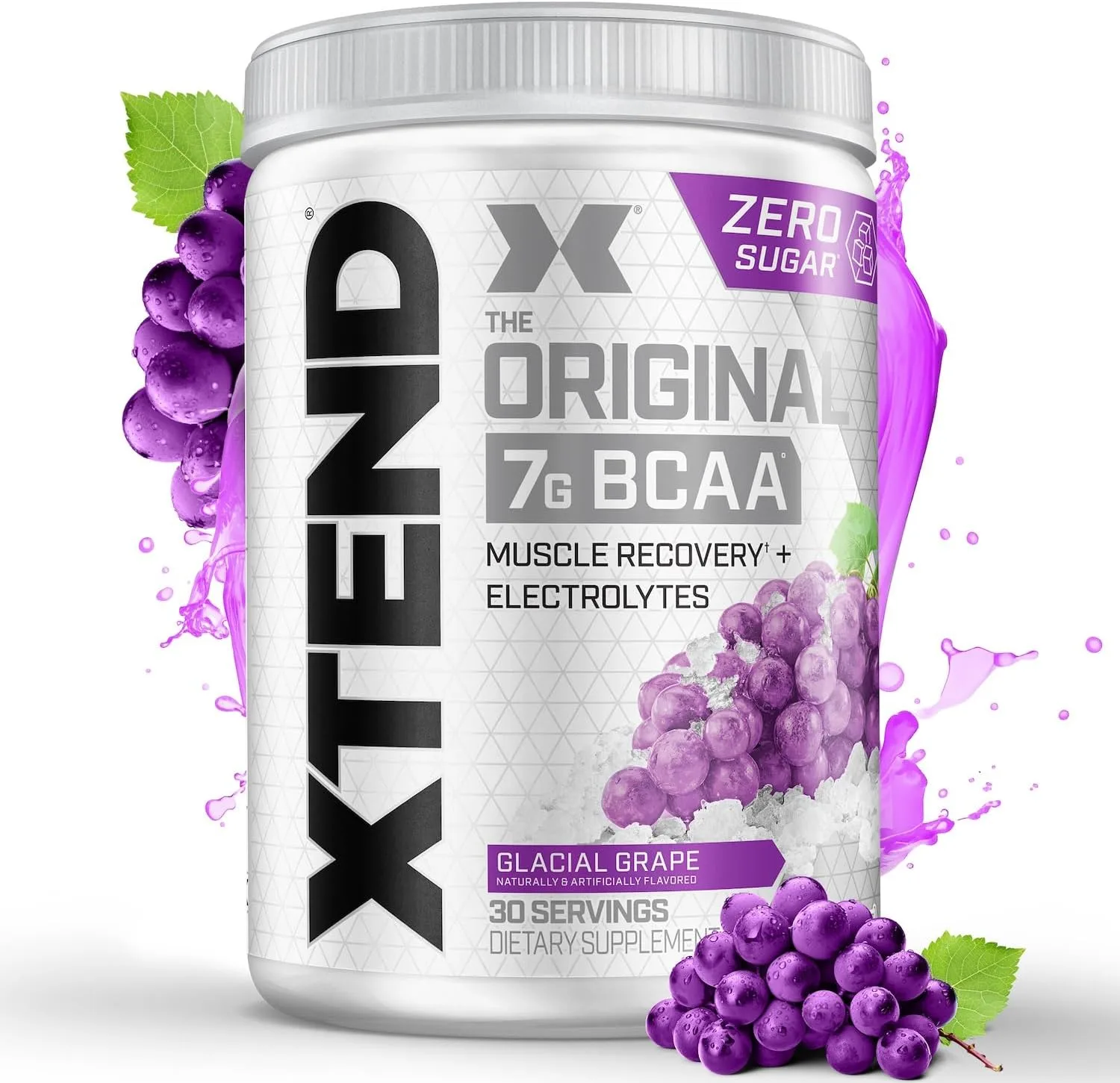
Xtend Original BCAA Powder, 7g BCAAs and 2.5g L-Glutamine for Muscle Recovery Hydration and Lean Muscle, Sugar Free Intra and Post Workout Drink with Electrolytes, Glacial Grape, 30 Servings
Which Should You Choose?
Best for
- Athletes who train fasted or want a refreshing intra-workout drink with electrolytes, like Xtend Original BCAA Powder
- People who already meet their daily protein needs and want targeted support for recovery and hydration
Not for
- Individuals with low dietary protein intake who need complete essential amino acid support
- Those looking for a single supplement to cover all their amino acid needs without relying on food