Quick answer
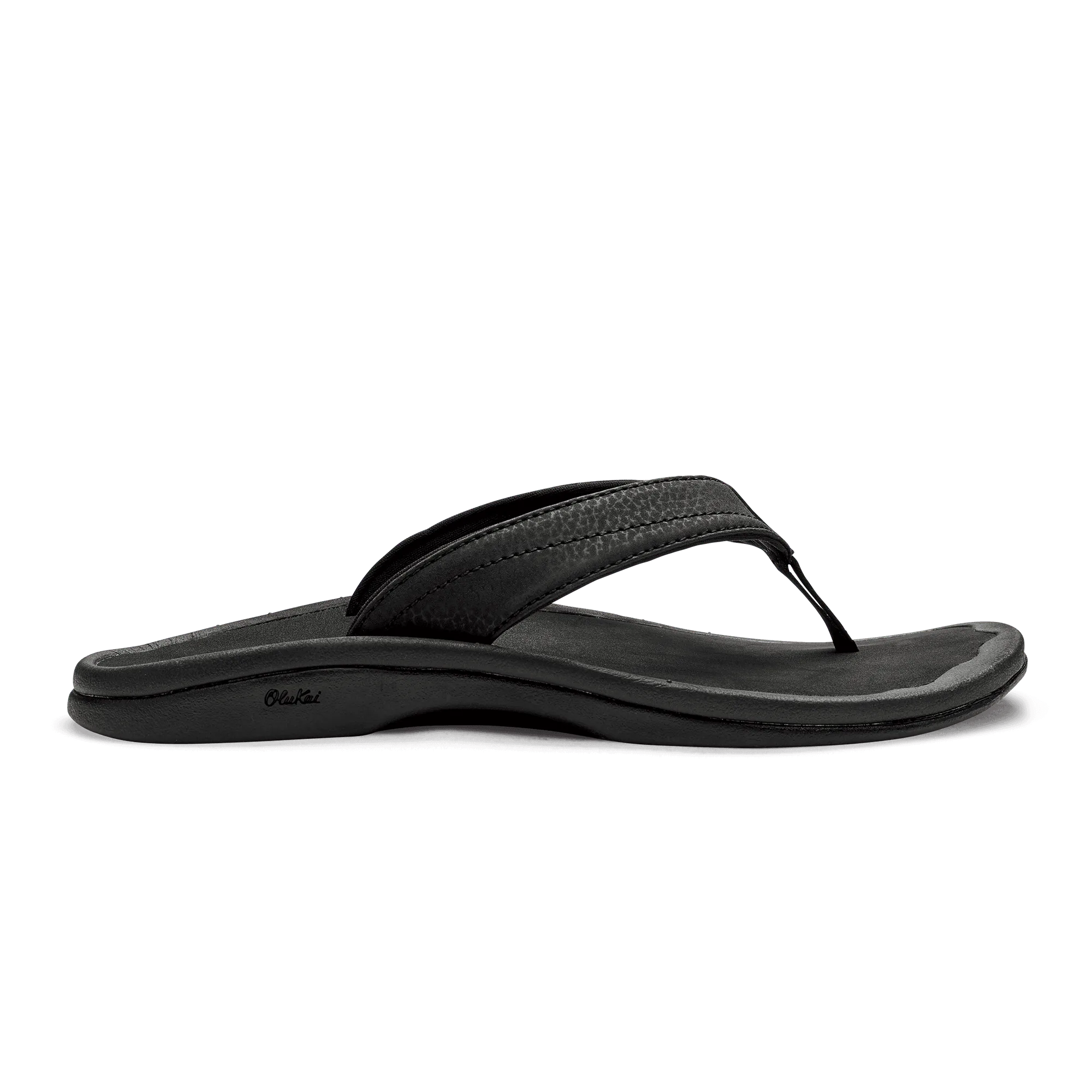
Pack water-friendly sandals if your trip is mostly sand, boardwalks, and casual meals. Choose water-ready sneakers if you plan to hike coastal trails or cover long distances. If you have room, bring one of each: sandals for water days and sneakers for land days. For many travelers, the ‘Ohana sandal and the makiki-mens-athletic-shoes-black-c847e9bc34613050ce7b0a97-2940610">Makiki sneaker cover both needs without overpacking.
How drying time and terrain change the decision
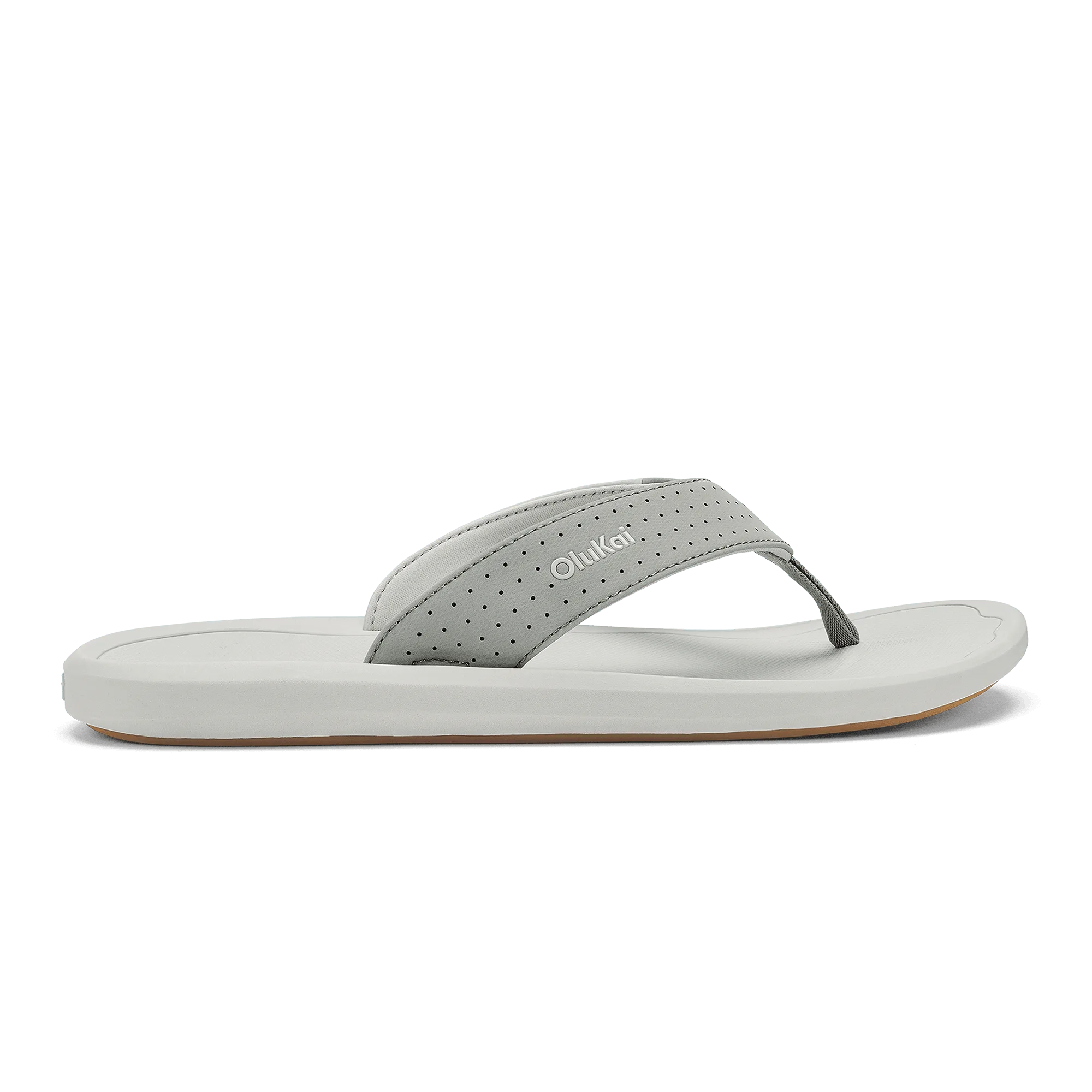
Sandals like the ‘Ohana and Ulele are built with water-resistant or quick-dry materials, so they handle splashes and wet sand without staying soggy. They slip on and off easily, which matters when you are moving between the beach and a car or cafe. Sneakers like the Makiki and Nohea Moku offer more coverage and traction for trails, uneven rocks, or long walks, but they take longer to dry if they get soaked. If your days mix beach time with hiking, you will either need a shoe that dries fast or a plan to keep your sneakers dry.
Packing strategy: one pair or two?
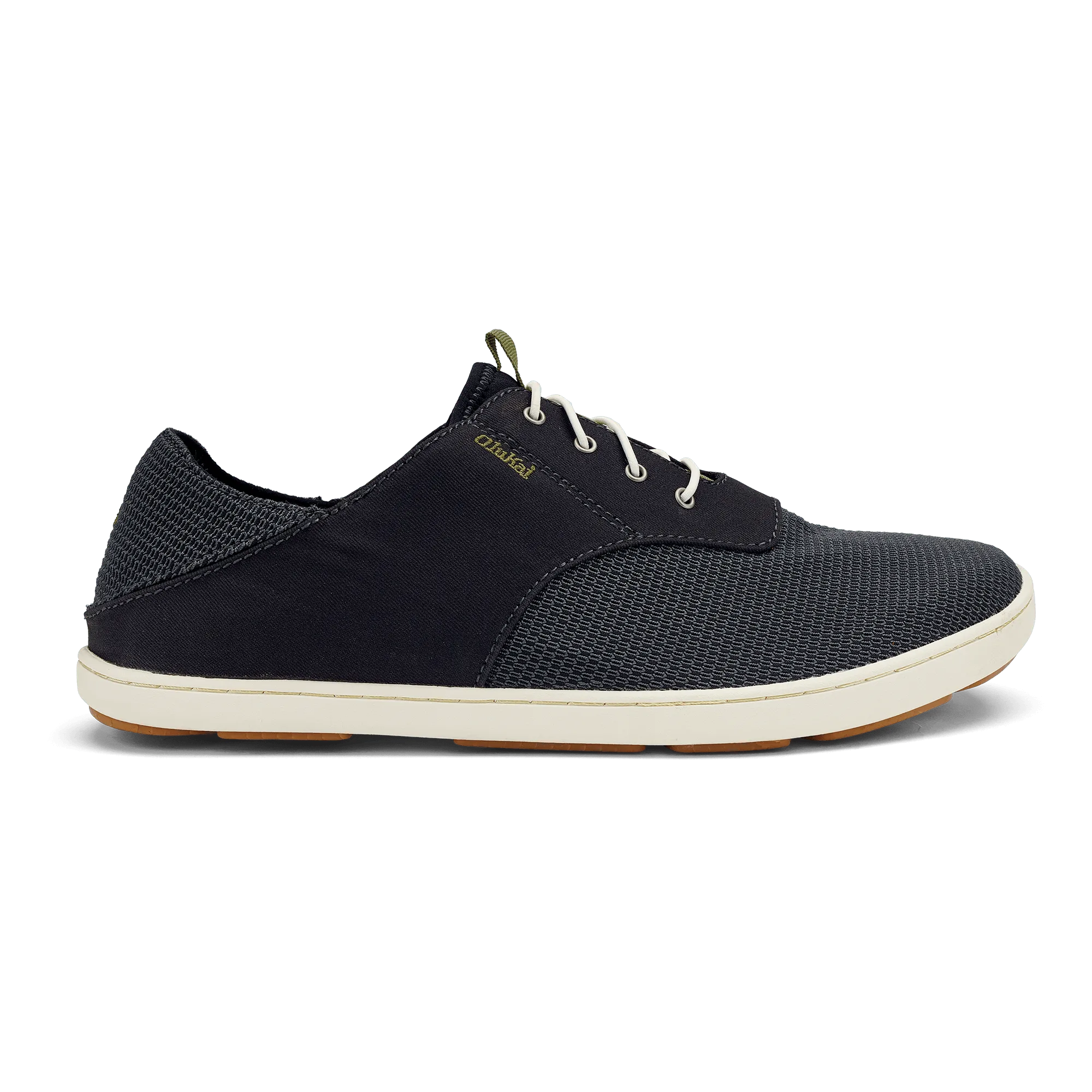
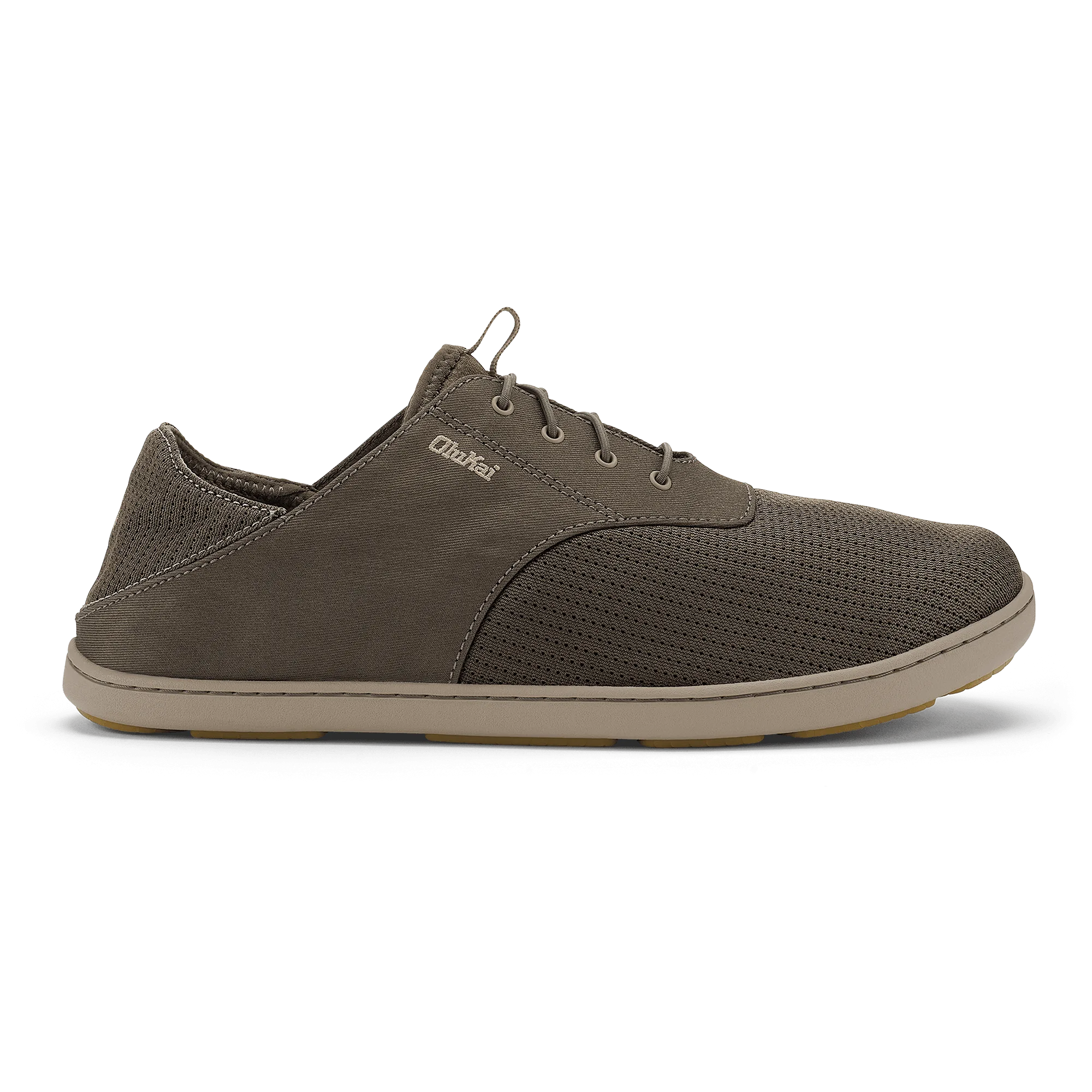
If you are flying carry-on only, start with the activity you will do most. A resort trip with occasional walks calls for sandals as your primary pair. A trip with coastal hikes or city walking calls for sneakers as your primary pair. When you can bring two pairs, pack sandals for water and sneakers for land. That split keeps your sneakers dry for trails and gives your feet a break from closed shoes. The Nohea Moku works as a crossover because it has no-tie laces and a stretch bootie for barefoot wear, so it handles light water contact better than a standard sneaker, though it is still not a dedicated water shoe.
Fit and sizing checks before you go
Fit matters more than category when you are walking on sand or trails. Sandals should hold your foot without your toes gripping; if your foot slides forward, size down or choose a different style. Sneakers should leave about a thumb's width at the toe and lock your heel without pinching. Because these products list Color and Size options, check the size chart for each model rather than assuming your usual size carries over. If you are between sizes, sandals are more forgiving than closed sneakers, especially when your feet swell in heat.
Trade-offs to weigh
- Drying speed vs. protection: Sandals like the ‘Ohana and Ulele dry quickly and let your feet breathe, but they leave your toes exposed and offer less support on rough trails. Sneakers like the Makiki protect your feet and grip better on uneven ground, but they hold water longer and are heavier when wet. Choose sandals for wet, casual days; choose sneakers for dry, active days.
- Packability vs. versatility: Sandals take less space and work for beach, pool, and casual dinners. Sneakers take more room but let you hike, walk long distances, and handle cooler evenings. The Nohea Moku sits in between with no-tie laces and a stretch bootie for barefoot wear, but it is still a shoe, not a sandal. If you only bring one pair, match it to your most active planned day.
- Grip on wet surfaces: The ‘Ohana has a non-marking rubber outsole for enhanced grip. The Makiki has trail-ready traction for dirt and rock. Neither is a substitute for a dedicated technical water shoe, but both handle their intended environments well. Check the outsole description against the surfaces you will actually walk on.
Product facts
- ‘Ohana: Crafted with water-resistant materials and featuring a non-marking rubber outsole for enhanced grip. Water-resistant materials dry faster after beach use, and the non-marking outsole is safer on boat decks and smooth floors.
- Makiki: Featuring a lightweight, breathable upper and responsive cushioning, with trail-ready traction and a streamlined silhouette. This makes the Makiki a better choice for coastal trails and long walks than a sandal, though it is not designed to stay wet.
- Nohea Moku - Canteen / Canteen: No-tie laces and stretch bootie construction for barefoot wear, designed for both land and water. This gives you a quick-on option that handles light water contact and casual wear, bridging the gap between sandals and sneakers.
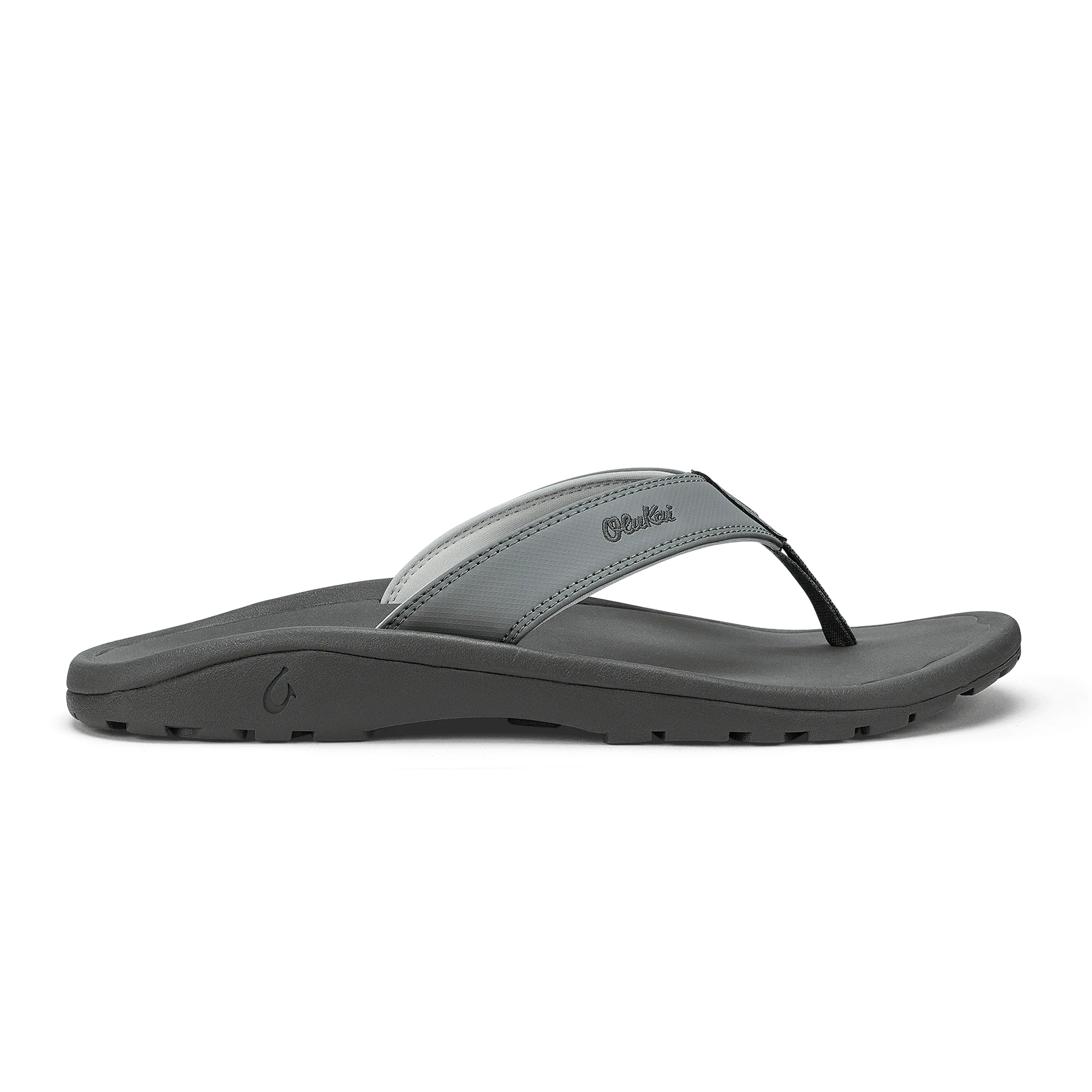
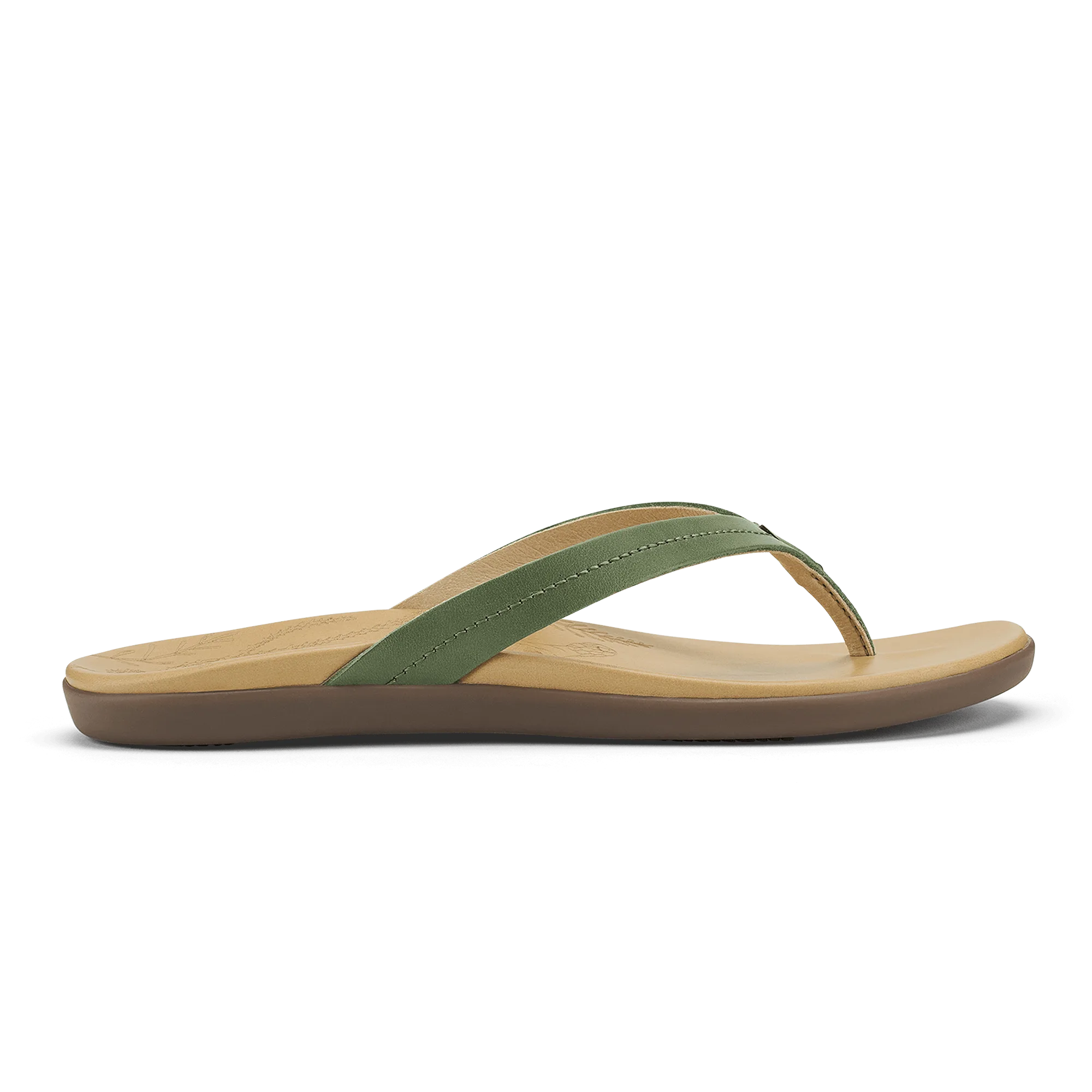
- Ulele - Ash / Ash: Soft, water-ready strap with a quick-dry upper and a contoured, supportive footbed. Quick-dry straps and a supportive footbed reduce the chance of blisters when you wear them from the beach to town.
Which should you pack?
Best for
- Travelers whose trip centers on sand, pools, and casual walking
- Anyone who wants quick-dry footwear that slips on and off easily
- Warm-weather trips where breathability matters more than coverage
Not for
- Coastal hikes or long city walks where you need closed-toe protection
- Cold or rainy destinations where wet feet would stay wet for hours
- Anyone who needs one pair to handle both technical trails and deep water