Quick answer
Sort each bead mix into shallow trays by color and size before it ever goes into storage, then move the sorted beads into labeled tubes or small containers. Keep one working tray out and store the rest closed and upright so 11/0 seed beads stay visible, separated, and easy to grab for 13 and 18 mesh needlepoint.
Start with a dedicated sorting surface
Bead mixes arrive as a blend, and the fastest way to lose beads is to open a tube over a carpet or a cluttered table. Work on a rimmed tray or a shallow baking sheet with a light-colored liner so stray beads stay contained and contrast against the surface. A white or cream liner makes dark seed beads obvious and keeps you from chasing them across the room.
Sort by color family first, then by size
Color sorting is faster than size sorting, so do it first. Pull the mix into broad families — warm, cool, neutral, metallic — then check size within each family. Most mixes sold for needlepoint use 11/0 seed beads, which work on 13 and 18 mesh, so if a mix contains a noticeably larger or smaller bead, set it aside rather than blending it back in. That one habit prevents uneven stitching later.
Choose containers that match how you stitch
Tube storage suits stitchers who work from a single project bag and want beads to pour cleanly. Small screw-top jars or compartment boxes suit stitchers who keep a palette of colors out at once. Whichever you choose, pick containers with a wide enough mouth to pour beads back in without a funnel, and avoid bags that let beads migrate into seams. Clear containers win because you can confirm color and quantity without opening them.
Label before you store, not after
Write the color name, size, and source mix on the label while the beads are still in front of you. Once a tube is closed and shelved, a mix of similar reds is nearly impossible to tell apart. A strip of masking tape or a small sticker on the cap works; keep the label on the lid so it stays readable when the tube stands upright.
Keep a working tray and a reserve stash separate
Decant only what you expect to use for the current project into a small working tray, and keep the rest sealed in reserve. This limits spills and keeps the bulk of your seed bead organization untouched if a tray tips over. When the project ends, pour leftover beads back into their labeled container rather than starting a mystery mixed jar.
Your bead mix storage steps
- Set up a rimmed sorting tray: Line a shallow tray or baking sheet with white paper or fabric, then open the bead mix over it. Work in a well-lit spot with no carpet underneath. Checkpoint: if beads can roll off the edge, your tray is too flat.
- Separate colors before sizes: Divide the mix into warm, cool, neutral, and metallic piles first, then check each pile for any bead that looks larger or smaller than 11/0. Common mistake: sorting by size first slows you down and mixes similar colors back together.
- Move sorted beads into labeled containers: Pour each color into a clear tube or small jar and label the lid with color, size, and source mix. Stand containers upright so labels stay visible. Checkpoint: if you cannot identify the bead without opening the container, relabel it.
- Keep one working tray out: Decant only the beads needed for the current project into a small open tray, and store the rest closed. Return leftovers to their labeled container at the end of the project. Next step: store reserve containers away from direct sun so colors stay true.
Products that fit this routine
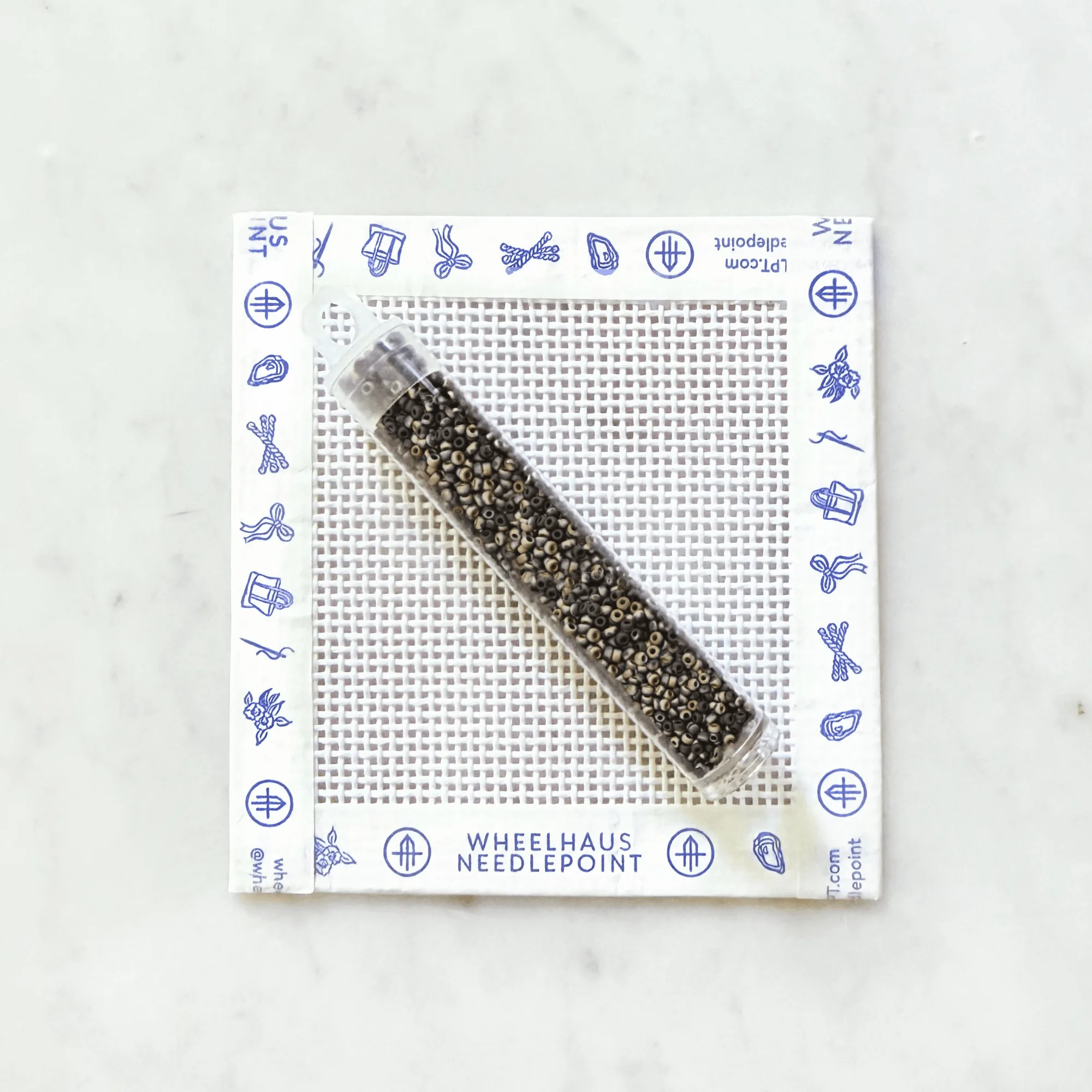
- Poppy Bagel Series Bead Mix: Poppy Bagel Series Bead Mix comes as one 3-inch tube of 11/0 seed beads suited to 13 and 18 mesh. The tube format is ready to sort straight from the package, and the 11/0 size matches the mesh counts most stitchers already use, so you can plan storage around a single bead size.
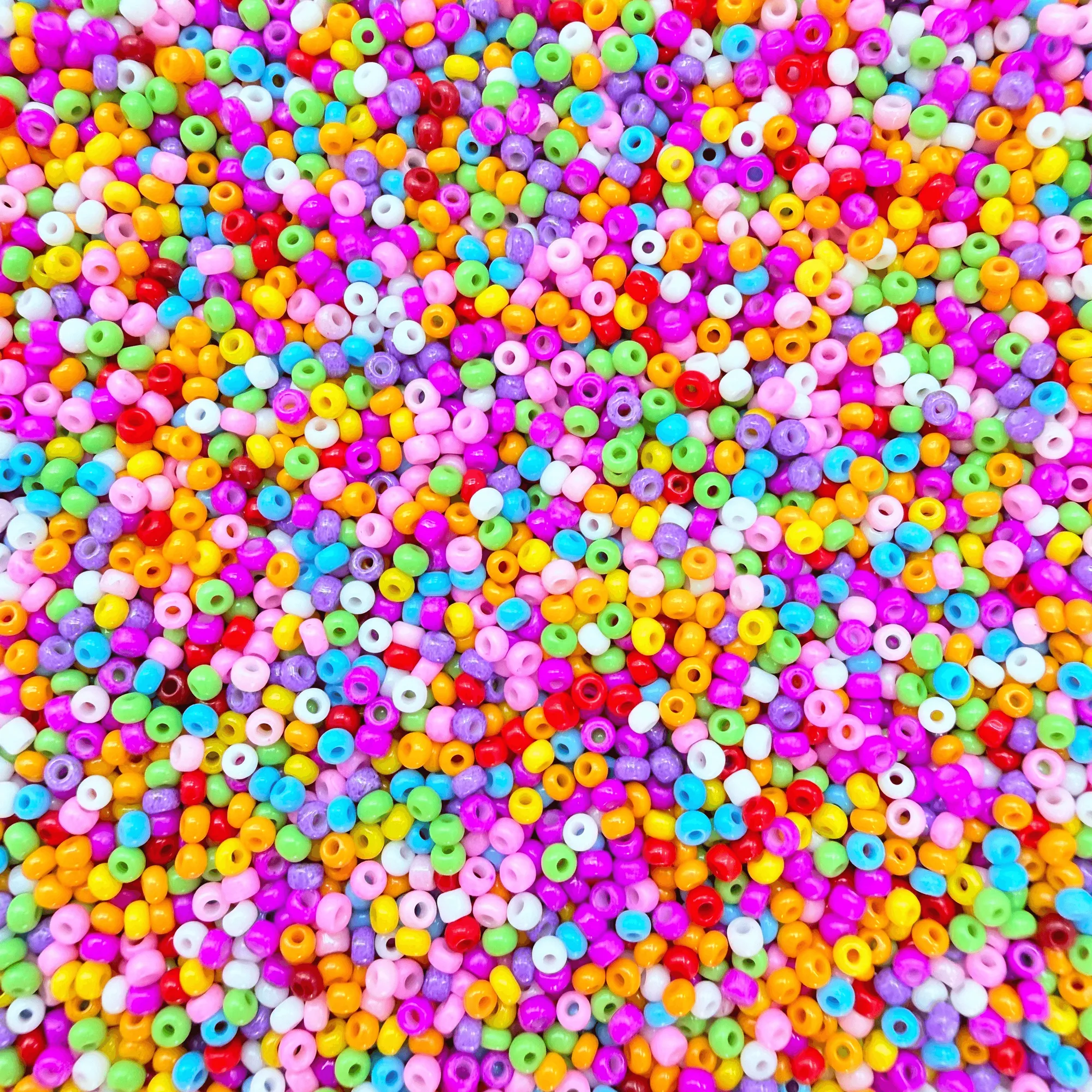
- It's Sprinkles Bead Mix: It's Sprinkles Bead Mix is a bead mix option product with an items option type. Because the mix is selected as an option, it is easiest to sort and label each selection as it arrives rather than combining multiple mixes into one container.