Quick Answer
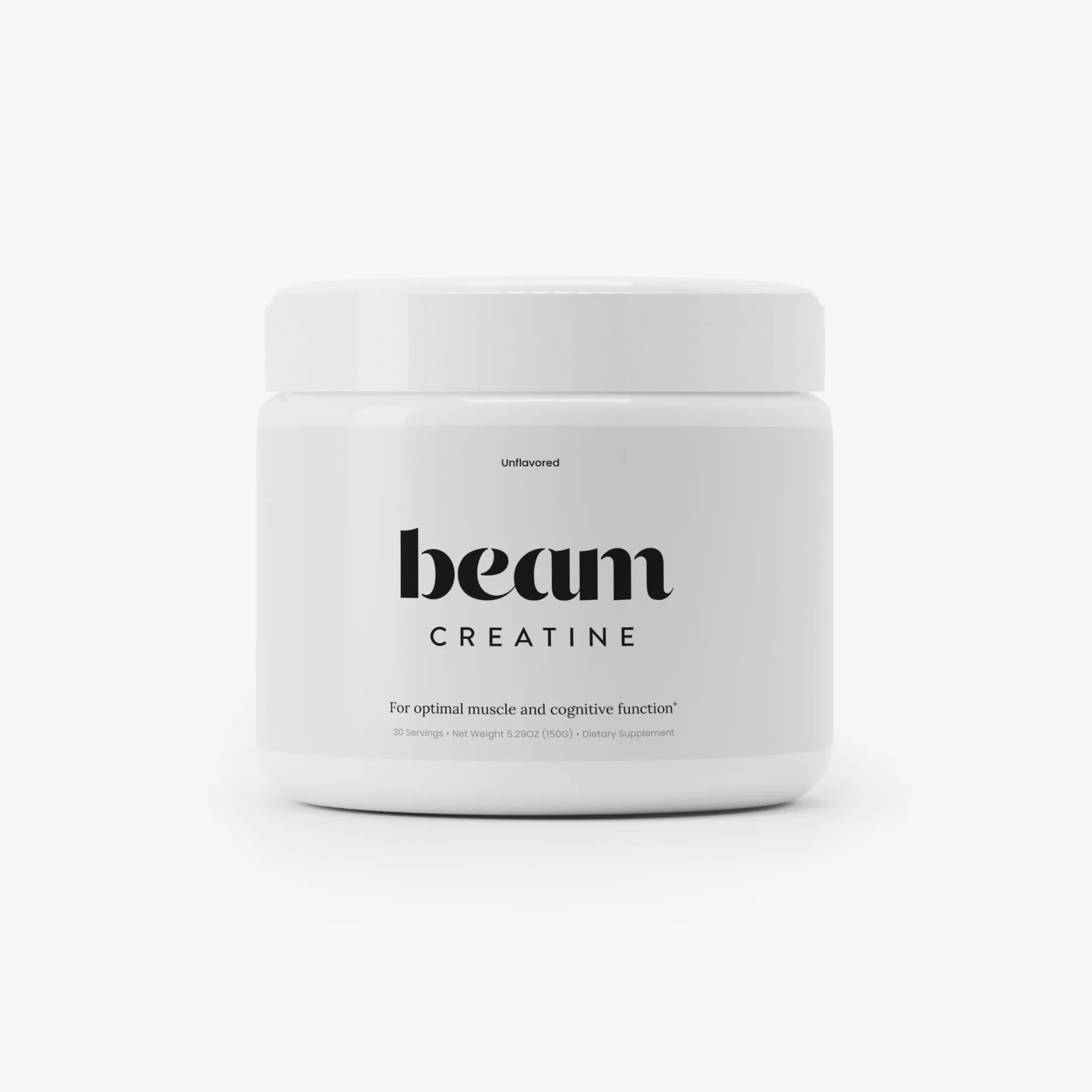
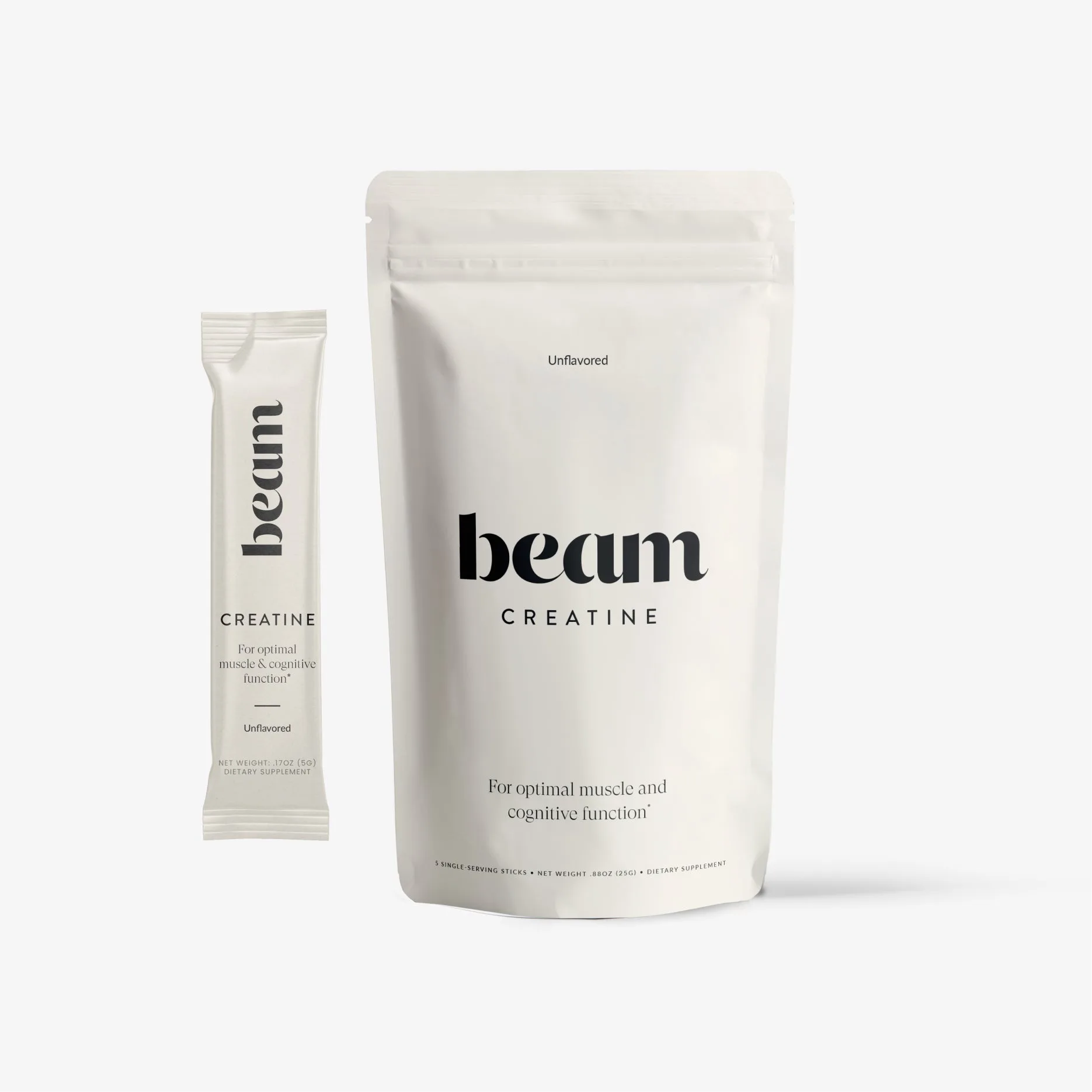
If your primary goal is building strength and improving workout performance, creatine-1-b242f5159fbfa2da870b957c-906796">Beam Creatine is the clear choice. If you're focused on joint mobility, bone health, or skin and hair appearance, Beam Collagen is more aligned. Many people use both, but understanding the trade-offs helps you prioritize.

Collagen
When you're stocking your supplement shelf, it's easy to wonder whether you need creatine or collagen. Both are popular, but they serve very different purposes. Beam offers both, so you can pick based on what your body needs most right now.
This comparison breaks down the key differences between Beam Creatine and Beam Collagen, so you can decide which one—or which combination—matches your fitness goals.
What Beam Creatine Does
Beam Creatine is formulated to elevate your strength, endurance, and muscle recovery. It's designed for people who train regularly and want to push harder during workouts. Creatine is one of the most researched supplements for athletic performance, and Beam's version comes in a convenient serving size.
If you're into weightlifting, sprinting, or high-intensity interval training, creatine can help you get more out of each session. It's also useful during cutting phases when you want to preserve muscle mass while losing fat.
- Take it daily, even on rest days, to keep your muscles saturated.
What Beam Collagen Does
Beam Collagen is your daily dose of collagen to support bone health and joint mobility. It also adds beauty benefits, like healthy skin, faster-growing hair and nails. This makes it a great choice if you're active but also care about how your body feels and looks as you age.
Collagen is a protein that provides structure to your joints, skin, and bones. Supplementing can help maintain that structure, especially if you're putting stress on your body through exercise or just everyday life.
- Consistency matters—collagen works gradually, so stick with it for at least 8–12 weeks to see benefits.
Trade-Offs to Consider
- Performance vs. Recovery: Creatine boosts immediate strength and endurance, while collagen supports long-term joint health and recovery. If you want to lift heavier now, choose creatine. If you want to stay pain-free later, choose collagen. Prioritize based on your current pain points.
- Visible vs. Internal Results: Collagen offers beauty benefits like healthier skin, hair, and nails, while creatine's effects are mostly internal. If you care about appearance, collagen is a plus. Think about what motivates you to stay consistent.
- Cost and Commitment: Creatine typically shows effects within weeks, while collagen requires months of consistent use. Creatine is often cheaper per serving, but both are investments in your health. Budget for the long term if you choose collagen.
Product Facts at a Glance
- Creatine - 5 Servings: Elevate your strength, endurance, and muscle recovery with Beam Creatine. This tells you exactly what to expect: better performance in the gym and faster recovery after tough workouts.
- Collagen: Your daily dose of collagen to support bone health and joint mobility plus added beauty benefits, like healthy skin, faster-growing hair and nails. If you're concerned about joint pain or want to improve your skin's appearance, this is the product that targets those areas.
Which Should You Choose?
Best For
- Athletes and gym-goers focused on strength, power, and muscle recovery.
- People who want quicker, performance-oriented results from their supplement.
Not For
- Those whose main concerns are joint mobility, bone health, or skin and hair appearance.
- People who are not engaged in regular high-intensity training and won't benefit from creatine's performance boost.
Ultimately, the choice between Beam Creatine and Collagen comes down to your primary goal. If you're training hard and want to see strength gains, creatine is your pick. If you're more focused on long-term joint health and that outer glow, collagen is the way to go. And if your budget allows, combining both can cover all bases—just remember to start with the one that addresses your biggest need.