Quick Answer
Choose a beanie by fit first, then fabric. A close-fitting ribbed knit in merino or a merino-acrylic blend works for most everyday wear because it breathes indoors and insulates outdoors. If you run warm or wear beanies mostly indoors, pick a lighter cotton or blended knit; if you need maximum warmth for cold commutes, choose a denser wool or fleece-lined style. Buy one neutral color for daily use and one accent color if you want variety.
A beanie is one of the few winter accessories you can wear daily without thinking about it, but the wrong one is obvious within an hour: too tight across the forehead, too loose over the ears, or too warm once you step inside. This beanie buying guide walks through fit, fabric types, and everyday wear so you can choose a winter hat you will actually reach for.
There is no single best beanie for everyone. The right pick depends on your head size, how much warmth you need, and whether you wear it mostly outdoors or in and out of buildings. The sections below give you decision rules and honest trade-offs rather than a list of features that sound good on paper. Pair your beanie with other cold-weather essentials from Kneads • Bakery • Café • Mill, like the Chefs Apron Hedley & Bennett if you also spend time in the kitchen.
Start With Fit: How a Beanie Should Sit
A well-fitting beanie covers the top of your ears without pressing hard against your forehead. It should stay put when you turn your head but lift off easily with two fingers. If you feel pressure above your eyebrows within a few minutes, the hat is too tight; if it slides up when you tilt your head down, it is too loose. Most beanies are sold in one size with stretch, so fit depends on the knit and the cuff.
Cuff style changes fit more than most shoppers expect. A folded cuff adds thickness at the ears and gives you a place to adjust the height. A plain rolled edge sits closer to the head and looks cleaner under a hood. A slouchy fit is intentionally loose at the crown and works better for casual wear than for active use, where a snugger fit stays in place.
- Measure your head circumference above the ears if the brand offers sizing; otherwise rely on stretch and cuff style.
- If you are between sizes, choose the larger fit for comfort and layer a thin headband underneath in extreme cold.
- Try the beanie on in the afternoon if possible; heads swell slightly during the day.
Beanie Fabric Types and What They Do
Fabric determines warmth, breathability, and how the beanie feels against your skin. Wool, including merino, insulates well and regulates temperature, but some people find it itchy. Acrylic is affordable, holds color, and is easy to wash, though it can pill and does not breathe as well. Cotton is soft and breathable but offers little warmth when wet. Blends combine the strengths of each fiber, which is why merino-acrylic and wool-polyester mixes are common for everyday beanies.
Fleece linings add warmth and wind resistance at the cost of breathability. Ribbed knits stretch more and tend to fit closer, while cable knits look thicker but can leave gaps in the wind. If you overheat easily, choose a single-layer knit in a breathable fiber. If you spend long periods outside in cold wind, a denser knit or lined beanie will keep you warmer.
- Merino or merino-blend: best balance of warmth, breathability, and next-to-skin comfort.
- Acrylic: budget-friendly and durable, but less breathable and more prone to static.
- Cotton: good for mild weather and indoor wear, not for wet or freezing conditions.
- Fleece-lined: warmest option for stationary outdoor use, but can feel clammy indoors.
Everyday Beanie vs. Performance Beanie
An everyday beanie prioritizes comfort and style. It pairs with a coat, a casual jacket, or loungewear and works for commuting, errands, and weekends. A performance beanie is designed for sweat and movement, often with moisture-wicking fibers and a snugger fit to stay put under a helmet or hood. If you split your time between city streets and trails, an everyday beanie in a merino blend covers both without looking technical.
Think about where you will wear it most. If your beanie lives in a coat pocket and goes on for a ten-minute walk, a mid-weight knit is enough. If you wear it for hours outdoors, prioritize warmth and wind resistance. If you wear it indoors at a desk, choose a lighter fabric so you do not overheat. Matching the beanie to your actual routine prevents the common mistake of buying the warmest hat and never wearing it.
- Commuter: mid-weight merino or blend, neutral color, folded cuff.
- Outdoor work or winter sports: denser knit or fleece-lined, snug fit.
- Indoor or mild climate: cotton or lightweight blend, looser fit.
Color, Care, and Longevity
Neutral colors like black, charcoal, navy, and oatmeal match almost everything and hide small stains better than pale pastels. If you want one beanie to do everything, start neutral. A second beanie in a brighter color or pattern is a low-risk way to add variety without replacing your daily hat. Care matters too: hand washing in cool water and laying flat to dry keeps wool and blends in shape, while machine washing and heat can shrink or felt the fibers.
Check the care label before buying. Natural fibers usually need gentler handling than synthetics. If you know you will not hand wash, choose an acrylic or cotton blend that tolerates machine washing. Store beanies folded or flat rather than hanging, which can stretch the knit over time. A little attention here extends the life of a hat you wear for years.
- Buy one neutral beanie first, then add color once you know your preferred fit.
- Hand wash wool and wool blends; reshape and dry flat.
- Turn beanies inside out before washing to reduce pilling on the outside.
Decision Rules for Choosing a Beanie
- If you wear it mostly for short commutes: Choose a mid-weight ribbed knit in merino or a merino-acrylic blend with a folded cuff. It breathes on public transport and warms up quickly outside. Best all-around choice for most people.
- If you run warm or wear beanies indoors: Choose a single-layer cotton or lightweight blend with a looser fit. Skip fleece linings, which trap heat and can feel clammy at a desk. Prioritize breathability over maximum warmth.
- If you need maximum warmth for long outdoor time: Choose a denser wool knit or a fleece-lined beanie with a snug fit that covers the ears fully. Accept less breathability as the trade-off. Warmth wins when you are stationary in cold wind.
- If you are unsure about sizing: Pick a style with a folded cuff and natural stretch. You can adjust the height and coverage, and a slightly looser fit is easier to fix than a tight one. Cuff style is your main fit adjustment.
Kneads • Bakery • Café • Mill Picks to Pair With Your Beanie
- Chefs Apron Hedley & Bennett: Indigo and cream striped denim kitchen apron with a double pocket, handmade in America, offered through Kneads • Bakery • Café • Mill. If your beanie is part of a workday uniform, this apron gives you a durable, good-looking layer for kitchen or shop tasks and matches a practical everyday wardrobe.
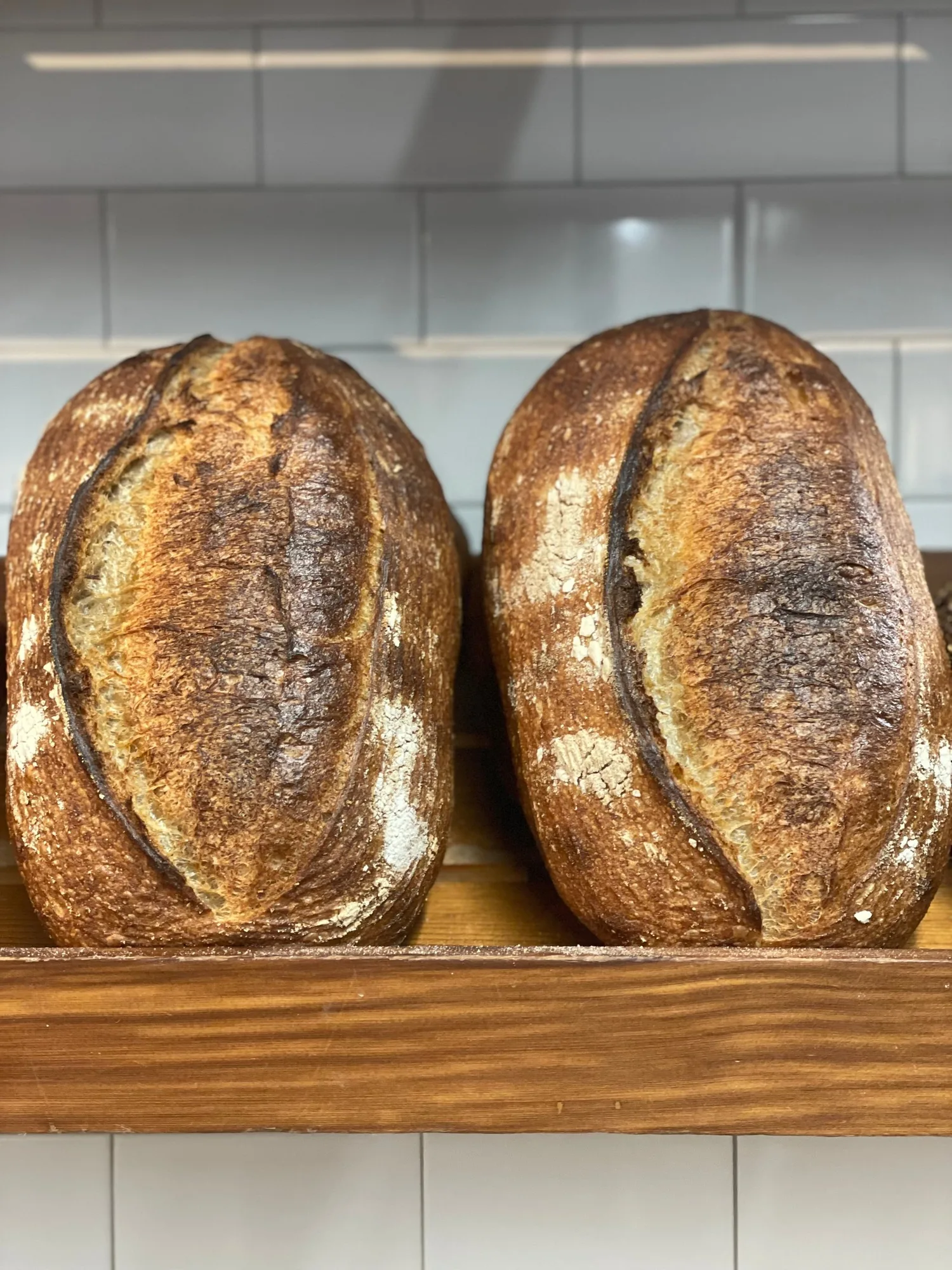
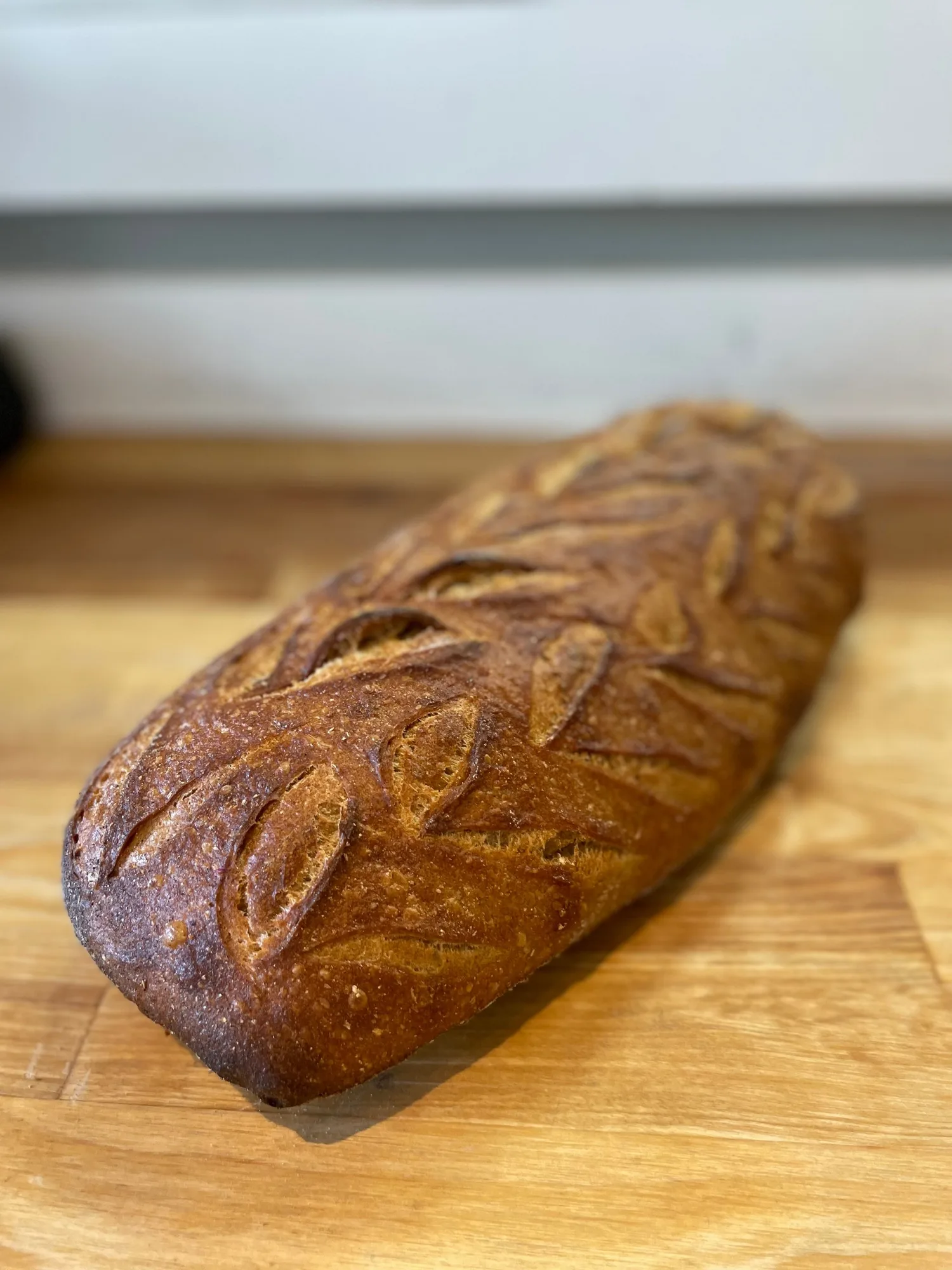
- Large Country Sourdough: Whole wheat sourdough loaf in a large 1.4 kilo size, part of the Breads selection from Kneads • Bakery • Café • Mill. A cold-weather beanie often means more time outdoors and more hearty meals; a large loaf is an easy staple to have on hand for toasts, soups, and sharing.
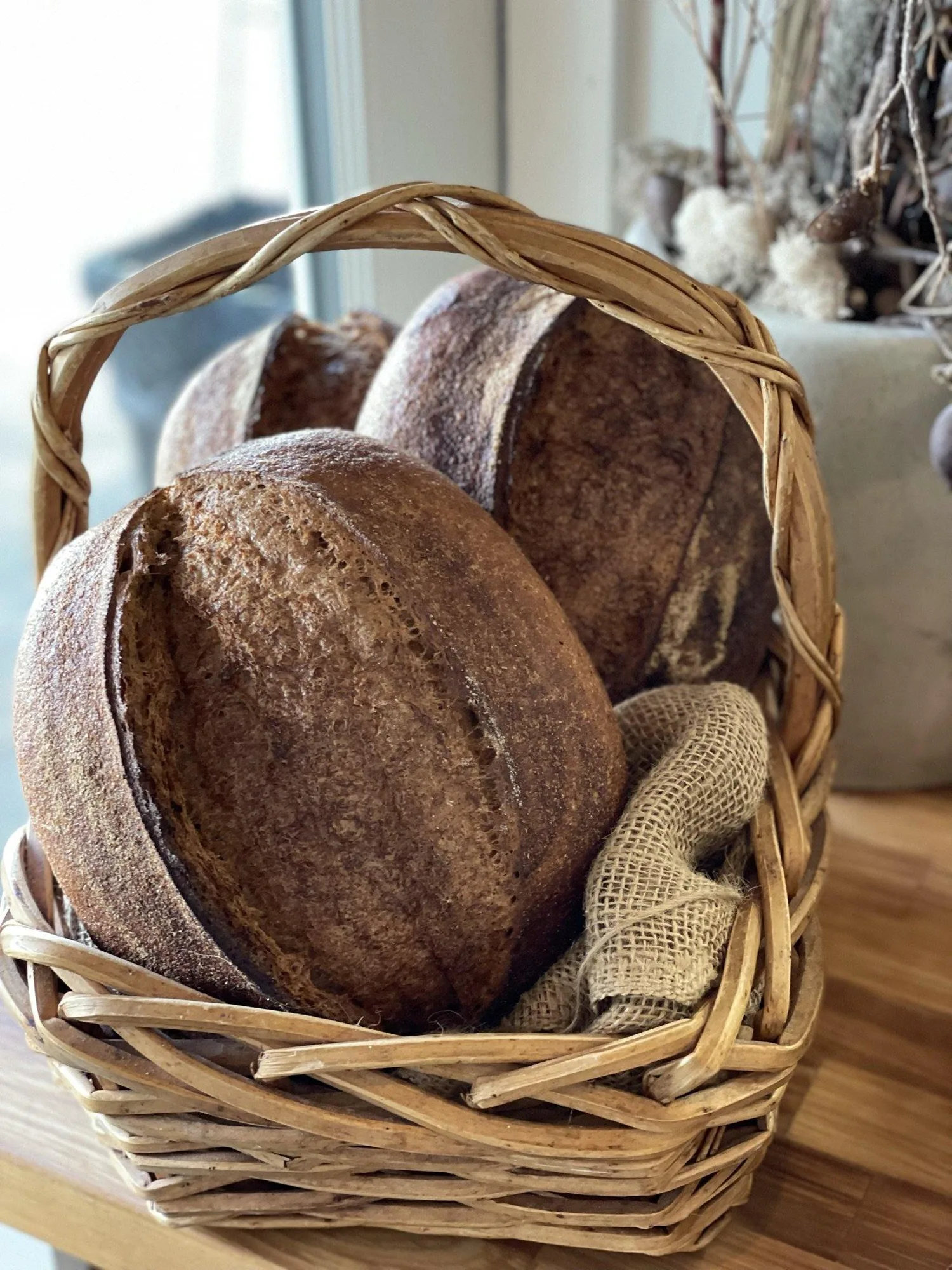
Whole wheat sourdough
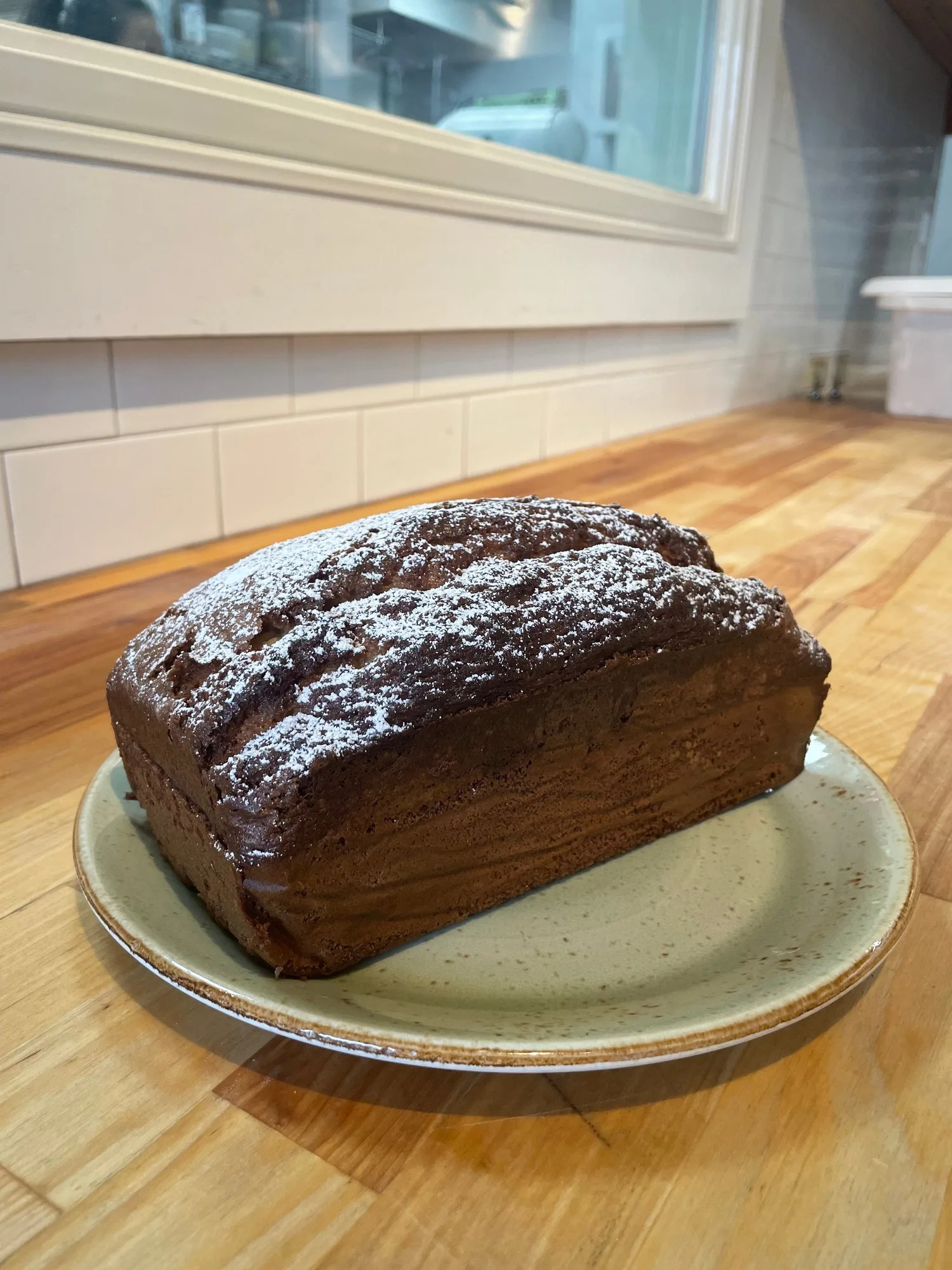
- Olive Oil Pound Cake: Moist Spanish olive oil cake from Kneads • Bakery • Café • Mill, tagged for Cake, Easter, and Mother's Day and offered in a Standard option. A simple everyday cake that works for gifting or a seasonal table, useful if you are putting together a cold-weather care package alongside practical items like a beanie.
Who This Beanie Guide Is For
Best for
- Shoppers buying their first everyday beanie and unsure about fit or fabric
- Anyone replacing a beanie that is too tight, too warm, or does not stay put
- People who want one versatile winter hat for commuting, errands, and casual wear
Not for
- Shoppers looking for technical winter sports helmets or balaclavas
- Anyone who needs a specific certified safety or cold-protection rating
- Buyers who want a single beanie for extreme expedition conditions
A good beanie comes down to fit, fabric, and how you actually wear it. Start with a mid-weight merino or blend in a neutral color and a folded cuff, then adjust from there based on warmth and breathability. If you want to pair your beanie with kitchen and table staples, explore the Breads and Cake options from Kneads • Bakery • Café • Mill.