Two products, two jobs
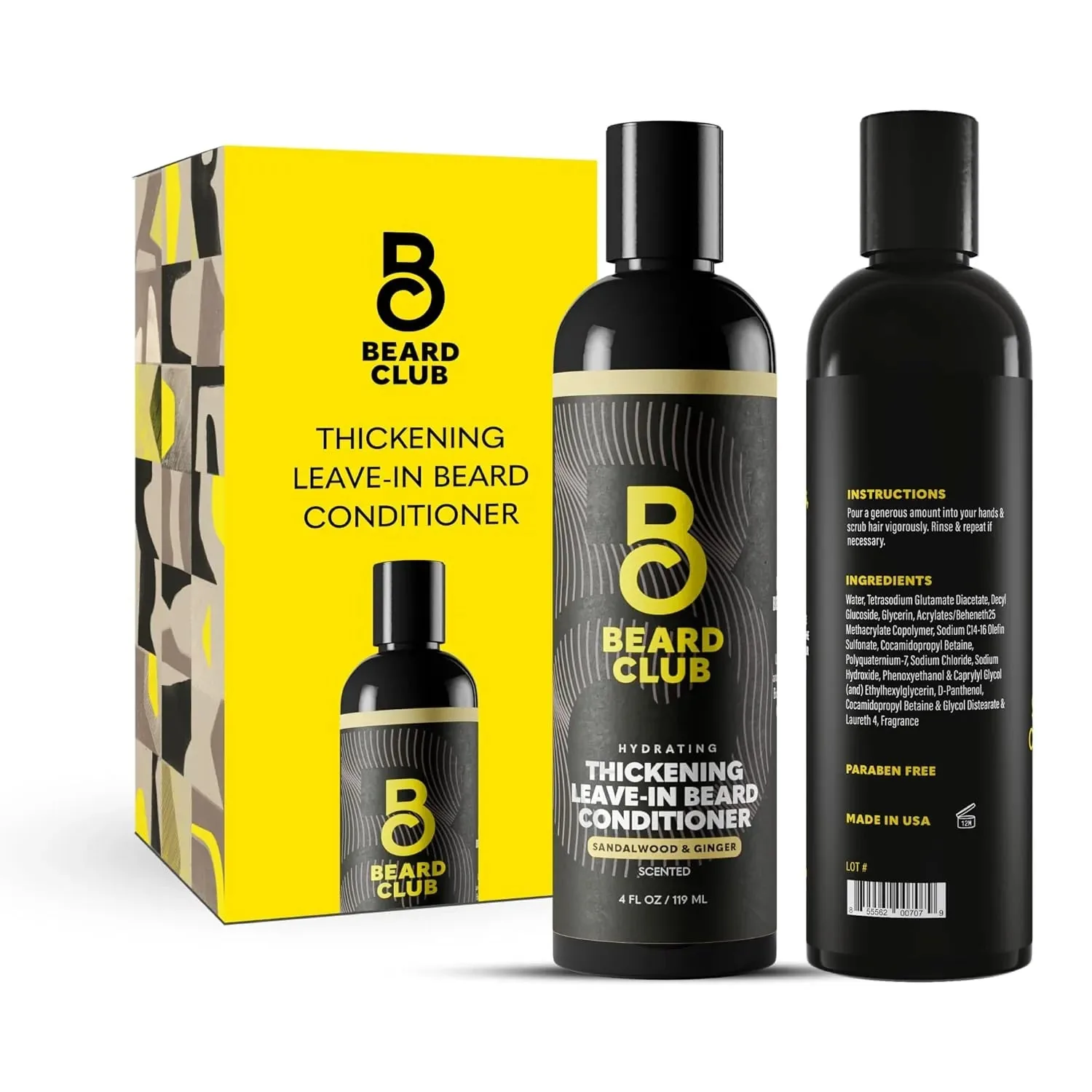
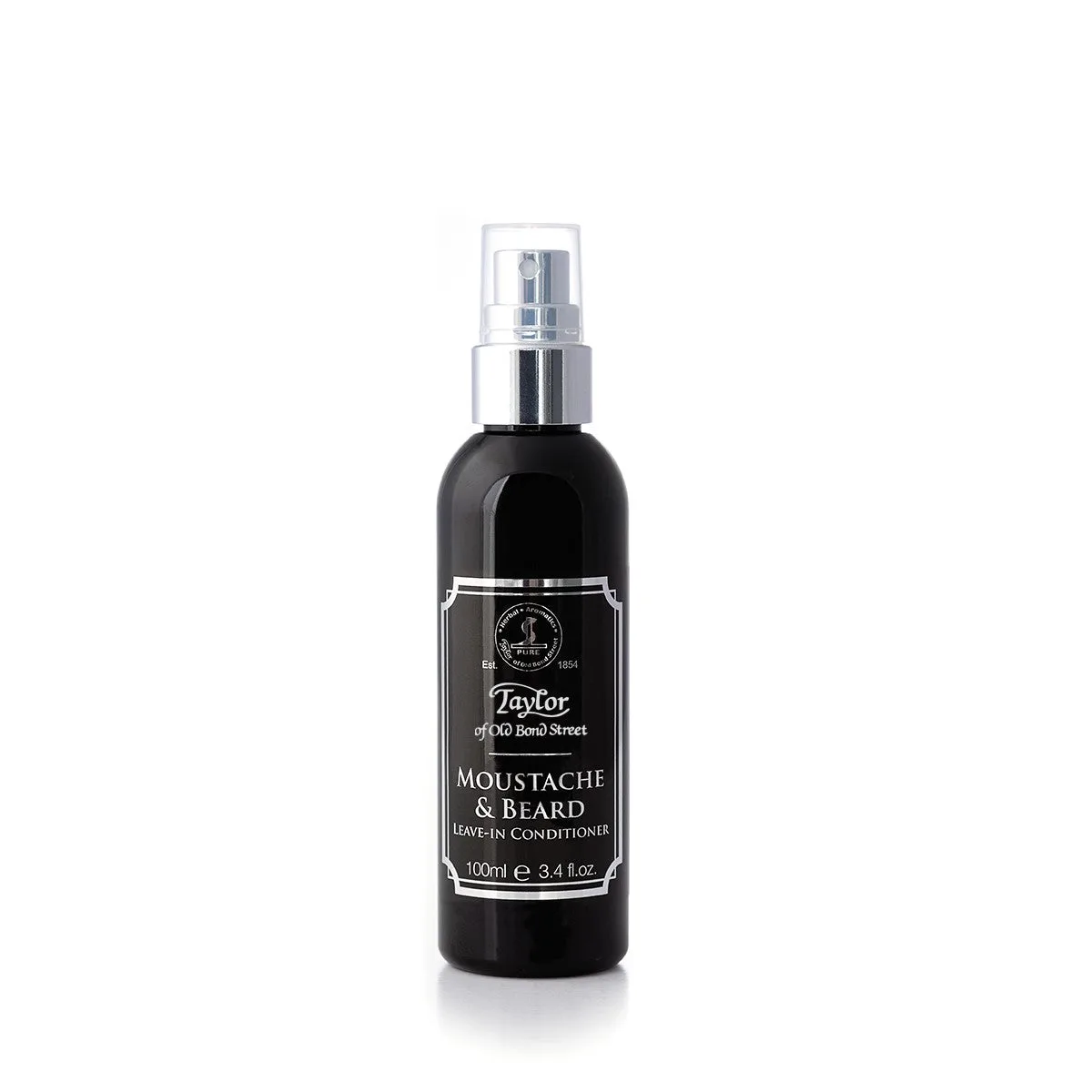
Beard conditioner and beard oil are often sold as alternatives, but they do different work. A leave-in conditioner is a moisturizing step: it adds plant-based oils and butters that stay in the beard to soften hair and support the skin underneath. Beard oil is typically a lighter finishing layer, used for sheen, light conditioning, and scent. Neither replaces the other automatically; the right choice depends on how coarse your beard feels, how much frizz you see, and how many steps you want in your routine.
Where a leave-in conditioner earns its place
If your beard feels wiry, frizzes easily, or the skin beneath it itches, a leave-in conditioner is the more substantial option. The Fortifying Beard Conditioner is built around plant-based shea butter and coconut oil, which the catalog says control frizz, lock in moisture, and eliminate itch. That makes it a sensible fit for coarse hair and for anyone whose main complaint is dryness rather than styling.
The trade-off is weight. Shea butter and coconut oil are richer than most oil-only products, so a little goes further. Start with a small amount and add more only if your beard still feels dry after it settles. The supplied information does not include an application frequency or patch-test result, so treat your own trial as the guide.
Where beard oil still makes sense
Beard oil is the lighter touch. If your beard is already soft and you mainly want a quick finish, a subtle scent, or a product that disappears into the hair, oil can be enough on its own. It is also the easier choice if you dislike the feel of butters or if you live in a humid climate where rich products can feel heavy.
The limitation is that oil alone may not deliver the same frizz control or skin comfort as a conditioner with shea butter and coconut oil. If your goal is a beard softening routine for coarse hair, oil is better as a second layer than as the only layer.
Oil or conditioner first?
Order matters more than most people expect. Apply the richer, water-binding product first so it can reach the hair and skin, then seal it with the lighter one. In practice, that means leave-in conditioner first, beard oil second. If you reverse the order, the oil can sit on top and keep the conditioner from doing its job.
The supplied product record does not include official layering instructions, so this is a practical guideline rather than a manufacturer rule. If your beard feels weighed down, skip the oil on that day and use conditioner alone.
Product facts: Fortifying Beard Conditioner
-
Fortifying Beard Conditioner: Plant-based shea butter and coconut oil control frizz, lock in moisture, and eliminate itch. These are the core claims that make a leave-in conditioner the stronger choice for coarse, frizzy, or itchy beards.
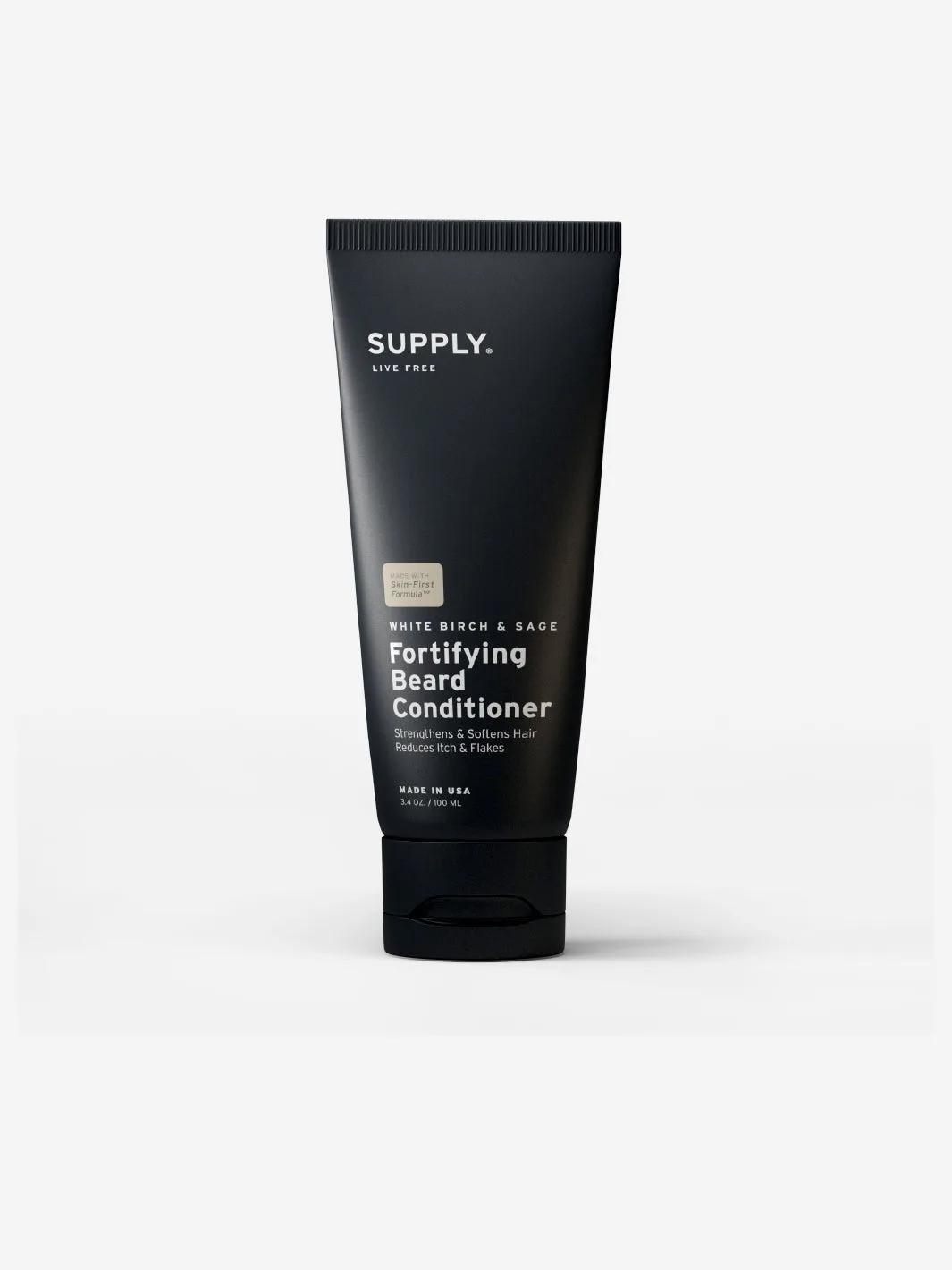
Fortifying Beard Conditioner
-
Fortifying Beard Conditioner: Available in White Birch & Sage scent. Scent is the only listed option, so if you prefer unscented products, this is a limitation to weigh before buying.
Side-by-side fit
- Best for coarse, dry, or itchy beards: Leave-in conditioner, because the supplied shea butter and coconut oil claims target frizz, moisture, and itch.
- Best for light finishing or scent: Beard oil, which is typically lighter and easier to layer without weight.
- Best for a minimal routine: Beard oil alone if your beard is already soft; conditioner alone if you want moisture without an extra step.
- Best for layering: Conditioner first, then oil, to avoid sealing the richer product out.
Building a beard softening routine that fits
A simple routine for coarse hair: wash and pat dry, apply a small amount of Fortifying Beard Conditioner, let it settle, then add beard oil only if you want extra sheen or scent. If your beard feels greasy by midday, reduce the conditioner next time rather than adding more oil.
The catalog does not confirm how often to use the conditioner or whether it suits every skin type, so introduce it gradually and watch how your beard and skin respond. If you already have a beard oil you like, keep it as the finishing step rather than replacing the conditioner with it.