Quick answer
Choose Bears vs Babies if your group loves creative monster-building and silly combat. Pick Exploding Kittens (Original Edition bundled with Barking Kittens) if you want a fast-paced, elimination-style party game with more players and expansions.
How the gameplay differs
Bears vs Babies is a card game where you stitch together monsters from limbs, weapons, and hats to fight an army of babies. It rewards creativity and quick thinking as you build creatures on the fly. Exploding Kittens, in its Epic Party Bundle, is a classic Russian-roulette style game where you draw cards and hope to avoid the exploding kitten until someone else does.
The core difference is structure: Bears vs Babies has you actively creating and battling, while Exploding Kittens is about survival and using action cards to deflect danger. If your group enjoys collaborative silliness and monster design, Bears vs Babies delivers. If you prefer tense, laugh-out-loud moments with a growing deck, Exploding Kittens is the better fit.
Player count and replayability
Bears vs Babies plays best with 2–5 players, making it ideal for smaller gatherings or couples. The Epic Party Bundle for Exploding Kittens supports 2–5 players as well, but the base game alone can be played with up to 5, and adding expansions like Barking Kittens keeps the deck fresh. Both games offer strong replay value, but Exploding Kittens has more official expansions to extend the life of the game.
For larger parties, Exploding Kittens has a slight edge because its rules are simpler to teach to new players and rounds are shorter. Bears vs Babies requires a bit more explanation and creative engagement, which can slow down a big group.
Tradeoffs at a glance
- Creativity vs. luck: Bears vs Babies rewards creative monster-building; Exploding Kittens relies more on card draw and strategic defusal. If your group loves designing silly creatures, Bears vs Babies wins. If you prefer a game where anyone can win regardless of imagination, go with Exploding Kittens. Choose based on whether your group wants to invent or react.
- Game length and pace: Bears vs Babies games tend to run a bit longer as players deliberate over monster parts. Exploding Kittens rounds are snappy, often ending in 15–20 minutes. For a quick warm-up or multiple rounds, Exploding Kittens is better. For a longer, more involved session, Bears vs Babies delivers. Match the pace to your available time and attention span.
- Expansion potential: Exploding Kittens has a well-established line of expansions (Barking Kittens, Zombie Kittens, etc.) that add new cards and mechanics. Bears vs Babies currently has fewer expansions available, so its long-term variety is more limited. If you plan to play the same game many times, Exploding Kittens offers more ways to keep it fresh.
Product facts at a glance
- Bears vs Babies: Bears vs Babies is a card game where you build incredible monsters who go to war with horrible, awful babies. Stitch together a Handsome Salmon armed with knives and burritos, or a Pomeranian of Light and Wonder in business attire who is being piloted by a robot-squirrel. Give your creations limbs, weapons, and special hats to help prepare them for the… This creative building mechanic makes each game unique and encourages silly storytelling, perfect for groups that enjoy imagination over pure luck.
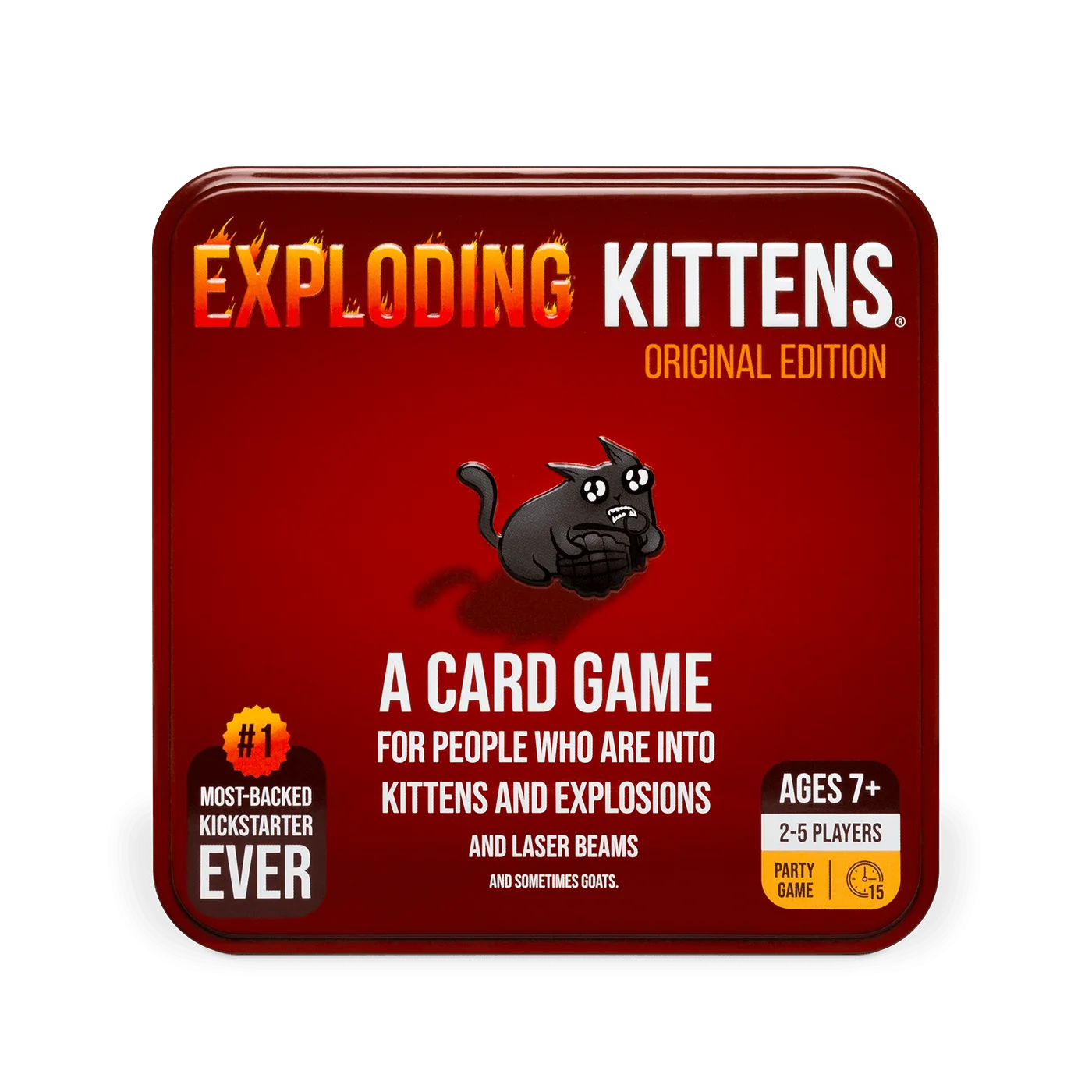
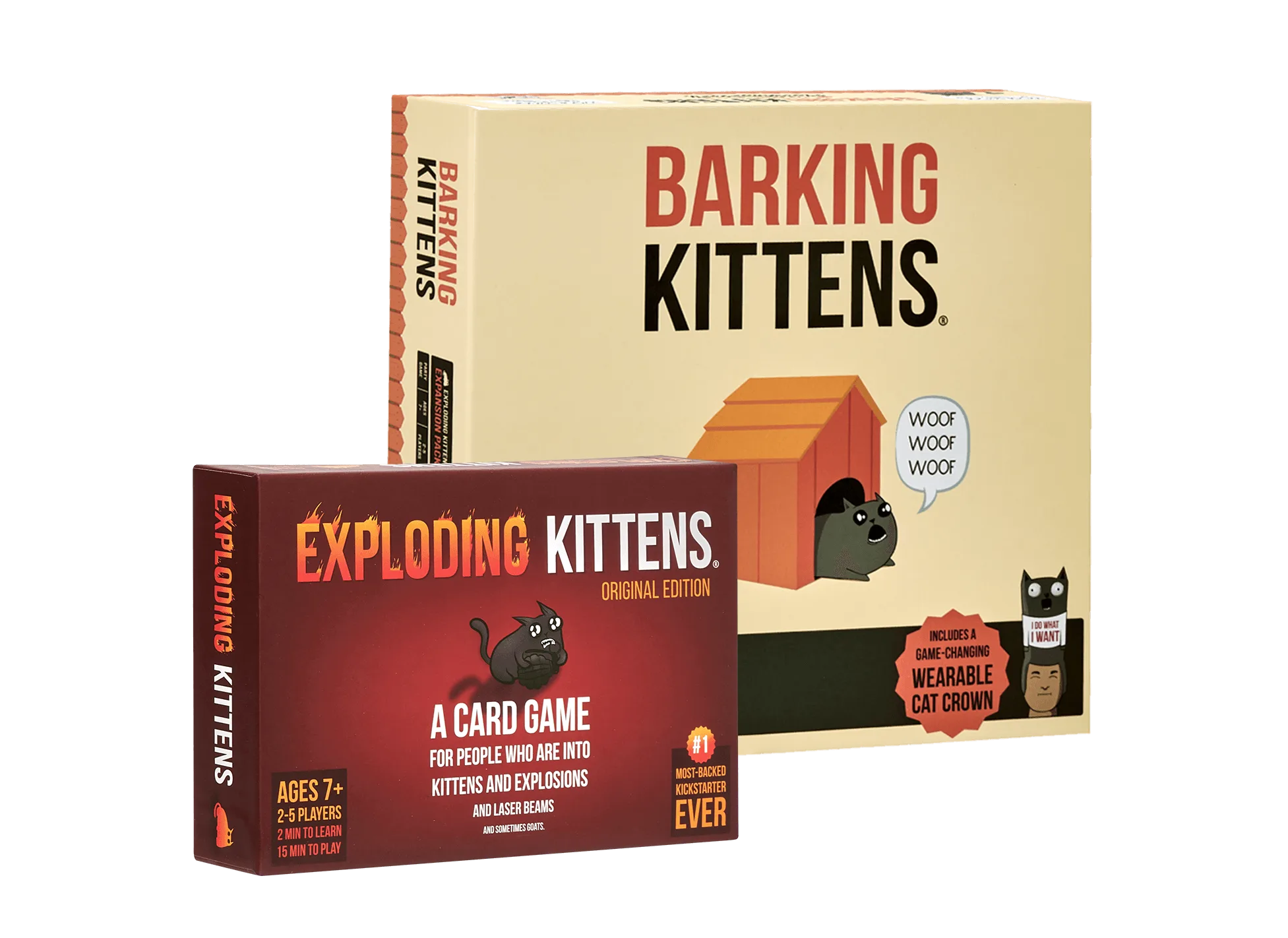
- Exploding Kittens Epic Party Bundle - English Version: The Exploding Kittens Epic Party Bundle includes the Original Edition plus the Barking Kittens expansion, adding 20 new cards and a wearable Cat Crown that allows you to hold a secret stash of cards on your head. This bundle is a $34.98 value. The bundle gives you more variety and a physical gimmick (the Cat Crown) that adds a tactile, memorable element to game night. It's a cost-effective way to get the full Exploding Kittens experience.
Which game should you pick?
Best for
- Small groups (2–4) who love creative storytelling and building silly monsters
- Players who enjoy a game that rewards imagination and produces unique outcomes every round
Not ideal for
- Large parties (5+) where quick rules and fast rounds are important
- Groups that prefer pure luck-based games without a creative building phase