Quick Answer
Most bed bug sprays are not pet-safe while wet, and some ingredients remain a hazard after drying. Read the label for the exact re-entry time, remove pets from the room during application, and keep them out until the surface is fully dry and ventilated. If the label does not clearly state pet safety or re-entry instructions, do not use it around animals.
Finding bed bugs is stressful enough without worrying about your dog or cat. The good news is that you can treat a home with pets if you choose the right product and follow the label exactly. The bad news is that many sprays sold for bed bugs are designed for surfaces, not for animals, and the label is the only reliable guide.
This guide answers the questions pet owners ask most before treating: which sprays are safe, how long pets must stay away, whether carpet products help, and when a professional is the better call.
Are bed bug sprays safe around pets?
It depends entirely on the product and the label. Some sprays contain ingredients that are toxic to pets if inhaled, ingested, or absorbed through the skin, especially while wet. Others are formulated for use in homes with animals but still require a re-entry period. There is no universal pet-safe bed bug treatment, so the label on the bottle is your only reliable source.
If a product label does not mention pets, re-entry time, or ventilation, treat that as a warning sign. Do not assume a spray is safe because it is sold in a pet store or because it smells mild. When in doubt, choose a different product or hire a professional who can advise on pet-safe options.
- Check the label for the active ingredient and the exact re-entry time before buying.
- Never apply a spray directly to a pet, their bedding, or their food bowls.
- If you cannot find clear pet instructions, do not use the product around animals.
How long should pets stay out of a treated room?
Follow the re-entry time printed on the label, and add extra time if the room still smells of spray or feels damp. A common instruction is to keep pets and people out until surfaces are completely dry, which can take several hours depending on humidity and airflow. Open windows and use fans to speed drying, but keep pets in a separate, well-ventilated area.
If the label says to wait until dry and you are unsure, wait longer. Pets are closer to the floor and groom themselves, so they can pick up residue that a human would not notice. After the wait, wipe down hard surfaces and wash any pet bedding that was in the room.
- Set a timer for the label re-entry time and do not shorten it.
- Keep pets in another room with their own water, bedding, and a closed door.
- Wash pet beds, blankets, and toys that were in the treated area.
Do carpet sprays help with bed bugs?
Carpet sprays can kill bed bugs on contact and help break the life cycle in carpets and rugs, but they are not a complete bed bug treatment on their own. Bed bugs hide in seams, cracks, and furniture, so a carpet product works best as part of a larger plan that includes cleaning, decluttering, and possibly a professional treatment.
If you use a carpet spray, follow the label for drying time and ventilation. Keep pets off the carpet until it is fully dry, and do not let them chew or lick treated surfaces. Remember that a carpet spray is not a repellent, so it will not stop new bed bugs from being brought in.
- Vacuum first so the spray reaches the carpet, then dispose of the vacuum bag outside.
- Treat the whole room, not just the visible spots, because bed bugs spread.
- Do not use a carpet spray on pet beds or blankets unless the label specifically allows it.
When is it better to call a professional?
Call a professional if you have a large infestation, if you have tried sprays without success, or if you have pets that are difficult to relocate, such as birds, reptiles, or fish. Professionals can use treatments and methods that are not available to consumers and can advise on pet safety for your specific situation.
A professional can also confirm that you are dealing with bed bugs and not another pest, which matters because the treatment is different. If you rent, tell your landlord before treating so the whole building can be addressed if needed.
- Get a written plan that includes pet re-entry instructions.
- Ask what products will be used and whether they are safe for your type of pet.
- If you rent, coordinate with your landlord to avoid treating only one unit.
What should I do with pet items during treatment?
Remove pet beds, blankets, toys, food bowls, and water bowls from the room before you spray. Wash fabric items in hot water and dry them on high heat if the care label allows. Items that cannot be washed can be sealed in a plastic bag for several weeks or treated by a professional.
Do not put pet items back until the room is fully dry and ventilated. If a surface was sprayed, wipe it down before returning bowls or toys. For items that stay in the room, such as crates, wipe them with a damp cloth after the re-entry time.
- Bag up small items and seal them to prevent re-infestation.
- Wash and dry on the hottest setting the fabric can handle.
- Wipe down hard pet items like crates and bowls before reuse.
Can I use a bed bug spray if my pet has skin issues?
Pets with allergies, hot spots, or open sores are more vulnerable to irritation from sprays, so be extra careful. Keep them out of treated areas until fully dry, and watch for signs of irritation such as scratching, redness, or sneezing after they return. If you see a reaction, move the pet to fresh air and call your veterinarian.
If your pet already has a skin condition, talk to your vet before using any insecticide in the home. They may recommend specific precautions or alternative treatments. For pets with ongoing itch or allergy problems, addressing the skin issue separately can make the home treatment less stressful.
- Do not let a pet with open sores walk on a freshly treated carpet.
- Watch for coughing, sneezing, or excessive scratching after re-entry.
- Ask your vet if you are unsure whether a product is safe for your pet.
Bed Bug Treatment Checklist for Pet Owners
Before you buy
Read the label for the active ingredient, pet warnings, and re-entry time. If pet safety is not stated, choose a different product. No pet instruction means no use around pets.
Before you spray
Remove pets, their food, water, bedding, and toys from the room. Cover fish tanks and turn off their air pumps. Empty the room of anything your pet uses.
While it dries
Keep pets in a separate, ventilated room until the label re-entry time has passed and surfaces are completely dry. Dry means dry, not just less wet.
After re-entry
Wipe down hard surfaces and wash any fabric pet items that were in the room. Watch your pet for coughing, sneezing, or scratching. If you see a reaction, call your vet.
If it does not work
If bed bugs persist after one or two treatments, stop spraying and call a professional who can advise on pet-safe options. Repeated spraying raises the risk to your pet.
Products That Support a Pet-Safe Bed Bug Plan
- Adams Plus Flea & Tick Carpet Spray Aerosol 16 oz: Kills fleas, flea larvae, ticks, ants, spiders, cockroaches, sowbugs and other listed insects on contact when applied as directed, and stops hatching flea eggs from developing into adult fleas for 7 months. If you are already dealing with fleas or ticks alongside bed bugs, this carpet spray can address those pests in carpets and rugs, but it is not a bed bug product and should not replace a bed bug treatment plan.
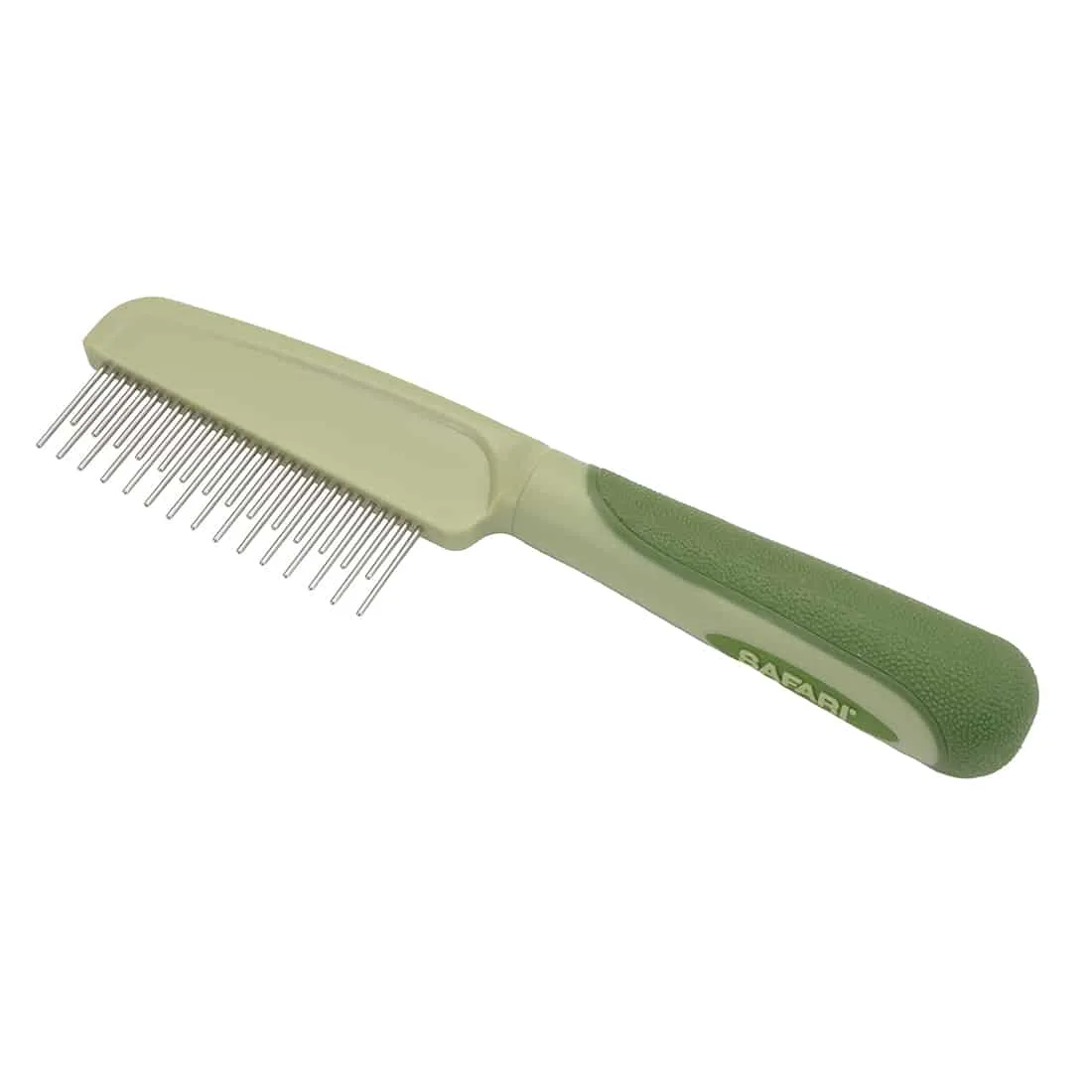
- Safari® Dog Shedding Comb with Rotating Teeth: Features gentle rotating teeth and a dual-length tooth design to help remove loose hair and undercoat while keeping your dog comfortable. During and after treatment, pets may shed more from stress or from being confined. A shedding comb helps you keep loose hair off treated surfaces and makes it easier to spot any skin irritation early.
- ProDen PlaqueOff® Powder Dental Supplement for Dogs & Cats 6.4 oz: A daily dental supplement made with 100% specially selected North Atlantic seaweed, sprinkled over food to help support healthy teeth, gums, and fresher breath. If treatment disrupts your pet's routine, keeping up with daily dental care is one small way to maintain normalcy and overall health while you manage the home.
Treating bed bugs with pets in the home is doable when you put the label first. Choose products with clear pet instructions, keep animals out until everything is dry, and call a professional if the infestation is large or you are unsure. Your pet's safety is worth the extra step.