Quick Answer
Yes, beeswax crayons are a safe, non-toxic choice for toddlers as young as 18 months. They are made from natural beeswax without paraffin or cheap fillers, making them a great alternative to traditional crayons. For the safest experience, always supervise young children during art time.
Why Choose Beeswax Crayons for Toddlers?
Beeswax crayons are crafted from pure beeswax, a natural substance that is free from paraffin and synthetic fillers. This makes them a non-toxic option for little ones who are still exploring the world with their mouths. Unlike standard crayons that may contain petroleum-based waxes, beeswax crayons are considered a safer alternative for children aged 18 months and up.
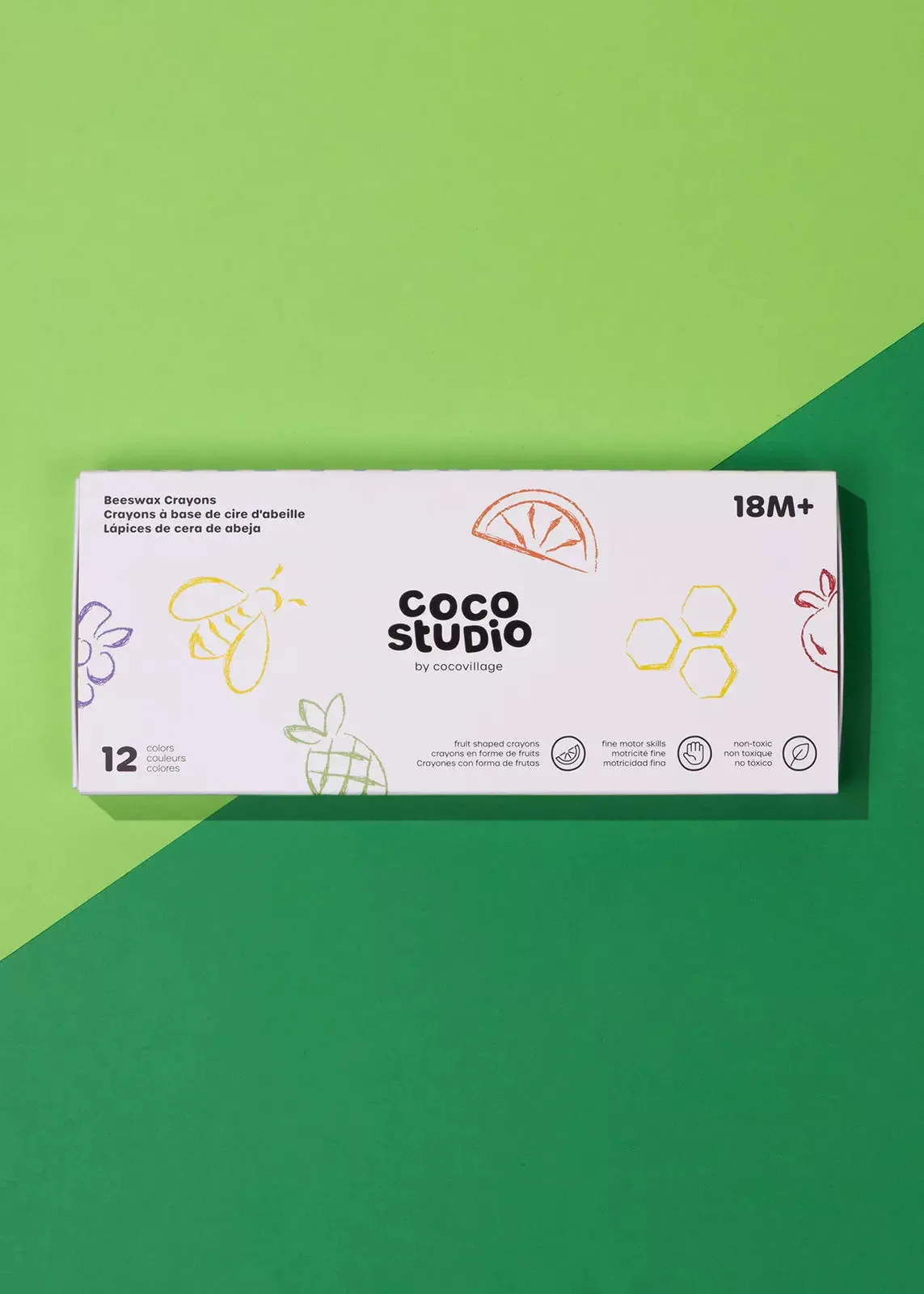
The fruit-shaped design of many beeswax crayons, such as those in the Beeswax Crayons Set, is not just cute—it helps little hands grip and control the crayon, supporting fine motor skill development. The smooth application on paper also reduces the frustration that can come with harder crayons.
How to Clean Beeswax Crayon Marks
One common concern with beeswax crayons is cleaning. Because beeswax is a natural wax, it can be slightly more stubborn than washable markers. For washable surfaces, a little warm soapy water and a soft cloth usually does the trick. For tougher marks on walls or tables, try a mixture of baking soda and water to gently lift the wax. Always test a small area first.
Frequently Asked Questions
Are beeswax crayons safe for 1 year old?
Most beeswax crayons, including those in the Beeswax Crayons Set, are labeled for ages 18 months and up. For a 1-year-old, always supervise closely and choose crayons that are too large to swallow. The non-toxic nature of beeswax makes them a safer choice than paraffin-based crayons, but no art supply is completely risk-free for very young children. Wait until your child is at least 18 months old for the safest experience with beeswax crayons.
Beeswax crayons vs paraffin: what's the difference?
Beeswax crayons are made from natural beeswax, a renewable resource, while paraffin crayons are derived from petroleum. Beeswax crayons are generally non-toxic and hypoallergenic, whereas paraffin crayons may contain synthetic dyes and fillers. Beeswax crayons also tend to have a smoother, creamier draw, which can be easier for toddlers to use. If you prioritize natural, non-toxic materials, beeswax crayons are the better choice for your toddler.
How do I clean beeswax crayon off walls?
For washable paint or flat walls, try a magic eraser or a paste of baking soda and water. Gently rub the mark, then wipe clean with a damp cloth. Avoid harsh chemicals, as they can damage the wall finish. For fabric, scrape off excess wax, then place a paper towel over the stain and iron on low heat to lift the wax. Baking soda and water is a gentle, effective cleaner for beeswax crayon marks on walls.
Product Facts
- Beeswax Crayons Set - 12 colors: Crafted from pure beeswax with no paraffin or cheap fillers, these crayons adhere smoothly to paper, posters, and artboards. Shaped like 5 different fruits, they’re perfect for nurturing children’s drawing abilities and fine motor skills. Non-toxic and suitable for ages 18m+. This means you can confidently give these crayons to your toddler, knowing they are made from a natural, non-toxic material. The fruit shape also helps little fingers learn to grip and control the crayon, making art time both safe and developmental.