Quick Answer
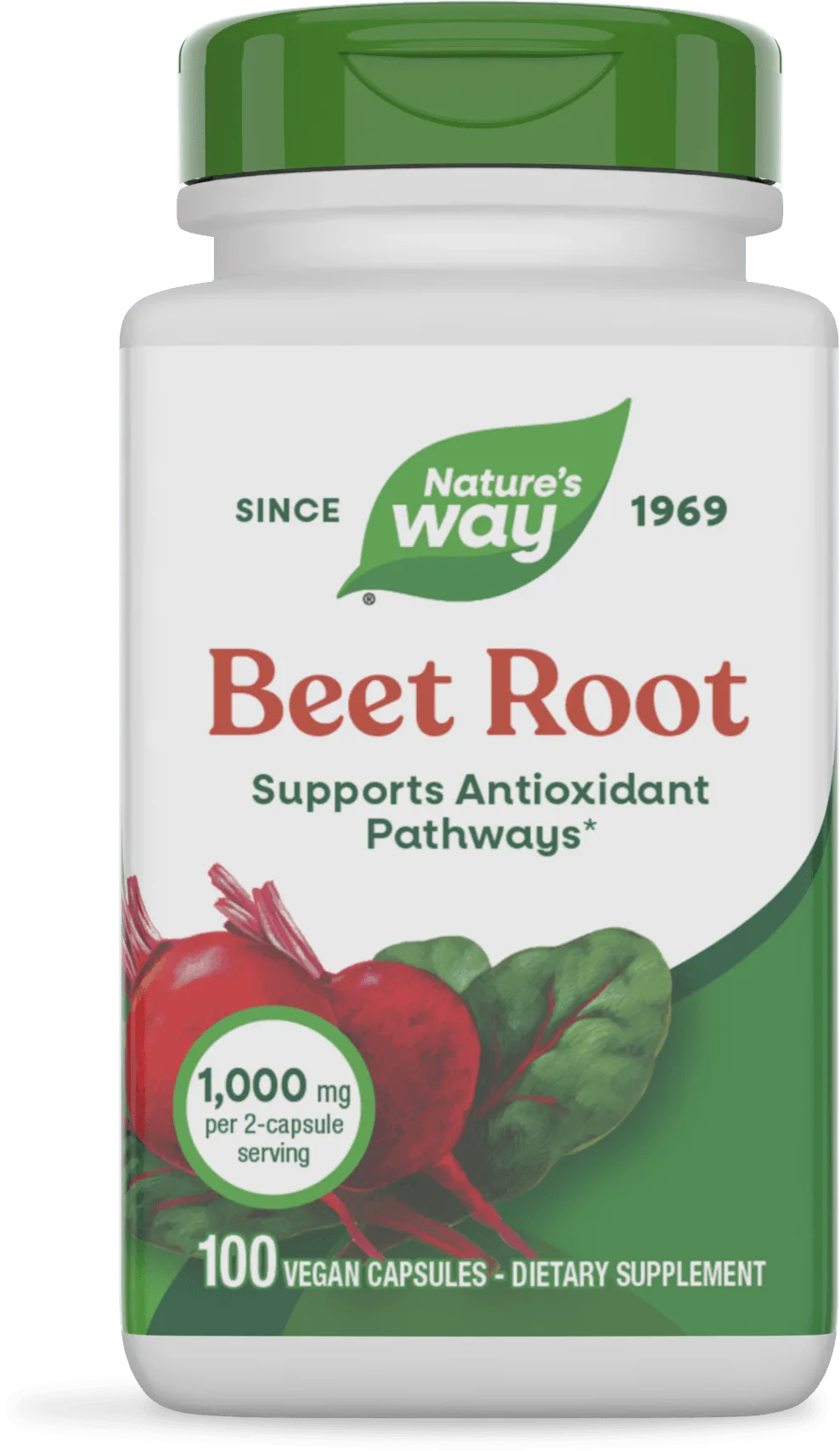
https://natureswaybx.com/products/beet-root-384754Beet root is a natural source of dietary nitrates that your body converts to nitric oxide, a molecule that helps relax blood vessels. Research suggests this can support healthy blood pressure and may improve stamina during exercise. If you're looking to add beet root to your routine, capsules or powder can be convenient options, but consistency matters more than the form you choose.
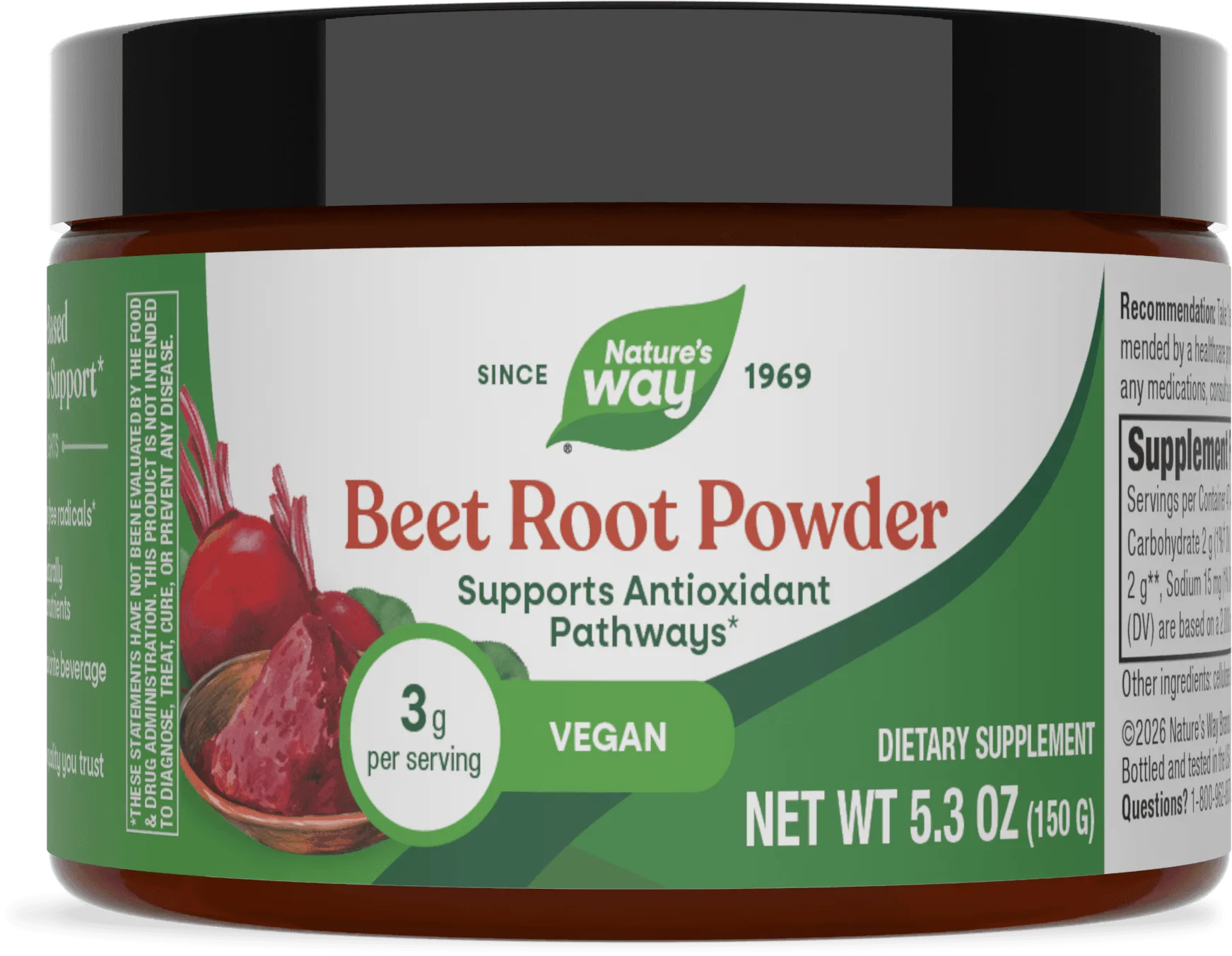
You've probably seen https://natureswaybx.com/products/beet-root-powder-384753beet root powder stirred into pre-workout drinks or advertised as a heart-healthy superfood. The interest isn't just marketing: beets are one of the richest dietary sources of nitrates, compounds that your body converts into nitric oxide. Nitric oxide acts as a signaling molecule that tells blood vessels to relax, which can lower blood pressure and improve blood flow.
But does the research actually back up the hype? And if you're considering a beet root supplement, what should you look for and how should you take it? Let's break down what we know, what we don't, and how to use beet root in a way that's both safe and effective.
How Beet Root Affects Blood Pressure
The key player in beet root is nitrate. When you eat nitrate-rich foods, your body converts nitrate to nitrite and then to nitric oxide. Nitric oxide relaxes the inner muscles of your blood vessels, causing them to widen and improving blood flow. This is why nitrate-rich foods like beets are often studied for their potential to support healthy blood pressure.
Several human studies have shown that drinking beet juice or taking beet root supplements can lead to a modest reduction in systolic blood pressure, especially within a few hours of consumption. The effect tends to be more noticeable in people with higher starting blood pressure. It's important to note that these effects are not a replacement for prescribed blood pressure medication—they're a supportive dietary strategy.
- Beet root works by providing nitrates, which your body converts to nitric oxide.
- Effects on blood pressure are typically modest and may take a few hours to appear.
- Consistency matters: daily intake is more likely to produce lasting benefits than occasional use.
Beet Root for Stamina and Athletic Performance
The same nitric oxide pathway that supports blood pressure also plays a role in exercise performance. By improving blood flow and oxygen delivery to muscles, beet root may help you exercise longer and feel less fatigued. Research on beet juice has shown improvements in time-to-exhaustion and efficiency during endurance activities like cycling and running.
The effect isn't dramatic, but for athletes looking for a legal, natural edge, beet root is one of the more well-studied options. The timing of intake matters: studies often use a dose taken 2–3 hours before exercise, and some protocols use a loading phase of several days. If you're using beet root for stamina, plan to take it consistently for at least a few days before an event.
- Beet root may improve endurance by enhancing blood flow and oxygen use.
- Effects are modest; don't expect a dramatic performance boost.
- Take beet root 2–3 hours before exercise, and consider daily use for a few days before an event.
Beet Root Supplements: Capsules, Powder, and Juice
You can get beet root from whole beets, juice, powder, or capsules. Whole beets and juice provide the most concentrated dose of nitrates, but they can be inconvenient and have a strong earthy taste. Powders can be mixed into water or smoothies, and capsules offer a tasteless, portable option.
When choosing a supplement, look for a product that specifies the nitrate content or uses a concentrated beet root extract. The form you choose is less important than the dose and consistency. If you prefer capsules, you may need to take several per day to match the nitrate content of a glass of beet juice. Start with the serving size on the label and adjust based on your goals and tolerance.
- Capsules are convenient but may require multiple pills to match juice or powder nitrate levels.
- Powders mix easily into drinks and can be added to smoothies or yogurt.
- Check the label for nitrate content or a concentrated extract to ensure you're getting an effective dose.
What to Expect and Potential Side Effects
Beet root is generally well-tolerated, but there are a few things to know. The most common side effect is harmless: your urine and stools may turn pinkish-red, a condition called beeturia. This is not dangerous, but it can be surprising. Some people also experience mild digestive upset, especially with high doses.
If you are prone to kidney stones, be aware that beets are high in oxalates. People with a history of oxalate kidney stones should talk to their doctor before using beet root supplements. Also, if you are taking blood pressure medication, beet root could add to the effect, so it's wise to monitor your blood pressure and discuss with your healthcare provider.
- Pink urine (beeturia) is harmless but can be alarming.
- High oxalate content may be a concern for those prone to kidney stones.
- If you're on blood pressure medication, talk to your doctor before adding beet root.
Diagnosing Your Beet Root Needs
- Symptom: You're looking for a natural way to support healthy blood pressure or improve your endurance during workouts. Beet root may be worth trying, but it's not a quick fix.
- Likely Cause: Your body may not be getting enough dietary nitrates to produce optimal nitric oxide levels, especially if you don't eat many vegetables. Increasing nitrate intake through beets or supplements can help.
- Corrective Action: Choose a beet root supplement that fits your lifestyle—capsules for convenience, powder for flexibility. Follow the label directions and take consistently. For stamina, time your dose 2–3 hours before exercise. Give it at least 2–4 weeks to see if you notice a difference.
- When to Stop or Choose Another Option: If you have a history of kidney stones, are on blood pressure medication, or experience persistent digestive discomfort, stop using beet root and talk to your doctor. If you don't notice any benefit after a month, consider other strategies like improving overall diet or trying a different supplement. Your health comes first—beet root is not for everyone.
Beet Root Products We Carry
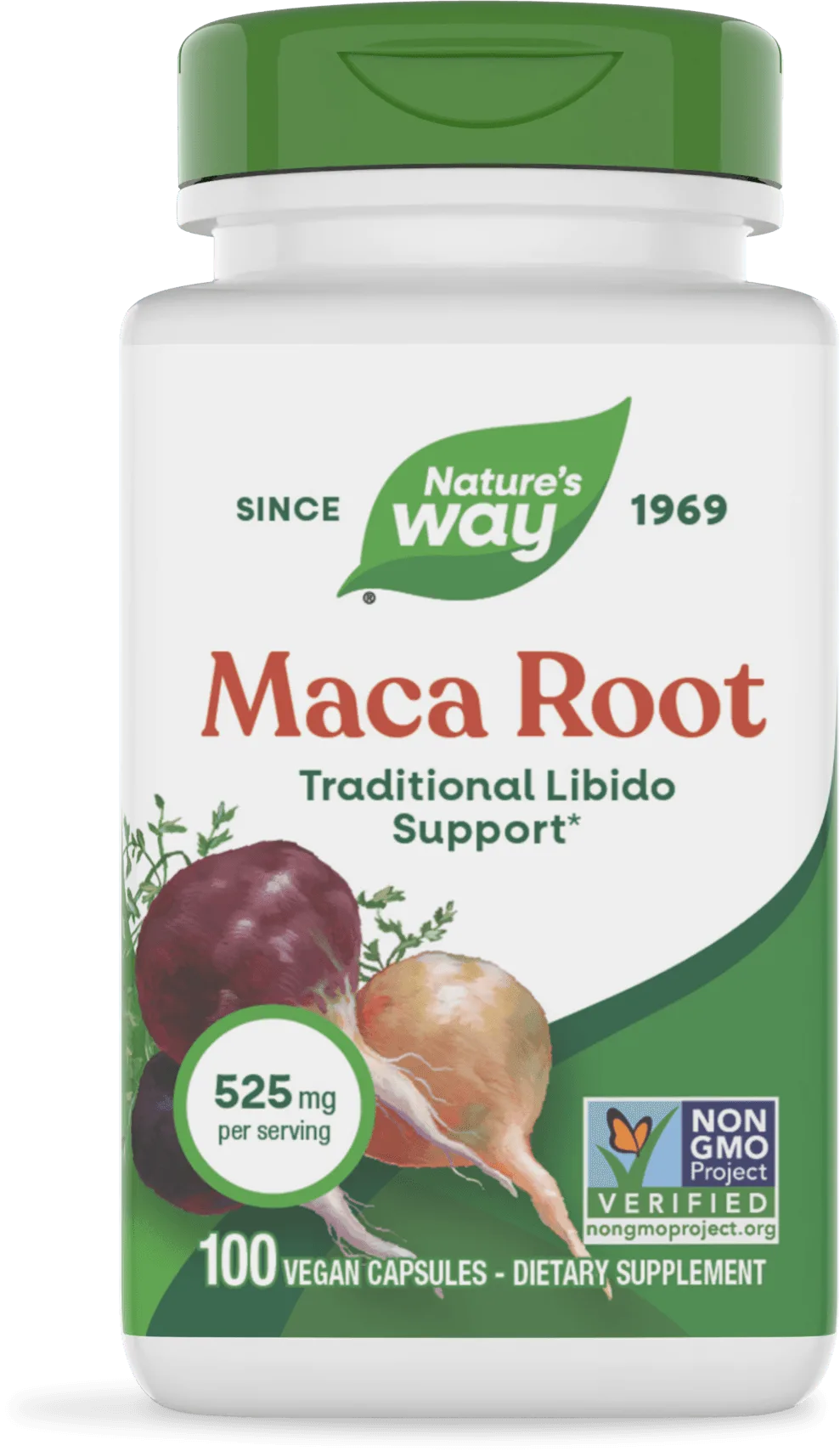
- Maca Root: Maca grows in Peru at high elevations in the Andes Mountains and is also known as Peruvian ginseng, though technically, maca is classified as a vegetable. It is often dried and used in powder form and tastes earthy and nutty. Nature’s Way Maca Root provides traditional libido support for both men and women.* If you're looking to support stamina and vitality more broadly, maca is a different but complementary option to beet root. It's also a powder that can be added to smoothies, but it works through a different mechanism and is not a substitute for beet root's nitrate effects.
- Ginger Root: Ginger has a deeply rooted history in Asian, Indian, and Arabic cultures for traditional digestive support.* Nature’s Way Ginger Root is sourced from India and West Africa, where it grows best. Ginger is often used to settle the stomach and may help with digestive comfort. If you're adding beet root to your routine and experience any mild digestive upset, ginger could be a helpful addition.
Beet root is a well-researched natural option for supporting healthy blood pressure and may give your stamina a modest boost. Choose a form that fits your routine, be consistent, and pay attention to how your body responds. As with any supplement, it's not a replacement for a healthy lifestyle or prescribed medication, but it can be a valuable addition to your wellness toolkit.