Quick answer
For your first liner art set, prioritize a brush with a fine, precise tip and a comfortable grip, and pair it with a creamy, anti-spread gel polish. A dual-ended liner brush that includes a clean-up end is a practical choice because it saves you from buying a separate cleanup tool. Look for a 15mm liner brush if you want versatility for both thin lines and color blocking.
What to look for in a beginner nail brush set
When you're starting with liner art, the brush tip matters more than the handle. A fine, tapered tip lets you draw thin lines and details, while a slightly longer brush (like 15mm) gives you more control for sweeping strokes. Avoid ultra-short bristles if you're a beginner—they can be harder to control and require a steadier hand.
Handle comfort is another factor. If the brush feels too thin or slippery, your hand will tire quickly. Some brushes come with a dual-ended design, which gives you two functions in one tool. For example, a brush with a liner on one end and a clean-up/blender on the other means you can fix mistakes without switching tools—a real time-saver when you're learning.
How to pair your liner brush with gel polish
Liner brushes work best with gel polish that has a creamy, anti-spread formula. A polish that spreads too much will bleed into the lines you draw, making it hard to get crisp details. Look for polishes described as 'anti-spread' or 'extreme pigment'—these hold their shape better and require fewer coats, which is helpful when you're still practicing.
Also consider the shade. A creamy periwinkle or a deep neutral can be more forgiving for practice than a stark white or black, which show every imperfection. If you're just starting, pick a shade you love and that you won't mind using for practice lines.
Common trade-offs in beginner brush sets
One trade-off is between a single-purpose liner brush and a dual-ended brush. A single liner brush is often cheaper and may have a finer tip, but a dual-ended brush adds a clean-up function, which is valuable for fixing mistakes. If your budget is tight, a dual-ended brush can replace two tools.
Another trade-off is brush length. A longer liner brush (15mm) gives you more surface area for color blocking and broader strokes, but it may be less precise for ultra-fine details. If you plan to do mostly thin lines, a shorter, finer tip might be better. For a beginner, the 15mm length is a good compromise because it lets you try different techniques with one brush.
Decision rules for your first liner brush set
- Rule 1: Tip shape: Choose a fine, tapered tip for thin lines and details. If you plan to do color blocking or broader strokes, a 15mm liner brush gives you more surface area. A 15mm liner brush is a versatile starting point.
- Rule 2: Dual-ended vs. single: Dual-ended brushes add a clean-up or blending function, saving you money and space. Single brushes are often cheaper but require a separate cleanup tool. If you're on a budget, a dual-ended brush is the better value.
- Rule 3: Pair with the right gel polish: Use a creamy, anti-spread gel polish to keep lines crisp. Avoid runny formulas that bleed into your design. Check the formula description before you buy—'anti-spread' is a good sign.
- Rule 4: Handle comfort: A comfortable, non-slip handle reduces hand fatigue during practice. If possible, hold the brush before buying or read reviews about grip. Comfort matters for longer practice sessions.
Products that fit a beginner liner art kit
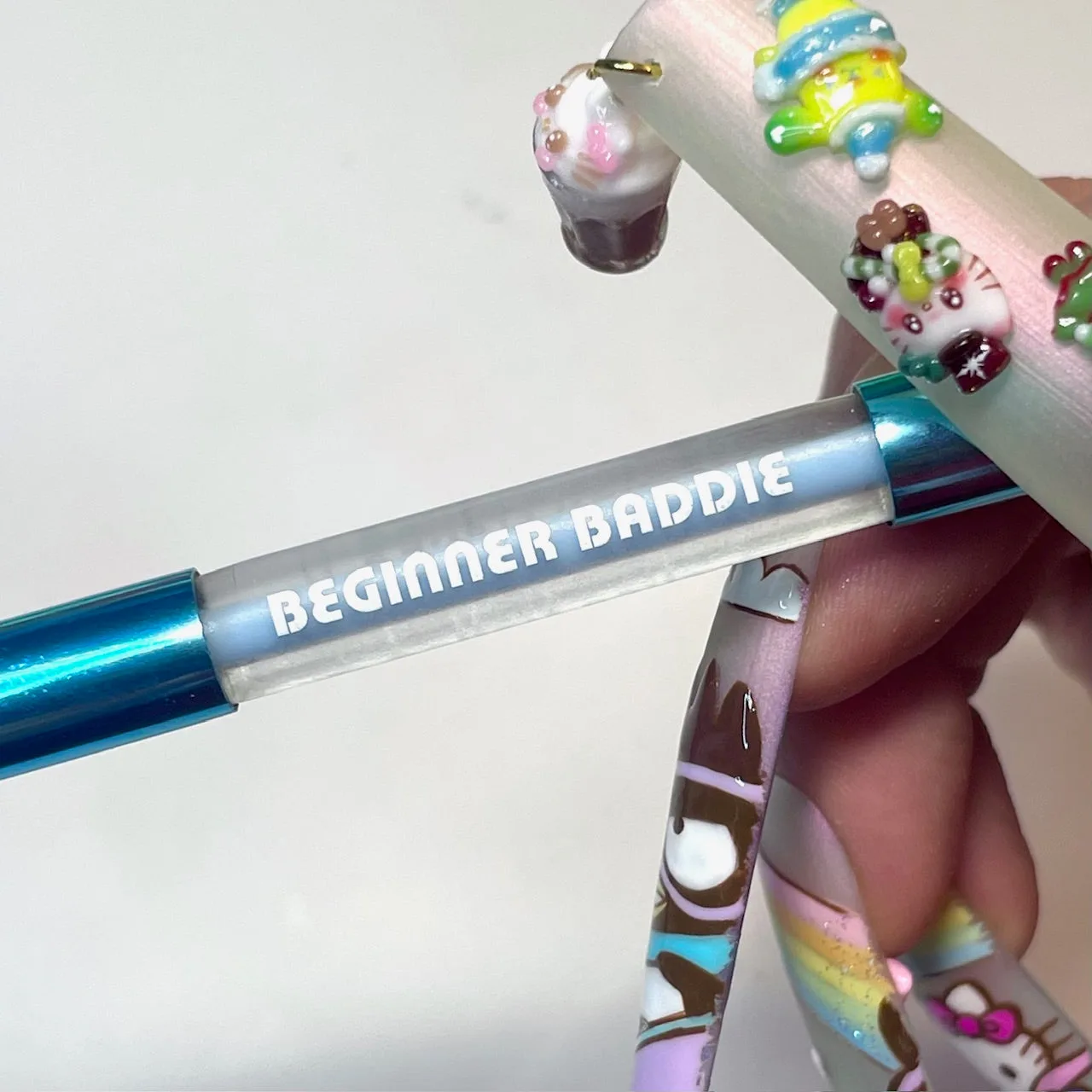
- "Beginner Baddie" Liner Brush: The "Beginner Baddie" Liner Brush is a dual-ended nail art brush featuring a clean up brush/blender on one end and a 15mm liner brush on the other. This gives you two tools in one: a liner for drawing lines and a clean-up end for fixing mistakes, which is ideal for beginners who want to avoid buying multiple brushes.
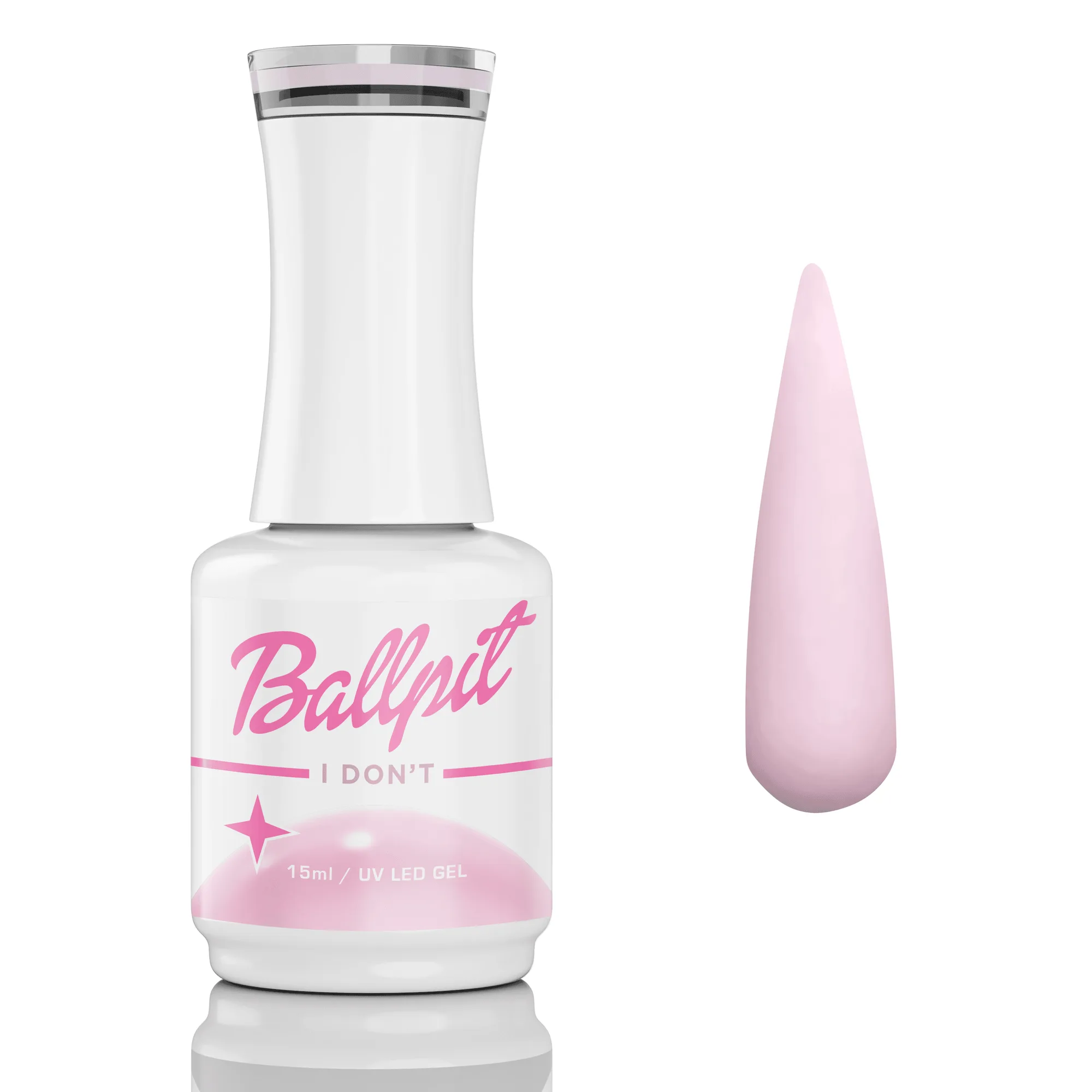
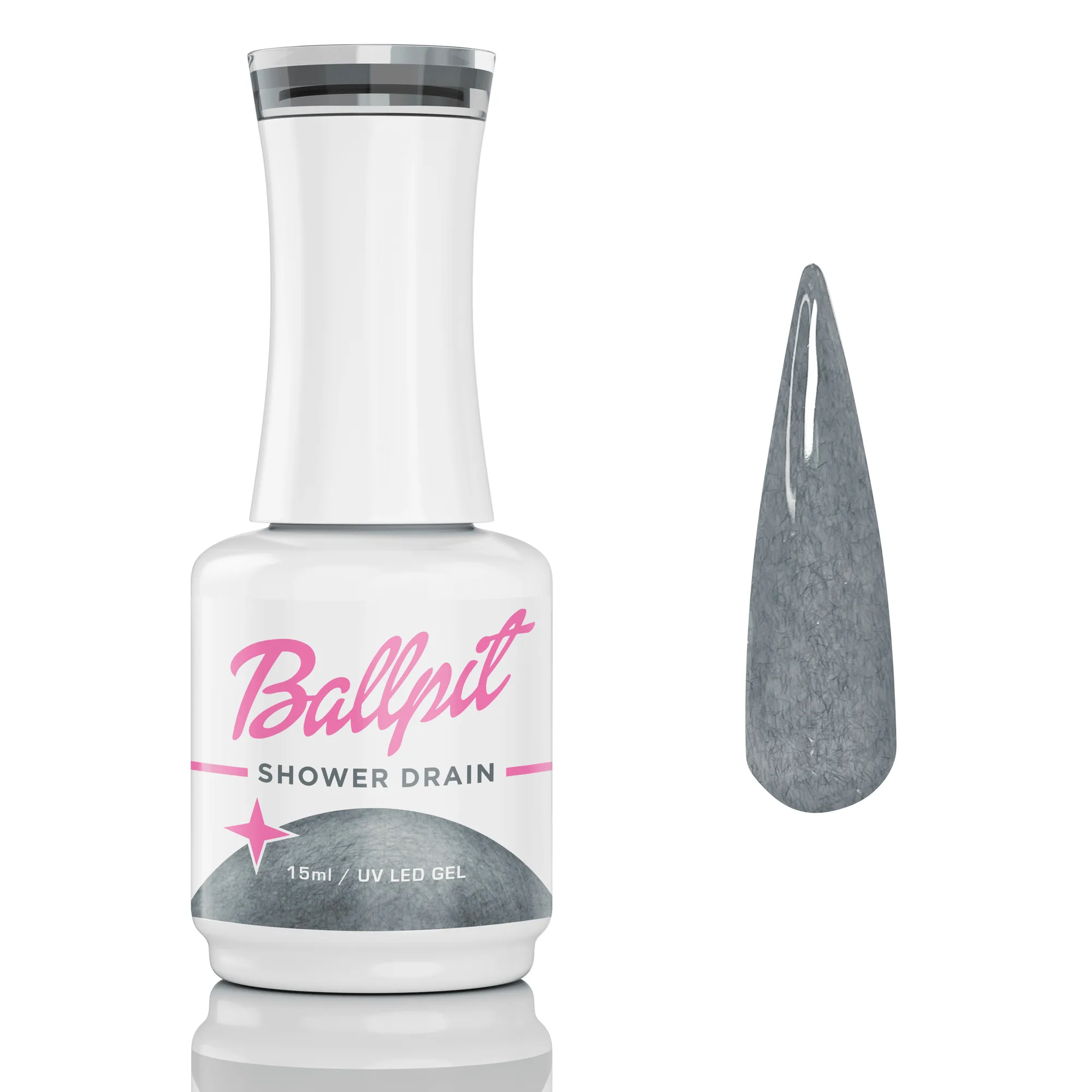
- I Don't - Gel Polish: I Don't is a UV/LED soak-off gel polish with a classic creamy gel formula described as having extreme pigment and anti-spread properties. A creamy, anti-spread gel polish holds its shape when you draw lines, making it easier to get crisp results with your liner brush. The 15ml size is practical for testing a shade without committing to a large bottle.
Who this brush set is for
Best for
- Beginners who want a single tool that can line and clean up mistakes
- Anyone who wants to try color blocking and thin lines with one brush
Not for
- Professionals who need ultra-fine detail brushes for intricate freehand art
- Those who prefer separate brushes for each function and have a larger budget