Quick Answer
If you are new to bag making and want one project with the right fabric, mesh, and hardware already chosen, a beginner tote kit usually saves more time and avoids costly trial-and-error. If you already own suitable fabric, interfacing, and zippers, buying fabric separately can cost less per project. The deciding factor is not just price: it is how much waste and re-buying you avoid.
What Each Route Actually Costs You
A kit bundles the pattern, fabric, and supplies for one bag. The Month 4: Beginner Tote kit is priced at USD 70.99 with a catalog comparison price of USD 99.99, and it includes the materials and steps for a medium-size tote with boxed corners and pockets. Buying separately means pricing fabric by the yard, mesh by the cut, interfacing, zippers, and any hardware. A single tote may need half a yard to a yard of main fabric, lining, and interfacing, plus a zipper and mesh for pockets. At Sallie Tomato, mesh is USD 4.31 for an 18 x 54 inch cut, and cotton prints like Moda Superbloom Indigo Striped Cotton are USD 2.24, so the fabric line items look small. The hidden cost is ordering the wrong weight, running short, or paying shipping twice.
Where Kits Save More Than Money
Kits remove three beginner failure points: fabric compatibility, quantity, and sequencing. The Beginner Tote kit is designed with similar steps to the Quilted Pouches, so you build skills in fabric preparation and creating a front zipper before the tote gets complex. That progression is hard to replicate when you buy fabric separately and pick a pattern at random. A kit also gives you a known yardage, so you are not guessing whether a remnant is enough for boxed corners. If your goal is to finish one bag and learn the process, the kit is the lower-risk purchase.
When Buying Separately Wins
Buying separately wins when you already have a fabric stash, interfacing, and zippers, or when you plan to make several totes and want to reuse one pattern. It also wins when you want a specific look, such as a cork exterior or a striped cotton lining. Cork fabric is sold by the quarter yard and cut continuous, so you can buy exactly the amount for a tote front and back. A short cut like Lite Denim Backed Mandala Cork Fabric is 18 to 24 inches wide and non-returnable because it is clearance, which is a real limitation: measure your pattern before ordering. Separate buying also lets you test a fabric sample before committing to a full yard, which matters if color matching is important.
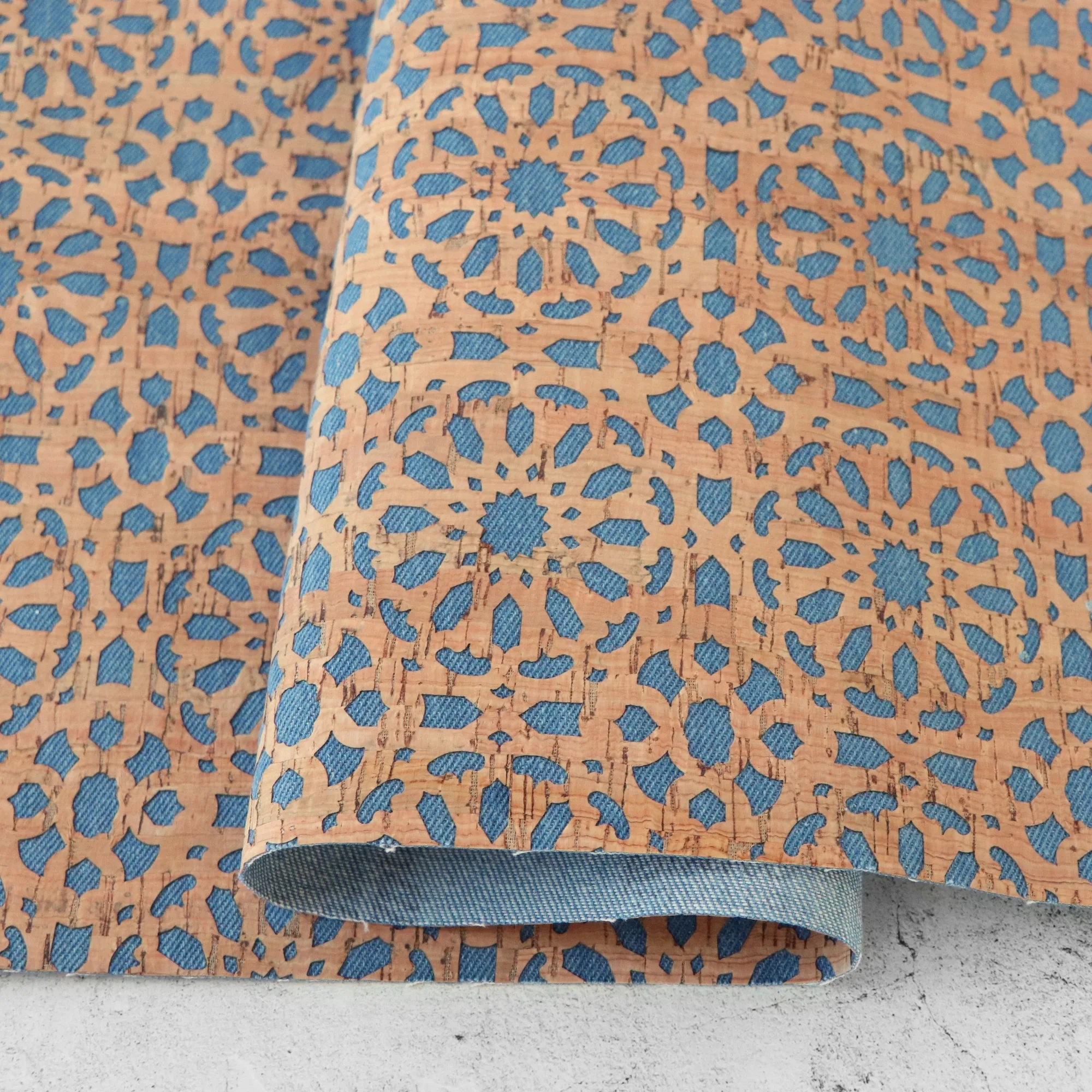
Lite Denim Backed Mandala Cork Fabric
Skill and Time Trade-Offs
A kit compresses decisions. You open the box and sew. That saves evenings you would otherwise spend reading pattern requirements and sourcing mesh, zippers, and interfacing. Separate buying stretches the project but teaches you how to read a supply list, substitute fabrics, and plan yardage. If you want to make bags repeatedly, that skill pays off. If you want one finished tote for everyday use, the kit is faster. Neither route is wrong; they serve different goals.
Decision Rules: Kit or Separate?
- Choose the kit if you have never sewn a zipper: The Beginner Tote kit includes a front zipper step and follows the same sequence as the Quilted Pouches, so you practice before the full bag. One purchase, no sourcing, lower risk of running short.
- Choose separate buying if you already own interfacing and zippers: Reusing what you have turns the kit price into fabric-only spending. A mesh cut at USD 4.31 and cotton at USD 2.24 per unit can cover a tote for less than a full kit. Check your stash before you compare prices.
- Choose separate buying if you want cork or a specific print: Cork is sold by the quarter yard and cut continuous, and cotton prints like Superbloom give you a look a kit may not include. But short cork cuts are 18 to 24 inches wide and non-returnable, so measure first. Order a sample if color or width is uncertain.
- Choose the kit if you value a finished bag over stash building: Kits remove the guesswork of yardage and compatibility. Separate buying adds planning time but teaches substitution skills. Pick based on whether you want speed or repeatable skill.
Products That Affect the Decision
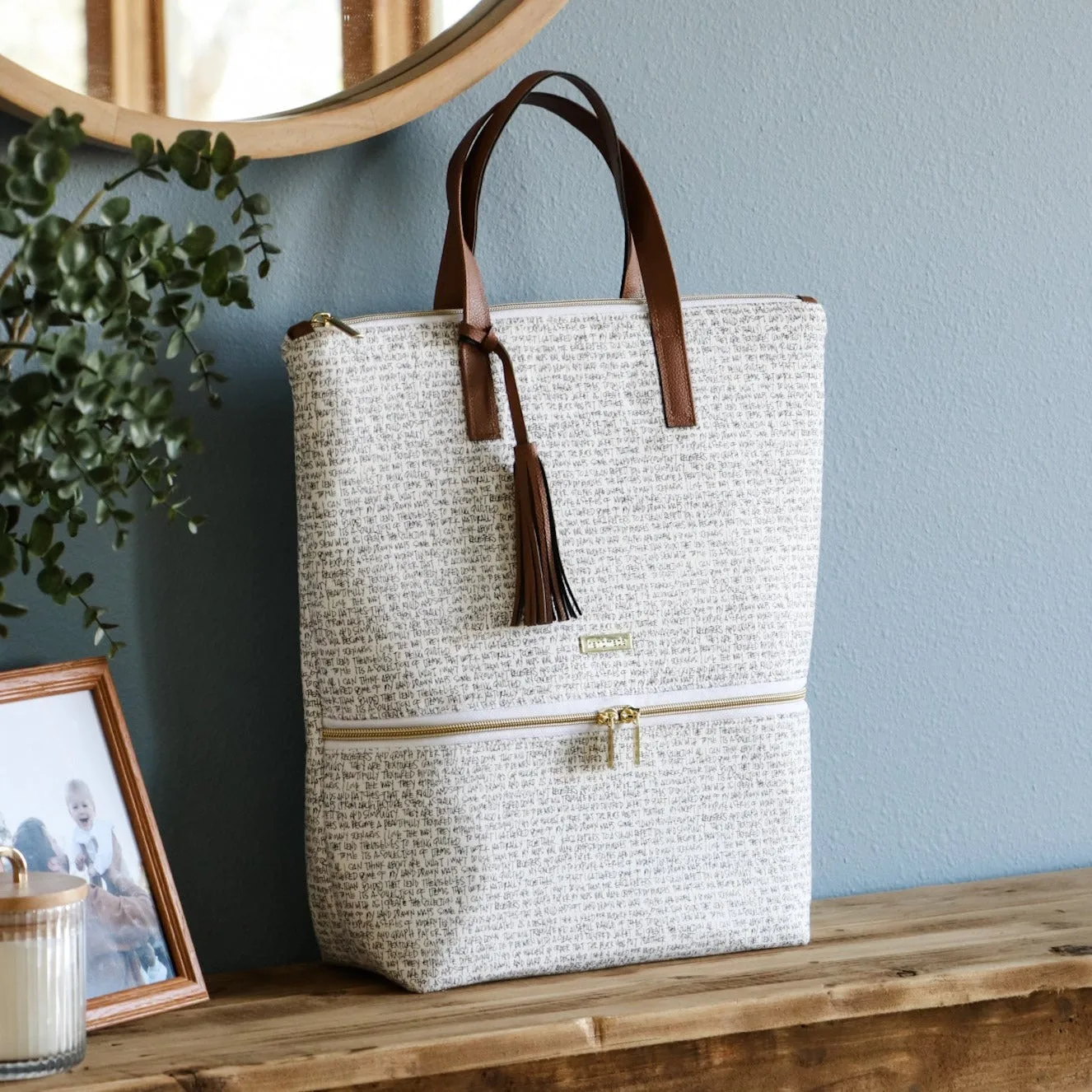
- Month 4: Beginner Tote - Making Bags: A Field Guide Kit: The Month 4: Beginner Tote kit builds a medium-size tote with boxed corners and pockets, and it is designed with similar steps to the Quilted Pouches. This is the kit route: one purchase, a clear skill progression, and fewer decisions before you sew.
- ByAnnie's Mesh Fabric 18" x 54" Pewter: ByAnnie's Mesh Fabric is lightweight, slightly stretchy, and coated to be less slippery and easier to sew, and it is sold as an 18 x 54 inch cut. If you buy separately, this is the mesh to use for see-through pockets; the coating helps beginners control the fabric.
- SHORT: Lite Denim Backed Mandala Cork Fabric: Lite Denim Backed Mandala Cork Fabric is a short cut measuring 18 to 24 inches wide, sold by the quarter yard, and non-returnable because it is clearance. Cork gives a structured, wipeable exterior, but the short width and no-return policy mean you must measure your pattern before ordering.
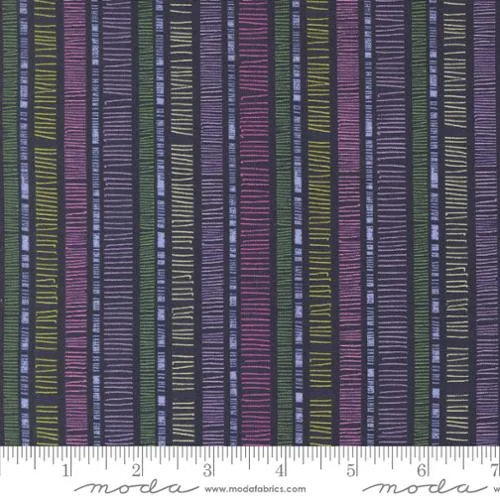
- Moda - Superbloom - Indigo Striped Cotton: Moda Superbloom Indigo Striped Cotton is 44 to 45 inches wide and features a hand-drawn stripe with short dashes that create a woven-like texture. This cotton works as a lining or accent when buying separately; the stripe adds visual interest without competing with a busy exterior.
Who Should Choose Which
Best for the kit
- First-time bag makers who want one guided project
- Sewists who do not own bag-specific interfacing, mesh, or zippers
- Anyone who wants to finish a tote without sourcing multiple items
Better buying separately
- Sewists with a fabric and interfacing stash already on hand
- Makers planning several totes who want to reuse one pattern
- Anyone who needs a specific cork or print exterior that a kit does not include