Oolong tea sits in a beautiful middle ground between green and black tea, offering a vast range of flavors—from floral and creamy to toasty and fruity. But for a beginner, the sheer variety can be overwhelming. This guide will walk you through the key factors that define quality oolong, so you can shop with confidence and find a tea you truly enjoy.
Whether you're browsing online or in a specialty shop, understanding oxidation, roast level, leaf appearance, and aroma will help you pick a loose leaf oolong that suits your taste. We'll also touch on how to evaluate value and avoid common pitfalls.
Understanding Oxidation: The Spectrum of Oolong
Oolong teas are partially oxidized, typically ranging from 10% to 80%. Lightly oxidized oolongs (10-30%) resemble green tea, with floral and creamy notes—think of a fresh Tieguanyin. Heavily oxidized oolongs (50-80%) lean toward dark, toasty, or fruity flavors, similar to a roasted Wuyi Rock tea. As a beginner, start with a mid-range oxidation (around 30-50%) to experience the classic oolong balance. The Oriental Beauty Oolong Caddy 75g is a famous example of a heavily oxidized oolong with honey-like sweetness and a fruity character.
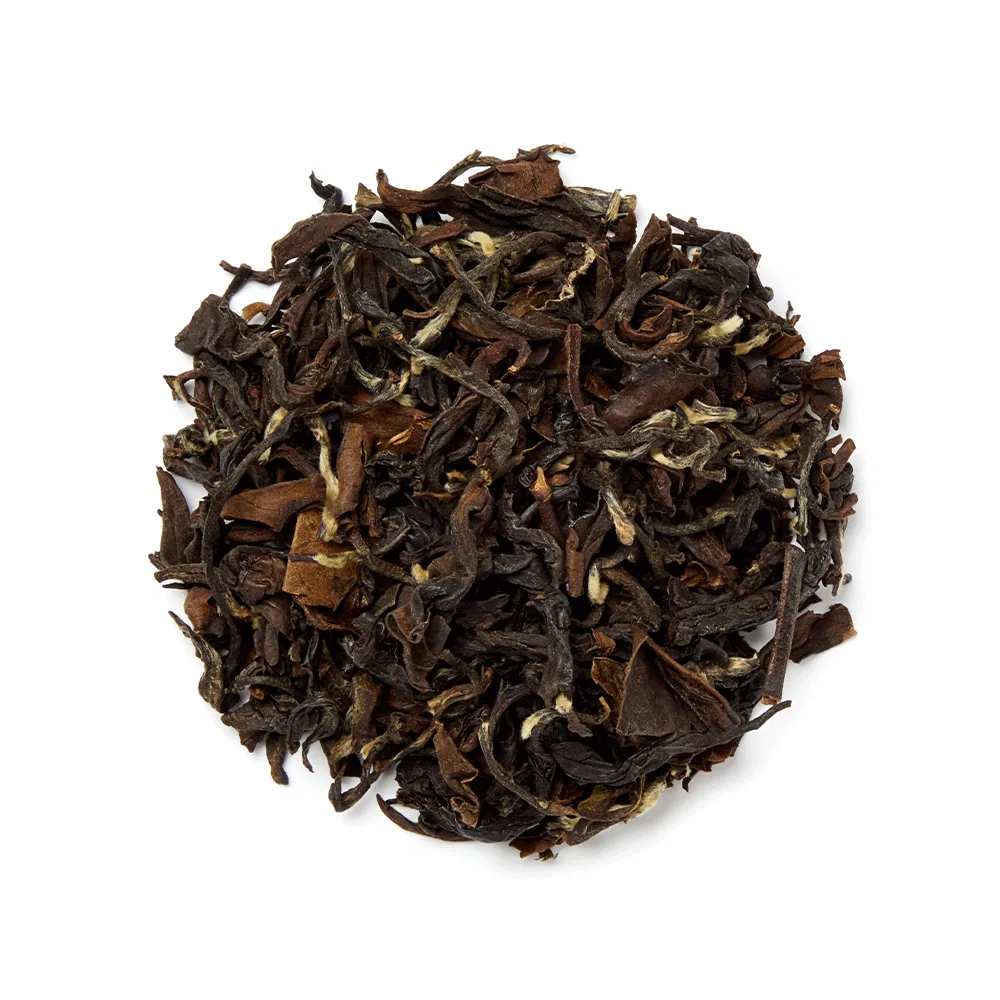
Oriental Beauty Oolong Caddy 75g
Oxidation level also affects caffeine content and brewing temperature. Lighter oolongs are best brewed at lower temperatures (around 85°C), while darker ones can handle near-boiling water. Knowing your preference for brightness versus depth will guide your first purchase.
- Light oxidation: floral, creamy, green tea-like (e.g., Tieguanyin)
- Medium oxidation: balanced, fruity, or nutty (e.g., Dong Ding)
- Heavy oxidation: dark, toasty, honeyed (e.g., Oriental Beauty)
Leaf Appearance and Aroma: Signs of Quality
High-quality loose leaf oolong is typically whole-leaf, not broken or dusty. Look for tightly rolled balls (for Taiwanese oolongs) or twisted, wiry leaves (for Wuyi oolongs). The leaves should feel crisp, not stale or overly dry. A fresh oolong will have a strong, pleasant aroma even before brewing—floral, nutty, or fruity. Avoid teas that smell musty, smoky, or flat.
When you open a pouch, the scent should immediately tell you something about the tea. For example, the Special Formosa Gourmet Caddy 50g offers a classic Taiwanese oolong aroma with notes of orchid and cream. If the tea smells like nothing or has an artificial scent, it's likely low quality or poorly stored.
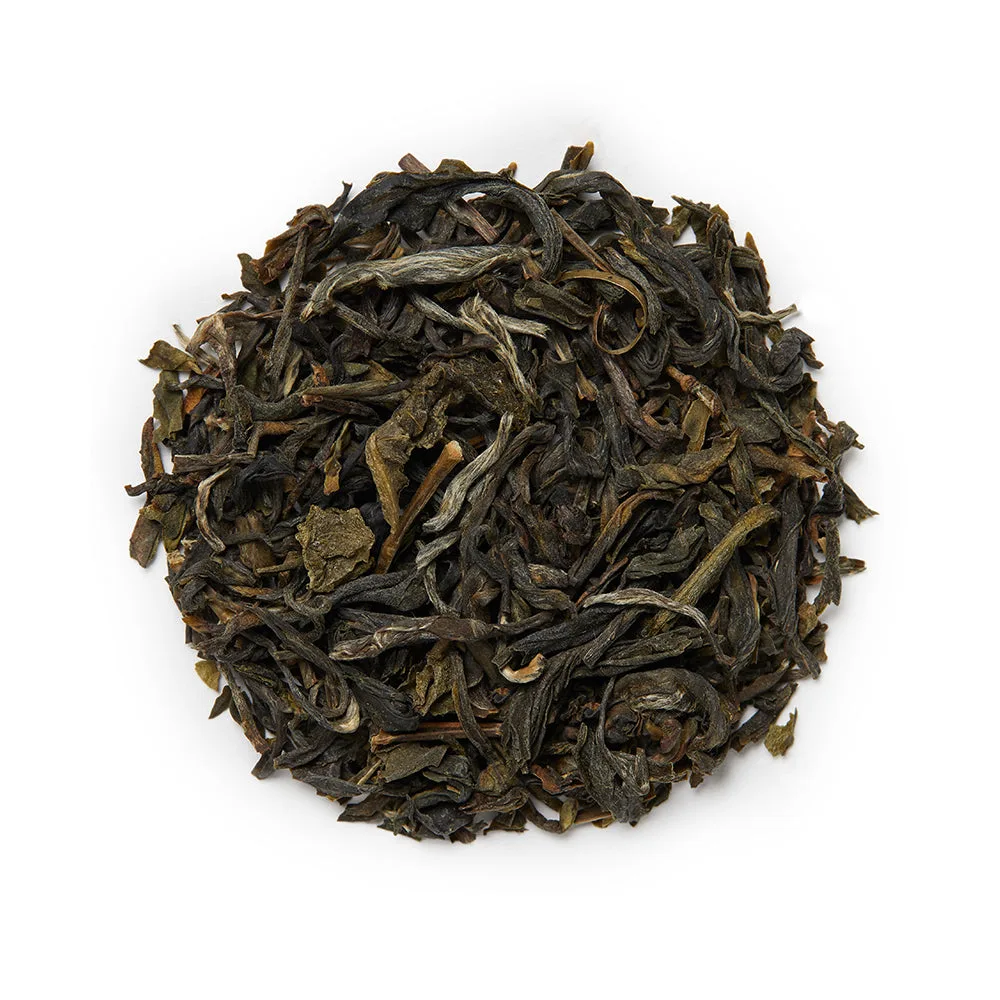
Special Formosa Gourmet Caddy 50g
- Whole leaves indicate careful processing
- Fresh oolong should have a pronounced, natural aroma
- Avoid broken leaves or powdery dust in the bottom of the package
Roast Level: From Light to Charcoal
Many oolongs are roasted after oxidation to add depth and complexity. Lightly roasted oolongs retain more floral and vegetal notes, while heavily roasted ones develop caramel, chocolate, or even smoky flavors. The roast should complement the tea, not overpower it. A well-roasted oolong will have a smooth, lingering finish without bitterness.
If you're new to roasted teas, try a medium-roast oolong first. For a unique experience, the https://sunbiteai.shop/products/masala-chai-heritage-loose-leaf-136080Masala Chai Heritage Loose Leaf is a spiced black tea, not an oolong, but it shows how roasting and spices can transform a tea. For true oolong lovers, a lightly roasted Tieguanyin is a safe starting point.
- Light roast: floral, buttery, subtle warmth
- Medium roast: nutty, toasty, balanced
- Heavy roast: dark chocolate, charcoal, bold
How to Evaluate Price and Value
Oolong tea prices vary widely based on origin, season, and processing. High-quality oolongs from famous regions (like Wuyi or Ali Shan) cost more, but you don't need to spend a fortune for a good cup. Look for teas that offer multiple infusions—quality oolong leaves can be steeped 3-5 times or more, making them more economical per serving.
When comparing prices, check the weight and the number of servings. A 75g caddy like the Oriental Beauty Oolong Caddy 75g might seem pricey, but if you get 5 steeps per session, that's 15-20 sessions. Always buy from a reputable seller who provides harvest year and origin details.
- More expensive doesn't always mean better for your taste
- Check how many infusions the leaves can handle
- Avoid bargain oolongs that are faded or smell artificial
Buying oolong tea as a beginner is all about exploration. Start with a well-known style like a light Taiwanese oolong or a medium-roast Chinese oolong, and pay attention to oxidation, roast, and leaf quality. Don't be afraid to ask for samples or buy small quantities first. With a little practice, you'll soon recognize the subtle differences that make oolong one of the most rewarding tea categories.