Loose leaf tea is a delightful investment in your daily ritual, offering superior flavor and aroma compared to tea bags. But to truly enjoy every sip, you need to know how to store it properly. Improper storage can lead to stale, flavorless tea that loses its health benefits. In this guide, we'll share essential tea storage tips to keep your leaves fresh, fragrant, and full of character.
Whether you're a seasoned tea enthusiast or just starting your loose leaf journey, understanding the factors that affect tea freshness—light, air, moisture, and odors—is key. With the right containers and a few simple habits, you can extend the shelf life of your tea and ensure every cup tastes as vibrant as the first.
Why Proper Storage Matters for Loose Leaf Tea
Loose leaf tea is more than just dried leaves; it's a delicate product that reacts to its environment. Exposure to oxygen can cause oxidation, which dulls the flavor and aroma. Light, especially sunlight, can break down the delicate compounds that give tea its unique taste. Moisture is another enemy—it can lead to mold and spoilage. Additionally, tea easily absorbs odors from its surroundings, so storing it near spices or coffee can result in an unpleasant taste.
By mastering loose leaf tea storage, you not only preserve the taste but also the beneficial antioxidants and other compounds. Proper storage ensures that each brew delivers the full spectrum of flavors, from the grassy notes of green tea to the malty richness of black tea. It also saves you money, as you won't have to throw away stale tea that has lost its appeal.
- Always store tea in an airtight container to minimize oxygen exposure.
- Keep tea away from light, heat, and moisture to maintain freshness.
- Avoid storing tea near strong-smelling items like coffee or spices.
Best Containers for Storing Loose Leaf Tea
The right container can make all the difference. Look for containers that are opaque, airtight, and made of non-reactive materials. Popular options include ceramic, porcelain, and food-grade stainless steel. These materials do not impart any flavors and provide a sturdy barrier against light and air. Glass jars are also common, but they should be kept in a dark cupboard to protect the tea from light.
For everyday use, consider a tea-specific container like a ceramic tea canister or a dedicated tea tin. Many tea lovers appreciate the aesthetic appeal of porcelain containers, which also offer excellent insulation. If you're looking for a reliable option, the Tealyra Pluto Porcelain Teapot is not just for brewing—its design can also be used as a stylish storage vessel for your favorite leaves. Alternatively, the Viva Lauren Porcelain & Cork Teapot offers a unique cork seal that keeps air out, making it a dual-purpose piece for both brewing and storing.
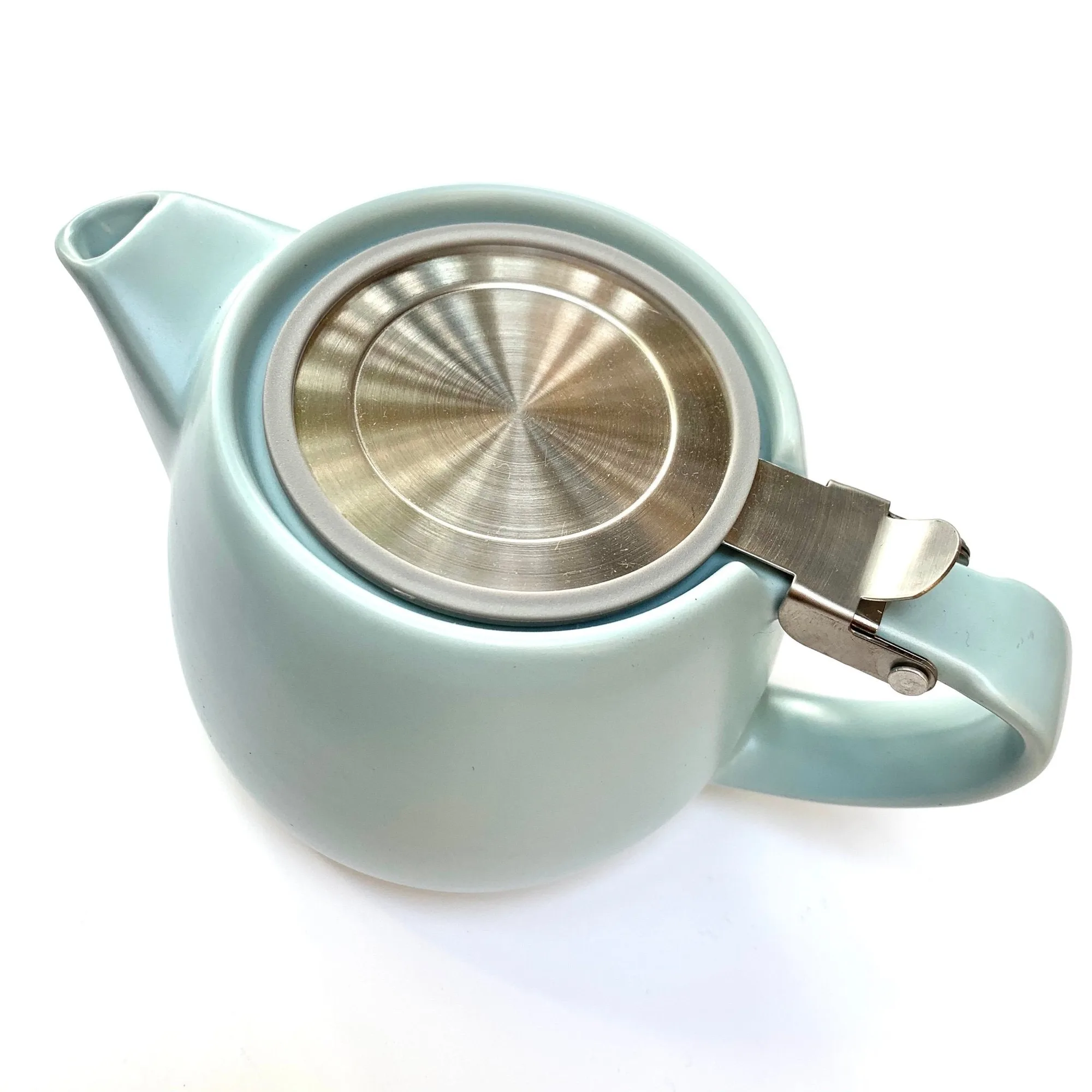
Tealyra Pluto Porcelain Teapot
- Choose opaque, airtight containers to block light and air.
- Porcelain and ceramic are excellent choices for maintaining flavor.
- Avoid plastic containers, as they can absorb and transfer odors.
How to Store Different Types of Tea
Different teas have varying storage needs. Green and white teas are more delicate and should be consumed within six months to a year. They require extra protection from light and air. Black teas, on the other hand, can last up to two years if stored properly. Oolong teas fall somewhere in between, with a shelf life of about one year. Herbal teas, which are often made from dried fruits and flowers, can last up to two years but may lose potency over time.
Regardless of the type, always store your tea in a cool, dry place. A pantry or a cupboard away from the stove is ideal. Avoid storing tea in the refrigerator or freezer, as the moisture and odors can compromise the leaves. If you have a large quantity of tea, consider dividing it into smaller portions and only opening one at a time to minimize exposure to air. This is a practical tea storage tip that keeps the rest of your stash fresh.
- Green and white teas: consume within 6-12 months for best flavor.
- Black and herbal teas: can last 1-2 years with proper storage.
- Always keep tea in a cool, dry place, away from heat sources.
Common Mistakes to Avoid in Tea Storage
Even with the best intentions, many tea lovers make simple mistakes that ruin their tea. One common error is leaving tea in the original packaging after opening. Those bags are not designed for long-term storage and often lack a proper seal. Another mistake is using a spoon that is wet or has been used for other foods, which can introduce moisture and bacteria into the container. Always use a dry, clean spoon to scoop out your tea.
Additionally, don't store tea near the stove or oven, as the heat and steam can accelerate deterioration. And while it might be tempting to display your tea in a beautiful glass jar on the counter, this exposes it to light, which can quickly fade the color and flavor. Instead, invest in a proper storage solution like the Casaware Ceramic Tea Infuser Mug, which not only keeps your tea fresh but also allows you to brew directly in the mug, making it a convenient all-in-one option.
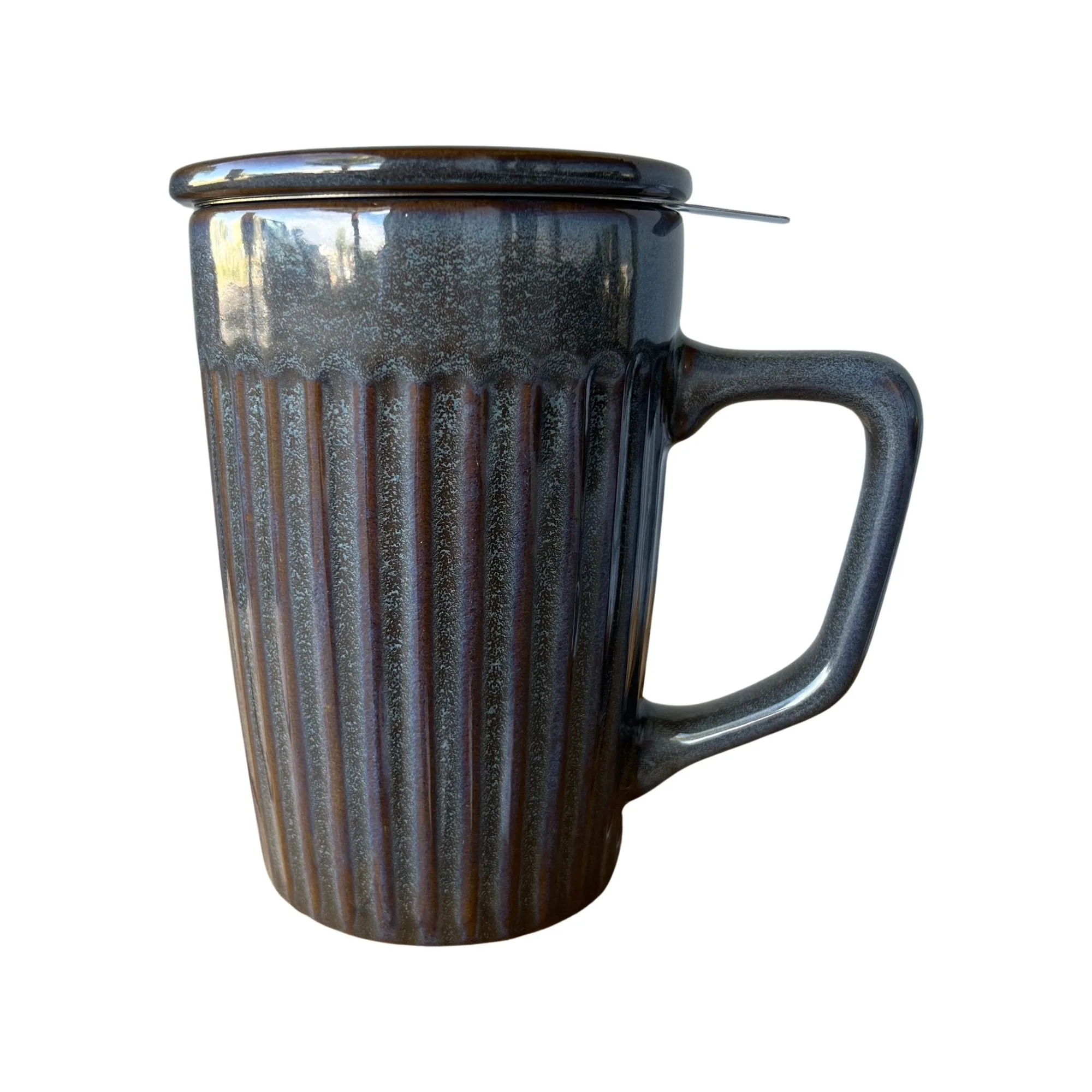
Casaware Ceramic Tea Infuser Mug
- Don't keep tea in its original bag after opening.
- Always use a dry spoon to avoid introducing moisture.
- Keep tea away from heat sources like stoves and ovens.
How Long Does Loose Leaf Tea Last?
The shelf life of loose leaf tea depends on several factors, including the type of tea and how it's stored. As a general rule, most teas will remain fresh for about one to two years when stored properly. However, tea doesn't necessarily go bad in a way that's harmful; it simply loses its flavor and aroma over time. You can tell if tea has gone stale if it has lost its vibrant color, has a dull smell, or tastes flat.
To maximize freshness, always note the harvest date if available and try to consume your tea within the recommended time frame. If you buy tea in bulk, consider using a vacuum sealer or a container with a tight seal to extend its life. For those who enjoy a variety of teas, the Core 4 Tea Bundle is a great way to have a selection of fresh teas without worrying about them going stale, as you can rotate through them.
- Most teas stay fresh for 1-2 years with proper storage.
- Stale tea loses flavor and aroma but is not harmful.
- Buy in smaller quantities to ensure you always have fresh tea.
Tools to Enhance Your Tea Storage and Brewing
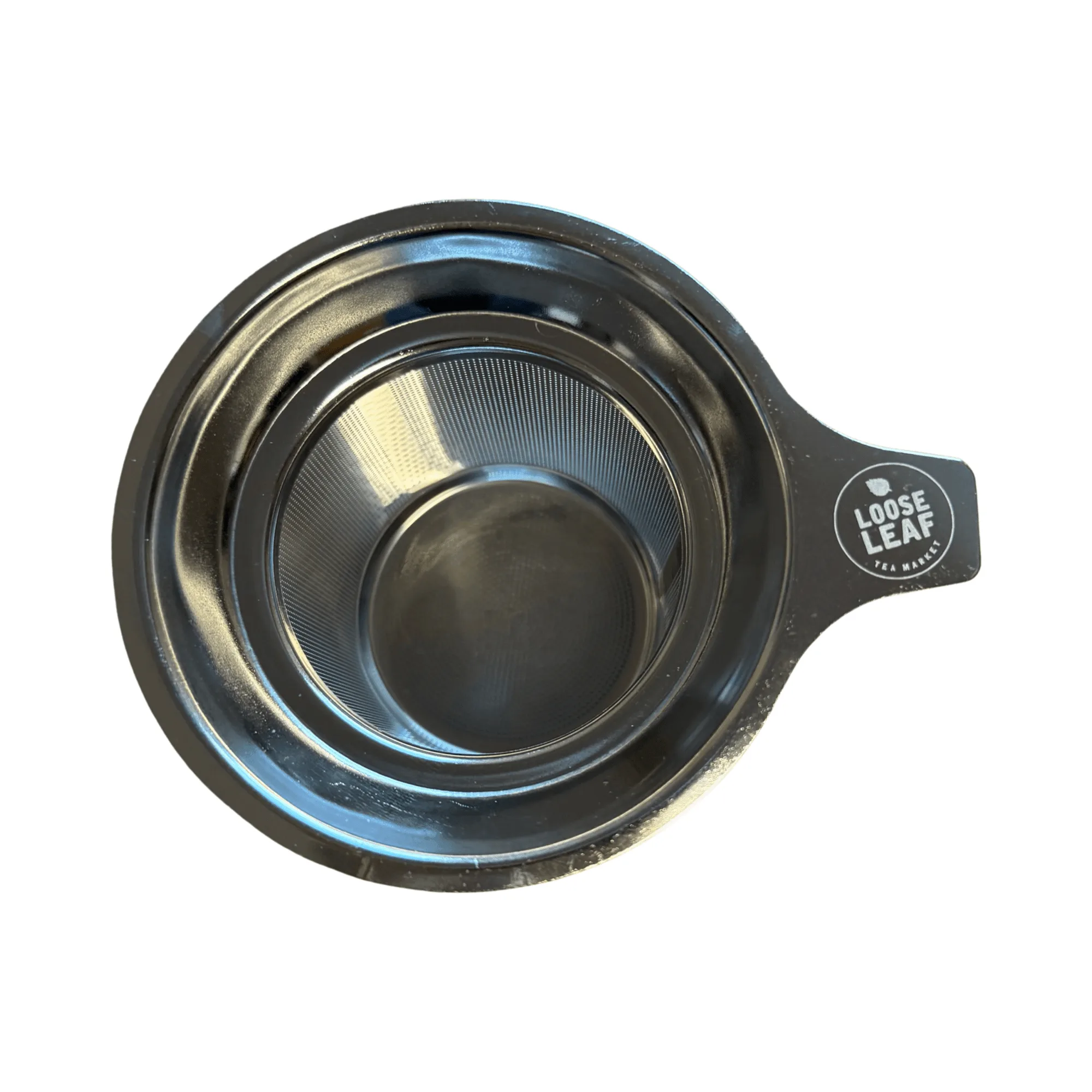
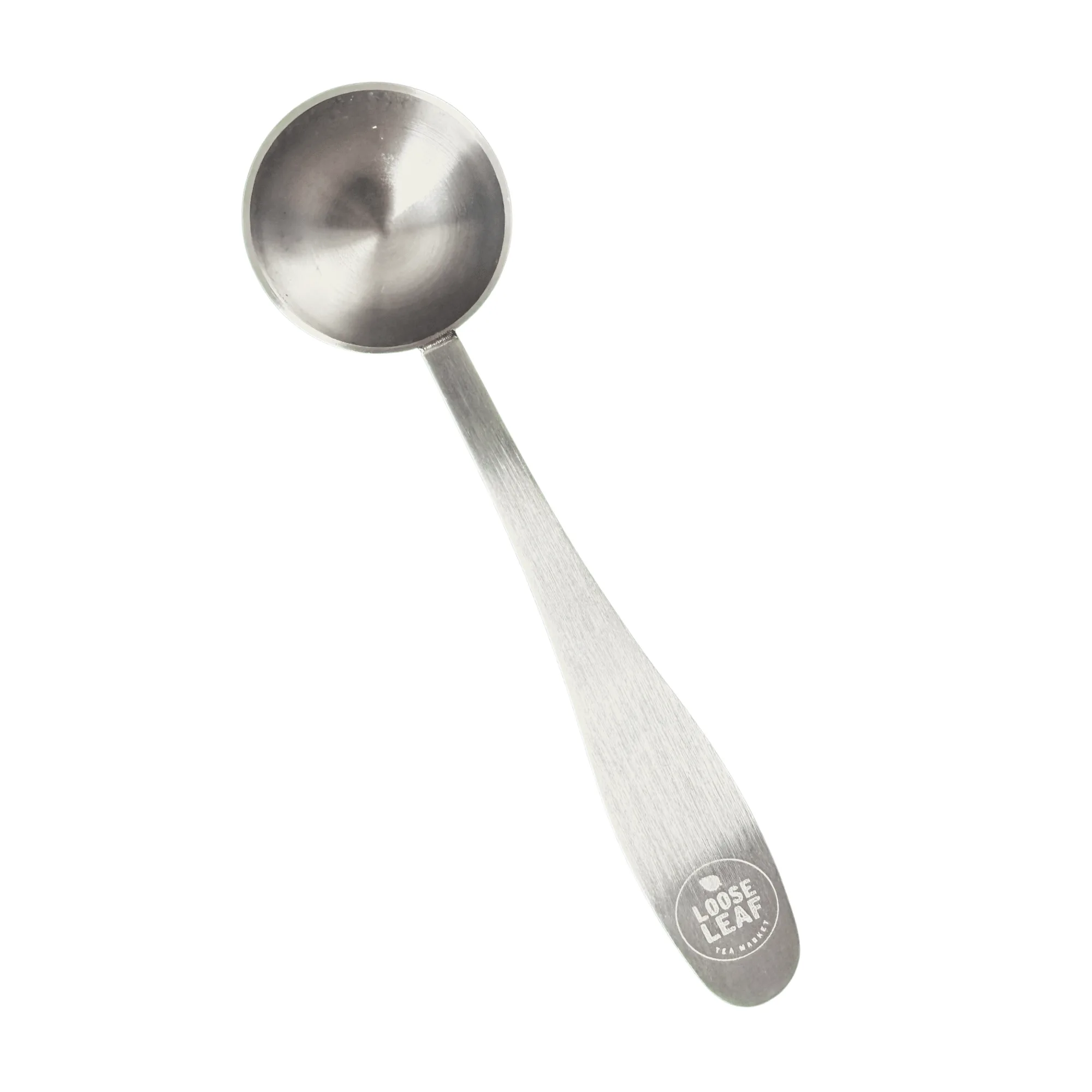
Beyond containers, several accessories can improve your tea experience. A high-quality infuser, like the Stainless Steel Tea Infuser Ultra-Fine, ensures that your leaves are fully submerged and can expand, releasing their full flavor. Using a measuring spoon, such as the Measuring Tea Spoon, helps you use the right amount of tea, preventing waste and ensuring consistency. These tools not only make brewing easier but also contribute to better storage practices by minimizing handling.
If you're serious about tea, consider joining a VIP Membership to get access to exclusive blends and storage tips. And for those looking to manage sugar cravings, the Sugar Can F*ck Itself Book offers insights into reducing sugar intake, which pairs perfectly with the natural sweetness of well-stored tea. Remember, the goal is to enjoy your tea at its best, and proper storage is the first step.
- Use a fine-mesh infuser to allow tea leaves to expand fully.
- A measuring spoon ensures the perfect tea-to-water ratio.
- Membership programs can provide access to fresher, exclusive teas.
Storing loose leaf tea properly is essential for preserving its flavor, aroma, and health benefits. By choosing the right containers, avoiding common mistakes, and following the tips outlined above, you can enjoy a perfect cup every time. Ready to upgrade your tea storage? Explore our collection of teapots and accessories, like the Tealyra Pluto Porcelain Teapot, to find the perfect addition to your tea ritual.