Quick Answer
Start with a tea sampler that includes a mix of caffeine-free herbal teas and moderate-caffeine black or green teas. Look for samplers that let you try different flavor profiles without committing to a full-size bag, and check the ingredient list for natural flavorings. A good beginner sampler should be affordable, versatile, and come in small quantities so you can explore without waste.
If you're new to loose leaf tea, a tea sampler is the smartest way to start. Instead of buying a full bag of something you might not like, a sampler lets you taste several varieties in small amounts. It's like a flight of tea — you get to compare flavors side by side and discover what your palate prefers.
But not all samplers are created equal. Some focus on a single type, like all black teas, while others mix everything from herbal to oolong. Knowing what to look for in a tea sampler helps you choose a set that matches your taste, budget, and brewing confidence. This guide walks you through the key factors and gives you practical rules for picking your first variety pack.
What to Look for in a Tea Sampler
First, check the variety. A good beginner sampler should include more than one tea type. If you're just starting out, you might not know whether you prefer the briskness of black tea, the grassy notes of green tea, or the sweetness of herbal blends. A sampler that mixes types — like a black tea, a green tea, and a caffeine-free herbal — gives you a broader education.
Second, look at the quantity. Samplers usually come in small portions, which is perfect for learning. You want enough to brew a cup or two, but not so much that you feel pressured to finish something you dislike. Also, check the packaging: resealable pouches or tins keep leaves fresh between tastings.
Third, read the ingredient list. Some flavored teas use artificial flavorings, while others rely on natural ingredients like fruit pieces or spices. If you prefer clean, natural flavors, look for samplers that specify natural ingredients. For example, a tea flavored with Georgia-grown peaches is a different experience from one with artificial peach flavor.
- Check for a mix of caffeine-free and caffeinated options to cover different times of day.
- Look for small quantities (around 1-2 ounces per tea) so you can try without waste.
- Prefer samplers that list real ingredients, like fruit bits or spices, over vague 'natural flavors.'
How to Choose a Tea Sampler Based on Your Taste
Start by thinking about the flavors you already enjoy in food and drinks. If you love fruity, sweet drinks, a sampler with peach, raspberry, or mango teas will likely please you. If you prefer cozy, comforting flavors, look for vanilla, caramel, or mint blends. Many samplers are themed around a flavor profile, which makes selection easier.
Also consider your caffeine sensitivity. If you're sensitive to caffeine or want to drink tea in the evening, choose a sampler that includes herbal or rooibos options, which are naturally caffeine-free. If you need a morning pick-me-up, black or green teas with moderate caffeine will serve you better.
Don't forget to think about how you like to drink tea. Do you usually add milk and sugar? Then a robust black tea or a flavored blend like vanilla black will stand up to additions. If you prefer tea plain, a delicate green or a fruity herbal might be more enjoyable.
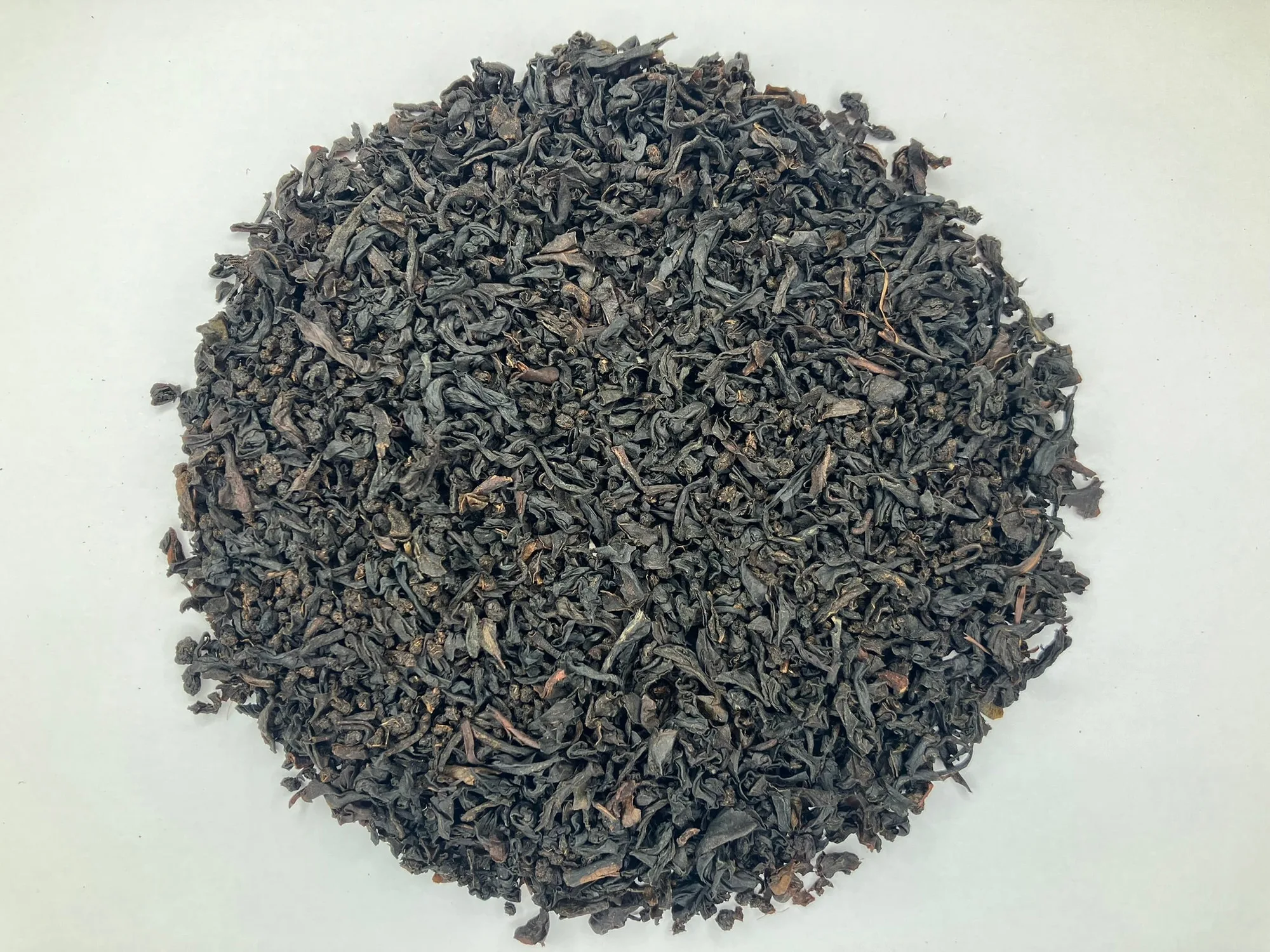
vanilla black
- Match the sampler to your favorite flavors: fruity, spicy, floral, or earthy.
- Consider caffeine: choose herbal or rooibos for evening, black or green for morning.
- Think about how you'll drink it — with milk and sugar or plain — and pick accordingly.
Practical Tips for Your First Tea Tasting
Once you have your sampler, set up a simple tasting. Use about one teaspoon of loose leaf per 8-ounce cup, and follow the recommended steeping time for each tea type. Oversteeping can make tea bitter, so set a timer. Taste each tea plain first, then add milk or sweetener if you like.
Take notes. Write down the aroma, color, and flavor of each tea. This helps you remember what you liked and guides your next purchase. Don't worry about using fancy terms — just note 'fruity,' 'smooth,' 'bitter,' or 'earthy.'
Store your sampler teas in a cool, dark place in airtight containers. This preserves freshness and flavor. Avoid storing near strong-smelling foods, as tea absorbs odors easily.
- Use a timer to avoid oversteeping — most teas need 2-5 minutes.
- Keep a simple tasting journal to track your favorites.
- Store open sampler pouches in airtight jars to maintain freshness.
Your Tea Sampler Decision Rules
- Rule 1: Start with variety: Choose a sampler that includes at least two different tea types (e.g., black, green, herbal). This gives you a broad introduction and helps you discover your preferences. If a sampler only has one type, you might miss out on a style you'd love.
- Rule 2: Check caffeine content: Look for samplers that clearly state caffeine content. If you're sensitive, ensure you have at least one caffeine-free option for evening drinking. A mix of caffeinated and caffeine-free teas covers all times of day.
- Rule 3: Read the ingredient list: Prefer samplers with natural flavorings, like fruit pieces or spices, over artificial ones. This often means a cleaner, more authentic taste. Natural ingredients usually taste better and are better for you.
- Rule 4: Consider portion size: Choose samplers with small portions (1-2 ounces per tea) so you can try without waste. This also lets you rotate through the set quickly. Small portions mean you can taste everything and still order more of your favorites.
Teas to Look For in a Beginner Sampler
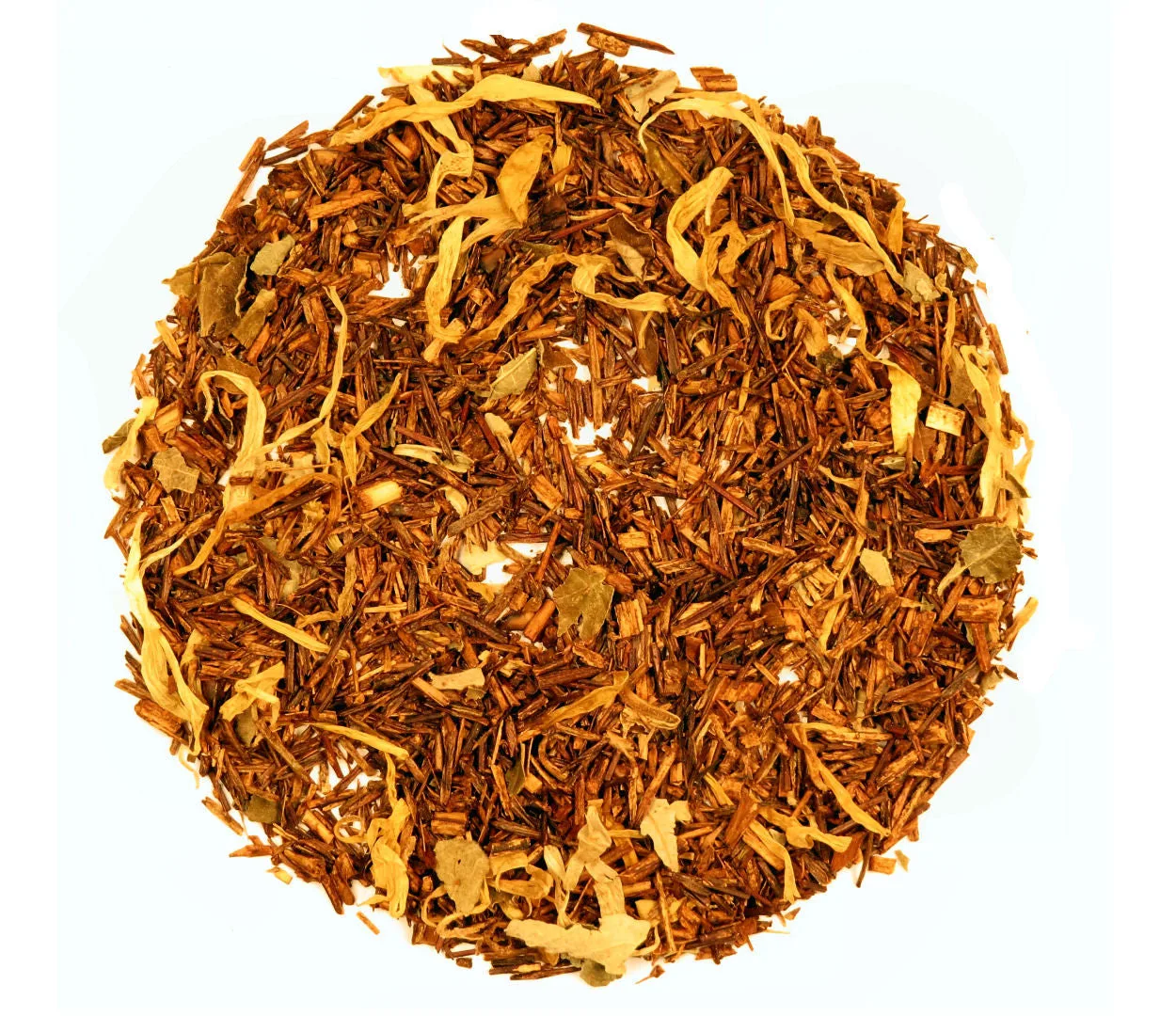
- Rooibos Peach: Rooibos Peach is flavored with nothing but Georgia grown peaches, has a sweet, pleasant flavor, and is naturally caffeine free. This is a great choice for beginners who want a fruity, caffeine-free option that's easy to drink any time of day. The natural peach flavor means you get a clean, authentic taste without artificial additives.
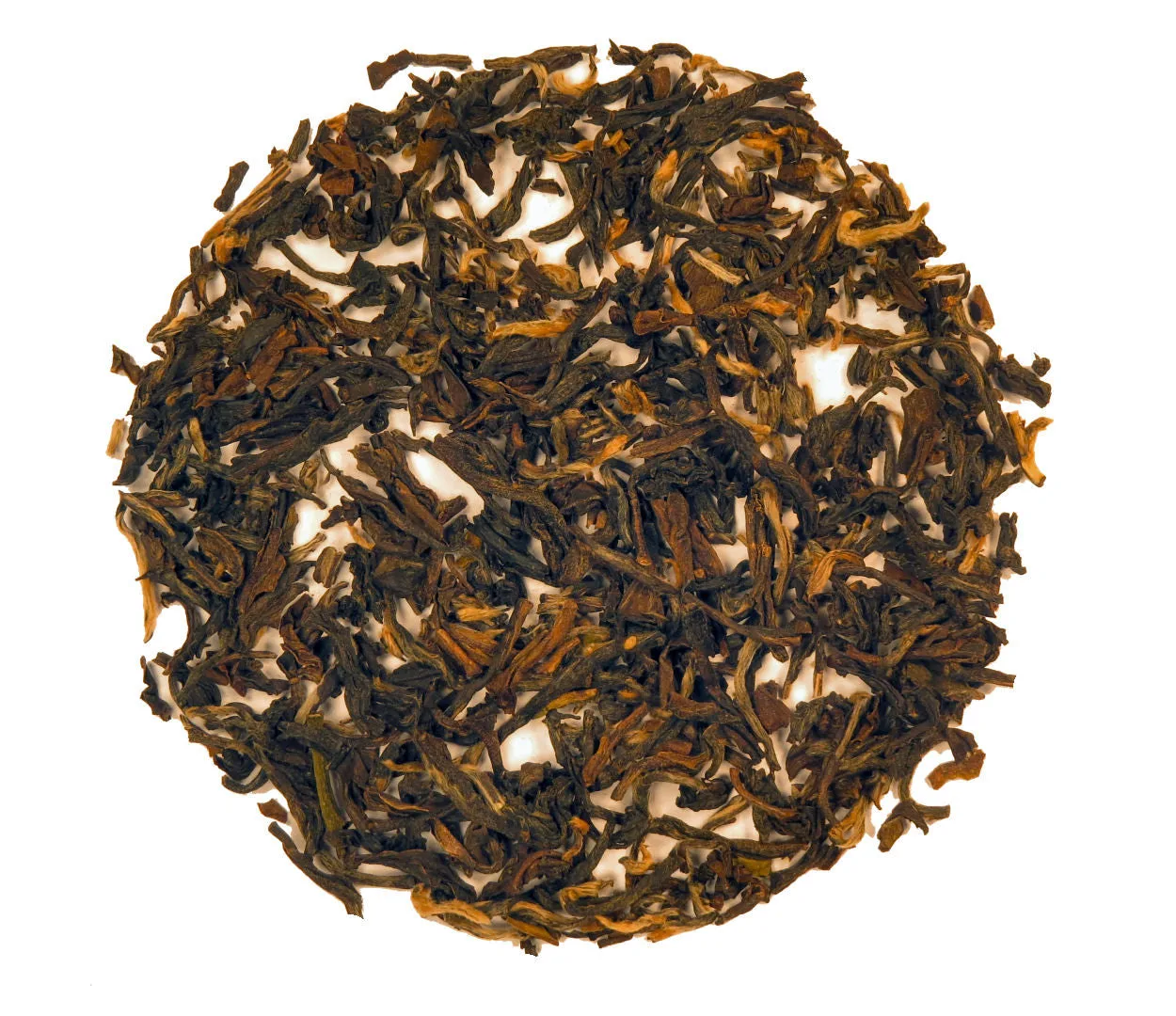
- Sikkim (Temi Estate): Sikkim (Temi Estate) is a distinguished black tea from the Sikkim region near India, with a smooth, well-rounded cup and a grade of FTGFOP-1, indicating high-quality, finely tippy golden flowery orange pekoe leaves. It contains approximately 35-40 mg of caffeine per 8 oz cup. This black tea offers a moderate caffeine level, making it a good morning or early afternoon choice. Its smooth character is forgiving for beginners who might find some black teas too astringent, and the high grade signals quality.
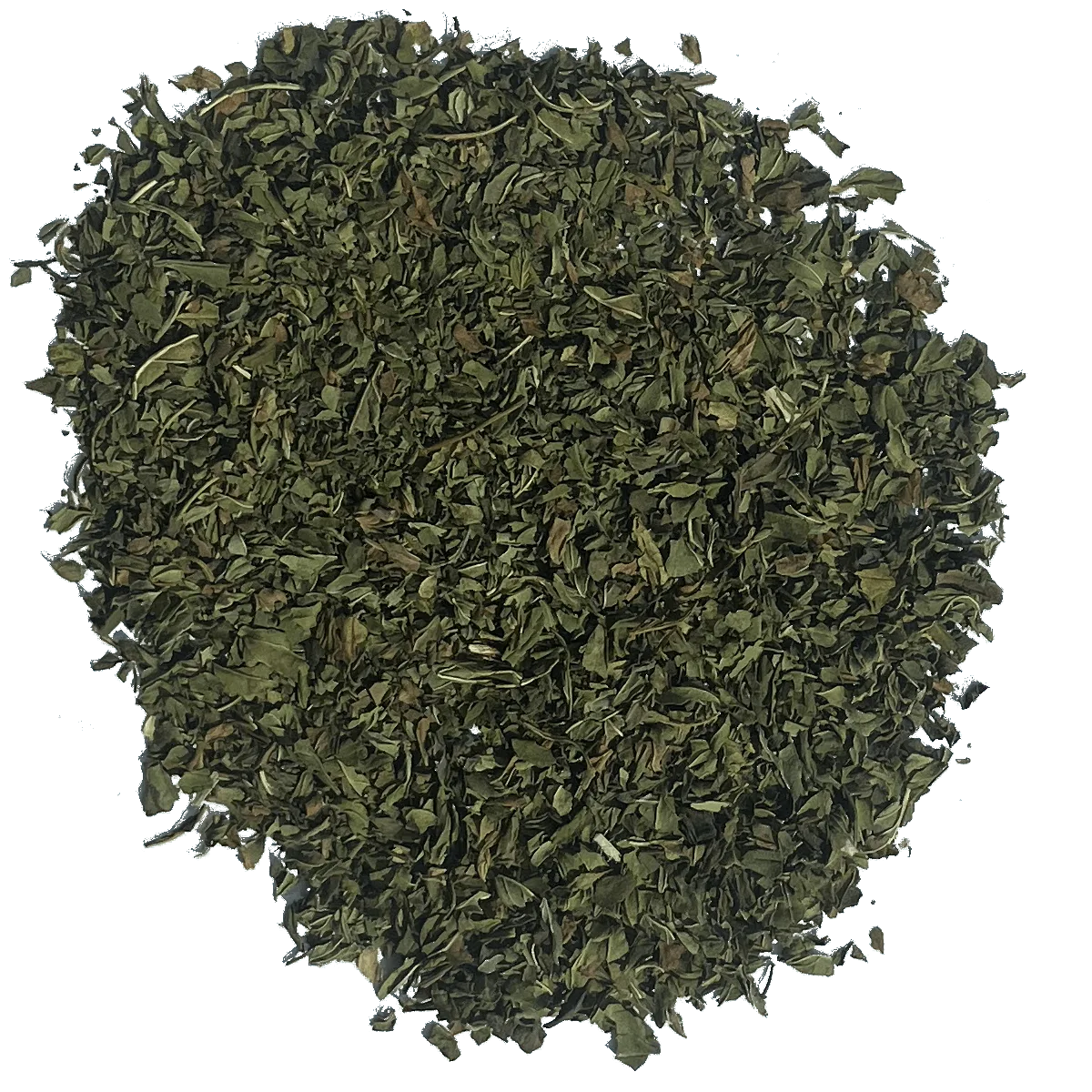
- Raspberry Mint: Raspberry Mint is sweet with a pleasantly tart aftertaste, refreshing iced in the summer or soothing hot in the winter. It contains raspberry leaves, peppermint, spearmint, rose petals, chamomile, and other botanicals, and is naturally caffeine free. This herbal blend is perfect for beginners who want a caffeine-free option with a refreshing, complex flavor. The mix of mint and fruit offers a nice contrast to plain herbal teas and works well hot or iced.
Who Should Choose a Tea Sampler
Best for
- Beginners who are new to loose leaf tea and want to explore different types without committing to full-size bags.
- People who enjoy trying new flavors and want a curated variety pack to find their favorites.
- Those who want a mix of caffeinated and caffeine-free options to suit different times of day.
Not for
- Tea enthusiasts who already know their preferred type and want a deep dive into a single category, like a full black tea collection.
- Budget buyers looking for the lowest cost per ounce, as samplers often have a higher per-ounce price than bulk purchases.
A tea sampler is the perfect starting point for your loose leaf journey. By focusing on variety, caffeine content, natural ingredients, and portion size, you'll pick a set that educates your palate and fits your lifestyle. Once you've tasted through your sampler, you'll know exactly which teas deserve a full spot in your cupboard.