Quick Answer
To taste a tea sampler like a pro, set up a tea flight with small portions, brew each sample at its recommended temperature, and take simple notes on aroma, flavor, and mouthfeel. This method helps you compare teas side by side and find your favorites.
Why a Tea Sampler Is the Best Way to Start
A tea sampler lets you try multiple teas without committing to a full bag. It's perfect for beginners who want to explore different styles—green, black, herbal, oolong—and learn what they like. The Nine Tea Sampler from Golden Moon Tea includes nine hand-picked teas, a teaspoon, and a booklet, making over 108 cups. That's enough to taste each tea several times and compare them thoughtfully.
The Common Mistake: Brewing Everything the Same Way
New tasters often brew all samples with boiling water for the same time. That ruins delicate teas like green or white, turning them bitter. Each tea type needs a different water temperature and steeping time. Use the booklet or a brewing guide to adjust. For example, green teas need cooler water (around 175°F) and shorter steeps (2-3 minutes), while black teas handle near-boiling water and longer steeps (3-5 minutes).
Step-by-Step Tasting Guide
- Set Up Your Tea Flight: Choose 3 to 5 samples from your sampler. Lay out small cups or tasting bowls, one per tea. Use about 1 teaspoon of leaves per 8 ounces of water. Label each cup with the tea name. Tasting more than 5 teas at once can overwhelm your palate. Stick to 3-5 for a focused comparison.
- Brew Each Tea Correctly: Heat water to the recommended temperature for each tea type. Steep each sample separately according to its ideal time. Remove the leaves or strain after steeping. Don't reuse water from one tea for another—each brew should start fresh to avoid flavor mixing.
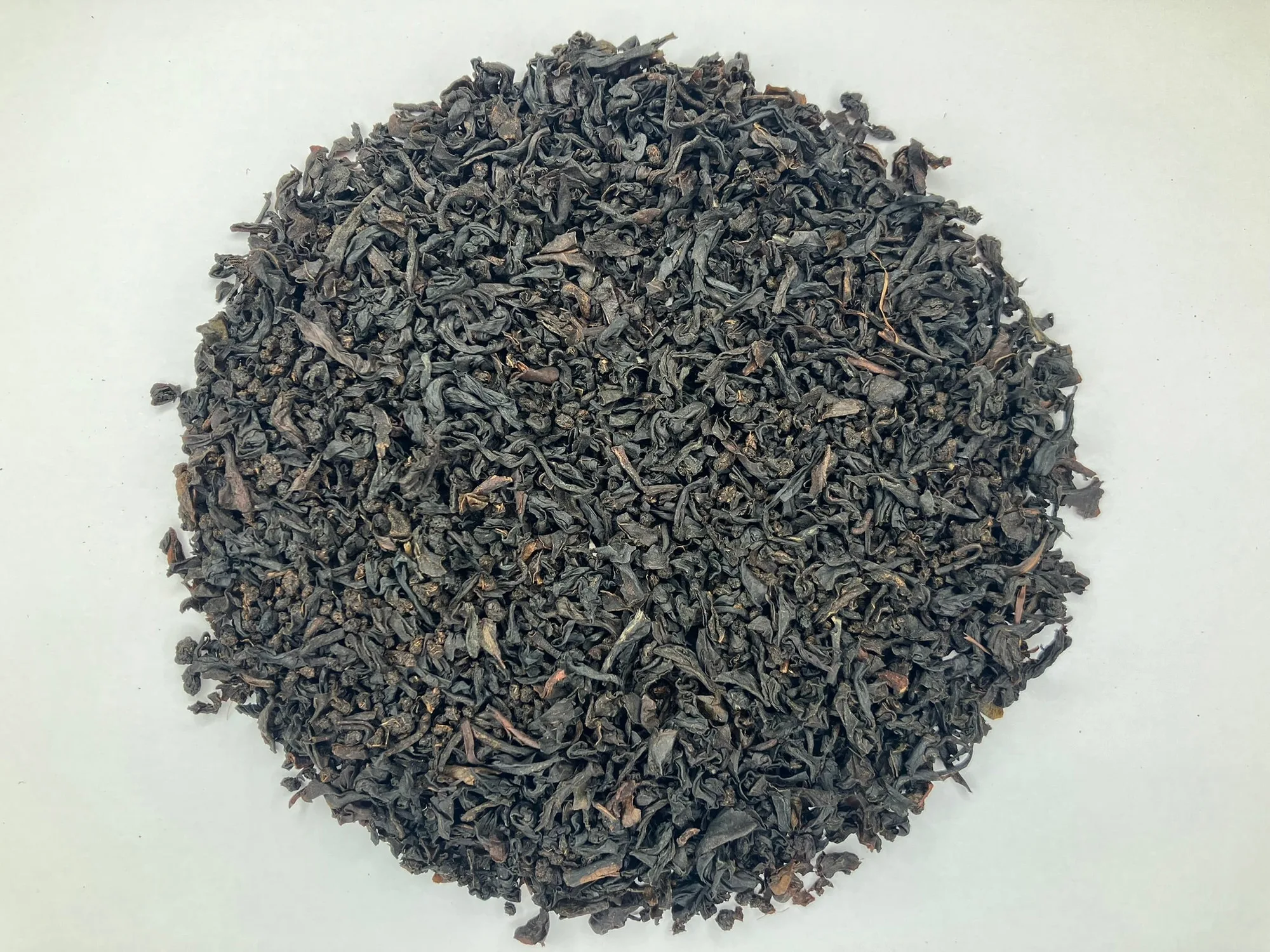
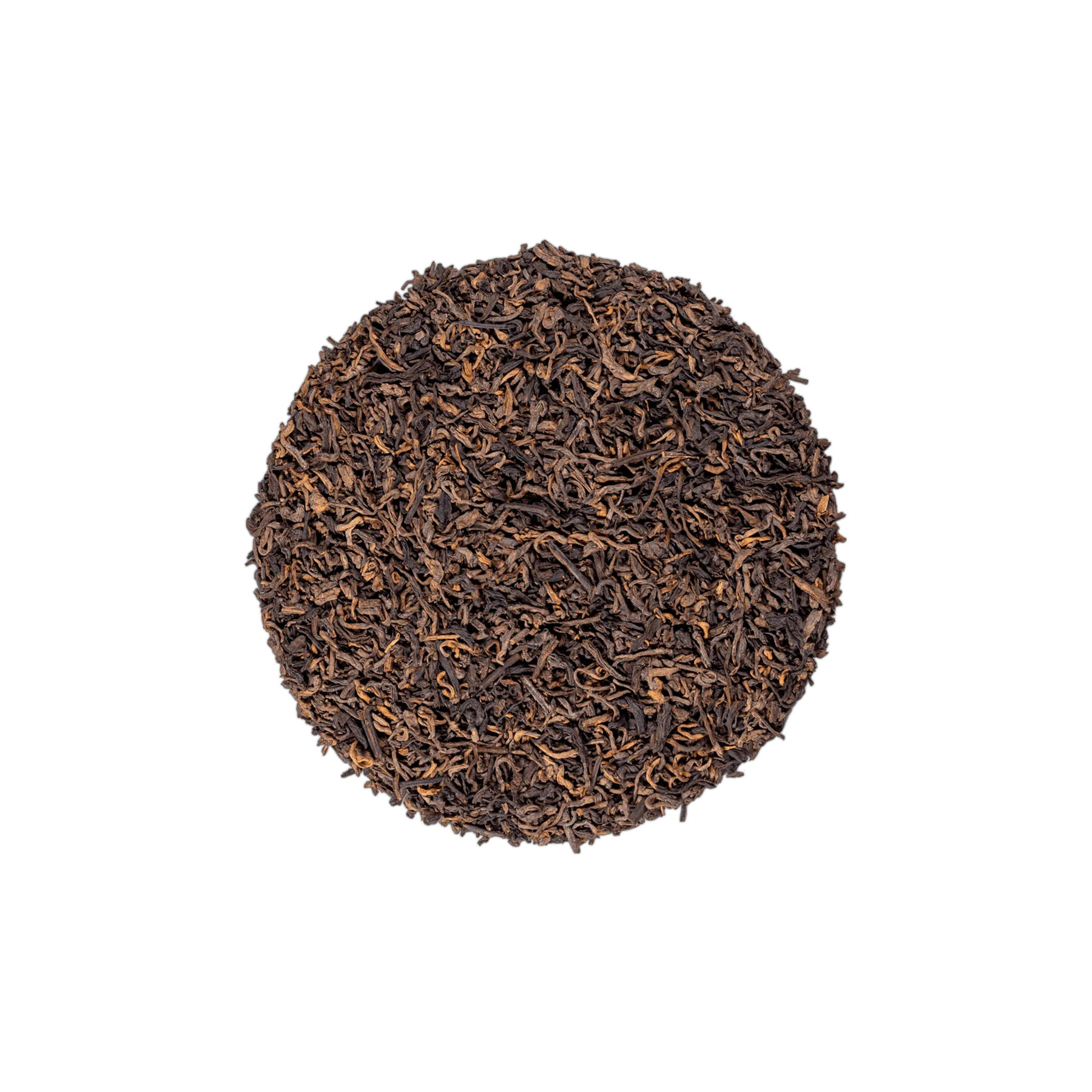
- Observe the Dry Leaves and Liquor: Before brewing, look at the dry leaves: their shape, color, and size. After steeping, note the liquor's color—pale yellow for green teas, amber for black, deep red for herbal. Color can hint at strength and flavor. A very dark liquor may mean a bold taste or over-steeping.
- Smell the Aroma: Bring the cup close to your nose and inhale gently. Note the aroma: floral, grassy, smoky, fruity, or earthy. Swirl the cup and smell again—aromas change as the tea cools. Your sense of smell picks up more detail than taste. Write down the first aroma that comes to mind.
- Taste and Take Notes: Take a small sip and let it coat your tongue. Notice the initial flavor, the body (light, medium, full), and the finish (how long the taste lingers). Write simple notes like "smooth, slightly sweet" or "bold, a bit astringent." Don't swallow immediately—slurp a little air to spread the tea across your palate for a fuller taste.
- Compare and Cleanse Your Palate: Between samples, rinse your mouth with plain water or eat a plain cracker. Wait 30 seconds before tasting the next tea. Compare your notes to see which flavors you prefer. If your mouth feels dry or coated, wait longer. A clean palate ensures each tea gets a fair chance.
Product Facts
-
Nine Tea Sampler: The Nine Tea Sampler includes nine of Golden Moon Tea's most popular teas, hand-picked by their tea master, plus a teaspoon and a booklet. The booklet explains each tea's origin and brewing tips, so you don't have to guess the right water temperature or steeping time.
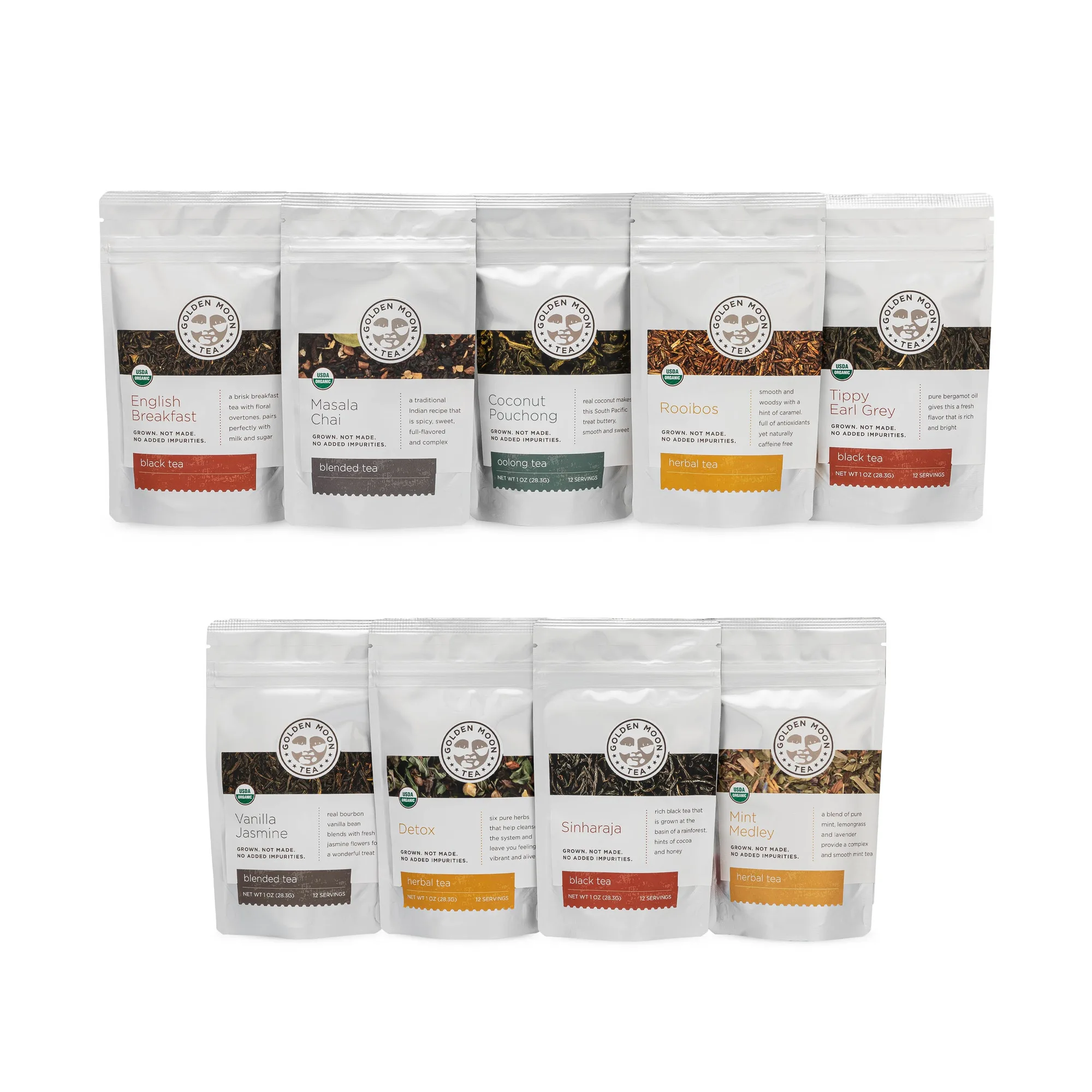
Nine Tea Sampler