Quick answer
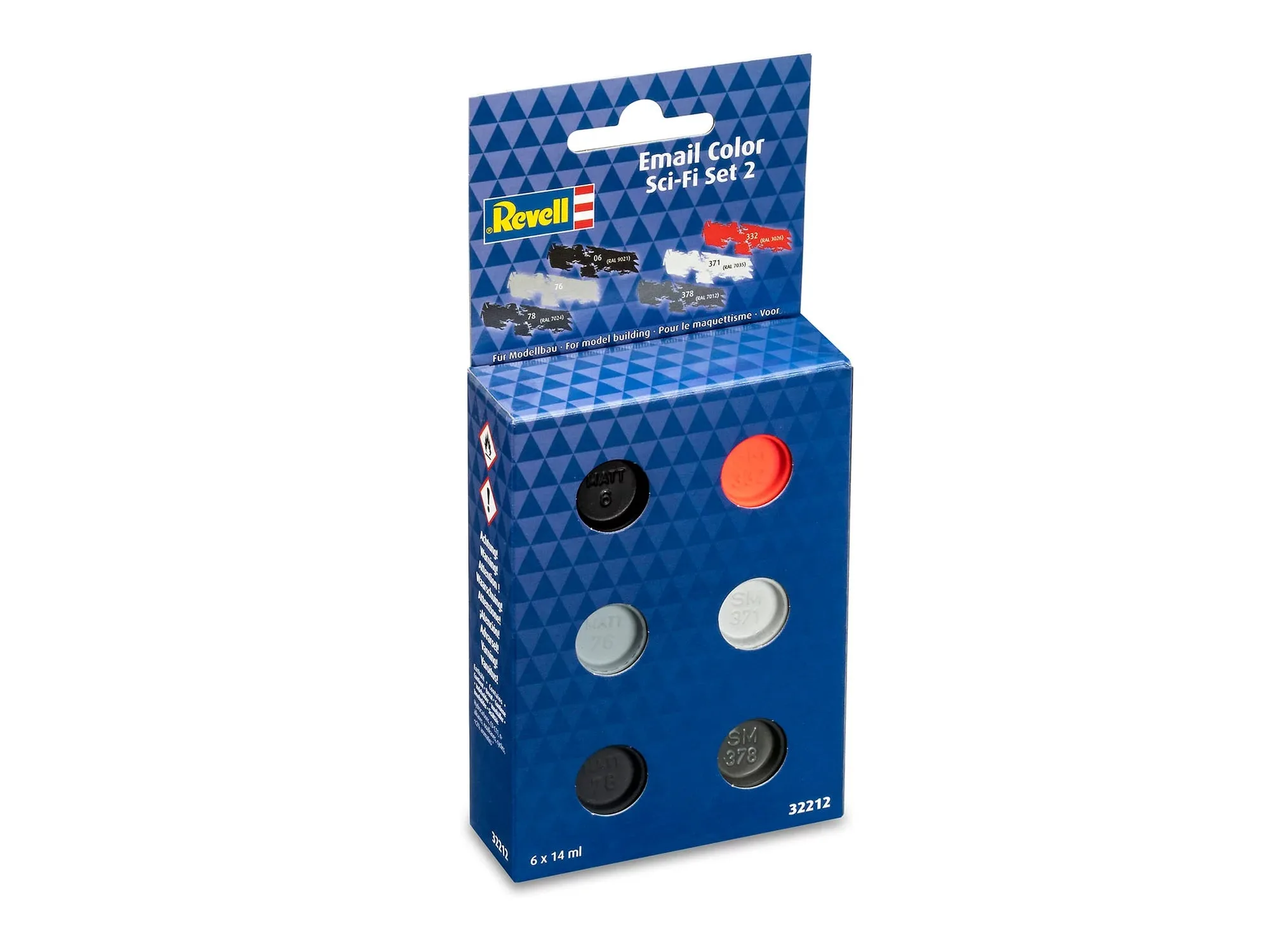
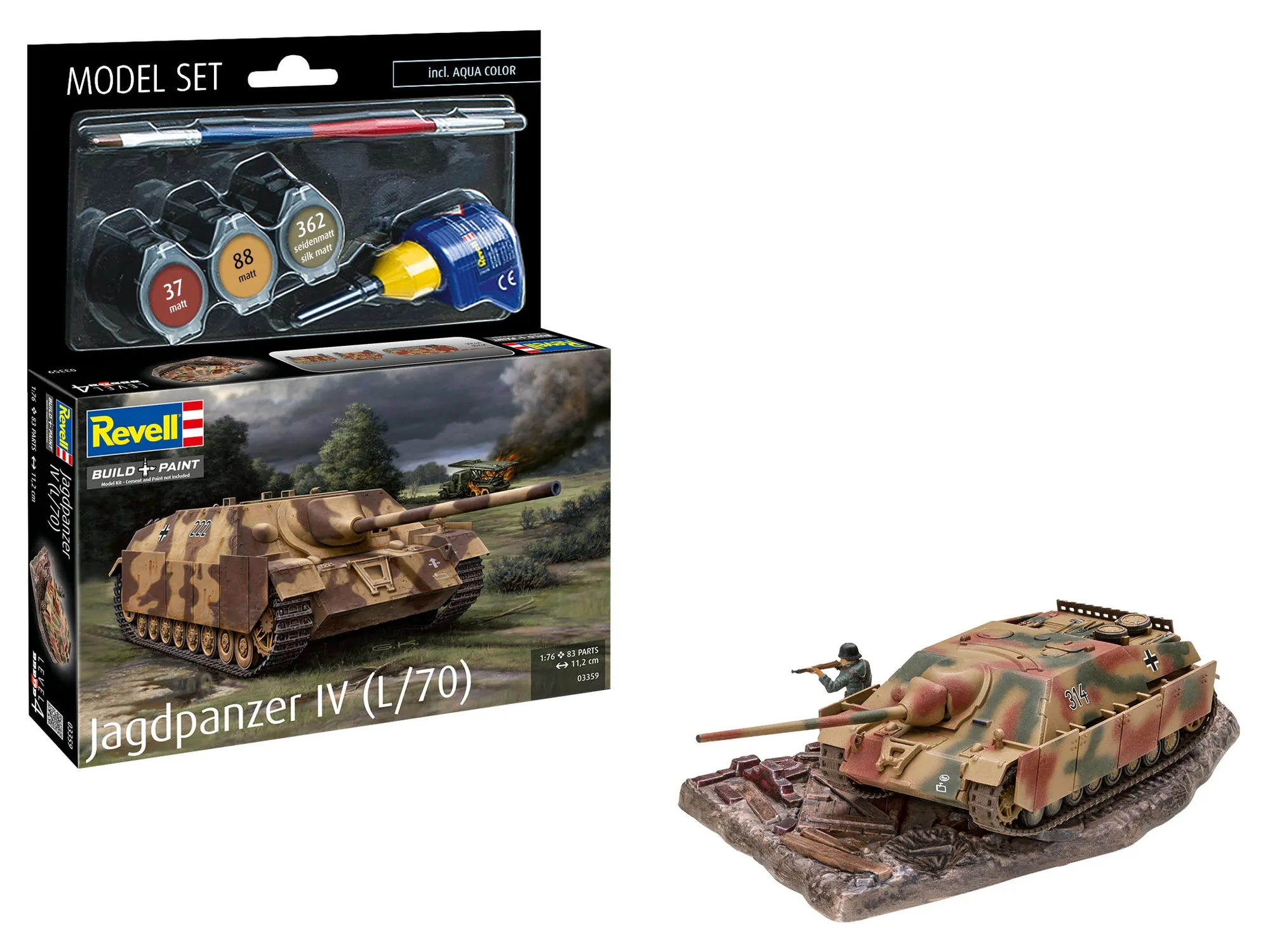
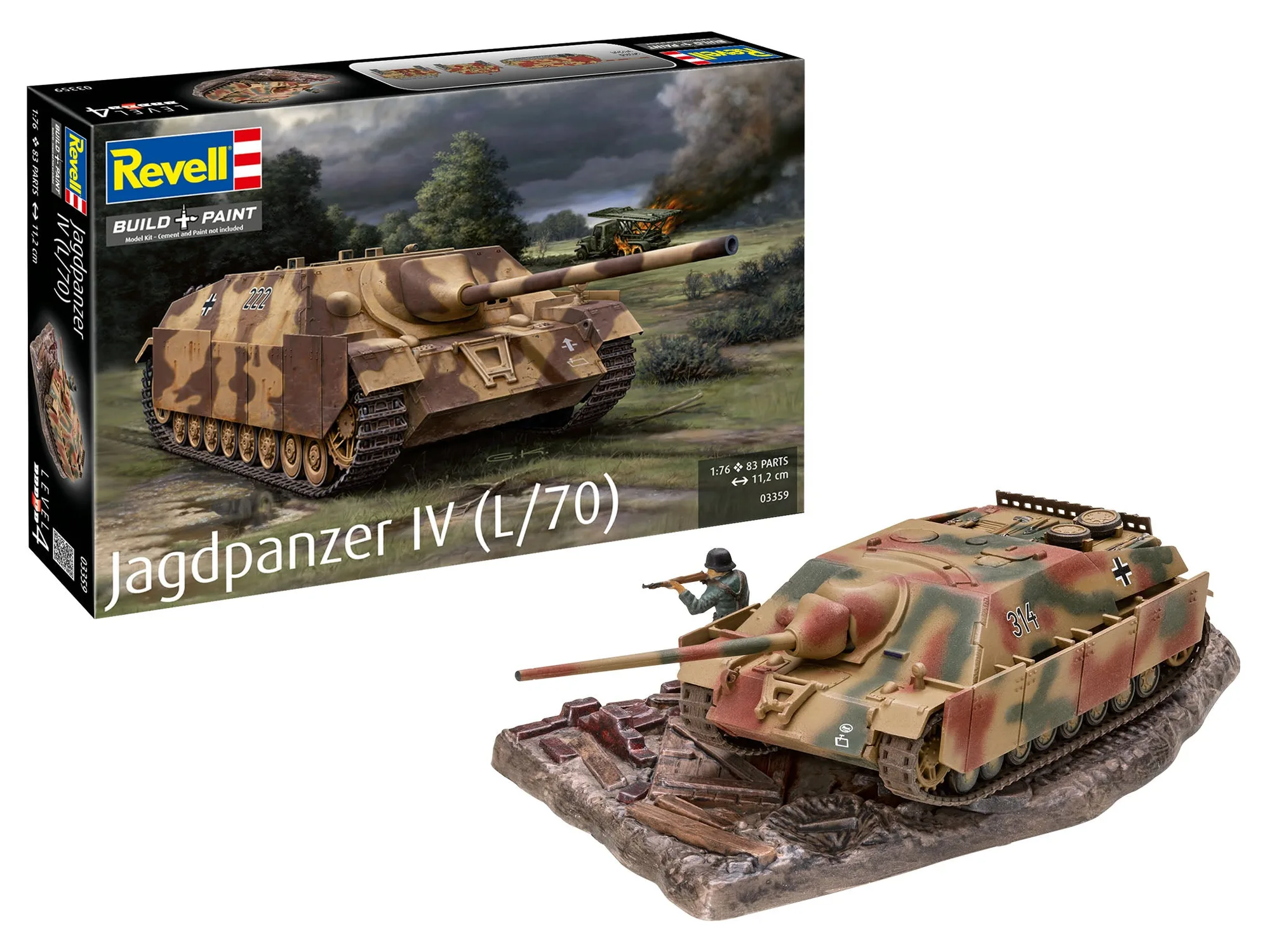
Start with a kit that matches your patience and space: the Eiffel Tower 3D puzzle needs no glue or tools, while the Model Set Jagdpanzer IV (L-70) is a true 1:76 scale kit with 83 parts. Build in short sessions, test-fit before gluing, and paint in thin coats. Enamel colors from the Email Color - Sci-Fi Set 2 (6x 14ml) cover the basic painting needs of most beginner kits.
Your first model kit should feel like a weekend project, not a test. The fastest way to enjoy model building is to choose a kit whose part count and assembly method match the time and workspace you actually have.
This guide walks through choosing a kit, setting up a small bench, and building in an order that prevents the usual beginner problems: lost parts, fogged clear plastic, and paint that hides detail instead of showing it.
Choose a kit that matches your patience and space
Before buying anything, decide how much time you want to spend and whether you have a table you can leave half-covered for a few days. If you want zero cleanup and no glue, the Eiffel Tower 3D puzzle uses precisely punched foam parts that assemble with plug-in connections, so it needs no tools and no drying time. If you want a traditional plastic kit, the Model Set Jagdpanzer IV (L-70) is a 1:76 scale kit with 83 parts, which is a manageable part count for a first build but still gives you real assembly practice.
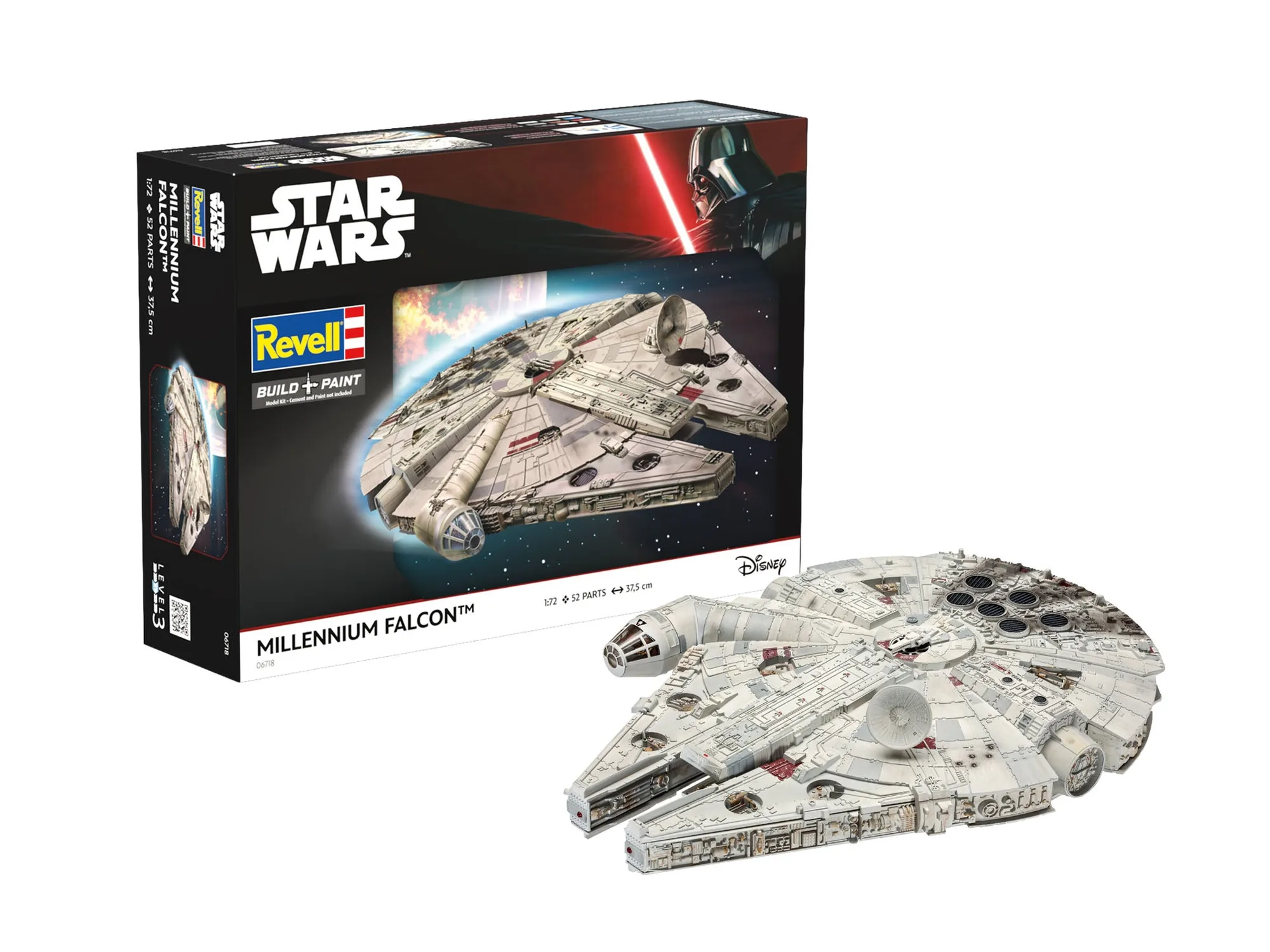
Scale matters more than box size. A 1:76 kit is small, so small parts and small paint areas are normal. If your hands or eyes prefer larger surfaces, look for a kit with fewer, bigger parts rather than assuming every beginner kit is the same. The Millennium Falcon (Light/Sound): Build & Play sits in the middle: it is a build-and-play model with light and sound rather than a display-only kit, so it suits someone who wants a finished object they can interact with.
- Check the stated scale and part count before buying; both are better indicators of difficulty than the box art.
- If a kit lists no scale or part count in its description, treat that as a missing detail and ask before you buy.
Set up a simple, safe workspace
You do not need a dedicated hobby room. A tray with a raised lip, a cutting mat, good overhead light, and a small cup for parts will prevent most accidents. Work over the tray so dropped parts land in it instead of on the floor, and keep pets and small children away from the table while enamel paint or glue is open.
Ventilation matters with enamel products. Revell Color is a synthetic resin enamel paint, and the 14 ml can is designed not to attack the plastic surface of plastic models, which is exactly why it is a safe default for beginners. Still, open a window and avoid eating or drinking at the bench while you work. If you plan to spray rather than brush, the same enamel colors can be diluted with Revell Color Mix and applied with a spray gun, but that step is better saved for a later build.
- Keep the instruction sheet propped up where you can see it without moving your hands.
- Photograph the parts sprue before you start so you can identify a piece later if the numbering wears off.
Build in stages and test-fit before gluing
Read the whole instruction sheet once before touching a part. Then work in the order printed, but dry-fit each joint first: press or hold the parts together without glue to confirm the alignment. On a kit like the Jagdpanzer IV (L-70), the hull and running gear benefit from this check because a small misalignment early can make later panels sit crooked.
Use only a small amount of glue at each joint and let it set before moving the assembly. If you are building the Eiffel Tower 3D puzzle, there is no glue step at all, so your checkpoint is simply that each plug-in connection is fully seated before you add the next level. For the Millennium Falcon (Light/Sound): Build & Play, keep wiring and light/sound components clear of any glued or painted surfaces and follow the kit's own assembly sequence.
- Common mistake: gluing a part before checking that its mating surface is clean and free of paint.
- If a part does not seat, stop and re-read the diagram instead of forcing it.
Paint in thin coats, not one thick one
Paint after major subassemblies are built but before final assembly, so you can reach surfaces that would be hidden later. The Email Color - Sci-Fi Set 2 (6x 14ml) includes six enamel colors intended for basic painting of science-fiction kits, which makes it a practical starting point if your first model is a sci-fi subject. For other subjects, buy only the colors the instructions call for rather than a large set you may not use.
Apply thin coats and let each one dry before adding the next. Thick paint fills panel lines and softens detail, and it takes far longer to dry than most beginners expect. If you need a clear or translucent effect, a single 14 ml can such as "Clear Orange" Email Color Enamel - 14ml can be used over a base coat; because it is a transparent color, the base coat underneath determines the final look.
- Stir or shake enamel thoroughly before use; unmixed pigment gives a streaky finish.
- Do not mix signal color with other colors; other Revell enamel colors can be mixed with each other.
Finish, display, and plan the next kit
Once the paint is fully dry, add any decals or final details and set the model somewhere out of direct sunlight. If your first kit was a 3D puzzle such as the Eiffel Tower, it is already finished and can go straight on a shelf. If it was a display kit, resist the urge to handle it for a day so the last coats harden.
Your second kit should stretch one skill, not all of them. If you struggled with painting, choose a kit with larger surfaces. If assembly was the hard part, choose a lower part count. Tiny Adventures - New York is a different kind of project: it is a lit book-nook insert that turns a gap between books into a small New York alley, so it suits a builder who wants a decorative result rather than a scale replica.
- Store leftover enamel cans upright and closed; the 14 ml can size is easy to keep in a small box.
- Write the kit name and date on the underside of the base if you want a record of your builds.
Your first build, step by step
- Pick the kit: Match the kit to your time, space, and patience. The Eiffel Tower 3D puzzle needs no glue or tools; the Model Set Jagdpanzer IV (L-70) is a 1:76 kit with 83 parts for someone who wants a traditional build. Checkpoint: you can name the scale and part count of your chosen kit before you buy it.
- Set up the bench: Use a lipped tray, a cutting mat, good light, and a parts cup. Open a window when using enamel paint such as Revell Color, which is a synthetic resin enamel that does not attack model plastic. Checkpoint: nothing can roll off the table, and the room is ventilated.
- Read, then dry-fit: Read the full instruction sheet once, then press parts together without glue to confirm alignment before committing. Work in the printed order and use small amounts of glue. Common mistake: gluing first and discovering a misalignment after the joint has set.
- Paint in thin coats: Paint subassemblies before final assembly. Use the six enamel colors in the Email Color - Sci-Fi Set 2 (6x 14ml) for basic coverage, and let each thin coat dry before the next. Checkpoint: panel lines are still visible after painting, not filled in.
- Finish and display: Let paint harden fully, add decals or final details, and place the model out of direct sunlight. If you built a 3D puzzle, it is already complete. Next step: choose a second kit that stretches one skill you found difficult.
Kit and supply facts worth knowing
- Model Set Jagdpanzer IV (L-70): Detailed 1:76 scale model kit of the Jagdpanzer IV L/70 with 83 parts, representing a vehicle used in select tank destroyer units from August 1944. A real scale kit with a moderate part count, so it teaches assembly and painting without overwhelming a first-time builder.
- Email Color - Sci-Fi Set 2 (6x 14ml): Paint set designed for easy painting of science-fiction kits, containing six enamel colors for basic painting. Gives a beginner a complete basic palette in one purchase instead of buying single colors separately.
- Eiffel Tower: 3D puzzle with precisely punched foam parts that assembles without glue or tools using plug-in connections. The lowest-risk first project if you want to build something today with no drying time or cleanup.
- Tiny Adventures - New York: A lit book-nook insert that turns a gap between books into an alley of New York. A decorative alternative for builders who want a display piece rather than a scale model.
A good first Revell kit is one you actually finish. Start simple, work in short sessions, and let each stage dry before the next. The skills you build on kit number one will make kit number two noticeably easier.