Japanese green tea is celebrated worldwide for its vibrant flavours, health benefits, and deep cultural roots. For many tea lovers, it's the first step into a more nuanced tea experience beyond everyday blends. But with so many varieties—sencha, gyokuro, hojicha, genmaicha, and more—it can feel overwhelming to know where to start.
This beginner's guide will walk you through the most popular Japanese green tea varieties, explaining what makes each one unique, how they taste, and how to brew them perfectly. Whether you're a curious newcomer or looking to expand your tea shelf, you'll find everything you need to enjoy these delightful teas.
What Is Japanese Green Tea?
Japanese green tea comes from the Camellia sinensis plant, just like black tea or oolong, but it undergoes a unique processing method. After harvesting, the leaves are steamed to prevent oxidation, which locks in their bright green colour and fresh, grassy flavours. This steaming process is what sets Japanese green tea apart from Chinese green teas, which are often pan-fired.
The result is a tea that is rich in antioxidants, particularly catechins, and offers a clean, vegetal taste. Many Japanese teas are also shade-grown for part of their growth, which boosts their amino acid content—especially L-theanine—giving them a savoury, umami character. Understanding these basics helps you appreciate the diversity within Japanese green tea.
- Steaming instead of pan-firing preserves colour and flavour.
- Shade-growing increases L-theanine, creating umami notes.
- Japanese green tea is typically low in caffeine compared to coffee but higher than many other teas.
Sencha: The Everyday Japanese Green Tea
Sencha is the most popular Japanese green tea, accounting for about 80% of Japan's tea production. It's made from leaves that are grown in full sunlight, then steamed and rolled into thin, needle-like shapes. When brewed, sencha offers a balanced flavour profile—grassy, slightly sweet, with a gentle astringency that refreshes the palate.
For beginners, sencha is an ideal starting point. It's versatile enough to enjoy hot or cold, and its flavour pairs well with light meals or desserts. To brew sencha, use water around 70–80°C (158–176°F) and steep for 1–2 minutes. Avoid boiling water, as it can make the tea bitter. You can explore sencha blends like our Strawberry Fields Tea for a fruity twist on tradition.

Strawberry Fields Tea
- Use 1 teaspoon of loose leaf per cup.
- Water temperature matters: too hot = bitter, too cool = weak.
- Second infusions are often sweeter and less astringent.
Gyokuro: The Premium Shade-Grown Tea
Gyokuro is the pinnacle of Japanese green tea, prized for its intense umami flavour and deep, sweet taste. The tea plants are shaded for about three weeks before harvest, which forces them to produce more chlorophyll and L-theanine. This results in a rich, almost brothy liquor with a distinctive marine-like sweetness.
Because of its delicate nature, gyokuro requires a different brewing approach. Use cooler water—around 50–60°C (122–140°F)—and steep for 2–3 minutes. Use more leaves than you would for sencha, about 2 teaspoons per cup. The flavour is so complex that many tea enthusiasts enjoy it without any additions. If you're new to gyokuro, try it alongside a light snack or as a meditative afternoon treat.
- Shading period: 3 weeks before harvest.
- Brew with cooler water to preserve umami.
- Gyokuro leaves can be reused 2–3 times.
Hojicha: The Toasted Comfort Tea
Hojicha is a roasted Japanese green tea, made by roasting bancha (twig tea) or sencha leaves at high temperatures. This process turns the leaves a reddish-brown colour and gives the tea a warm, toasty flavour with low astringency. Hojicha is naturally lower in caffeine because the roasting process reduces it, making it a popular evening tea.
Its nutty, caramel-like notes make hojicha a wonderful choice for those who find traditional green teas too grassy or bitter. Brew hojicha with boiling water (100°C/212°F) and steep for 30 seconds to 1 minute. You can also enjoy it iced or as a latte. For a unique twist, try our Panettone Tea, which blends festive flavours with a comforting base.
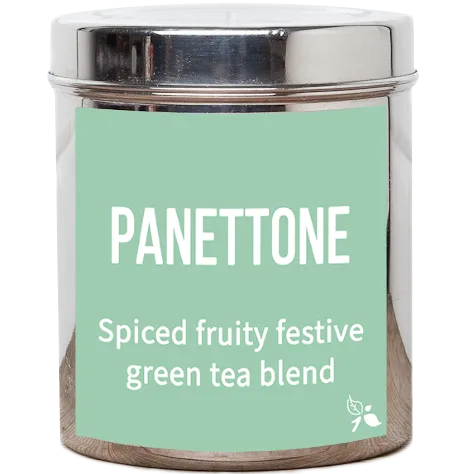
Panettone Tea
- Roasting reduces caffeine by up to 70%.
- Great for after-dinner or late-night sipping.
- Hojicha powder is also available for lattes.
Genmaicha: The Popcorn Tea
Genmaicha is a unique Japanese green tea that combines sencha or bancha with toasted brown rice. The rice pops during roasting, giving the tea its nickname 'popcorn tea.' The result is a warm, nutty flavour with a subtle sweetness from the rice. It's a comforting, everyday tea that pairs beautifully with meals.
Genmaicha has a lower caffeine content than pure sencha because of the rice dilution. It's also very forgiving to brew—use water at 80–90°C (176–194°F) and steep for 2–3 minutes. The toasted rice adds a pleasant aroma that can lift your mood. For a similar comforting experience, consider our Bonfire Toffee 40 Tea Bag Pouch, which captures the cosy essence of autumn.
- The rice adds a toasty, savoury element.
- Genmaicha is often served with sushi or savoury dishes.
- It's a great introduction to Japanese tea for beginners.
How to Choose and Store Japanese Green Tea
When selecting Japanese green tea, look for fresh, vibrant leaves. Avoid tea that appears dull or brownish, as it may be old. High-quality sencha should have a bright green colour and a fresh, grassy aroma. Gyokuro leaves are darker and more needle-like. Hojicha and genmaicha will have visible rice grains or roasted fragments.
Storage is crucial for preserving flavour. Keep your Japanese green tea in an airtight container away from light, heat, and moisture. A cool, dark cupboard is ideal. Avoid storing it near strong-smelling spices or coffee, as tea absorbs odours easily. Most Japanese green teas are best consumed within 6–12 months of purchase. For a special treat, explore our Elderflower Earl Grey Tea, which offers a floral twist on a classic.
- Buy small quantities to ensure freshness.
- Use opaque, sealed tins or jars.
- Refrigeration is not necessary if stored properly.
Japanese green tea offers a world of flavour and tradition that is surprisingly easy to explore. From the everyday comfort of sencha to the luxurious umami of gyokuro, and from the toasty warmth of hojicha to the nutty charm of genmaicha, there's a variety for every palate. Start your journey today with a high-quality loose leaf tea, and don't forget to experiment with brewing temperatures and steeping times to find your perfect cup. For a delightful seasonal blend, try our Yule Log Tea, which brings the warmth of winter into your teacup.