Quick Answer
For your first model rocket, focus on a kit with a 29mm motor mount, through-the-wall fins, and a reliable recovery system. Start with mid-power kits like the 2.6" Patriot or T-LOC 2.63, which balance simplicity and performance. Avoid high-power kits until you've mastered building and flying basics.
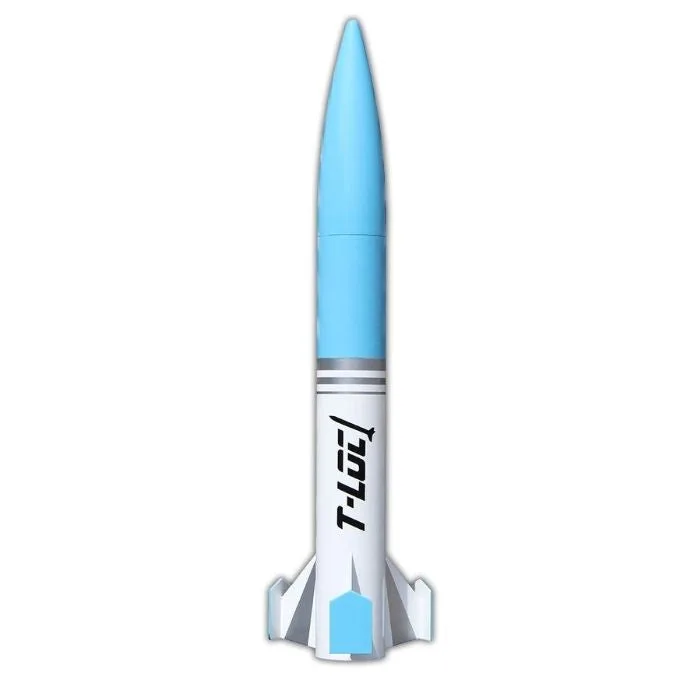
T-LOC 2.63
When you're new to model rocketry, the variety of components can feel overwhelming. But understanding the core parts—motor mount, fins, shock cord, parachute, and airframe—helps you make smart choices whether you're buying your first kit or planning a custom build. This guide breaks down each component, what to look for, and how to avoid common beginner mistakes.
LOC Precision / Public Missiles Ltd. offers a range of kits and components that cater to beginners and experienced flyers alike. By learning the role of each part, you'll be able to evaluate kits and upgrades with confidence.
Essential Rocket Components Explained
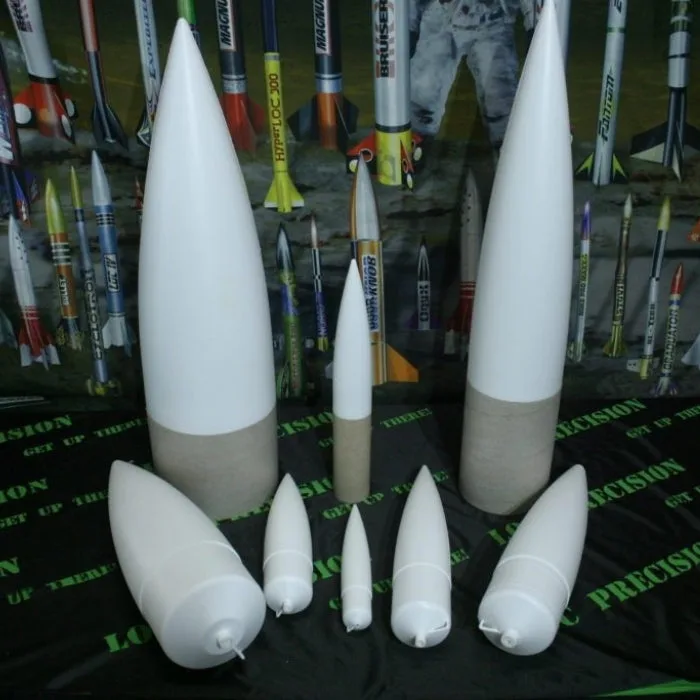
Every model rocket shares the same basic anatomy: an airframe (body tube), a nose cone, fins, a motor mount, and a recovery system. The airframe determines the rocket's diameter and length, while the nose cone shapes the aerodynamics. Fins provide stability in flight, and the motor mount holds the engine securely. The recovery system—usually a parachute—ensures a safe descent.
For beginners, the motor mount size is critical because it dictates which motors you can use. A 29mm motor mount is a versatile choice for mid-power rocketry, allowing you to fly with black powder or composite motors. Kits like the 2.6" Patriot include a 29mm motor mount, making them an excellent starting point.
- Always check the recommended motor range for your kit before buying engines.
- Look for kits with pre-slotted airframes for easier fin alignment.
Fins: Stability and Construction
Fins are crucial for stable flight. They come in various shapes and sizes, and their attachment method matters. Through-the-wall (TTW) fins are inserted into slots in the airframe and glued to the motor mount, providing superior strength. Surface-mounted fins are easier for beginners but less durable.
When choosing a kit, consider the fin material and thickness. Laser-cut plywood fins, like those on the 2.6" Patriot (1/8" thick), offer precision and durability. For high-power flights, TTW construction is essential to withstand stress. The Warlock, part of the ISP Performance Series, features factory pre-slotted airframes and TTW fins, making it a great step up for certification flights.
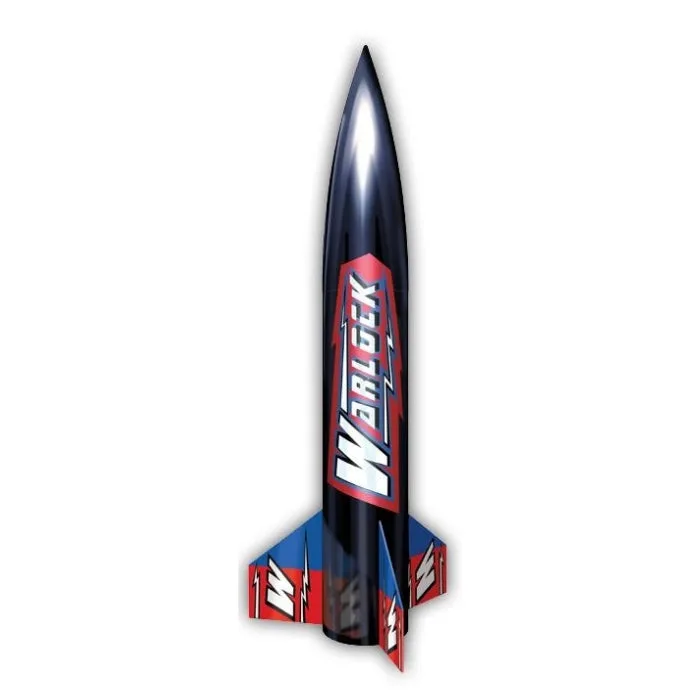
Warlock
- For your first build, choose a kit with laser-cut fins to ensure accuracy.
- If you plan to upgrade fins later, look for kits with pre-slotted airframes.
Recovery Systems: Parachutes and Shock Cords
A reliable recovery system is non-negotiable. Most kits include a nylon parachute and shock cord. The parachute size should match the rocket's weight—larger rockets need bigger chutes to descend safely. For example, the T-LOC 2.63 comes with an 18-inch ripstop nylon parachute with a central spill hole, which reduces oscillation and ensures a straighter descent.
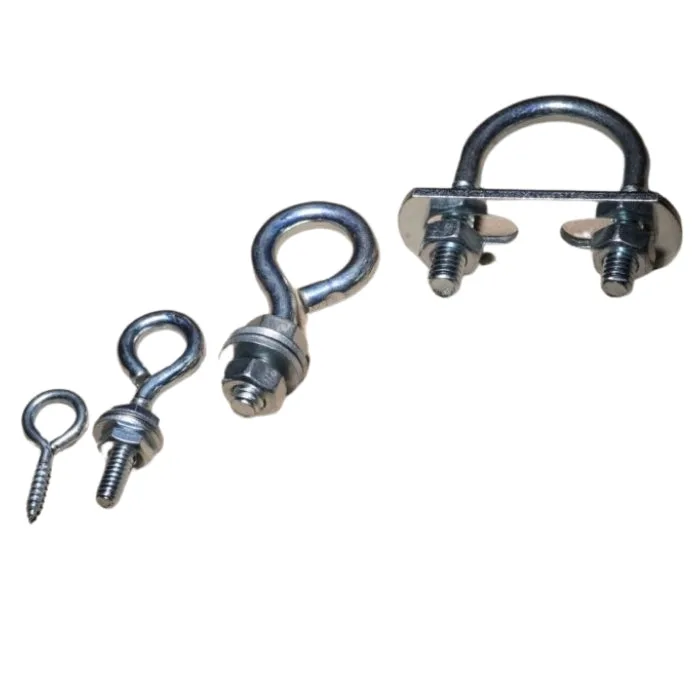
Shock cords absorb the opening shock when the parachute deploys. Kevlar shock cords are preferred for their strength and heat resistance. LOC Precision offers Shock Cord Mounts in various sizes: SCM-1 is rated at 220 lbs for rockets up to 2.2 pounds, while SCM-2 is rated at 525 lbs for rockets up to 5.25 pounds. Choose based on your rocket's weight and expected flight forces.
- Inspect your parachute and shock cord before every flight for wear and tear.
- Consider adding a fire blanket to protect your recovery gear, as seen in the T-LOC 2.63.
Airframes and Nose Cones: Materials and Sizes
Airframes are typically made of phenolic or fiberglass tubing. Phenolic is lightweight and affordable, while fiberglass offers greater durability for high-power flights. Nose cones are usually plastic or fiberglass and come in various shapes—ogive, conical, or parabolic—each affecting aerodynamics.
For beginners, a 3-inch diameter airframe is a good balance of visibility and handling. The #780, inspired by the F-117A, features a 3-inch airframe and a six-fin design, which provides unique stability. However, more fins mean more drag, so consider your flight goals. If you're aiming for altitude, fewer fins are better; for stability in windy conditions, more fins can help.
Decision Rules for Choosing Components
- Motor Mount Size: For your first rocket, choose a 29mm motor mount. It offers a wide range of motor options from low to mid-power, allowing you to grow without needing a new rocket. Check the kit's motor mount size before buying.
- Fin Attachment: Prefer through-the-wall fins for durability, especially if you plan to fly on more powerful motors. Surface-mounted fins are easier for beginners but may fail under stress. Look for TTW fins in your first kit.
- Recovery System: Ensure the parachute size matches your rocket's weight. A spill hole reduces oscillation. Use a Kevlar shock cord rated for at least your rocket's weight. Upgrade to a Kevlar shock cord if not included.
Key Components from LOC Precision
- 2.6" Patriot: Includes factory pre-slotted airframe and through-the-wall fin construction. Features a 29mm motor mount, 1/8" laser-cut fins, and 1/4" centering rings for durability. This kit is an ideal first build because the pre-slotted airframe simplifies fin alignment, and the TTW fins provide a strong foundation for learning proper construction techniques.
- T-LOC 2.63: Features outside stabilizers for straight flight, an 18-inch ripstop nylon parachute with a central spill hole, a fire blanket, kevlar shock cord mount, and stands 24 inches tall with a 29mm motor mount. The stabilizer design and spill hole parachute make it forgiving for beginners, ensuring straighter flights and gentler descents, which reduces the risk of damage on landing.
- Shock Cord Mounts: SCM-1: 2 feet of kevlar rated at 220 lbs for rockets up to 2.2 pounds. SCM-2: #10×24 eyebolt rated at 525 lbs for rockets up to 5.25 pounds. Choosing the correct shock cord mount prevents recovery failure. Match the rating to your rocket's weight to ensure the cord doesn't snap during deployment.
Which Rocket Fits You?
Best for
- Beginners who want an easy first build with clear instructions and durable parts.
- Hobbyists looking to advance to mid-power rocketry with room to grow.
Not for
- Experienced flyers seeking high-power certification or complex builds.
- Those who prefer scratch-building or want to customize every component from the start.
Understanding the core components of model rocketry is the first step to a successful and enjoyable hobby. By focusing on motor mount, fins, and recovery systems, you can select a kit that matches your skill level and goals. Start with a reliable mid-power kit like the 2.6" Patriot or T-LOC 2.63, and you'll be ready for many safe and exciting launches.