Quick Answer
Faux leather is a durable, easy-care, and affordable material that gives your bags a premium look without the maintenance of real leather. For most bag-making projects, a quality faux leather like Sallie Tomato's pebble-textured option offers the best balance of style and practicality. Choose it when you want a polished finish that resists moisture and cleans with a wipe.
When you're planning a new bag, the material choice can make or break the project. Real leather is classic but pricey and needs special care. Cork fabric is eco-friendly and unique, but it has its own limitations. Faux leather, also known as vegan leather, has become a go-to for many bag makers because it delivers a high-end look with far less fuss.
In this guide, we'll break down the concrete benefits of faux leather for bag making, compare it with other popular materials, and give you clear decision rules so you can choose the right material for your next project. Whether you're a beginner or a seasoned pro, understanding these trade-offs will help you sew with confidence.
What Makes Faux Leather a Great Bag-Making Material?
Faux leather is a synthetic material designed to mimic the look and feel of real leather. Its main advantages for bag making are durability, ease of maintenance, and resistance to moisture. Unlike real leather, which can stain, crack, or require conditioning, faux leather wipes clean with a damp cloth and doesn't absorb water easily. That makes it ideal for everyday bags that get tossed around.
Another benefit is cost. Quality faux leather gives you a luxurious appearance at a fraction of the price of genuine leather. For instance, Sallie Tomato's premium faux leather is sold at $3.00 per 1/4 yard (compared to a $6.00 value), making it a budget-friendly option for practice or production. Plus, it's vegan, so it aligns with cruelty-free values.
- Wipe clean with a damp cloth—no special conditioners needed.
- Resists moisture, perfect for rainy days or spills.
- Available in a range of textures, from smooth to pebbled.
Faux Leather vs. Real Leather vs. Cork Fabric
Real leather is durable and develops a patina, but it requires regular care, can be heavy, and is expensive. Cork fabric is eco-friendly, lightweight, and has a natural texture, but it may not have the same sleek, uniform look as faux leather. Faux leather sits in between: it's more affordable than real leather, easier to sew than thick hides, and more consistent in texture than cork.
When you need a material that looks polished and professional without breaking the bank, faux leather is often the winner. It also sews well on a home machine, especially when you use the right needle and presser foot. Many bag patterns, like those from Sallie Tomato, are designed with faux leather in mind.
How to Choose the Right Faux Leather
Not all faux leather is created equal. Look for a material with a soft, pliable handle—stiff or brittle faux leather can crack and be hard to sew. The backing matters too: a knit or woven backing adds flexibility and durability. Check the weight: medium-weight faux leather is best for bags, as it holds shape without being too heavy.
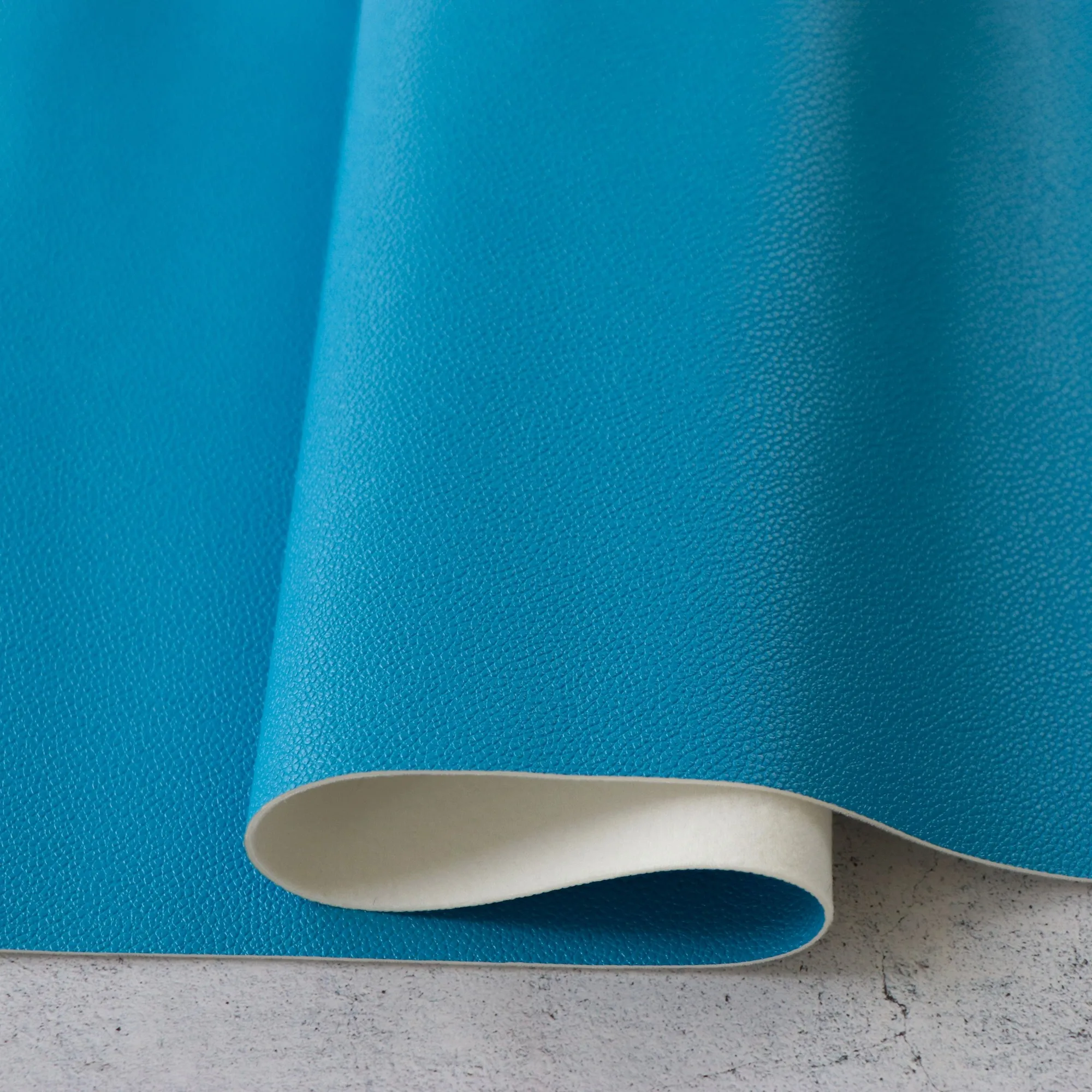
Texture also affects the final look. A smooth faux leather gives a sleek, modern finish, while a pebbled texture adds depth and hides scratches. For example, Sallie Tomato's Electric Blue Pebble Faux Leather offers a refined pebble texture that looks like luxury leather but is easier to maintain. Consider the style of bag you're making and choose accordingly.
- Test a small swatch to see how it sews and stretches.
- Use a leather needle and a walking foot for best results.
- Avoid faux leather with a shiny finish if you want a matte look.
Decision Rules for Choosing Faux Leather
- If you want a low-maintenance bag: Faux leather resists moisture and wipes clean easily, so it's perfect for bags you'll carry daily in all weather. Choose faux leather over real leather or cork for hassle-free care.
- If you're on a budget but want a premium look: Quality faux leather like Sallie Tomato's offers a luxurious appearance at a fraction of the cost of genuine leather. Check the price per yard and compare with leather to see the savings.
- If you prefer eco-friendly materials: Cork fabric is a renewable, biodegradable option, while faux leather is synthetic. Consider your values and the project's needs. For an eco-friendly choice, cork fabric is a strong contender; for durability and ease, faux leather wins.
Faux Leather Options at Sallie Tomato
- Limited Edition: Electric Blue Pebble Faux Leather: This color is limited edition and will not be restocked, so order it while supplies last! Get the look of luxury for less with our premium Faux Leather. This vegan material is a great alternative to genuine leather or cork fabric due to its price point, durability, ease of maintenance, and resistance to moisture. This premium faux leather features a refined pebble texture, offering the luxurious appearance and feel of... The pebble texture adds sophistication and hides wear, making it ideal for everyday bags. Since it's limited edition, it's a great pick for a unique, statement piece—but you'll need to order promptly.
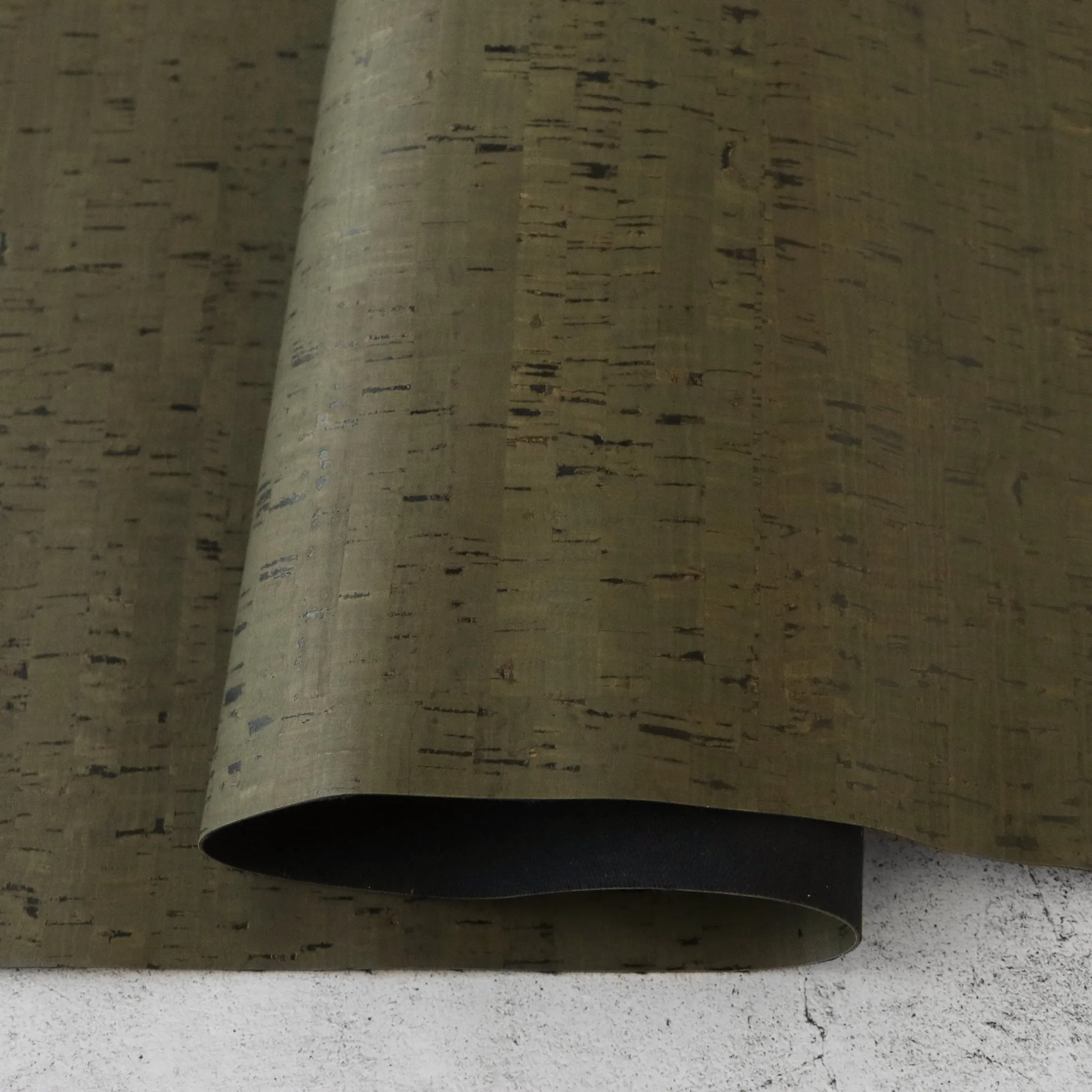
- Rustic Grove Cork Fabric: This premium, cork fabric, also known as cork leather, is easy-to-sew through, pliable, and durable. Cork fabric has a similar handle to faux leather or genuine leather because it is soft, smooth, and pliable. It is not hard or brittle. Its unique properties, eco-friendliness, and aesthetic appeal make it a versatile material for various projects. It can be used for bags, straps and handles, wallets,... If you prioritize eco-friendliness and a natural look, cork fabric is a fantastic alternative to faux leather. It sews similarly and offers a unique texture, but it may not have the same moisture resistance or uniform color options.
Is Faux Leather Right for Your Project?
Best for
- Bag makers who want a polished, professional finish without high cost.
- Those who need a material that resists moisture and is easy to clean.
- Vegan or cruelty-free crafters seeking a leather alternative.
Not for
- Projects that require a natural, eco-friendly material—consider cork fabric instead.
- Luxury heirloom bags where genuine leather's patina and durability are desired.
Faux leather is a versatile, practical choice for bag making that balances style, cost, and care. By weighing the trade-offs with real leather and cork, you can pick the perfect material for your next creation. Whether you choose a bold pebble texture or a classic smooth finish, faux leather will help you sew bags that look great and last.