Quick answer
Add a warming midlayer under your dog's coat when temperatures drop below freezing, when your dog has a short or thin coat, or when you're going on extended outdoor adventures. Layer it under a weatherproof shell like the Mudventure Overall ECO or Monsoon Coat II ECO to trap warmth while staying dry. Skip the midlayer for thick-coated breeds or during high-exertion activities to avoid overheating.
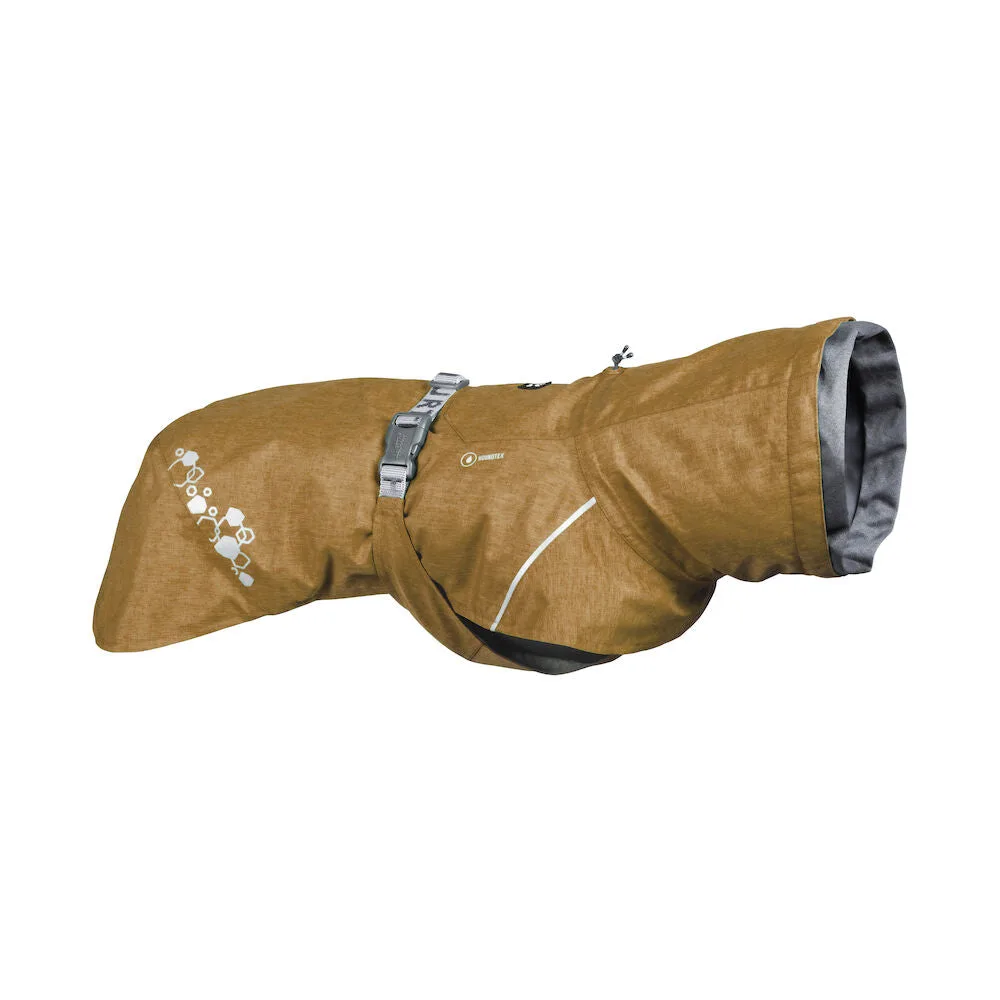
Monsoon Coat II ECO
Layering isn't just for humans. When winter winds pick up, a single coat may not be enough to keep your dog warm, especially if they have a short coat or are sensitive to cold. Adding a warming midlayer under a waterproof outer shell traps body heat while blocking wind and moisture, giving your dog comfort without the bulk of a heavy winter coat.
But layering isn't always the right answer. The goal is to add warmth without restricting movement or causing overheating. In this guide, we'll walk through the benefits of a dog midlayer, when to add one, and how to make smart layering decisions based on your dog's needs and the activity you have planned.
Why a warming midlayer works
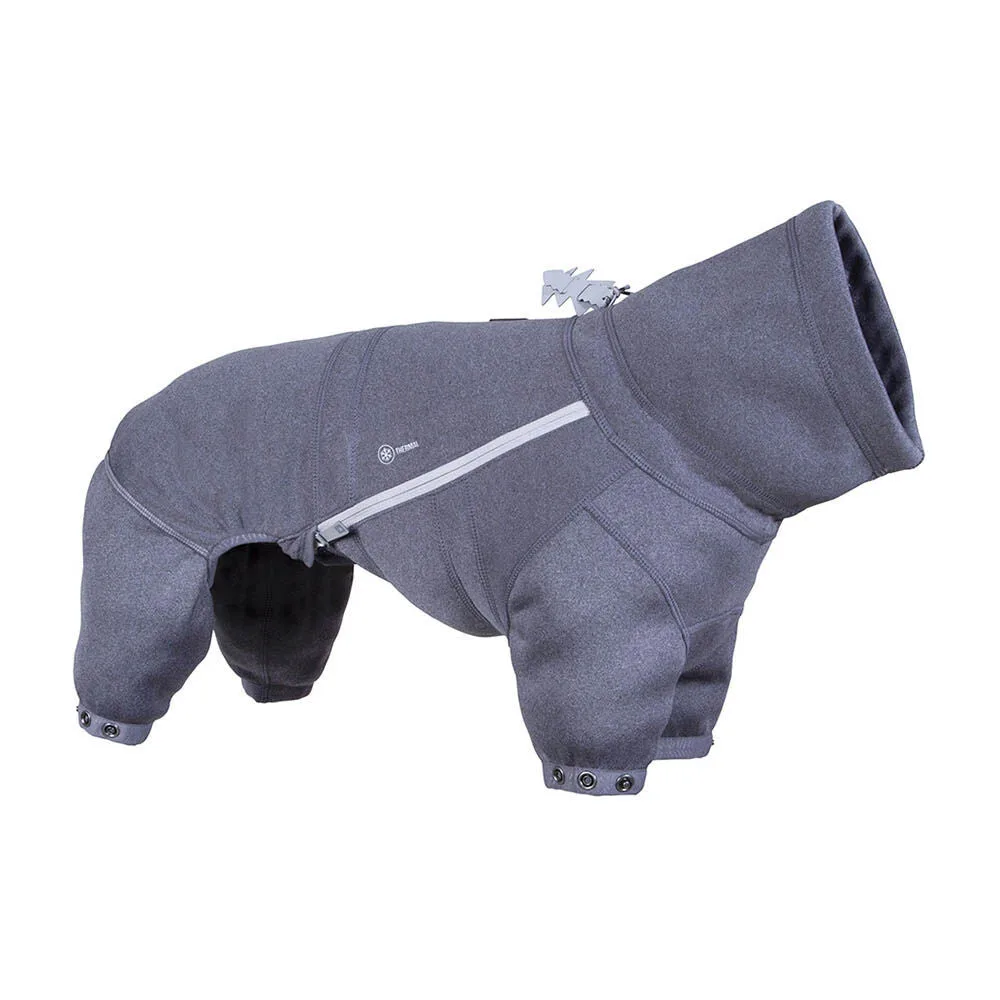
A warming midlayer sits between your dog's fur and the outer coat, creating a pocket of warm air that insulates against the cold. This is especially useful for short-haired breeds, puppies, and senior dogs that lose body heat quickly. The midlayer also adds flexibility: you can wear it alone on cool days and add the outer shell when conditions turn harsher.
The key is to choose a midlayer that is breathable and moisture-wicking. If your dog sweats or gets wet, a non-breathable layer can trap dampness and make them colder. Look for materials that dry quickly and allow air circulation, so your dog stays comfortable during both active and restful moments.
When to add a midlayer under your dog's coat
A good rule of thumb: if the temperature is at or below freezing, or if your dog is shivering, it's time to consider a midlayer. Also, if you're planning a long hike or a day at the park where your dog will be outdoors for more than an hour, an insulating layer can help maintain a steady body temperature.
However, if your dog has a thick double coat (like a Husky or Malamute), adding a midlayer may be overkill and could cause overheating. Similarly, during high-energy activities like running or agility, your dog generates plenty of heat on their own. In those cases, a lightweight outer shell alone is often better.
- Check your dog's ears and paws: if they feel cold to the touch, it's time to layer up.
- Monitor your dog for signs of overheating like excessive panting or drooling, and remove the midlayer if they seem too warm.
How to layer: midlayer plus outer shell
The classic layering system is a base layer (optional), a midlayer for insulation, and an outer shell for protection from wind and rain. For dogs, this often means a soft fleece or padded midlayer under a waterproof coat. The outer shell should be roomy enough to accommodate the extra layer without being too tight.
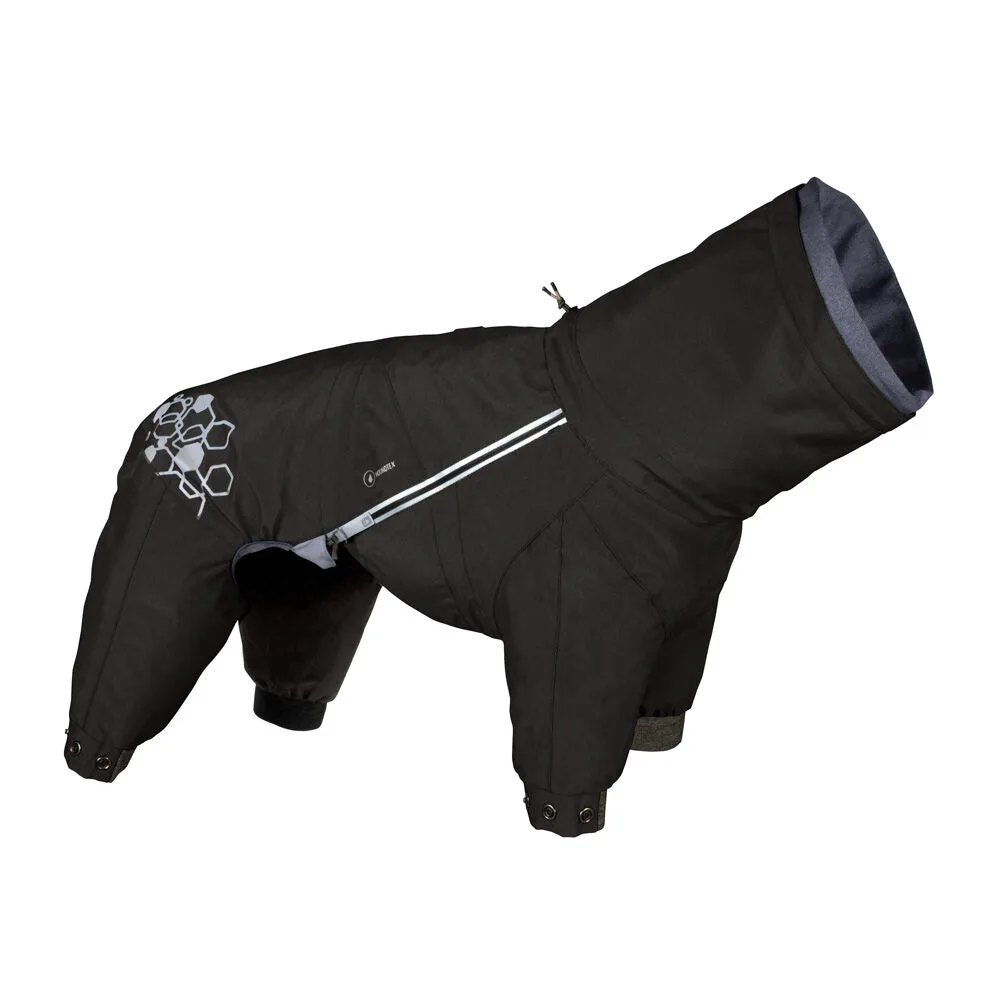
When choosing an outer shell, look for features like taped seams and weatherproof fabric to keep rain and mud out. The Mudventure Overall ECO, for example, is designed for layering atop a midlayer, making it a practical choice for cold and wet days. Its fully taped seams ensure that no moisture seeps through, so your dog stays dry and warm.
- Make sure the outer shell has enough room for the midlayer without restricting movement.
- Avoid layering a midlayer under a coat that is already heavily insulated, as this can cause overheating.
Trade-offs to consider
Layering adds bulk, which can affect your dog's agility and comfort, especially for small or short-legged breeds. A thick midlayer under a heavy coat might make it hard for your dog to move naturally. Also, more layers mean more time to put on and take off, which can be a hassle if you're in a hurry.
On the other hand, a midlayer gives you flexibility. You can adjust your dog's insulation based on the weather, rather than buying multiple heavy coats for different conditions. This is both cost-effective and practical, especially if you live in an area with variable winter weather.
Decision rules for adding a midlayer
- Temperature below freezing: If it's 32°F (0°C) or colder, add a midlayer under a waterproof shell to trap heat. Layer up for warmth.
- Short or thin coat: Breeds like Greyhounds, Chihuahuas, or puppies benefit most from extra insulation. Prioritize midlayer for these dogs.
- High activity level: During running or intense play, skip the midlayer to prevent overheating, even in cold weather. Let your dog generate their own heat.
- Thick double coat: Huskies, Malamutes, and similar breeds usually don't need a midlayer; a light shell is enough. Avoid extra insulation.
Products that help with layering
- Mudventure Overall ECO: Lightweight-yet-durable, weatherproof fabric and fully taped seams. Designed also for layering atop the soft and toasty Midlayer Overall for added warmth. This overall is a great outer shell for a midlayer. The taped seams keep rain out, and the roomy fit allows for a warming layer underneath without restricting movement.
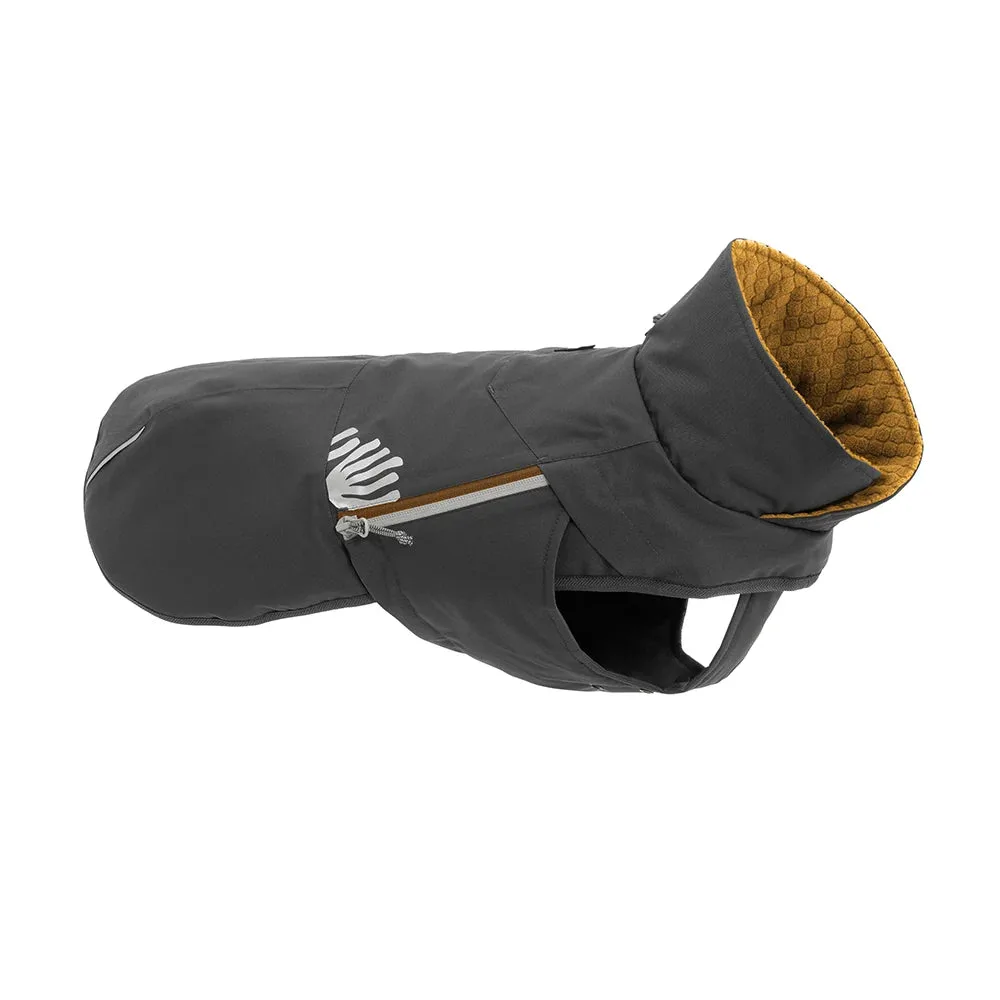
- Monsoon Coat II ECO: Enhanced design and fit, this practical raincoat is now even more comfortable. It won’t hinder your dog’s natural movement, and you can rely on it to stay in place. If you prefer a coat-style outer shell, the Monsoon Coat II ECO offers a secure fit that stays put, making it easy to layer over a midlayer for cold, wet days.
- Walk All-Season Jacket: Light and comfortable on its own, adds warmth and flexibility when layered. Wear it as an outer layer on cool days, or slip it under a Mudventure Coat when the conditions turn harsher. This jacket can serve as a midlayer itself on cool days, or as a lightweight outer layer. Its versatility makes it a smart choice for year-round layering.
Fit guidance for layering
Best for
- Dogs with short or thin coats that need extra warmth in freezing temperatures.
- Owners who want flexibility to adjust insulation based on weather and activity.
Not for
- Thick-coated breeds that are prone to overheating.
- High-energy activities where your dog generates sufficient body heat on its own.
Layering a warming midlayer under a weatherproof coat is a smart way to keep your dog comfortable and safe in cold weather, but it's not a one-size-fits-all solution. Consider your dog's coat type, the temperature, and the activity level before adding that extra layer. With the right combination, your dog can enjoy winter adventures without the shivers.