Quick Answer
Jasmine in soap offers calming aromatherapy and skin-nourishing benefits, making it a great addition to your routine. For a natural option, look for soaps with jasmine essential oil or real petals, and pair with a moisturizing body oil for best results.
Jasmine is more than a fragrant flower; it's a botanical with a long history in aromatherapy and skincare. When infused into soap, jasmine can turn a daily cleanse into a moment of relaxation and self-care.
But not all jasmine soaps are created equal. Some rely on synthetic fragrances, while others use natural essential oils or petals. Understanding these differences helps you choose a soap that truly benefits your skin and senses.
Aromatherapy Benefits of Jasmine
Jasmine's scent is often described as sweet, floral, and slightly exotic. In aromatherapy, jasmine is believed to uplift mood, reduce stress, and promote a sense of calm. When you use a jasmine soap in the shower, the steam helps release the fragrance, creating a mini aromatherapy session.
If you're new to jasmine, start with a soap that has a subtle scent. Stronger, more intense jasmine can be overwhelming for some. Also, consider whether you prefer a soap with essential oil or a synthetic fragrance. Essential oils offer natural aromatic benefits, while synthetic fragrances may just smell nice without the therapeutic effects.
- Look for soaps that list jasmine essential oil or real jasmine petals in the ingredients.
- If you have allergies, test a small area first to ensure you don't react to the fragrance.
Skin Health Benefits of Jasmine
Jasmine is not just about scent; it also has properties that can benefit your skin. It's known for its moisturizing and soothing effects, which can help dry or irritated skin. Some studies suggest jasmine has antioxidant properties that may protect against environmental damage.
However, the benefits also depend on the soap's base oils. A soap with nourishing oils like olive, coconut, or shea butter will be more moisturizing than one with harsh detergents. When choosing a jasmine soap, consider the entire ingredient list to ensure it aligns with your skin's needs.
- For dry skin, choose a jasmine soap with shea butter or olive oil as a base.
- Avoid soaps with excessive sodium lauryl sulfate (SLS) if you have sensitive skin.
How to Choose a Natural Jasmine Soap
When shopping for natural jasmine soap, check the ingredient list for 'jasmine essential oil' or 'jasmine extract.' Some soaps use synthetic 'jasmine fragrance' which may not offer the same aromatherapeutic benefits. Also, look for soaps made with natural colorants and botanicals, like real petals or clays.
Consider the soap's texture and lather. A soap with added exfoliants like oatmeal or sea salt provides gentle scrubbing, while a creamy lather feels more luxurious. Think about what you want from your soap: a daily cleanser, a gentle exfoliant, or a spa-like treat.
- Read labels to ensure jasmine is a natural ingredient, not just a fragrance.
- If you prefer a gentle exfoliating soap, look for one with ground oatmeal or sea salt.
Decision Rules for Choosing Jasmine Soap
- Check the ingredient source: Look for 'jasmine essential oil' or 'jasmine extract' rather than 'fragrance' to ensure natural aromatherapy benefits. Natural jasmine is more likely to provide calming effects.
- Consider your skin type: If you have dry skin, choose a soap with shea butter or olive oil. For oily skin, a soap with clay may help balance. Match the soap base to your skin's needs.
- Decide on exfoliation: If you want gentle exfoliation, look for soaps with oatmeal, sea salt, or luffa. For sensitive skin, skip exfoliants. Exfoliating soaps can be too harsh for daily use on sensitive skin.
- Test for allergies: Jasmine essential oil is generally safe, but if you have sensitive skin, do a patch test before using all over. A patch test prevents potential irritation.
Product Facts
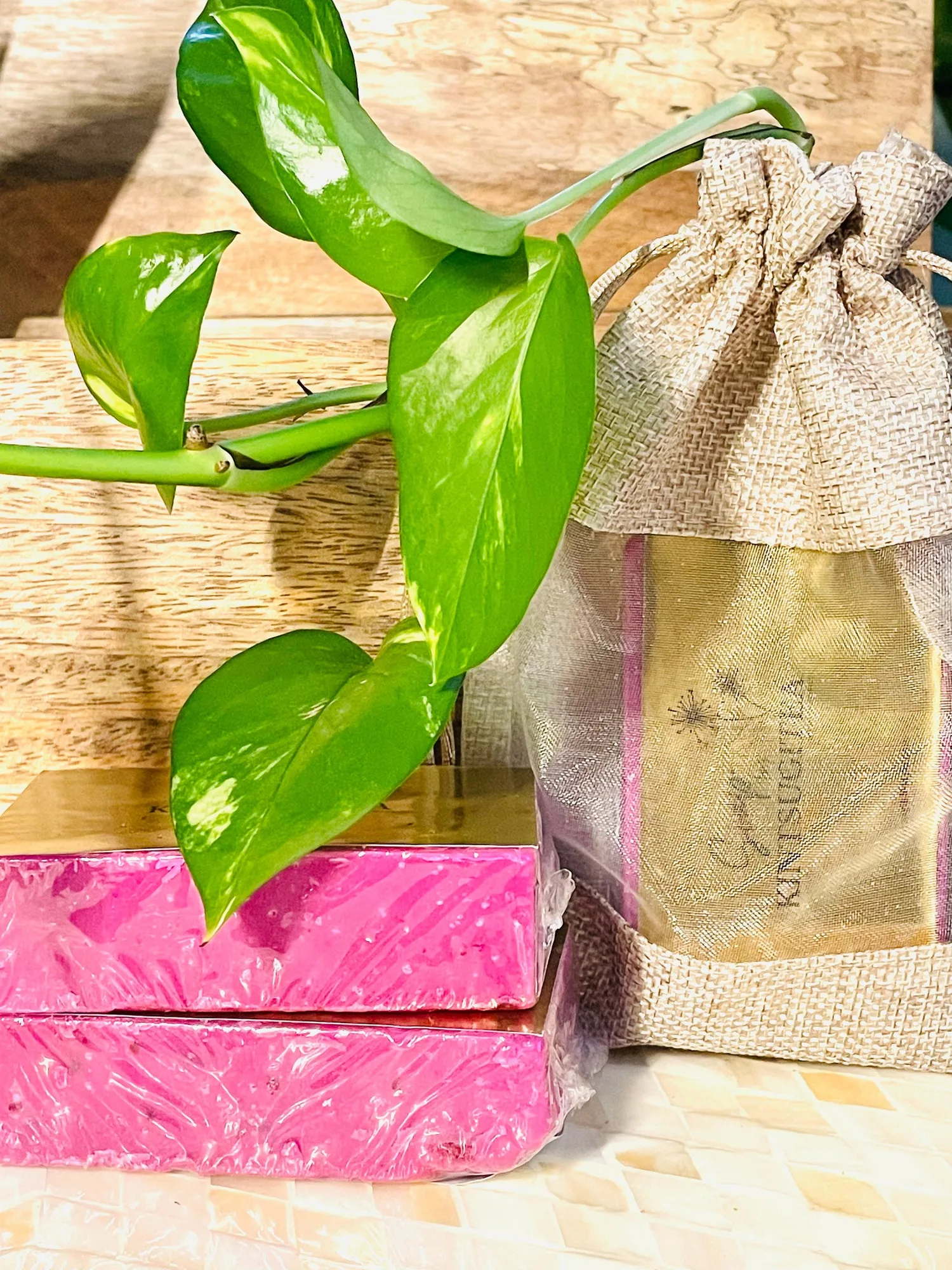
- Passion Rose Scrub Soap: Contains rose petals, ground oatmeal, sea salt, and a blend of olive, soybean, coconut, corn, and sunflower oils with organic shea butter. Though not jasmine, this soap offers a similar floral, calming experience with natural exfoliants and moisturizing oils. If you enjoy rose, this is a good alternative.
- Premium Luffa Lavender Soap: Handcrafted with French lavender essential oil, saponified oils, coconut oil, extra virgin shea butter, sunflower oil, castor oil, bentonite clay, and Dead Sea salt. Lavender, like jasmine, is known for relaxation. This soap provides a natural exfoliating texture with luffa, making it a good choice if you want a spa-like scrub.
Is Jasmine Soap Right for You?
Best for
- People who enjoy floral scents and want a calming shower experience.
- Those looking for a natural soap with potential skin-soothing benefits.
Not for
- People who prefer unscented or very mild soaps due to sensitivity to strong fragrances.
- Those who dislike floral aromas or want a soap with no botanical ingredients.
Jasmine soap can elevate your daily routine with its delightful scent and potential skin benefits. By paying attention to ingredients and your personal preferences, you can find a natural jasmine soap that feels like a treat for your senses and your skin.