Quick Answer
Conversation card games, such as TableTopics, are simple yet powerful tools for improving mental health. They encourage meaningful social interaction, which can reduce anxiety, build emotional connections, and promote mindfulness. Start with a deck like TableTopics' Best Things Ever Conversation Cards to spark positive conversations and see the benefits in your daily life.
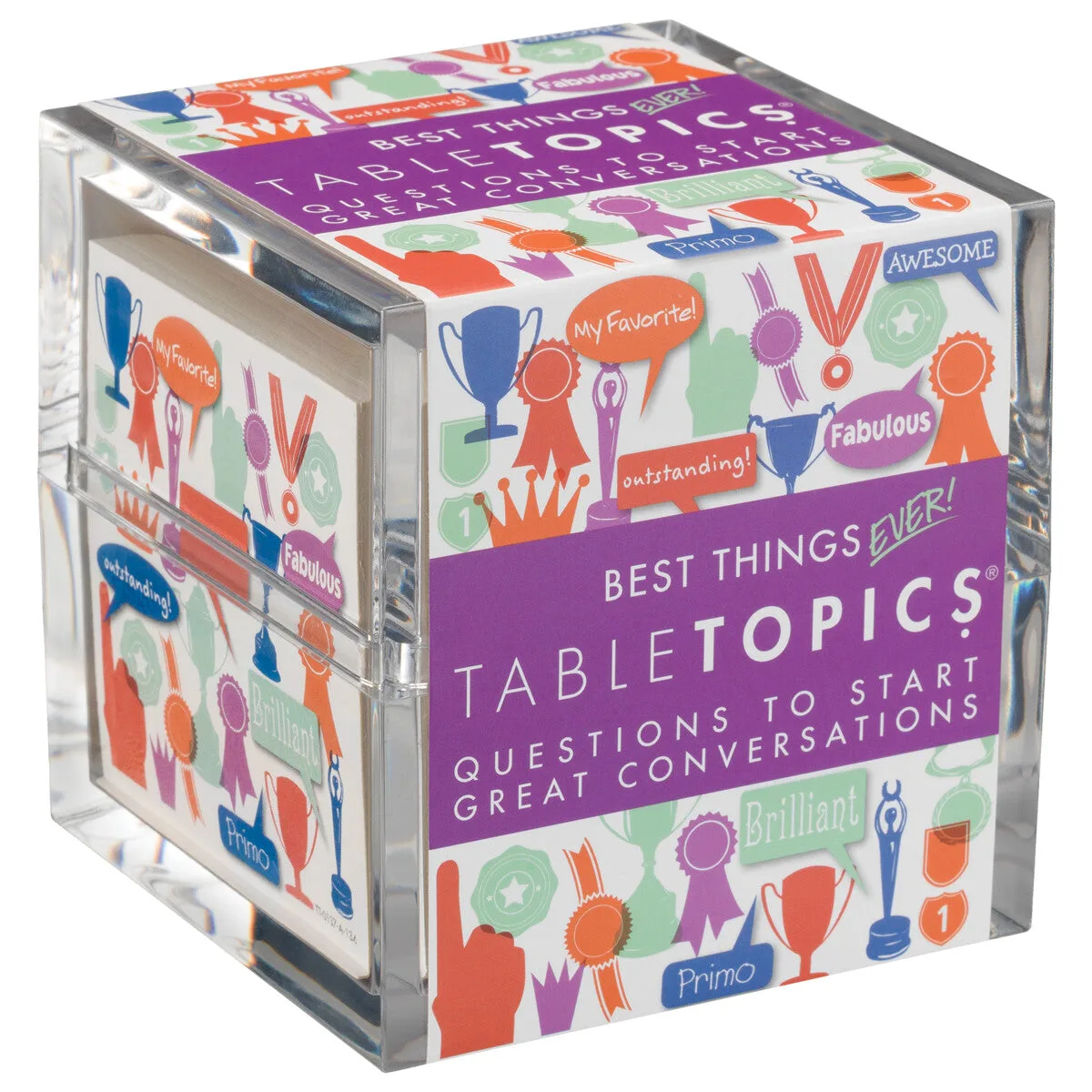
Best Things Ever Conversation Cards
In today's fast-paced world, many people struggle with feelings of isolation, anxiety, and a lack of genuine connection. While digital communication keeps us connected, it often lacks the depth that supports mental well-being. Conversation card games offer a refreshing, low-pressure way to engage with others, fostering the kind of social bonds that are essential for emotional health.
These games are not just for parties; they are practical tools for improving mental health. By prompting thoughtful questions, they encourage active listening, empathy, and self-expression. Whether you're looking to ease social anxiety, strengthen relationships, or simply be more present, conversation cards can be a valuable addition to your wellness routine.
How Conversation Cards Ease Anxiety
Social anxiety often stems from the fear of awkward silences or not knowing what to say. Conversation cards provide a structured starting point, removing the pressure to come up with topics on the spot. This structure can make social interactions feel safer and more predictable, which helps reduce anxiety in both one-on-one and group settings.
For those who experience anxiety in social situations, using conversation cards can be a form of exposure therapy. By gradually engaging in guided conversations, individuals can build confidence and develop social skills in a supportive environment. The questions are designed to be open-ended, allowing participants to share as much or as little as they feel comfortable with, which respects personal boundaries.
- Start with light, positive topics to build confidence before moving to deeper questions.
- Use cards in small, comfortable groups to minimize pressure.
- Remember, you can skip any question that feels too personal.
Building Social Connection Through Guided Questions
Meaningful social connection is a cornerstone of mental health, yet many of us struggle to move beyond small talk. Conversation cards are designed to break down barriers by asking questions that prompt genuine sharing and active listening. This can lead to deeper relationships with friends, family, and even new acquaintances.
Regularly using conversation cards can help normalize discussions about feelings and experiences, creating a culture of openness and support. Whether it's a family dinner, a date night, or a gathering with coworkers, these cards provide a fun and engaging way to connect on a more meaningful level.
- Incorporate conversation cards into regular family meals to strengthen bonds.
- Use them at parties to help guests mingle and connect.
- Pair with a game like 'Cocktail Party Conversation Cards' for adult gatherings.
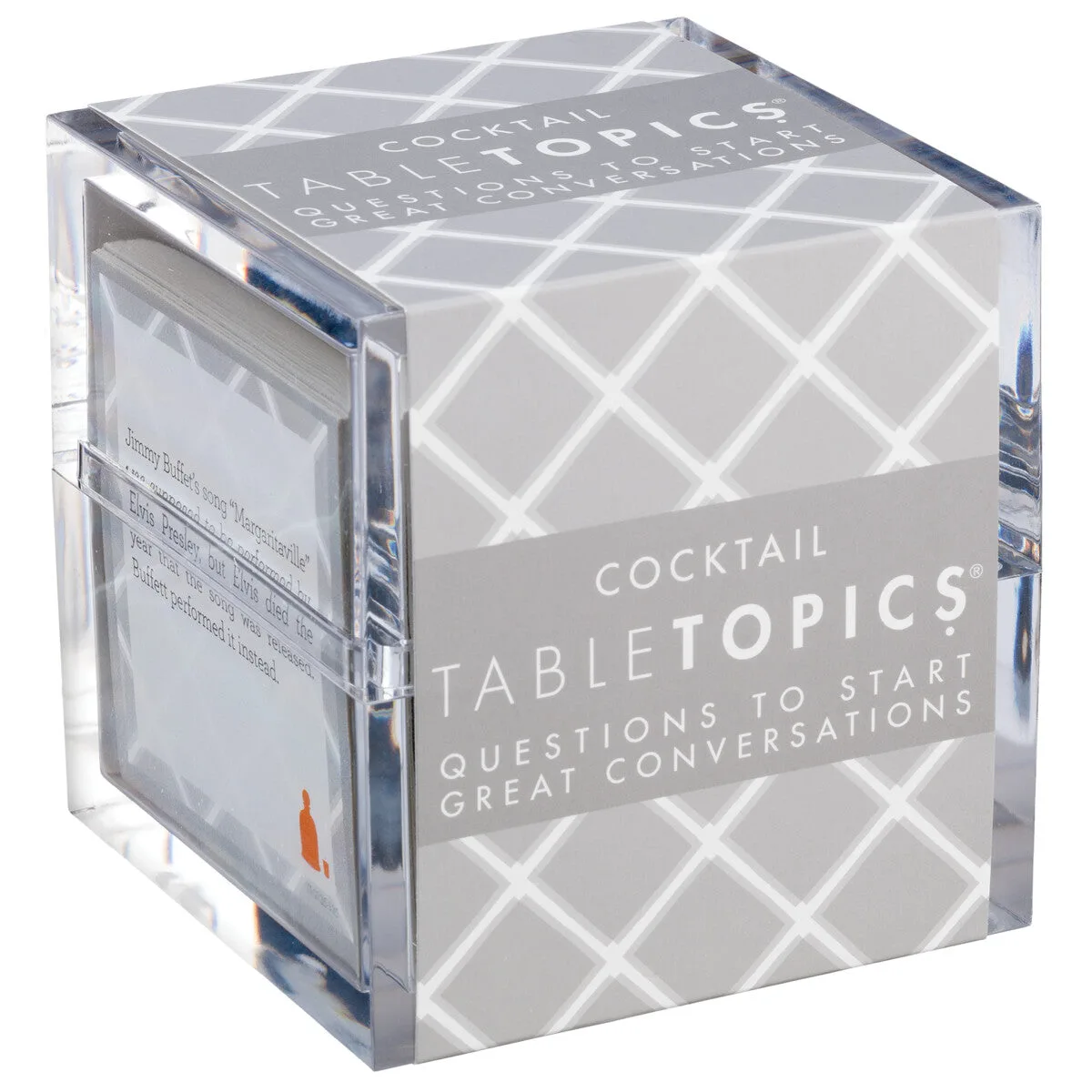
Cocktail Party Conversation Cards
Mindfulness and Presence: The Unexpected Benefit
Mindfulness, the practice of being fully present, is a proven way to reduce stress and improve mental health. Conversation cards naturally encourage mindfulness by focusing attention on the question and the person answering. This active listening and engagement pulls you away from distracting thoughts and into the present moment.
Many conversation card decks include questions that prompt reflection on positive experiences or preferences, which can shift your mindset to a more grateful and optimistic state. For example, 'Best Things Ever' cards ask about favorite things, helping to cultivate a positive outlook.
- Use conversation cards as a mindfulness exercise before or after meditation.
- Focus fully on the speaker without planning your response.
- Notice how the conversation makes you feel, practicing non-judgmental awareness.
Diagnosing Your Conversation Card Needs
- Symptom: You feel anxious or awkward in social situations, struggle to make small talk, or notice a lack of depth in your relationships. Recognize that you're not alone; many people feel this way.
- Likely Cause: The absence of structured conversation prompts and the prevalence of superficial interactions can leave you feeling disconnected and stressed. Understand that the problem is not you, but the lack of tools to facilitate meaningful dialogue.
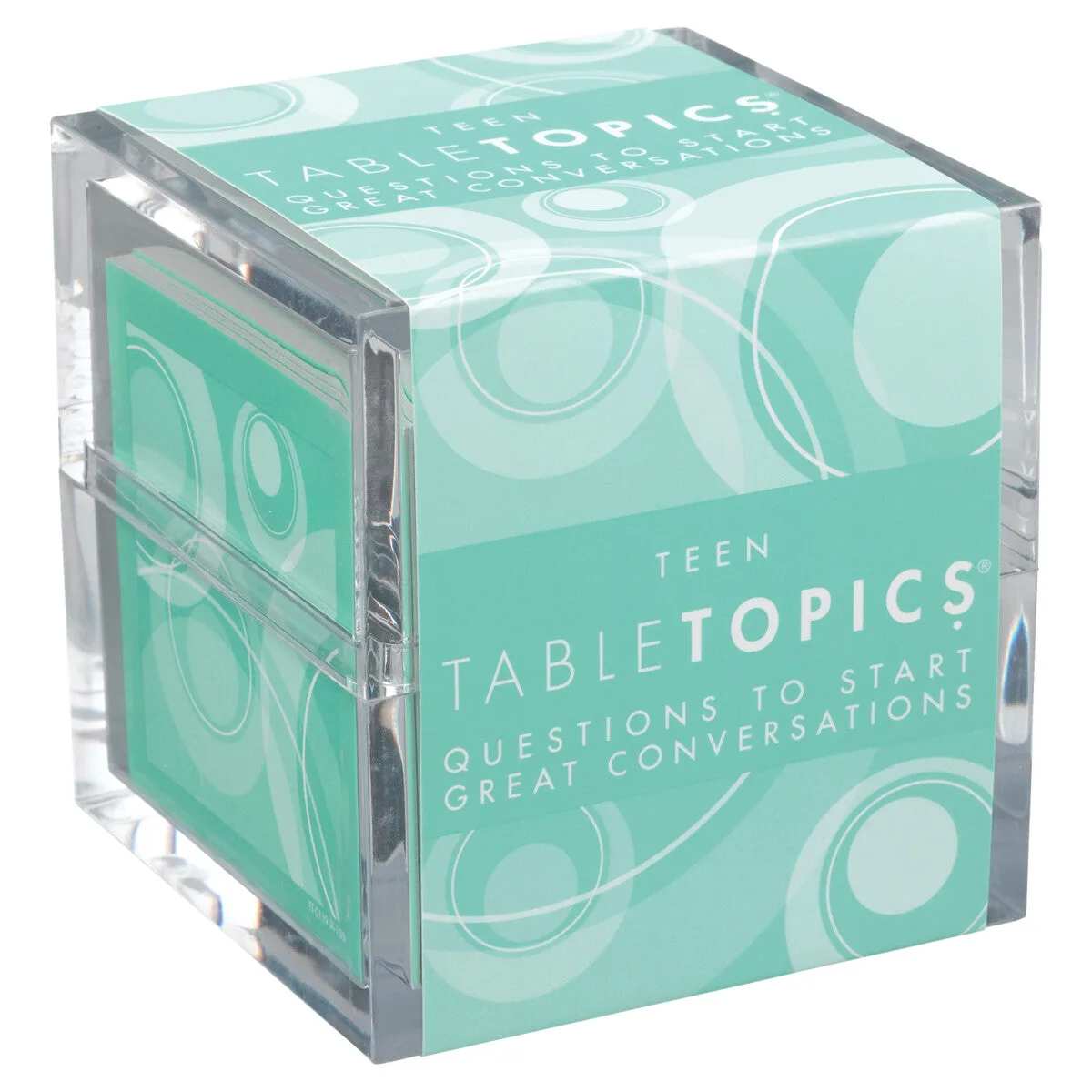
- Corrective Action: Introduce conversation cards into your social routine. Start with a deck that matches your comfort level, such as 'Best Things Ever' for positive topics or 'Teen Conversation Cards' for family discussions. Use the cards regularly to build habits of active listening and sharing.
- Stop or Choose Another Option: If you find that conversation cards alone do not alleviate severe anxiety or depression, or if you feel overwhelmed by the questions, stop and consider seeking professional help. For deeper emotional issues, therapy or counseling is a better option. Conversation cards are a supportive tool, not a substitute for professional mental health care.
Conversation Card Decks to Support Mental Health
- Best Things Ever Conversation Cards: Sample Questions: Would you rather see a sunset or sunrise? If you won an expensive trip somewhere, what destination would you choose? What was your favorite cereal when you were young? Bring On the Fun: Use TableTopics® Best Things Ever to have hours of fun talking about what you love and hearing about people’s preferences and opinions. Focusing on positive preferences and memories can lift mood and reinforce a grateful mindset, making this deck ideal for mindfulness and emotional wellness.
- Teen Conversation Cards: Ideal For: teenagers, preteens, parents of teens. Sample Questions: How many times do you typically hit the snooze button in the morning? If you could spend a day anywhere in the world, where would you go? What global problem do you care about most? Teen-Approved Questions: This set of 135 conversation starter questions is tailored to the interests of all kinds of teenagers. It will help them discover the passions and... Teens often face social pressures and anxiety; these cards provide a safe way to express themselves and connect with parents or peers, supporting emotional development.
Conversation card games offer a simple, accessible way to support your mental health. By easing social anxiety, fostering genuine connections, and promoting mindfulness, they can be a valuable part of your wellness toolkit. Start with a deck that feels right for you, and remember that the goal is not perfection but presence and connection.