Quick answer
Recycled materials in outdoor apparel are worth choosing because they reduce waste and often match or beat virgin fabrics on weight, breathability, and durability. Look for specific claims like PFC-free finishes, recycled polyester, or recycled wool insulation. Cotopaxi's Cielo Rain Jacket and Pacaya 2.0 Insulated Jacket are solid examples of how these materials perform in real conditions.
When you're standing in a downpour or sweating up a switchback, the last thing you want to think about is where your jacket's fabric came from. But the source of your gear's materials actually affects how it performs—and how long it lasts. Recycled fabrics have moved far beyond scratchy, low-performance territory. Today they're engineered for breathability, stretch, and weather protection, often using the same manufacturing lines as conventional fabrics.
This guide breaks down the practical benefits of recycled materials in outdoor apparel, the trade-offs to weigh, and how to spot genuine eco-friendly materials versus vague marketing. You'll also see how specific Cotopaxi products put these principles to work, so you can decide what belongs in your closet.
What recycled materials actually do for performance
Recycled polyester and recycled nylon are made by melting down post-consumer plastic bottles or fabric scraps and re-spinning them into new fibers. The result is a fabric that can be just as strong, light, and quick-drying as virgin polyester—sometimes more consistent because the recycling process filters out impurities. For activewear like a tech t-shirt, that means you get breathability and moisture management without relying on newly extracted petroleum.
Recycled wool insulation, often made from pre-consumer scraps, offers warmth without bulk. It regulates heat, so you don't overheat when you're moving and stay warm when you stop. Because these materials are engineered for specific end uses, they can be tailored to everything from ultralight trail hats to insulated jackets. The key is to check the fabric content and construction details rather than assuming all recycled fabrics behave the same.
- Look for 'recycled polyester' or 'recycled nylon' on the label—these are the workhorses of sustainable outdoor clothing.
- Recycled wool insulation is a good choice for breathable midlayers because it manages moisture and odor better than some synthetics.
- Perforated or mesh panels made from recycled fibers can boost airflow without adding weight.
The environmental case: less waste, fewer chemicals
Every pound of recycled fabric keeps plastic bottles or textile scraps out of landfills and reduces the need for virgin raw materials. That cuts energy use and greenhouse gas emissions compared to producing new polyester from oil. But the environmental story doesn't stop at the fiber. Finishes and dyes matter too. Traditional water-repellent treatments often use PFCs (per- and polyfluoroalkyl substances), which persist in the environment. PFC-free finishes avoid that problem while still shedding rain.
Brands that prioritize recycled materials often extend that thinking to packaging, shipping, and repair programs. For you as a shopper, the practical takeaway is to look for specific, verifiable claims: '100% recycled shell,' 'PFC-free DWR,' or 'recycled insulation from pre-consumer wool scraps.' Vague terms like 'eco-friendly' or 'green' without details are harder to trust.
- PFC-free water repellents are better for the environment and still keep you dry in most rain.
- Recycled insulation made from pre-consumer wool scraps gives a second life to manufacturing waste.
- Check if the brand offers repairs or take-back programs—that extends the gear's life and multiplies the benefit.
Trade-offs to weigh before you buy
Recycled materials aren't perfect. They can cost more to produce, though that's changing as demand grows. Some recycled fabrics may have a slightly different hand-feel—a bit crisper or less soft—than their virgin counterparts, though this varies widely by brand and construction. Color consistency can also be trickier with recycled dyes, so limited-edition hues might sell out faster. Durability is rarely an issue; in fact, many recycled fabrics are tested to the same abrasion and tear standards as conventional ones.
Another trade-off is transparency. Not all 'recycled' claims are equal. Some products use a small percentage of recycled content and highlight it heavily. If sustainability is a priority, look for the percentage and the source. A jacket with a 100% recycled shell and recycled insulation delivers a bigger impact than one with 10% recycled trim. Also consider end-of-life: recycled fabrics are still not infinitely recyclable, so buying durable, versatile pieces you'll wear for years is the most sustainable move.
- Check the percentage of recycled content—higher is generally better for the environment.
- Don't sacrifice fit or function for a sustainability claim; the best gear is the one you actually wear.
- Prioritize timeless colors and versatile designs to maximize wear and reduce replacements.
How to spot genuine recycled materials
Start with the tag or product page. Reputable brands list specific materials: 'recycled polyester-spandex blend,' '100% recycled shell,' 'recycled wool insulation.' If a product only says 'made with recycled materials' without percentages or fiber types, treat it as a yellow flag. Certifications like bluesign® or Global Recycled Standard (GRS) add credibility, though they're not universal. You can also look for third-party verification like PFC-free labels.
Pay attention to the entire product, not just the main fabric. Zippers, trims, and linings can also be recycled or responsibly sourced. Finally, consider the brand's overall commitment. Does it publish sustainability reports? Does it offer repairs? These signals show whether recycled materials are a core value or a one-off marketing tactic.
- Look for specific fiber names and percentages, not just 'recycled.'
- Certifications like GRS or bluesign® indicate third-party verification.
- Check the brand's website for repair services and transparent sourcing information.
Real-world examples: recycled materials in action
Cotopaxi builds several pieces that show how recycled materials translate into performance. The Cielo Rain Jacket - Men's uses a PFC-free recycled shell, so you get waterproof protection without persistent chemicals. It's designed for town or trail, and the recycled fabric keeps you dry while reducing environmental impact. For cooler conditions, the Pacaya 2.0 Insulated Jacket - Men's combines a 100% recycled shell with recycled insulation made from pre-consumer wool scraps. It regulates heat during active pursuits and layers well under a shell.
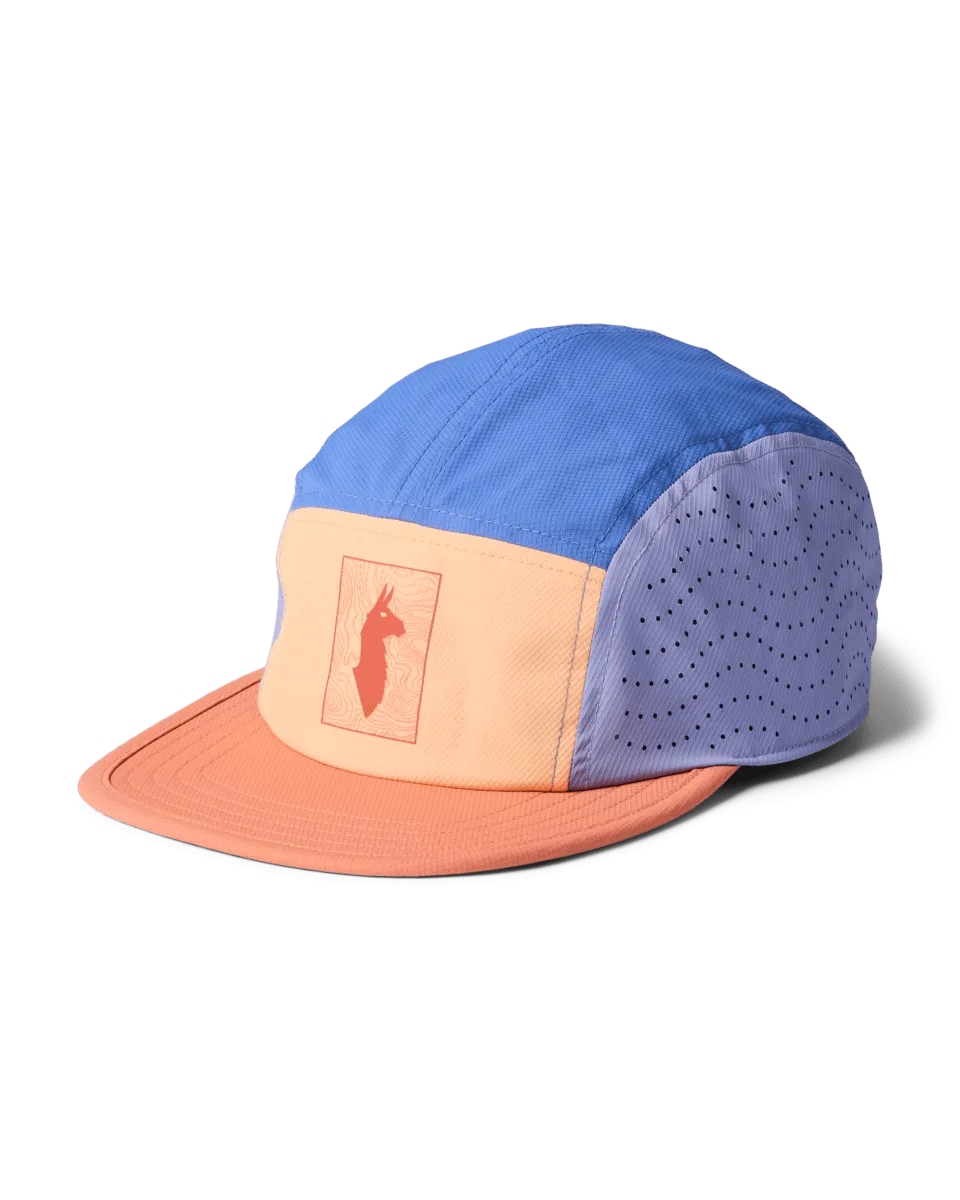
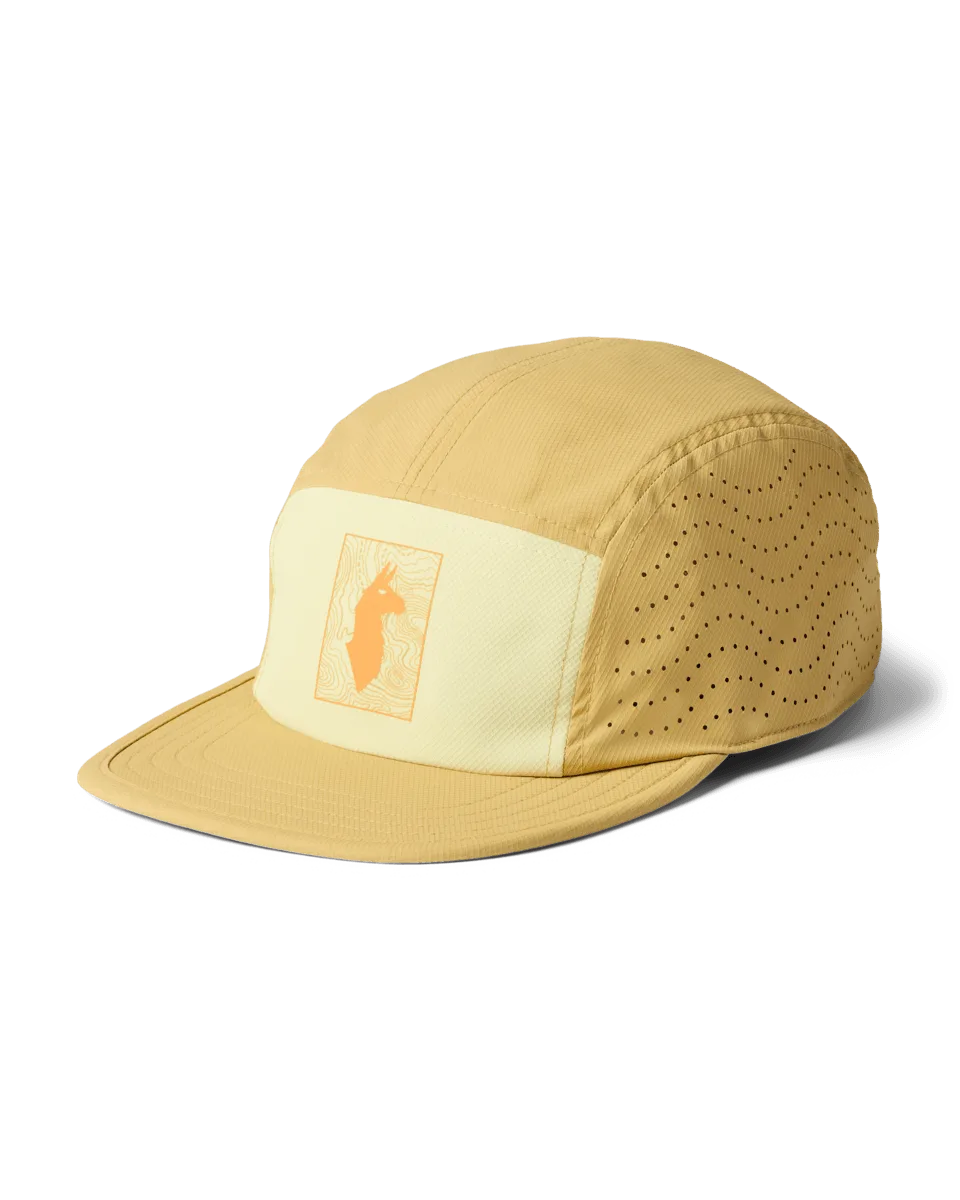
Even small accessories benefit. The https://cotopaxiety.com/products/tech-plus-5-panel-hat-1-56d7f34f03d6431c1ef29b9d-1804174Tech Plus 5-Panel Hat is built with ultralight recycled polyester and perforated sides for breathability, making it a smart choice for long hikes or trail runs. And the Pulso Tech T-Shirt - Men's (also available in a women's version) uses a recycled polyester-spandex blend with perforated fabric and UPF 50+ sun protection. These examples show that recycled materials can meet the demands of different activities without compromising on comfort or function.
- The Cielo Rain Jacket's PFC-free finish is a concrete eco-friendly feature you can rely on.
- The Pacaya 2.0's recycled wool insulation provides warmth without bulk, ideal for stop-and-go activities.
- The Tech Plus Hat and Pulso Tech T-Shirt demonstrate that recycled fabrics work for high-sweat, high-exertion use.
Decision rules for buying recycled outdoor apparel
- Prioritize PFC-free DWR for rain gear: If you need a rain jacket, choose one with a PFC-free water repellent finish. It keeps you dry without releasing persistent chemicals into the environment. Check the product page for 'PFC-free' or 'PFC-free DWR' before buying.
- Match insulation to your activity level: For stop-and-go activities like skiing or hiking, recycled wool insulation regulates heat better than standard synthetics. For high-output runs, choose a breathable synthetic like recycled polyester. Read the insulation description: 'regulates heat' or 'breathable' are good signs.
- Verify recycled content percentage: A jacket with 100% recycled shell and insulation has a bigger impact than one with only 10% recycled trim. Look for specific percentages on the label or website. If the percentage isn't listed, consider it a red flag and look for another option.
- Choose versatile designs for longevity: The most sustainable gear is the gear you wear for years. Pick timeless colors and multi-use pieces that work across seasons and activities. Ask yourself: will I still wear this in three years? If not, keep looking.
Key product facts
- Cielo Rain Jacket - Men's: Made from PFC-free recycled materials, keeping you dry without unwanted chemicals. You get reliable rain protection and avoid persistent pollutants, a win for both you and the environment.
- Pacaya 2.0 Insulated Jacket - Men's: Features a 100% recycled shell and recycled insulation made from pre-consumer wool scraps that regulates heat. This jacket keeps you comfortable during active days and layers well under a waterproof shell, proving recycled insulation can perform.
- Tech Plus 5-Panel Hat: Built with ultralight recycled polyester fabric and perforated sides for extra breathability. It's a lightweight, packable option for high-output activities, showing that recycled materials can be technical and comfortable.
- Pulso Tech T-Shirt - Men's: Made from a recycled polyester-spandex blend with perforated fabric and UPF 50+ sun protection. This t-shirt delivers breathability and sun defense, demonstrating that everyday outdoor apparel can be both sustainable and high-performing.
Fit and sizing guidance
Best for
- Shoppers who want to reduce their environmental footprint without sacrificing performance.
- Outdoor enthusiasts looking for technical gear made with recycled polyester, nylon, or wool.
- Anyone who values transparency and specific sustainability claims over vague marketing.
Not for
- Shoppers who prioritize the absolute lowest price regardless of materials.
- Those who need highly specialized gear where recycled options are not yet available.
- People who prefer traditional virgin fabrics for specific performance reasons (e.g., certain high-wear applications).
Recycled materials in outdoor apparel have matured into high-performance options that reduce waste and often match or exceed conventional fabrics. By focusing on specific claims like PFC-free finishes, recycled wool insulation, and high recycled content percentages, you can gear up responsibly without compromising on your adventures. Start with versatile pieces like a recycled rain jacket or tech t-shirt, and build from there.