When it comes to walking your dog, the choice between a collar and a harness can significantly impact your pet's comfort and your control. While collars have been the traditional choice, many dog owners and trainers are turning to harnesses for a variety of reasons. In this article, we'll explore the numerous benefits of using a dog harness, from reducing strain on your dog's neck to improving training outcomes.
Whether you have a small puppy, a strong puller, or a senior dog with health issues, a harness can offer a safer and more comfortable walking experience. Let's dive into the reasons why a harness might be the best investment for your furry friend.
Reduces Neck Strain and Prevents Injury
One of the most significant advantages of a dog harness is that it distributes pressure across your dog's chest and shoulders rather than concentrating it on the neck. This is particularly important for dogs that tend to pull on the leash. When a dog pulls against a collar, it can cause strain on the trachea, esophagus, and cervical spine, leading to coughing, gagging, and even more severe injuries over time.
By using a harness, you can minimize the risk of neck injuries and protect your dog's delicate throat area. This is especially crucial for brachycephalic breeds (like pugs and bulldogs) that already have respiratory challenges, as well as for small dogs that are more susceptible to tracheal collapse. A harness allows you to guide your dog gently without causing discomfort.
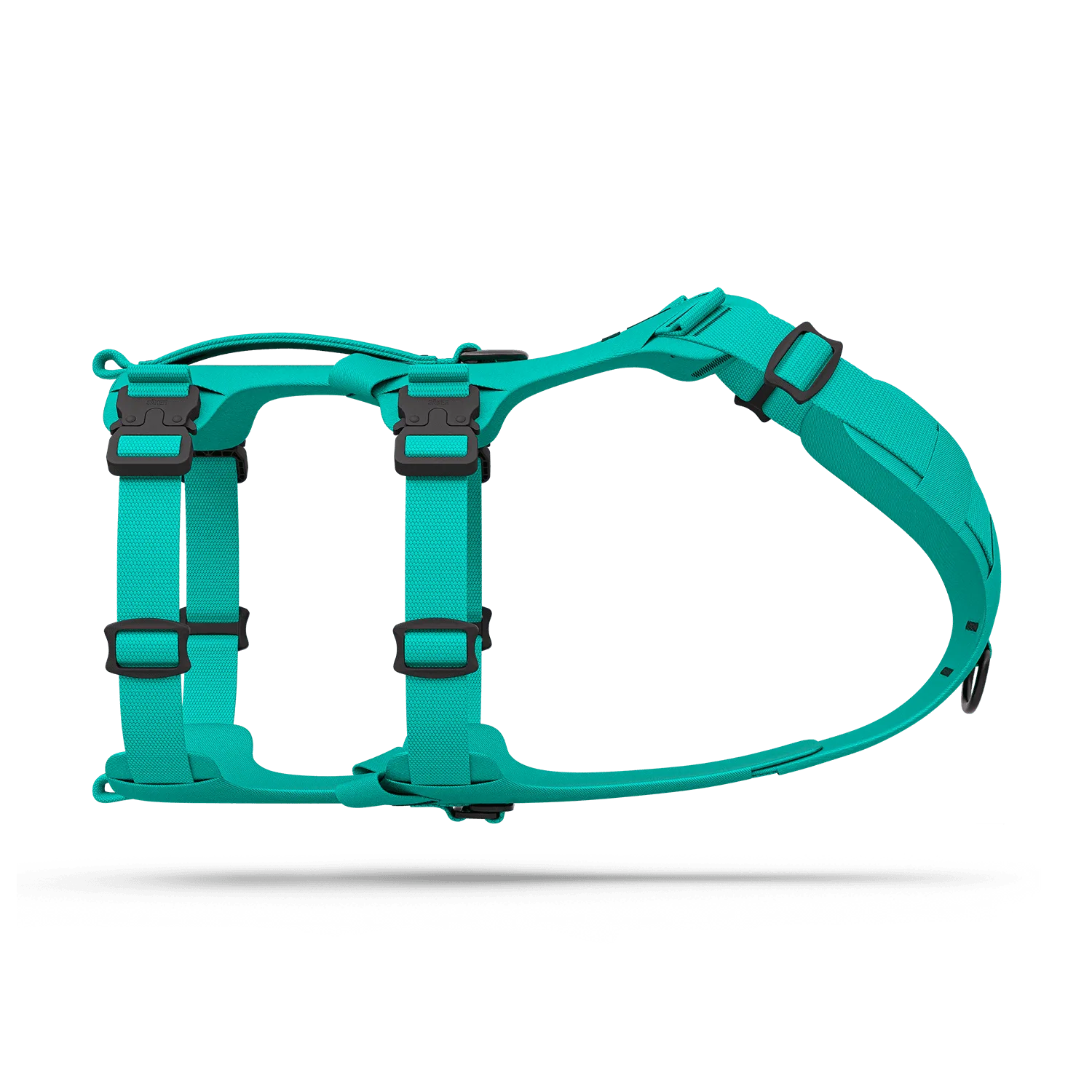
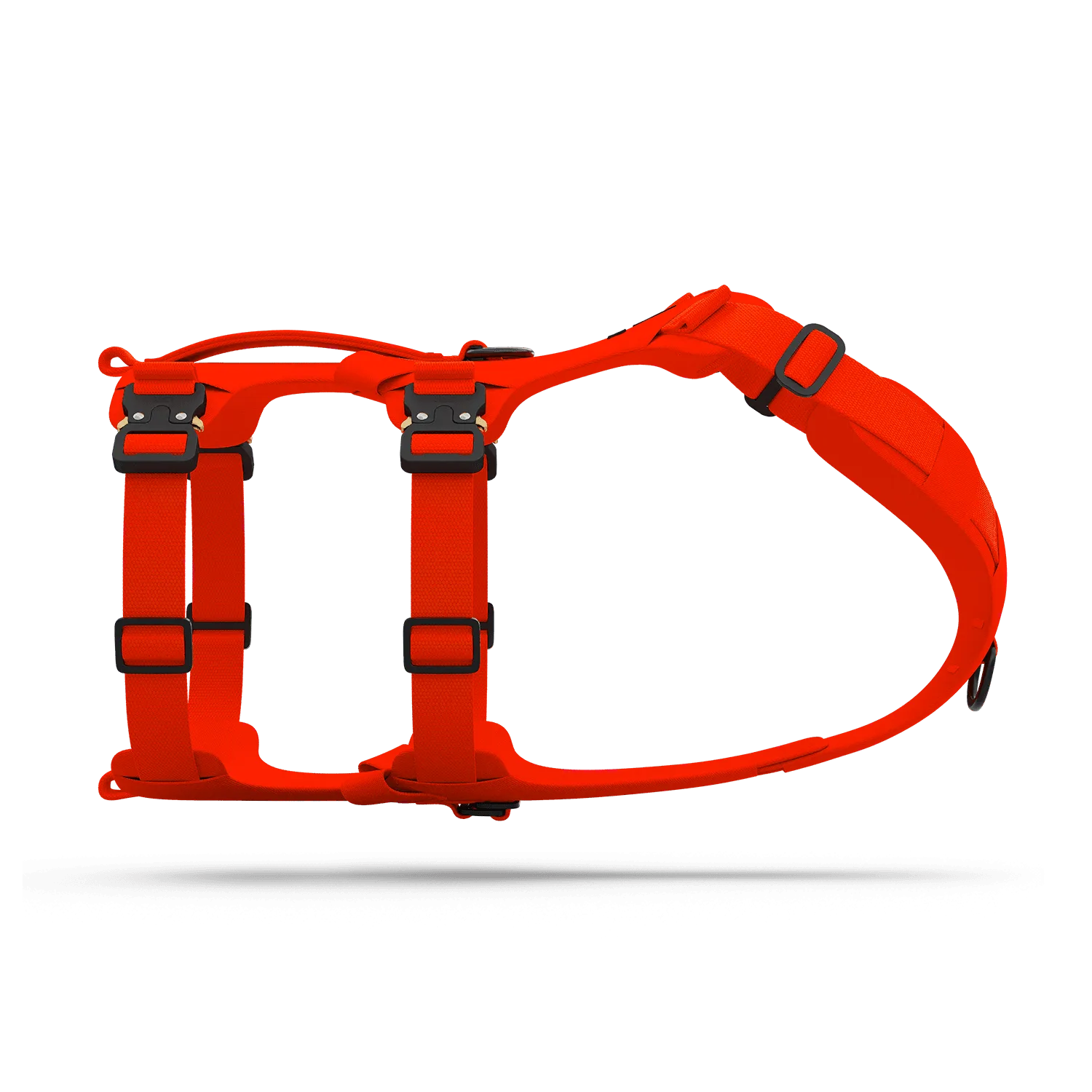
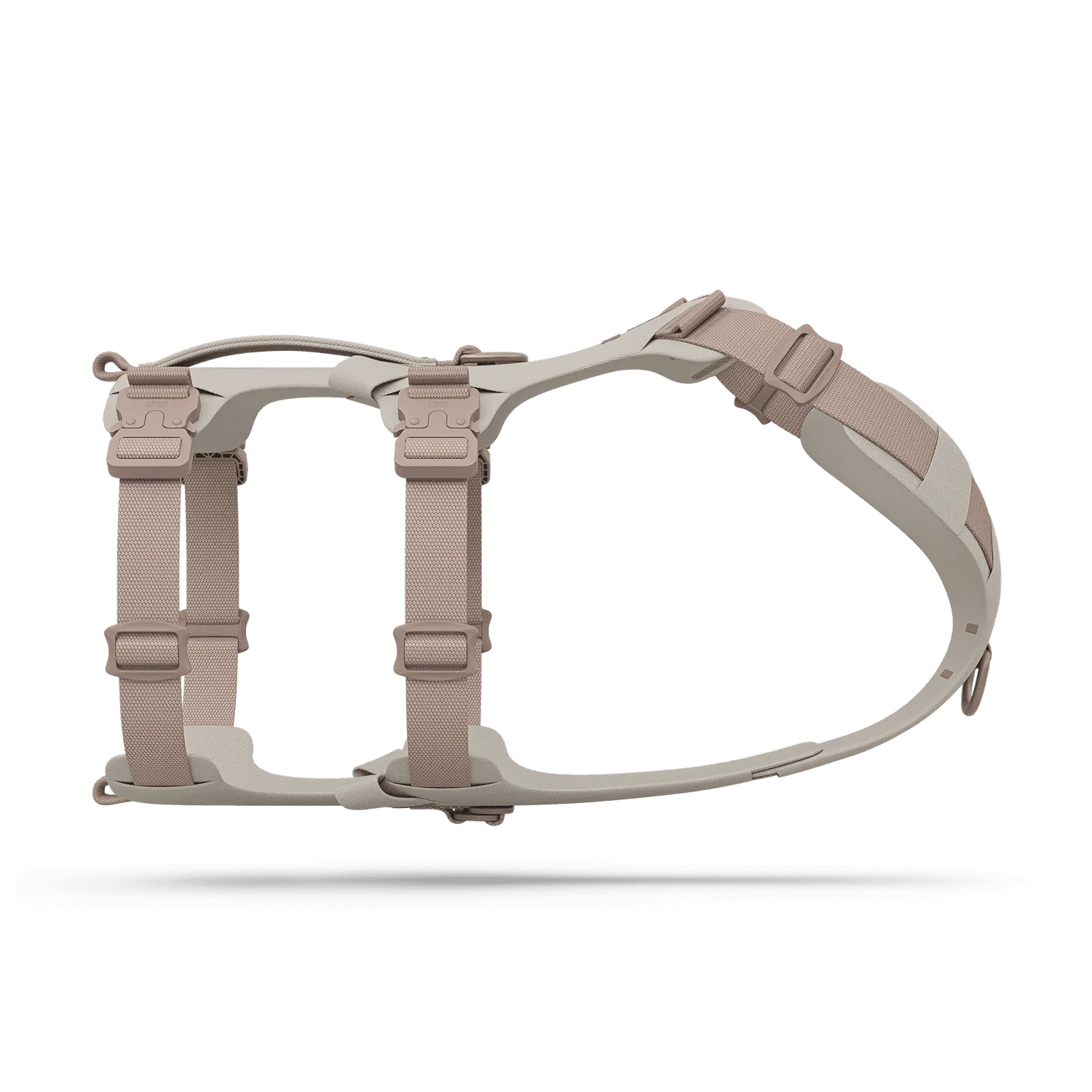
- Look for a harness with a padded chest plate for extra comfort, such as the MuseTM harness.
Improves Control and Safety During Walks
Harnesses provide better control over your dog's movements, especially in high-distraction environments. With a harness, you can steer your dog away from potential dangers like busy roads or aggressive dogs more effectively than with a collar. Many harnesses have a front-clip option that discourages pulling by turning your dog's body to the side when they lunge, teaching them to walk politely.
Additionally, harnesses are more secure than collars, as there's less risk of your dog slipping out. This is particularly important for dogs with narrow heads or those that are escape artists. A well-fitted harness ensures that your dog stays safely attached to you at all times, giving you peace of mind during walks.
- For dogs that pull, consider a front-clip harness like the LanderTM harness to improve control.
Enhances Training and Behavioral Modification
Harnesses are invaluable tools for training, especially for puppies and dogs that need to learn leash manners. By using a harness, you can communicate with your dog more effectively without causing pain or fear. The gentle pressure on the chest and shoulders helps you guide your dog into desired positions, making training sessions more productive and enjoyable for both of you.
For dogs that are reactive or anxious, a harness can help you manage their behavior with less stress. The feeling of being 'hugged' by a harness can have a calming effect on some dogs, reducing anxiety during walks. This makes harnesses a great choice for dogs that are new to walking or that have had negative experiences with collars.
- Pair your harness with a proper training leash for best results.
Comfort for Dogs with Respiratory or Neck Issues
Dogs with respiratory conditions, such as laryngeal paralysis or collapsing trachea, should never wear collars. A harness is the recommended choice because it avoids any pressure on the neck and allows for unrestricted breathing. Similarly, dogs with neck injuries or arthritis benefit from the even weight distribution a harness provides.
Even for healthy dogs, a harness can prevent the development of neck problems over time. By switching to a harness, you're making a proactive choice for your dog's long-term health and well-being.
Versatility for Different Activities
Harnesses are not just for walking; they are versatile tools for various activities such as hiking, running, and even car travel. Many harnesses come with additional features like handle straps for lifting your dog over obstacles or into the car, and reflective materials for visibility during early morning or evening walks.
Some harnesses are designed with specific activities in mind, such as the MuseTM harness which is ideal for active dogs. Additionally, you can customize your harness with accessories like Harness Velcro Sleeves to add patches or reflectors for extra safety and personalization.

Harness Velcro Sleeves
Harness vs. Collar: Making the Right Choice
While collars are still suitable for dogs that walk calmly and have no health issues, harnesses offer clear advantages in many situations. The key is to choose the right type of harness for your dog's size, breed, and behavior. There are back-clip harnesses for everyday walking, front-clip harnesses for training, and no-pull harnesses designed specifically to discourage pulling.
When selecting a harness, ensure it fits properly—snug but not too tight, with room to slide two fingers under the straps. A well-fitted harness will not restrict your dog's movement and will be comfortable for long walks.
In summary, using a dog harness provides numerous benefits that enhance your dog's comfort, safety, and training. From reducing neck strain to improving control, a harness is a wise investment for any dog owner. If you're ready to make the switch, explore our range of high-quality harnesses like the MuseTM harness and find the perfect fit for your canine companion.