Quick Answer
Yes, loose leaf tea expires in the practical sense: it does not usually become unsafe, but it loses aroma, sweetness, and depth over time. Treat sealed, unopened tea as best within about 6 to 12 months, and opened tea as best within 6 to 12 months for most blends, faster for delicate green and white teas. Buy in quantities you will finish, and store tea in an airtight container away from light, heat, moisture, and strong smells.
Loose leaf tea does not spoil the way milk or bread does, which is why the question trips people up. What actually happens is a slow fade: the oils and volatile compounds that carry aroma and flavor oxidize, and moisture and odors creep in from the air around the leaf.
That means the answer depends on the tea type, how it has been stored, and whether the bag is still sealed. Below are direct answers to the questions tea drinkers ask most, plus a few product examples that show why some blends are more forgiving than others.
How long does loose leaf tea last?
There is no single number, because tea type and packaging matter more than any universal rule. As a working range, sealed and unopened tea is best within roughly 6 to 12 months, and opened tea is best within about 6 to 12 months for sturdy black, rooibos, and herbal blends. Delicate green and white teas fade faster, often noticeably within 3 to 6 months after opening, because their fresh, vegetal character is the first thing to go.
These are practical freshness windows, not safety deadlines. Old tea is rarely dangerous if it has stayed dry; it simply tastes flat, dusty, or dull. If your tea still smells vivid when you open the tin, it is probably still worth drinking, even if the date has passed.
- Judge freshness by smell first: a lively, recognizable aroma means the leaf still has something to give.
- If the aroma is gone, try a slightly longer steep before deciding the tea is finished.
What does the date on a tea package actually mean?
Most tea packages show a best-by or harvest date rather than a true expiration date. A best-by date is the maker's estimate of peak quality, not a safety cutoff. A harvest date tells you when the leaf was picked, which is genuinely useful for green, white, and single-origin teas where freshness is the whole point.
If a package shows no date at all, treat that as a decision limitation rather than a hidden signal. You cannot know how long it sat in a warehouse or on a shelf, so buy from a source that moves inventory quickly and start counting your own freshness clock from the day it arrives.
- Best-by date: quality guidance, not a safety warning.
- Harvest date: the most useful freshness clue for delicate teas.
- No date: buy smaller amounts and use your nose as the judge.
How should you store loose leaf tea properly?
The four enemies of tea are light, heat, moisture, and odor. Store tea in an opaque, airtight container in a cool, dry cupboard, away from the stove, the dishwasher, and sunny windowsills. A tin with a tight double lid or a well-sealed bag both work, as long as air is not circulating freely around the leaf.
Skip the refrigerator for everyday tea. Fridge air is humid and full of food smells, and repeated trips in and out cause condensation inside the container. If you must freeze tea for long-term storage, seal it in an airtight bag, freeze it once, and let it come fully to room temperature before opening so moisture does not condense on the leaf.
- Keep tea in the original sealed bag inside a tin for extra protection.
- Never store tea next to coffee, spices, or onions unless you want those notes in your cup.
- Label the container with the date you opened it so you are not guessing later.
Do some teas last longer than others?
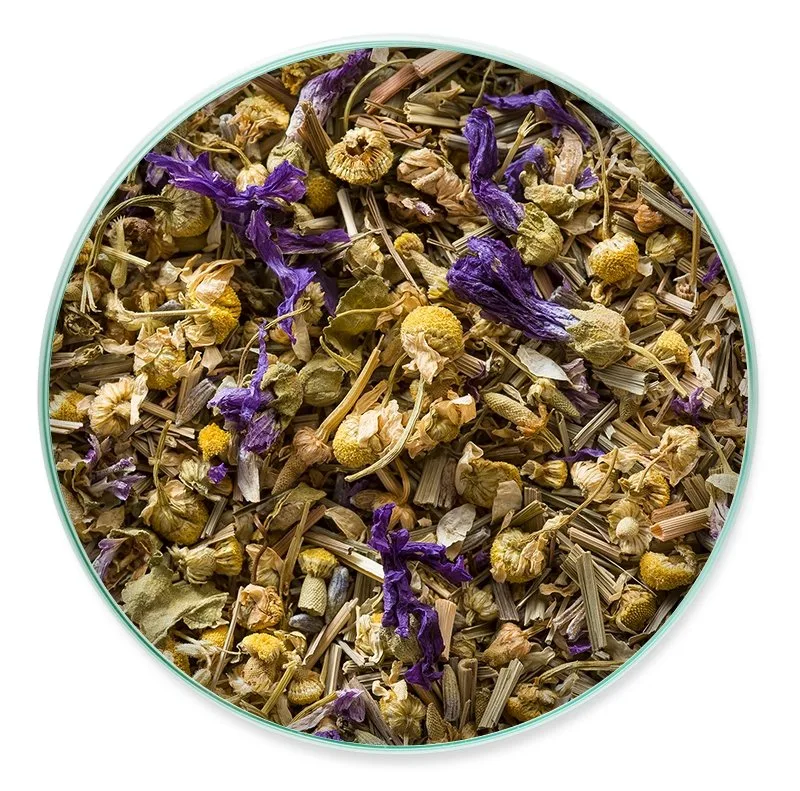
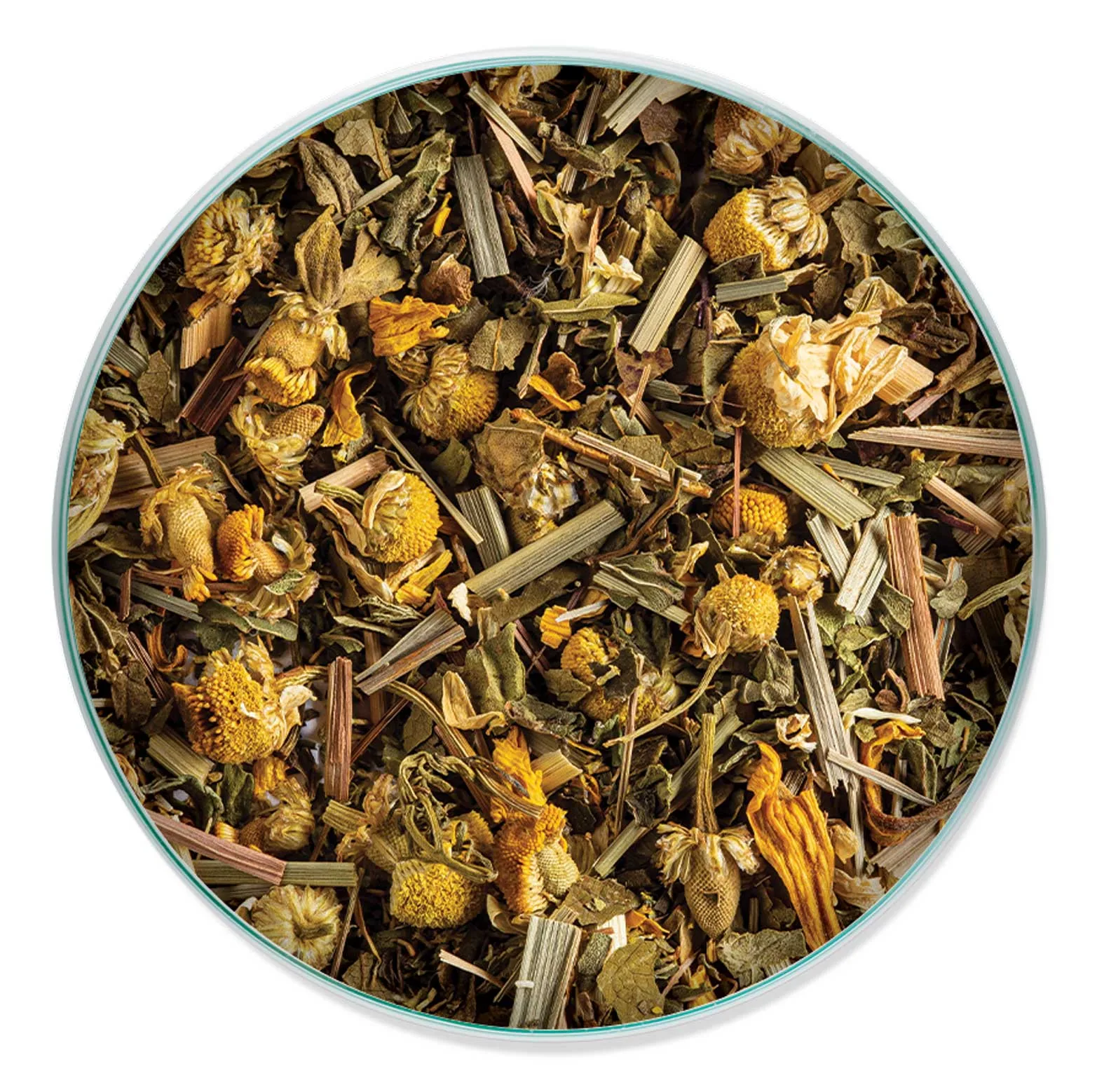
Yes, and the difference is easy to see in the catalog. Blends built on rooibos and herbs tend to hold their character well because they are naturally low in the delicate compounds that fade fastest. Cozy Chai is a caffeine-free spiced chai rooibos blend, which makes it a good candidate for keeping on hand through the cooler months without much worry about rapid decline.
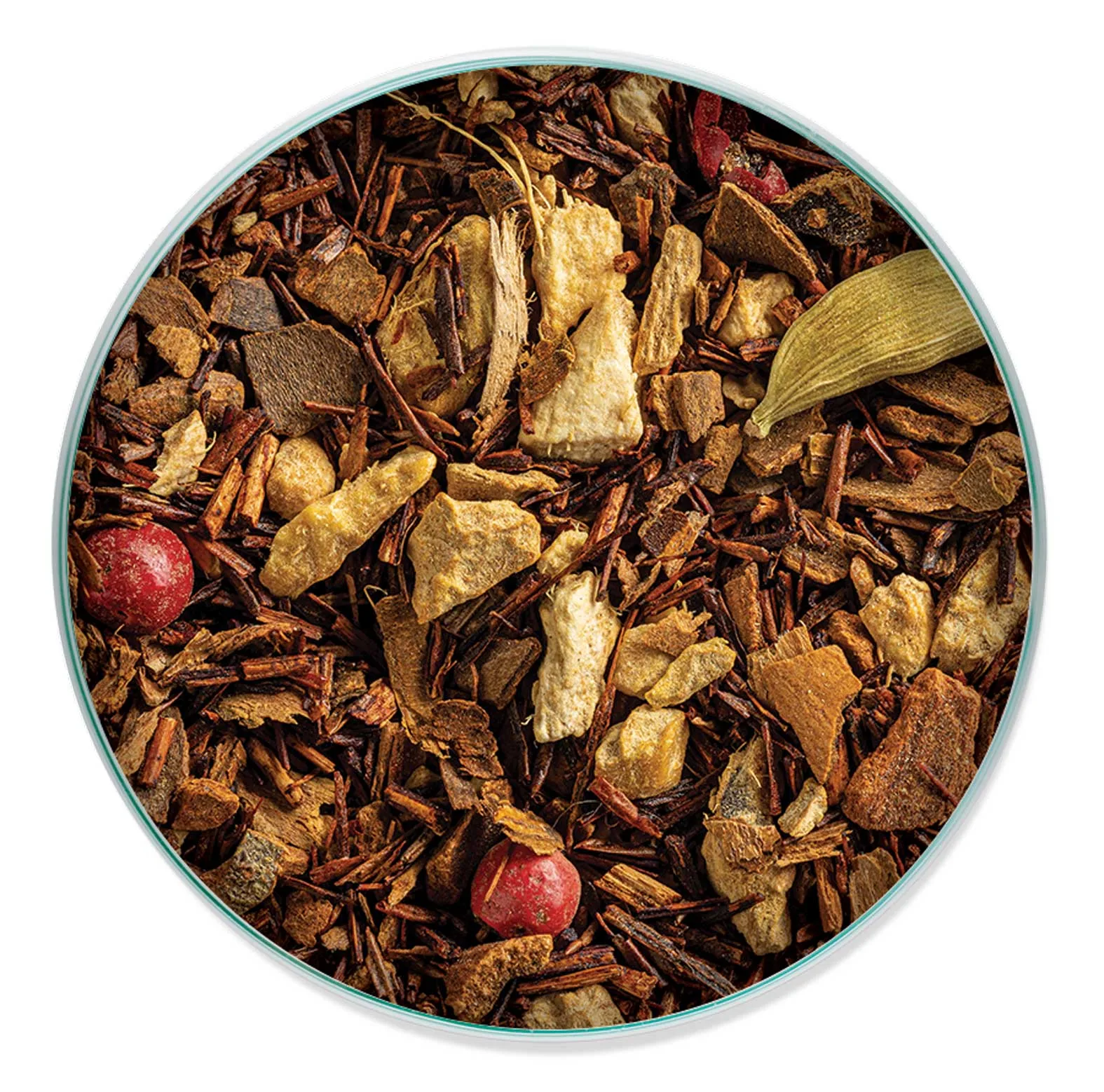
Cozy Chai
Green and white teas, by contrast, reward buying smaller and drinking sooner. Jasmine Pearls is a hand-rolled green tea from Fujian, China, dried with real jasmine flowers, and its sweet floral aroma is exactly the kind of quality that fades first. Buy it in a size you will finish within a few months rather than a year.
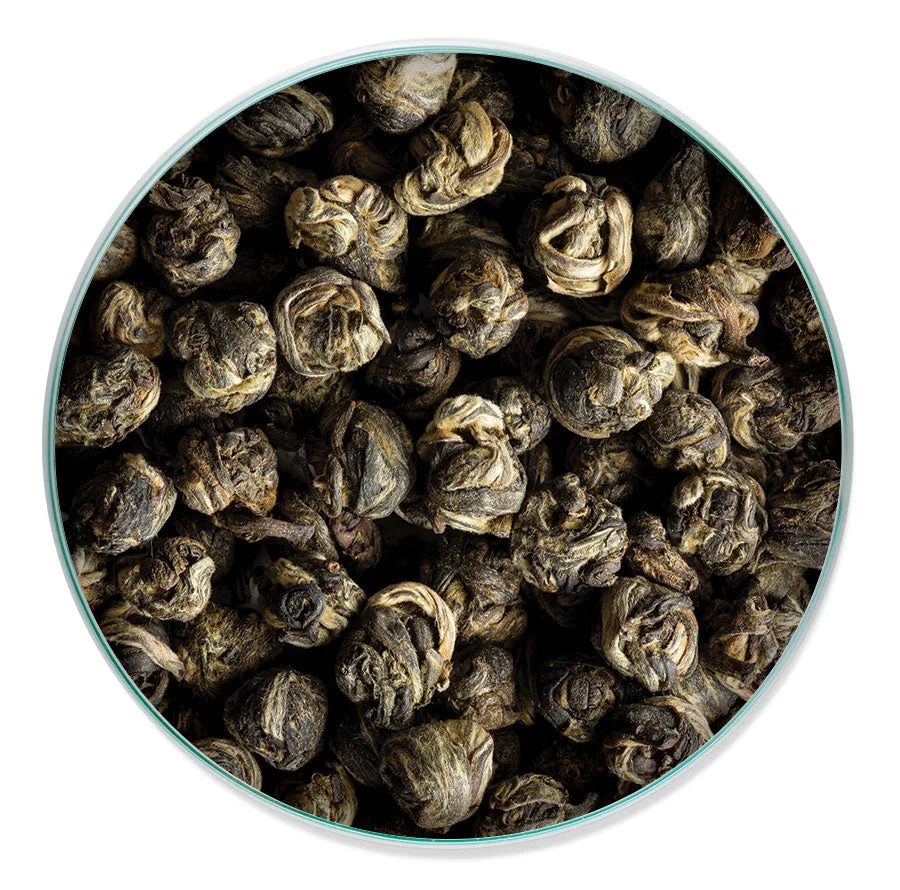
Jasmine Pearls
- Rooibos and herbal blends: the most forgiving in the cupboard.
- Green and white teas: buy smaller, drink sooner, store carefully.
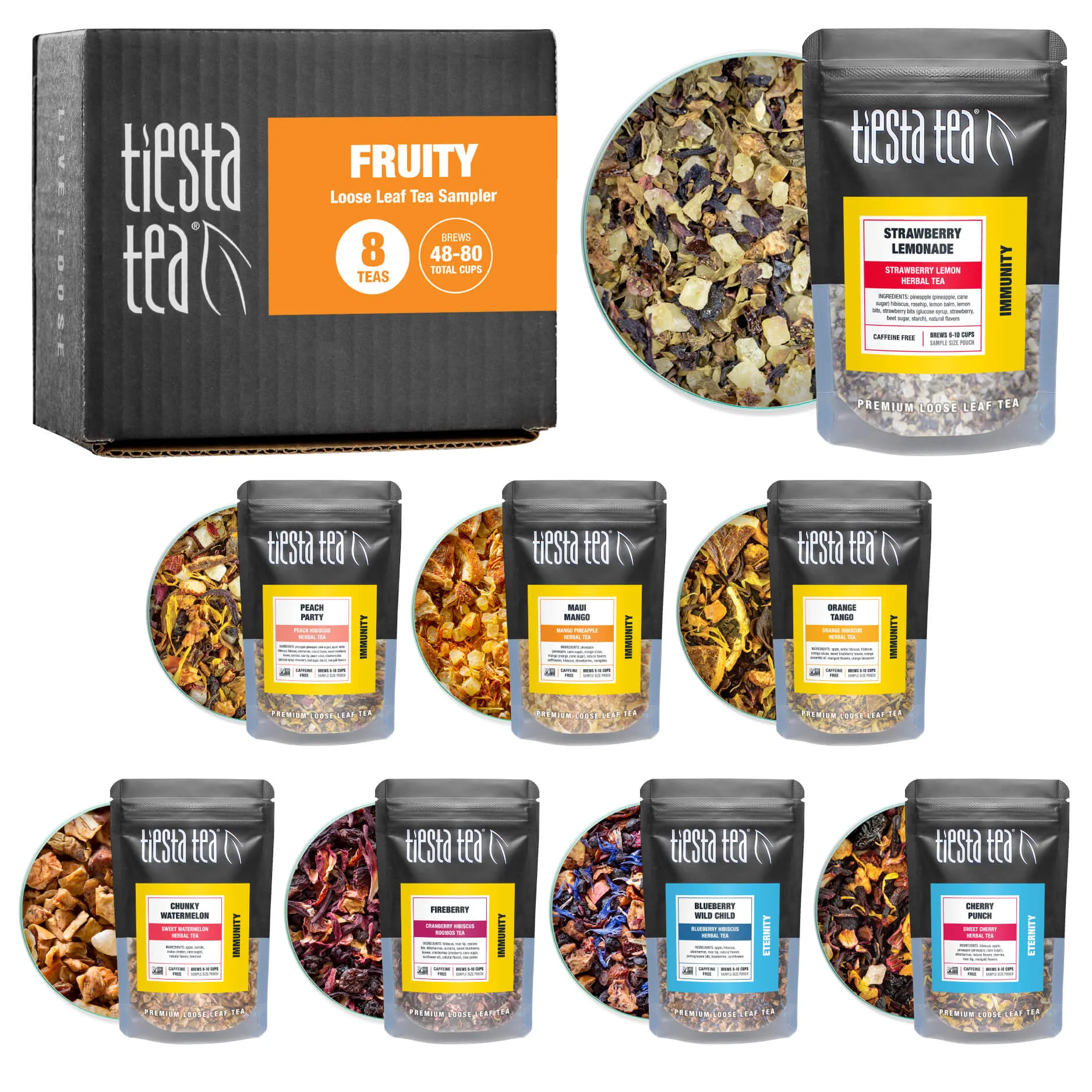
- Fruit-forward blends: check aroma often, since the fruit notes fade early.
Can you drink tea past its best-by date?
Usually yes, if it has been stored dry and shows no mold. Old tea is a flavor problem far more often than a safety problem. Look for clumping, visible fuzz, or a musty, damp smell, and throw the tea out if you find any of those. Otherwise, brew a small cup and taste it before committing to a full pot.
Past-prime tea still has uses. It works well in chai-style simmered preparations, iced tea, or blends where milk and sweetener carry the flavor. If a tea has gone flat but is not spoiled, a slightly longer steep or a touch more leaf can bring back enough body to make it worth finishing.
- Discard tea that is moldy, clumped, or smells damp or musty.
- Use faded tea for simmered chai, iced tea, or blended drinks.
- Taste a small cup before brewing a full batch of older tea.
Freshness Checkpoints at a Glance
Smell test
Open the container and breathe in. A vivid, recognizable aroma means the tea is still in good shape. If the smell is flat or dusty, expect a flat cup.
Storage check
Confirm the tea is in an opaque, airtight container in a cool, dark cupboard, away from the stove and strong-smelling foods. Fix the storage before you blame the tea.
Date check
Note the best-by or harvest date, then write the date you opened the bag on the container. Your own open date is the most reliable freshness marker.
Buy-the-right-size check
Match the bag size to how fast you actually drink tea. Delicate green and white teas deserve smaller bags. Smaller, more frequent purchases beat one giant bag that fades.
Catalog Examples That Show Freshness in Practice
- Cozy Chai: A caffeine-free spiced chai rooibos blend from the Relaxer line, made with herbal and rooibos teas. Rooibos-based blends are among the most forgiving to store, so this is a sensible one to keep a larger bag of for evening cups.
- Jasmine Pearls - Wholesale: A green tea from Fujian, China, dried with real jasmine flowers and rolled into pearls by hand. Its floral aroma is the first thing to fade, so buy a size you will finish within a few months and store it airtight.
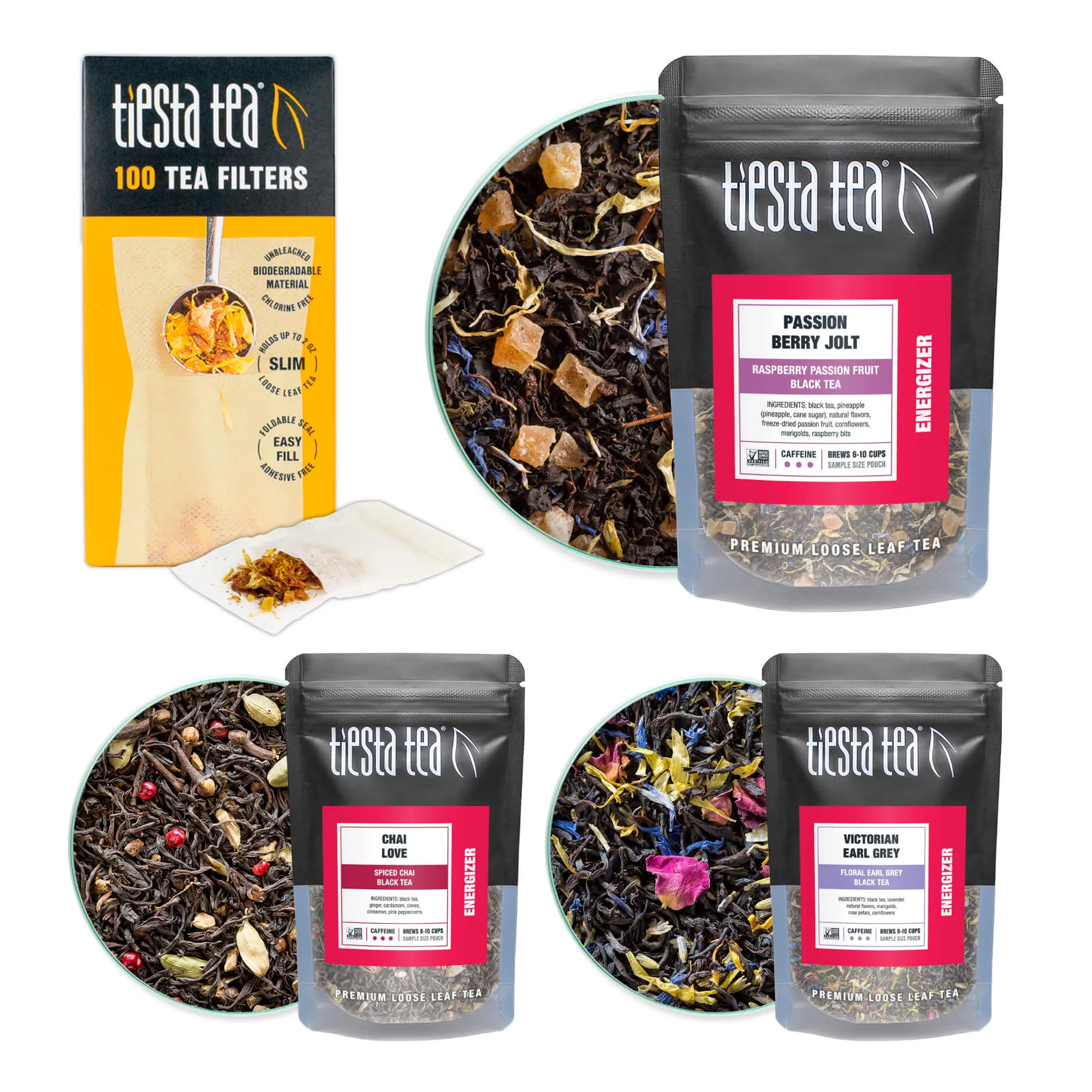
- Passion Berry Jolt: A raspberry passion fruit black tea from the Energizer line, which contains black and maté teas. Black tea bases generally hold up better than green, but the fruit notes still reward drinking within the first several months after opening.
Loose leaf tea does expire, but it fades rather than spoils, so the real question is how fast you will drink it. Store tea airtight, dark, cool, and dry, buy sizes that match your pace, and let your nose make the final call. Do that, and you will rarely pour a disappointing cup.