Quick answer
Yes, green tea does expire, but the date on the package is not the whole story. How long it lasts depends on the type, how it is stored, and how fresh it was when you bought it. For the best cup, treat green tea as a perishable flavor product and use it within a few months of opening.
What the expiration date actually tells you
An expiration date on green tea is a freshness guideline, not a safety deadline. For shelf-stable dry tea, the date usually reflects when the flavor and aroma are expected to peak, not when the tea becomes unsafe. After that date, the tea does not suddenly go bad, but it will taste flatter and less complex.
The real clock starts when the tea is exposed to air, light, heat, and moisture. An unopened, well-sealed pack can stay pleasant for months past its printed date if stored properly. Once opened, the countdown speeds up. That is why loose leaf tea freshness depends more on your storage habits than on the printed number.
How long does green tea last?
There is no single answer because green tea is not one product. A delicate jasmine green tea, a herbal tulsi green tea, and a powdered mango matcha green tea all age at different rates. Matcha, being a powder, exposes more surface area to air and typically loses its bright color and fresh taste faster than whole-leaf teas.
As a practical rule: unopened green tea can stay fresh for 6 to 12 months beyond its packaging date if kept cool and dark. Once opened, aim to finish it within 2 to 3 months for the best flavor. If you buy in bulk, split it into smaller airtight containers so you are not opening the main supply every day.
Stale green tea signs to watch for
Your senses are the best test. Fresh green tea smells sweet, grassy, or floral. Stale green tea smells like hay, cardboard, or old paper. The leaves may look dull instead of vibrant, and the brewed liquor turns brownish rather than clear green or amber.
Taste is the final check. If your usual brewing method now produces a flat, bitter, or metallic cup, the tea is likely past its prime. It is not harmful, but it will not reward you the way a fresh batch does. For matcha, watch for a faded olive color and a loss of that clean, smooth finish.
Green tea storage myths that speed up staleness
Myth: the refrigerator is always best. In reality, moving tea in and out of the fridge causes condensation every time you open the container. That moisture degrades flavor fast. If you do refrigerate, seal the tea in an airtight container and let it come to room temperature before opening.
Myth: any airtight jar works. Clear glass jars on a sunny shelf let light through, which breaks down the compounds that give green tea its fresh taste. Use opaque tins or store clear jars in a dark cupboard. Also skip the bag clip and transfer the tea to a properly sealed container.
Myth: tea never really goes bad. While dry tea does not support mold growth when kept dry, it does absorb odors from its surroundings. Storing green tea next to coffee, spices, or strong herbs will ruin its delicate flavor. Keep it isolated.
How to make your green tea last longer
Buy from suppliers who package in small batches and label harvest dates, not just expiration dates. When you get your tea home, divide it into two portions: a small jar for daily use and a larger container for long-term storage. Keep the larger one sealed and cool, and only refill the small jar when needed.
Use the right water temperature and steeping time for each tea. Over-steeping or using boiling water can make even fresh tea taste bitter, which is often mistaken for staleness. For example, jasmine green tea and tulsi green tea both brew at 90–100°C for 3–4 minutes, while mango matcha green tea needs 80–85°C and just 1 minute of whisking. Following these instructions gets the most out of every leaf.
Myth verdicts: green tea freshness and storage
- Myth: Green tea expires exactly on the printed date: The printed date is a freshness estimate, not a safety cutoff. Properly stored green tea can remain drinkable and pleasant past that date, though flavor will decline over time. Verdict: False. Use the date as a guide, but trust your senses more.
- Myth: You should always keep green tea in the fridge: Frequent temperature changes cause condensation, which introduces moisture and speeds up staleness. Only refrigerate if you can seal the tea airtight and let it warm up before opening. Verdict: Partly false. A cool, dark cupboard is better for daily-use tea.
- Myth: Stale green tea is unsafe to drink: Dry green tea that has been kept dry does not become unsafe just because it is old. It simply loses aroma, color, and taste. If you see mold or smell mustiness, discard it. Verdict: False. Stale tea is a quality issue, not a safety issue.
Freshness at a glance: product examples
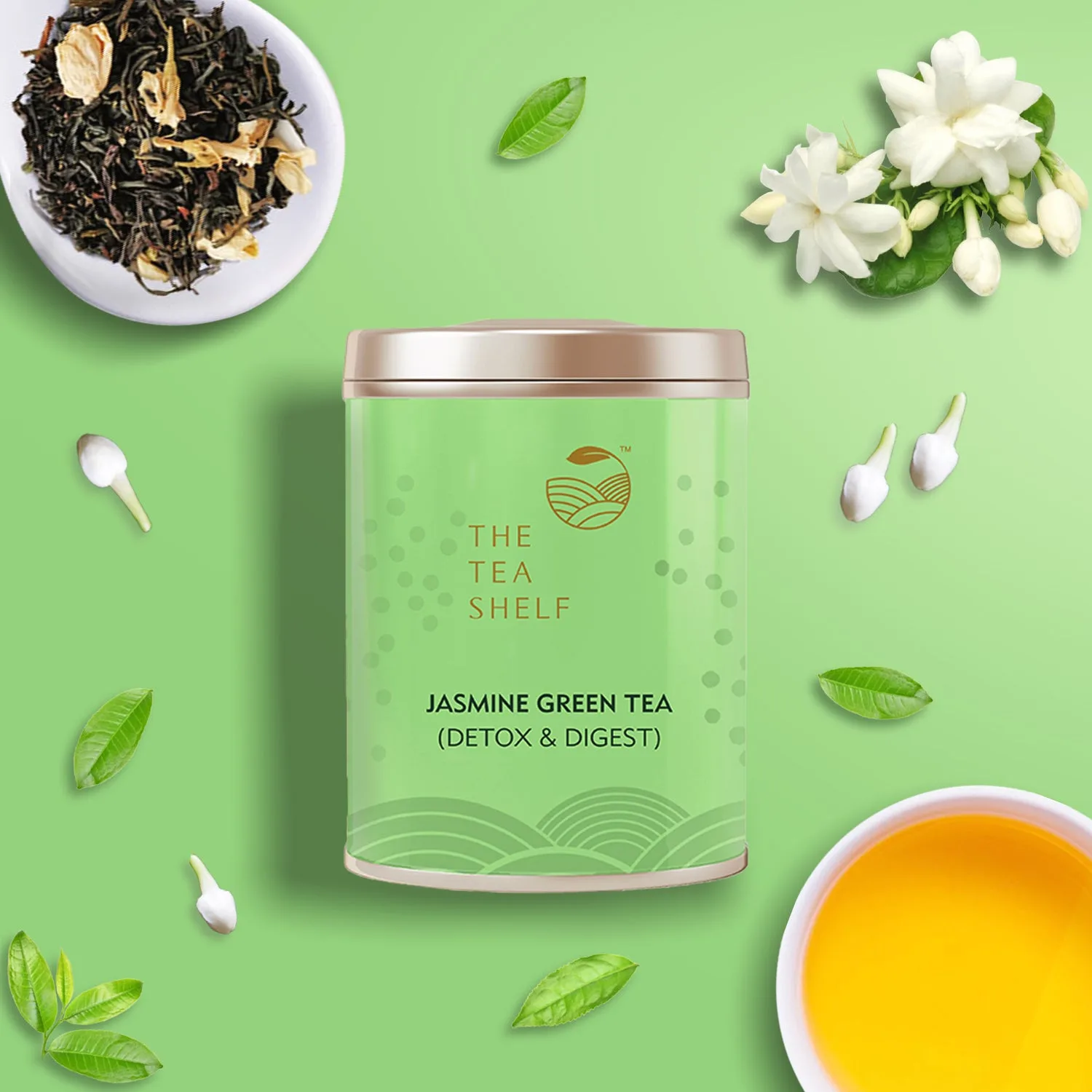
- Jasmine Green Tea: Jasmine Green Tea contains jasmine buds and green tea, with brewing instructions of 1 tsp per cup at 90–100°C for 3–4 minutes. Whole-leaf teas like this hold their flavor well when stored airtight and away from light, so you can enjoy it over several weeks if you seal it properly after each use.
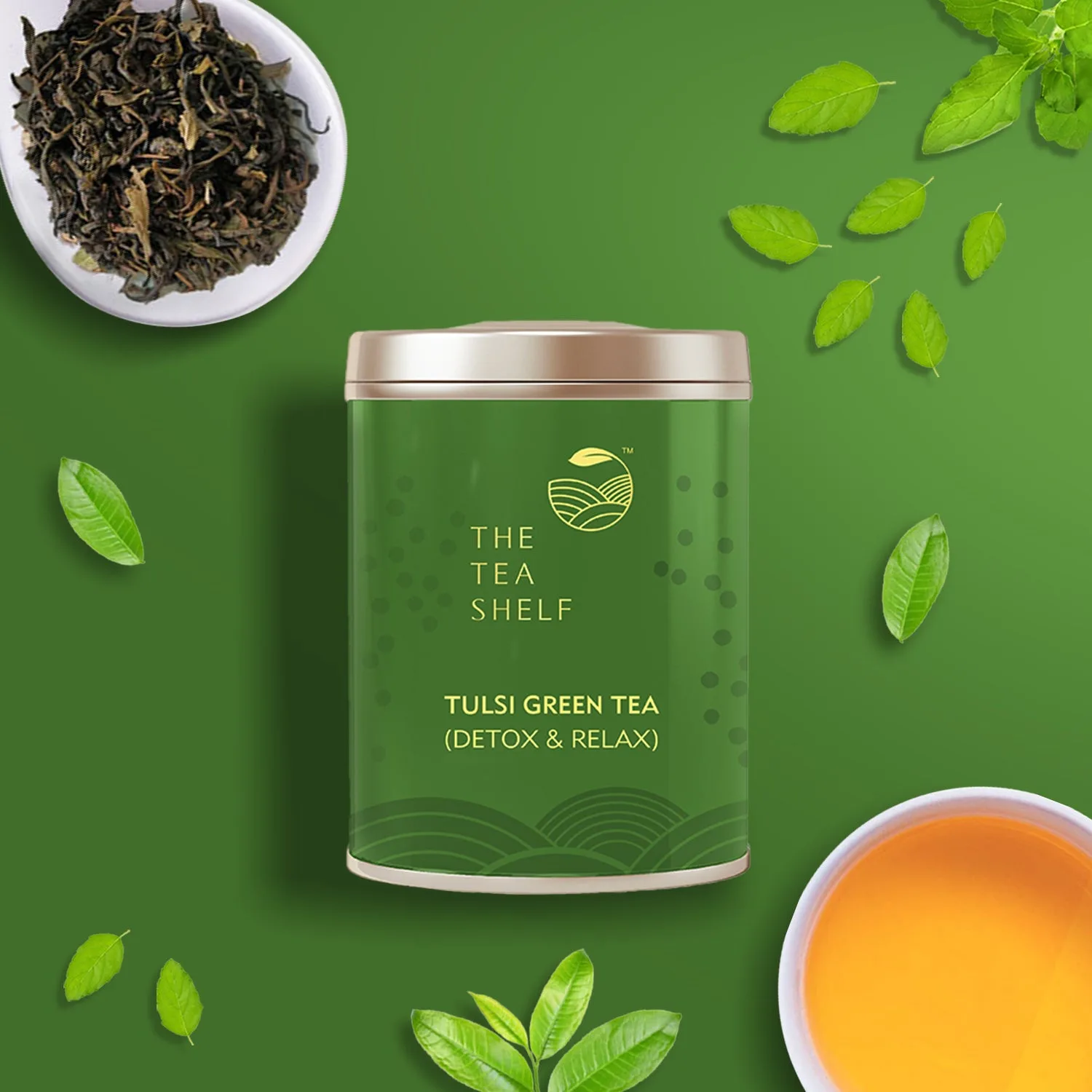
- Tulsi Green Tea: Tulsi Green Tea blends tulsi and green tea, brews at 90–100°C for 3–4 minutes, and has a herbal aftertaste. The herbal notes can mask early staleness, so rely on the dry leaf aroma and color to judge freshness rather than taste alone.
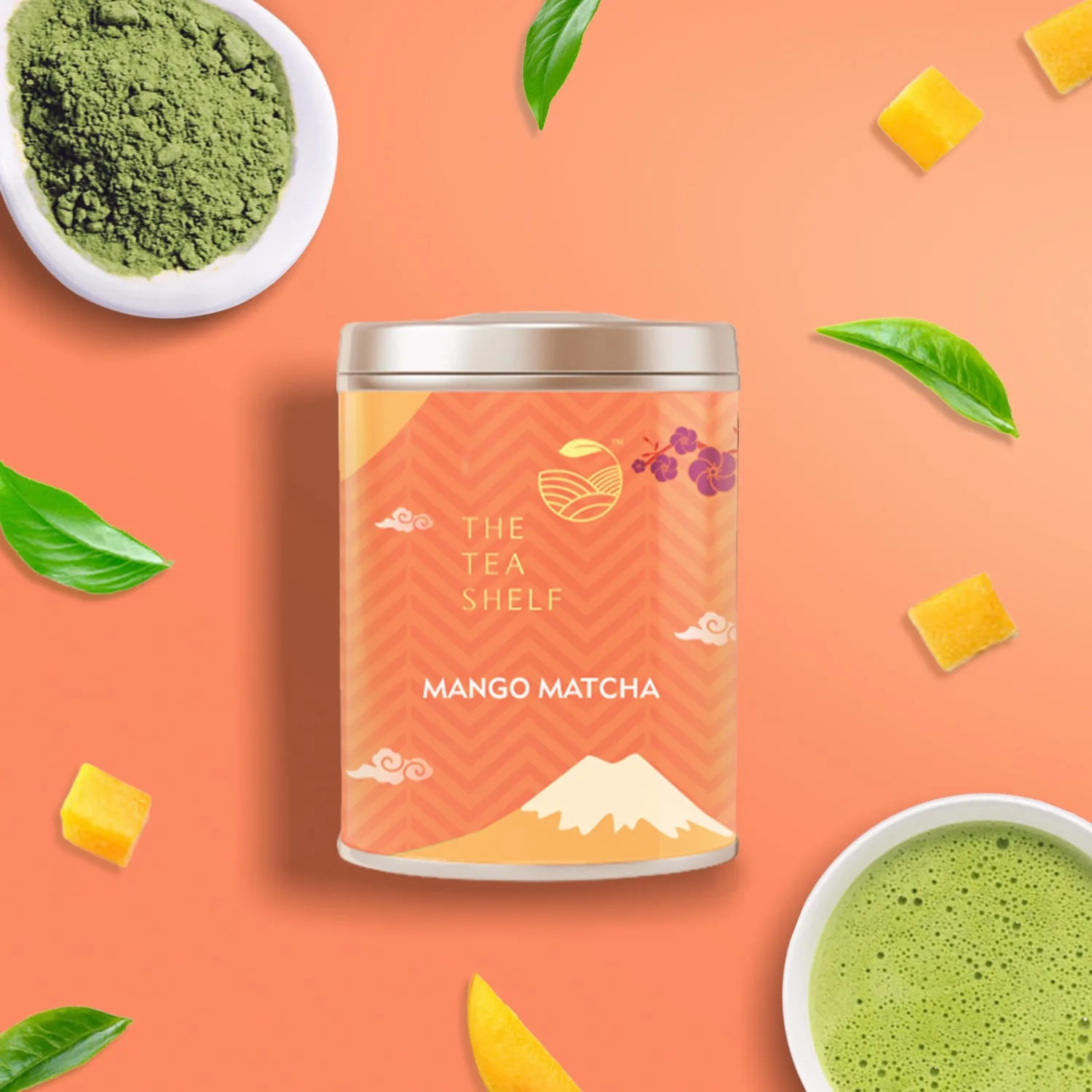
- Mango Matcha Green Tea: Mango Matcha Green Tea is a powdered blend of green tea and mango that should be whisked vigorously at 80–85°C for 1 minute. Powdered teas like matcha lose freshness faster than whole leaf because more surface area is exposed to air; keep it tightly sealed and use it sooner.