Quick answer
Freezing coffee can work if you keep beans in an airtight container and avoid repeated thawing, but it is not a cure for stale coffee. Tea does not spoil like food, yet its flavor fades with air, light, heat, and moisture. Buy fresh, store smart, and treat shelf life as a flavor window, not a safety deadline.
Freshness advice for coffee and tea is full of confident claims that fall apart under scrutiny. You have probably heard that the freezer ruins coffee, that tea lasts forever, or that a certain container is the only correct choice. Most of these rules started as reasonable habits and turned into absolutes.
This article states each common claim, gives a clear verdict, and explains it using only what we can verify from our own catalog and standard storage principles. No invented studies, no lab results. Just practical guidance for keeping coffee and tea tasting the way they should.
Myth: Freezing coffee always ruins it
Verdict: False, with conditions. Freezing can slow the staling process, but only if you control moisture and temperature swings. The real damage comes from opening a bag repeatedly, letting condensation form, and thawing and refreezing the same beans. If you freeze, portion first and keep it sealed.
For a coffee like Colombia Saldaña Highlands, which is roasted to order and ships within 2 business days, you already start with a freshness advantage. Freezing a portion you will not use within a couple of weeks can preserve that head start. Freezing beans you will finish this week adds risk without much reward.
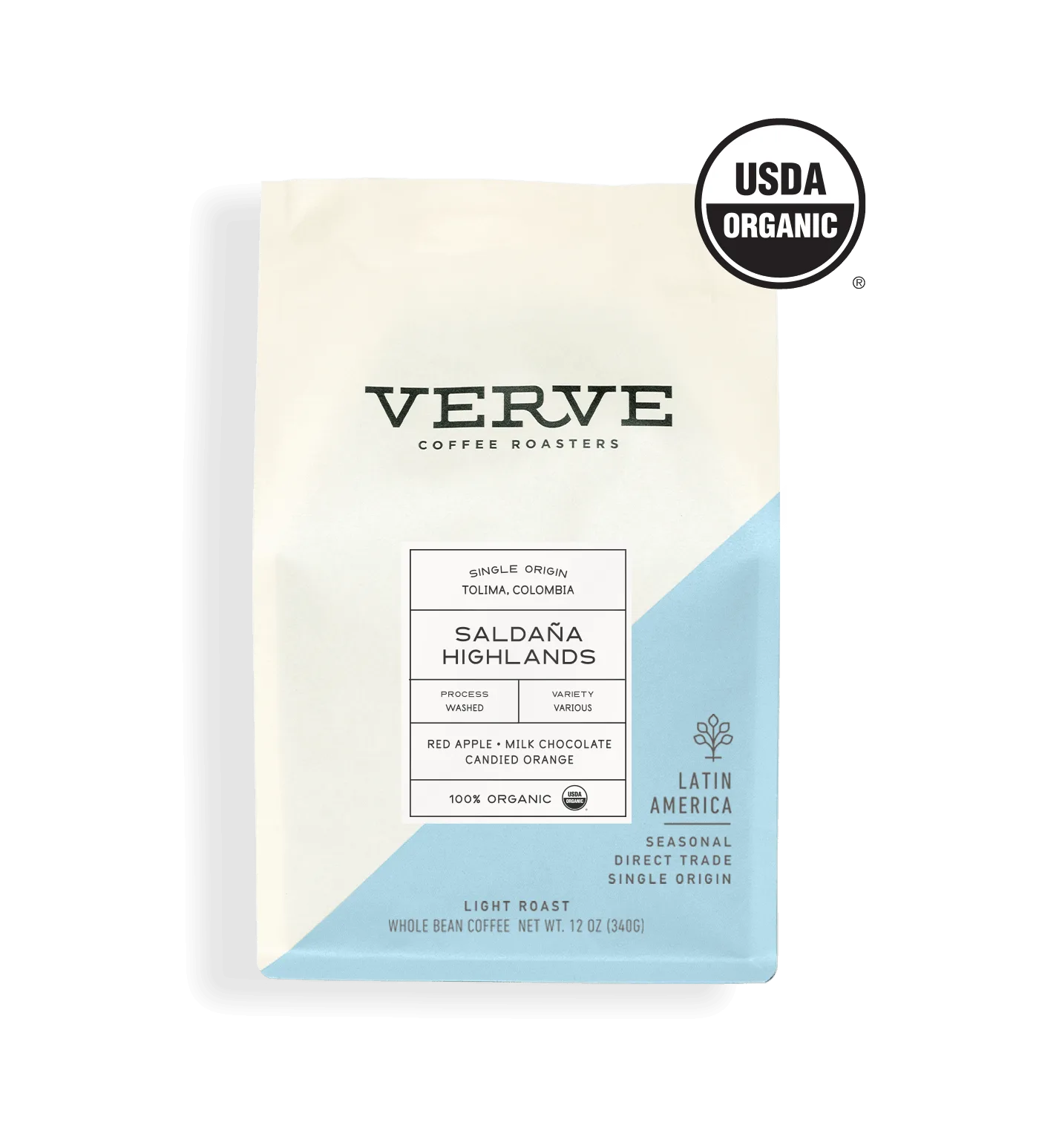
Colombia Saldaña Highlands
- Freeze in airtight portions, not one large bag you reopen.
- Let frozen beans come to room temperature before grinding to reduce condensation.
- Label the freeze date so you rotate older portions first.
Myth: Tea lasts forever if it is dry
Verdict: False. Dry tea does not support mold growth the way fresh food does, but its aromatic oils and flavor compounds degrade over time. Air, light, heat, and moisture all speed that decline. An old tea may be safe to drink and still taste flat, dull, or papery.
Treat tea shelf life as a flavor window. A tightly sealed tin in a cool, dark cabinet protects leaves far better than a decorative open jar on a sunny shelf. If your tea smells like almost nothing, that is your signal, not the calendar.
- Store tea away from the stove, windowsill, and dishwasher heat.
- Use an opaque, airtight container rather than a clear glass jar.
- Buy smaller amounts more often if you drink tea slowly.
Myth: The freezer is the best place for all coffee
Verdict: Mixed. The freezer helps long-term storage more than daily storage. If you open a cold bag every morning, you introduce moist air each time. That is worse than keeping a modest amount at room temperature in a sealed container and freezing the rest.
A practical split works well: keep a week or two of beans in your normal storage spot and freeze the remainder in sealed portions. This keeps daily brewing simple and protects the coffee you will not reach soon. It also reduces the temptation to thaw and refreeze.
- Keep daily beans out of the freezer; freeze the backup.
- Never refreeze beans you have already thawed.
- Grind just before brewing, whether the beans were frozen or not.
Myth: Instant coffee has no freshness concerns
Verdict: Partly false. Instant coffee is shelf-stable, but it still suffers from air and moisture after opening. The difference is that its decline is slower and less dramatic than whole bean coffee. You will notice clumping, loss of aroma, or a flatter taste rather than a sudden drop-off.
Seabright House Blend Craft Instant Coffee 6 Pack is hand-roasted, small-batch brewed, and preserved for adventures. Those individual portions help because you open only what you use. If you transfer a large container of instant coffee, seal it tightly and keep it dry.
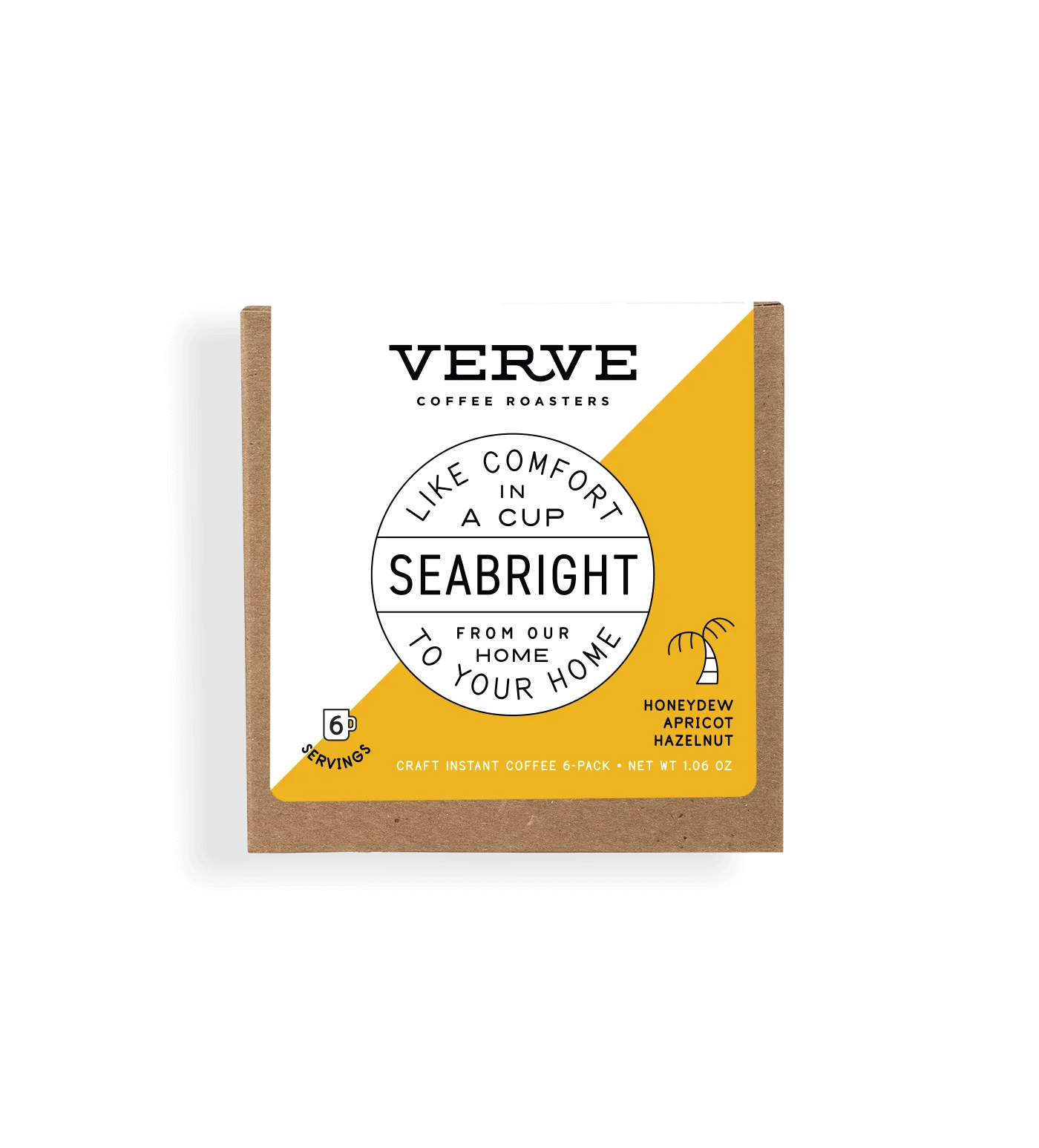
Seabright House Blend Craft Instant Coffee 6 Pack
- Keep instant coffee sealed and away from steam.
- Use the individual packs in a 6 pack to avoid opening a large container.
- Do not store instant coffee in the refrigerator, where moisture is constant.
Myth: You can judge freshness by the roast date alone
Verdict: Incomplete. A roast date tells you when the clock started, not how the coffee was handled afterward. A bag roasted last week and left open on a counter can taste older than a bag roasted a month ago and kept sealed. Storage conditions matter as much as the date.
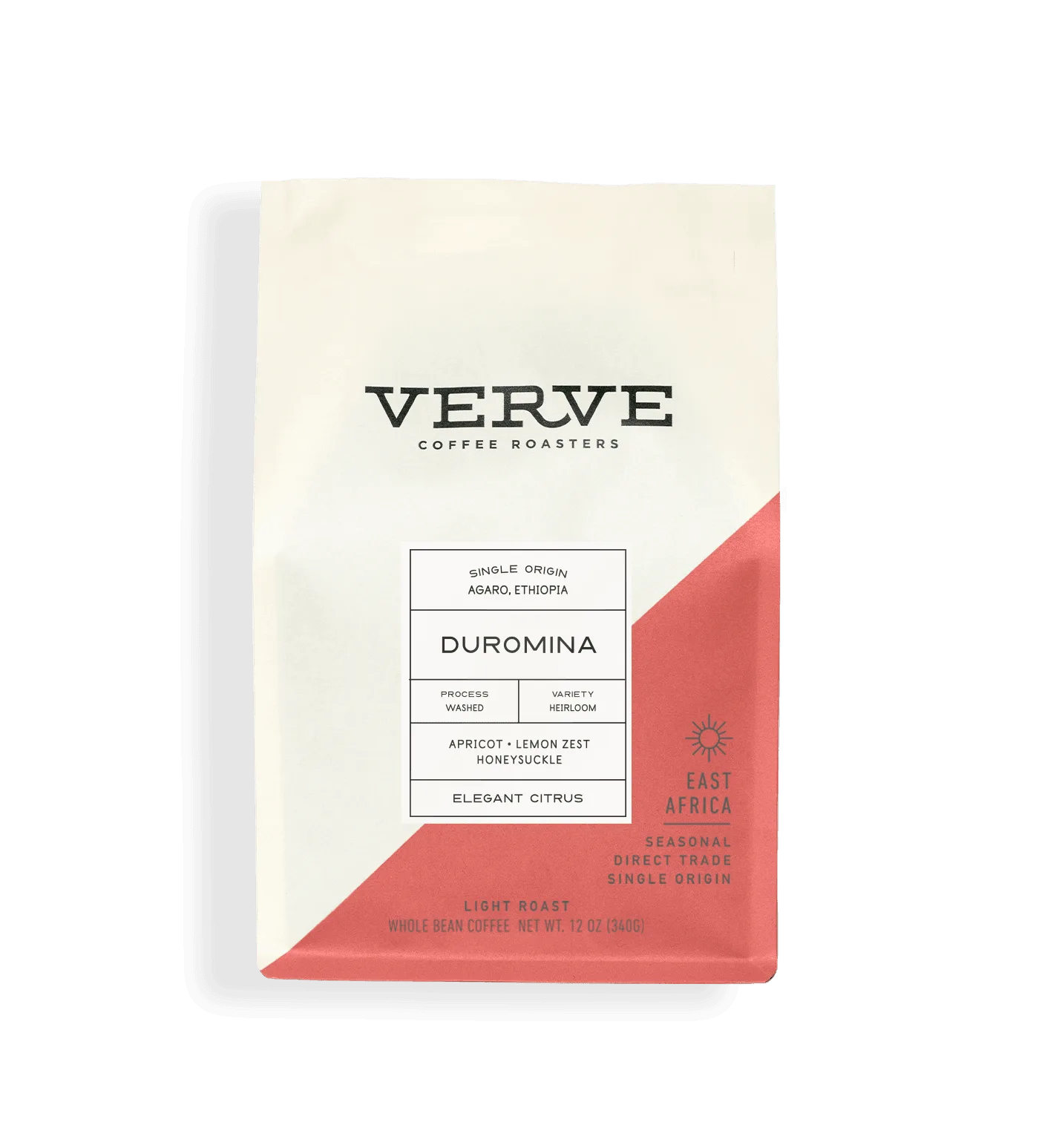
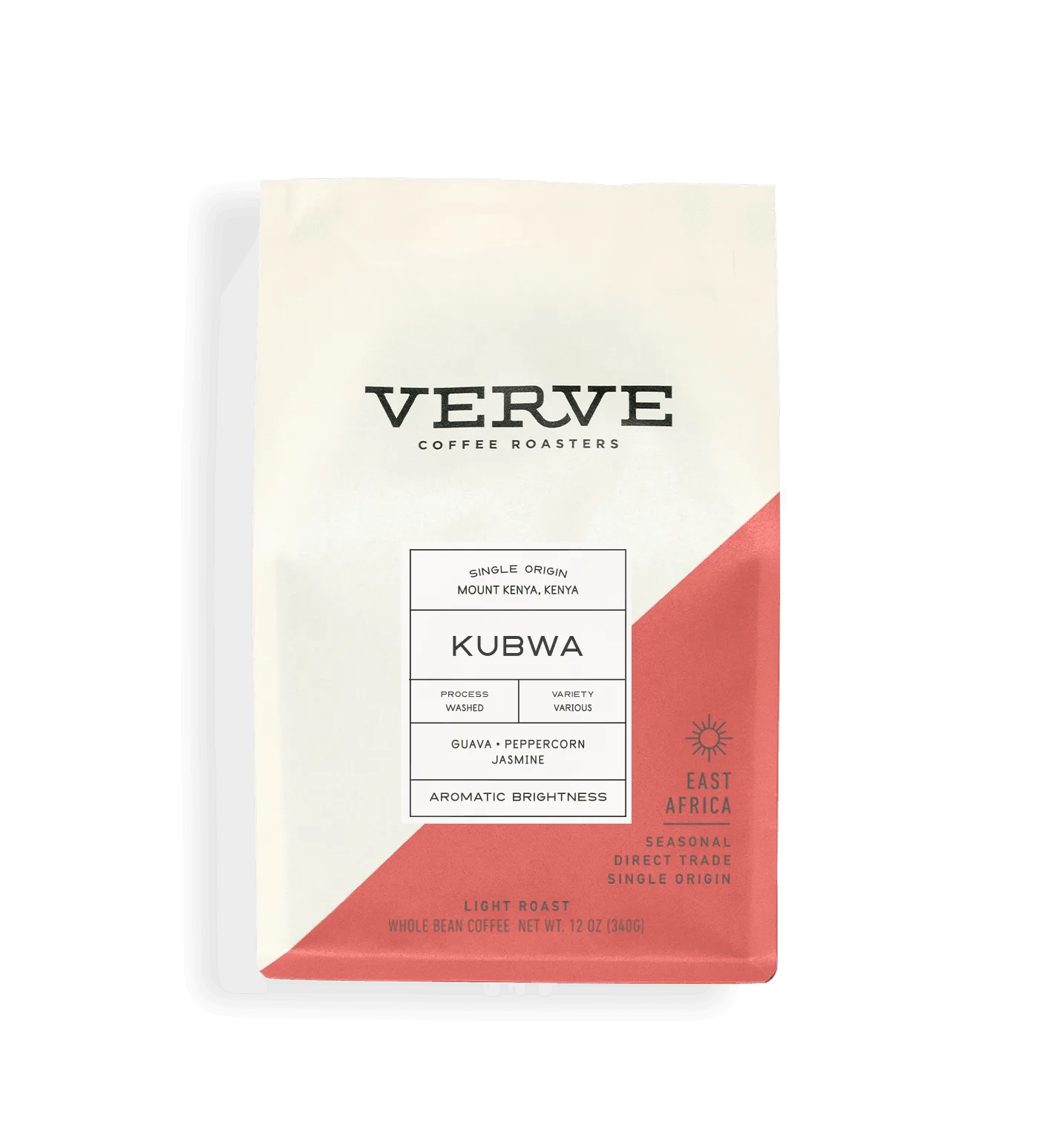
This is why we emphasize roasted to order and shipping within 2 business days for coffees like Ethiopia Duromina and Kenya Kubwa. Those details give you a better starting point. What you do after the bag arrives determines how much of that potential you actually taste.
- Check the roast date, then check how the bag was stored.
- Reseal bags tightly after every use.
- Buy amounts you can finish within a few weeks.
Myth: Airtight is the only thing that matters
Verdict: False. Airtight is important, but it is not the whole picture. Light, heat, and moisture also accelerate decline. A perfectly sealed container on a sunny windowsill will underperform a well-sealed container in a cool, dark cabinet.
For filter brewing, the Kalita Coffee Filters #185 are made of high-grade filter paper and designed to keep the filter slightly suspended above the bottom of the brewer, funneling water contact away from the outer wall. That is a brewing detail, not a storage one, but it shows how small design choices shape the final cup. Storage works the same way: small choices add up.
- Choose an opaque container or store your container in a dark cabinet.
- Keep coffee and tea away from the oven, kettle, and direct sun.
- Pre-soak paper filters to keep them seated, as recommended for Kalita filters.
Quick verdicts on coffee and tea freshness
- Freezing coffee: Works for long-term storage if portions are sealed and thawed once. Fails if you open a cold bag daily or refreeze. Verdict: conditionally true
- Tea shelf life: Tea does not spoil like food, but flavor fades with air, light, heat, and moisture. Old tea is often safe but dull. Verdict: false that tea lasts forever
- Instant coffee storage: Shelf-stable but still declines after opening. Individual packs reduce air exposure and keep portions fresher. Verdict: partly false that freshness is not a concern
- Roast date alone: A useful starting point, not a guarantee. Storage after purchase decides how much of that freshness you taste. Verdict: incomplete indicator
- Airtight containers: Necessary but not sufficient. Light, heat, and moisture also drive decline, so location matters too. Verdict: false that airtight is all that matters
What our catalog tells us about freshness
- Colombia Saldaña Highlands: Each coffee is roasted to order, and orders ship within 2 business days. You receive coffee closer to its roast date, so proper storage at home preserves a real freshness advantage.
- Ethiopia Duromina: Grown between 1,900 and 2,100 meters in Ethiopia's Oromia region, washed processing preserves fruit character and floral aromatics. Delicate aromatics fade first when storage is poor, so sealing this coffee well protects the qualities you paid for.
- Seabright House Blend Craft Instant Coffee 6 Pack: Hand-roasted, small-batch brewed, and preserved for your adventures. Individual portions limit repeated air exposure, which helps instant coffee stay closer to its intended flavor.
- Kalita Coffee Filters #185: Made of high-grade filter paper and designed to keep the filter slightly suspended above the bottom of the brewer. Good brewing equipment supports good extraction, but it cannot rescue stale coffee, so storage still comes first.
Freshness is not a single rule you follow once. It is a series of small decisions: buy from roasters who ship promptly, seal what you store, freeze only what you will not finish soon, and keep tea away from light and heat. Do those things, and your coffee and tea will taste closer to what the producer intended.