If your dog has a respiratory condition, every walk can feel like a delicate balance between giving them exercise and protecting their airways. Conditions like brachycephalic airway syndrome, tracheal collapse, or laryngeal paralysis make breathing harder, and the right gear can make a world of difference. Many pet parents don't realize that something as simple as their dog's collar could be aggravating the problem.
In this guide, we'll explore why a harness is often the best choice for dogs with breathing issues, what to look for in a safe harness, and how to transition your pup to this new walking gear. By the end, you'll have the knowledge to make an informed decision that prioritizes your dog's comfort and health.
Why Collars Can Worsen Respiratory Problems
Traditional collars sit directly around your dog's neck, putting pressure on the trachea, larynx, and cervical spine. For a healthy dog, this might not cause immediate issues, but for a dog with respiratory problems, it can be dangerous. Every time your dog pulls on the leash, the collar tightens, restricting airflow and potentially triggering coughing fits or even panic.
For brachycephalic breeds like Pugs, Bulldogs, and French Bulldogs, the anatomy already narrows the airway. Adding external pressure from a collar can exacerbate breathing difficulties, leading to distress and overheating. Similarly, dogs with a collapsing trachea need to avoid any pressure on their windpipe, as it can cause severe coughing and breathing emergencies.
- Collars can put pressure on the trachea, worsening conditions like tracheal collapse.
- Pulling on a collar can cause reflex coughing and increased respiratory distress.
- Even loose collars can rub against the throat, causing irritation and inflammation.
How a Harness Helps Dogs Breathe Easier
A harness distributes pressure across the chest and back, completely avoiding the neck. This design allows your dog to breathe naturally without any constriction. For dogs with respiratory issues, this is a game-changer. They can enjoy walks and exercise without the added stress on their airways.
Moreover, harnesses give you better control over your dog's movements without yanking on their neck. You can gently guide them, which is especially important if your dog is prone to pulling. With a harness, you can redirect their attention and prevent sudden lunges that might cause them to choke.
- Harnesses eliminate pressure on the trachea and throat.
- They provide better control and reduce the risk of injury.
- Many harnesses are designed with breathable materials to keep your dog cool.
Choosing the Right Harness for Your Dog
When selecting a harness for a dog with respiratory issues, look for a design that fits well and doesn't restrict movement. A step-in harness or a front-clip harness can be excellent options. The front-clip style helps discourage pulling by redirecting your dog's forward motion, which is beneficial for dogs that tend to strain against the leash.
Consider the material and padding. A soft, padded harness is more comfortable and less likely to rub or irritate. Adjustable straps ensure a snug but not tight fit. You should be able to fit two fingers between the harness and your dog's body. Also, ensure the harness doesn't sit too high on the neck; it should rest on the chest and back, not the throat.
- Front-clip harnesses are ideal for dogs that pull.
- Look for padded, breathable materials to enhance comfort.
- Always measure your dog and check the sizing guide before purchasing.
Top Harness Picks for Dogs with Breathing Issues
While we don't specifically sell harnesses, we do offer a range of walking gear that can complement a harness setup. For instance, the Distressed Leather Leash is a durable and stylish option that pairs well with any harness, providing a comfortable grip for you. Its sturdy construction ensures you have reliable control during walks.
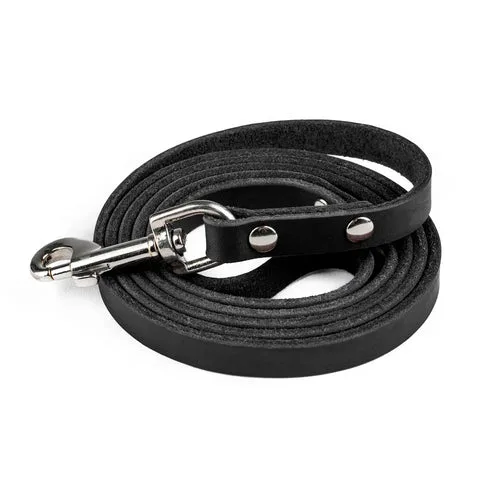
Distressed Leather Leash
If your dog needs extra safety during car rides, the Dog Car Safety Belt is a fantastic accessory. It attaches to a harness (not a collar) to keep your dog secure in the car, preventing them from moving around and potentially injuring themselves. This is especially important for dogs with respiratory issues, as sudden stops could cause them to choke if they're only wearing a collar.
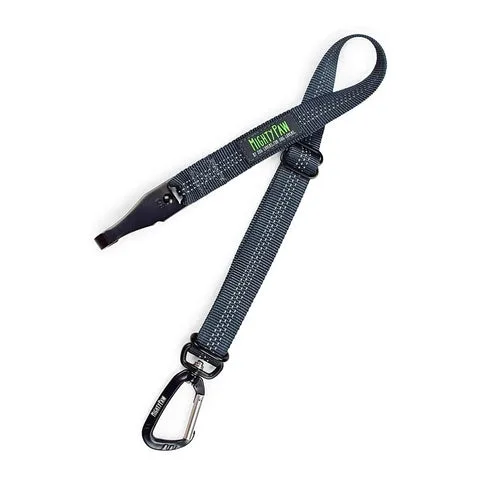
Dog Car Safety Belt
- Pair a harness with a quality leash like the Distressed Leather Leash for comfort and control.
- Use a Dog Car Safety Belt with a harness to ensure secure travel.
Transitioning Your Dog to a Harness
Some dogs may resist wearing a harness at first, especially if they're used to a collar. To make the transition smoother, introduce the harness gradually. Let your dog sniff it, then put it on for short periods indoors, rewarding them with treats. Gradually increase the wearing time and associate it with positive experiences like walks and playtime.
Ensure the harness is properly adjusted each time you put it on. A poorly fitted harness can cause chafing or slipping, which could lead to your dog escaping or becoming uncomfortable. Check the fit regularly, especially if your dog is still growing or changes weight.
- Start with short, positive sessions to help your dog get used to the harness.
- Use treats and praise to create a positive association.
- Recheck the fit periodically to ensure comfort and safety.
Switching to a harness is one of the most effective ways to protect your dog's respiratory health during walks and daily activities. By removing pressure from the neck, you allow your dog to breathe more freely and comfortably. Remember to choose a well-fitted, breathable harness and pair it with reliable accessories like the Distressed Leather Leash for a safe and enjoyable walking experience. Your dog will thank you for it!