Quick Answer
Yes, using anti-aging serums with your LED mask can boost results, but only if you choose the right ingredients and apply them in the correct order. For most people, a serum with hyaluronic acid or peptides applied after LED therapy works best, while retinol and vitamin C are better used at different times to avoid irritation.
LED light therapy is a powerful tool for stimulating collagen, reducing fine lines, and improving skin tone. But the results you see depend on more than just the device itself—what you put on your skin before and after each session matters just as much. Pairing the right anti-aging serum with your LED mask can enhance the effects, helping your skin absorb active ingredients more effectively and recover faster.
This guide breaks down which serum ingredients work well with LED therapy, how to layer them for maximum benefit, and what to avoid. You'll also get practical decision rules so you can choose the right serum for your skin type and goals, without wasting money on products that won't deliver.
Why Serums and LED Masks Work Well Together
LED light therapy works by delivering specific wavelengths of light into the skin, where they stimulate cellular activity—like collagen production and inflammation reduction. When your skin is in this active state, it becomes more receptive to topical ingredients. That's why applying the right serum around your LED session can amplify the benefits.
Think of it this way: the LED mask prepares the skin, and the serum feeds it. For anti-aging, you want ingredients that support collagen, hydrate deeply, and protect against environmental stress. The key is to choose serums that complement the light wavelengths, not interfere with them.
- Use a serum with hyaluronic acid after LED to lock in hydration and plump fine lines.
- Peptide-based serums support collagen production, which pairs well with red and infrared light.
- Avoid retinol and strong vitamin C right before LED—they can increase sensitivity.
Best Serum Ingredients for LED Mask Use
Hyaluronic acid is a standout choice because it hydrates without clogging pores, and it doesn't interfere with light penetration. It's especially beneficial after red light therapy, which can temporarily increase skin's water loss. Peptides are another excellent option—they signal the skin to produce more collagen, complementing the collagen-boosting effects of red and infrared light.
Antioxidants like green tea extract or niacinamide can help calm redness and support the skin barrier, making them a good choice for sensitive skin. However, avoid potent vitamin C (L-ascorbic acid) in high concentrations directly before LED, as it can cause stinging or irritation when combined with heat from the device. If you love vitamin C, use it in the morning and reserve LED for the evening.
- Look for serums labeled 'non-comedogenic' to avoid breakouts, especially if you're treating acne with blue light.
- If you use retinol, apply it at night on non-LED days or at least 24 hours before your session.
How to Layer Serums with Your LED Mask
The order matters. For most routines, cleanse your face, apply your serum, and then use the LED mask. This allows the light to penetrate the serum and push it deeper into the skin. After the session, you can apply a moisturizer to seal everything in. If your serum is very thick or oily, apply it after LED to avoid blocking light penetration.
A good rule of thumb: water-based serums (like hyaluronic acid) go before LED, while oil-based or heavy creams go after. If you're using a device like the LightAura LED Face Mask, which has 450 LEDs for full coverage, you want your skin to be clean and free of heavy products so the light reaches your skin evenly.
- Start with a clean face—makeup and sunscreen can block light.
- Apply a thin layer of serum; too much can create a barrier.
- After LED, follow with moisturizer or a peptide cream to lock in benefits.
What to Avoid When Using Serums with LED
Some ingredients don't play well with LED therapy. Retinol and high-strength vitamin C can cause irritation when combined with the heat and light of the device. Exfoliating acids (like glycolic or salicylic acid) should also be used with caution, as they can make your skin more sensitive to light. If you use these, apply them at a different time of day or on days when you skip LED.
Also, avoid serums with added fragrance or essential oils, as these can irritate skin that's already stimulated by light therapy. Stick to simple, science-backed formulas that focus on hydration and collagen support.
- Check your serum's ingredient list for retinol, benzoyl peroxide, or high-strength vitamin C.
- If you're unsure, patch test a small area before applying to your whole face.
Your Decision Rules for Pairing Serums with LED
- Skin Type: If you have dry or mature skin, choose a serum with hyaluronic acid or peptides. If you have oily or acne-prone skin, look for a lightweight, non-comedogenic gel serum and pair it with blue light for breakouts. Match your serum to your skin's primary concern.
- LED Wavelength: Red and infrared light for anti-aging? Use peptides and antioxidants. Blue light for acne? Stick with oil-free, non-comedogenic serums to avoid clogging pores. Choose serums that complement the light color you use most.
- Layering Order: Apply water-based serums before LED, and oil-based or heavy creams after. If you're using a retinol or strong vitamin C, skip LED on those days to avoid irritation. Water-based before, oil-based after—and avoid retinol on LED days.
Products to Consider
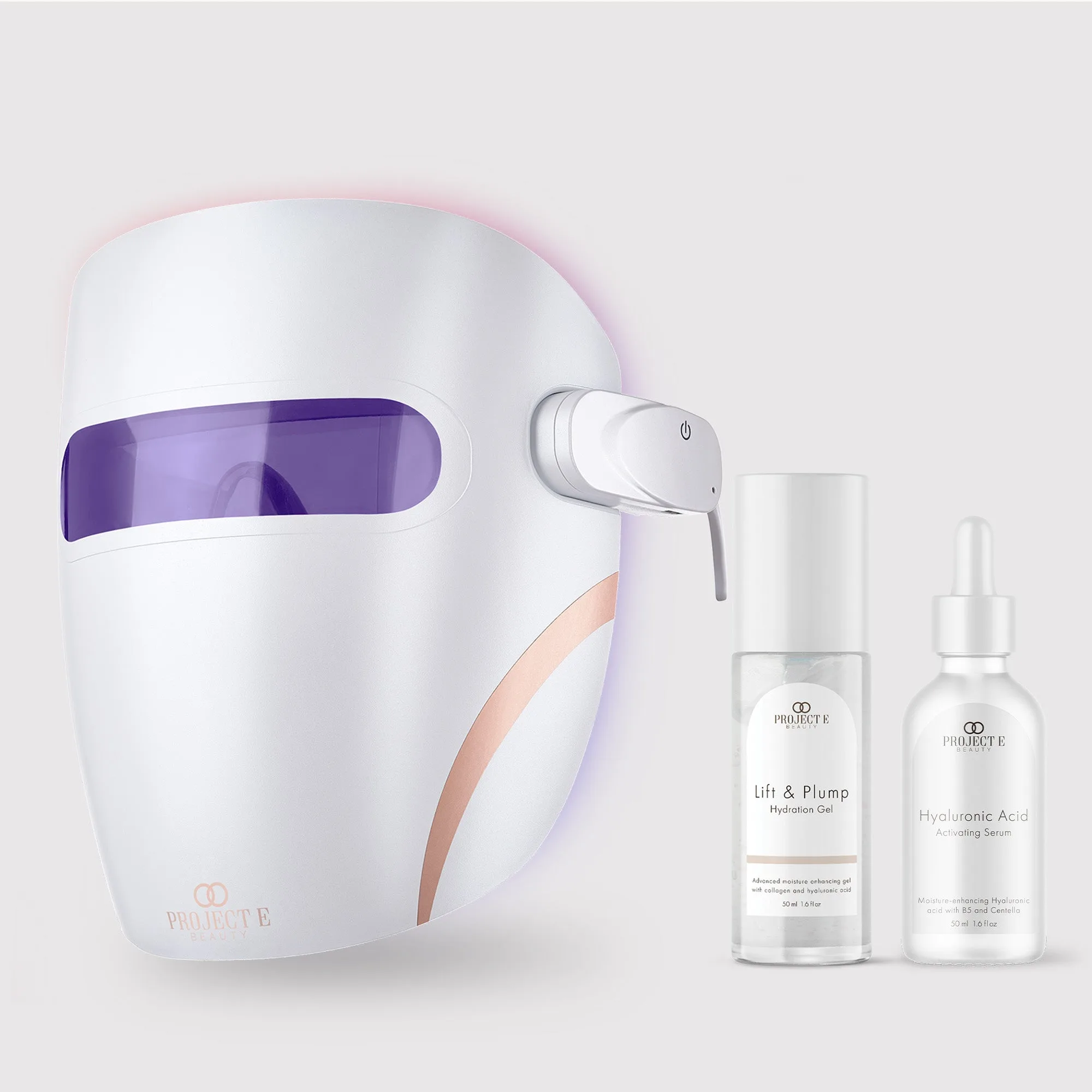
- Foundation of Youth Enhancing Set: This comprehensive skincare bundle combines cutting-edge LED light therapy wavelengths with powerful serums for a radiant, youthful, and blemish-free complexion. Harness the power of 3 clinically proven wavelengths, infrared and red light therapy for powerful anti-aging and red and blue light for blemishes. If you're new to LED and want a complete system, this set pairs the device with serums designed to work together, saving you the guesswork of choosing separate products.
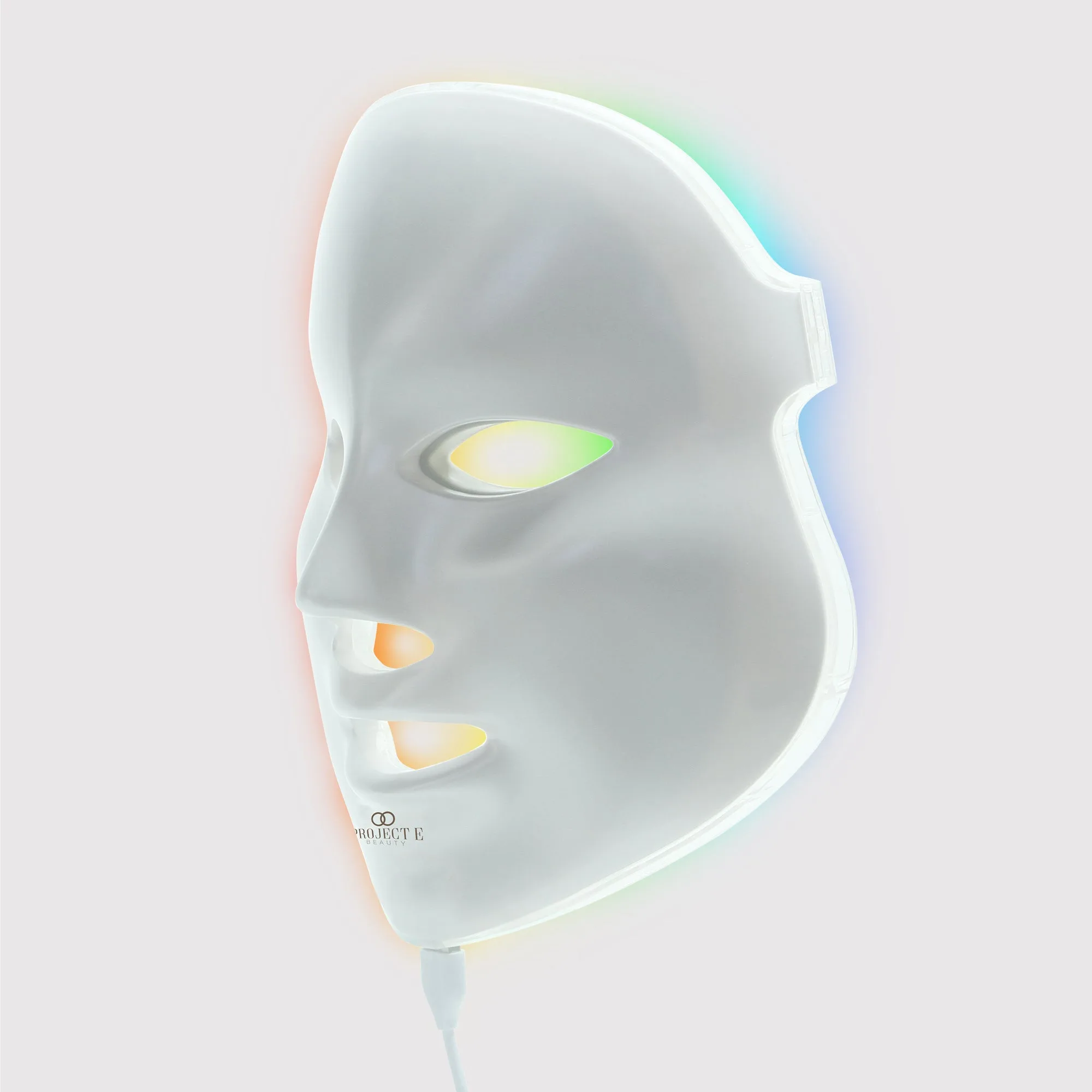
- LightAura | LED Face Mask: Powerful skin rejuvenation with 7-color LED light therapy. Boost collagen, smooth fine lines, treat acne, balance skin tone. 450 powerful LEDs for full and even coverage. 7 clinically-backed wavelength modes. Auto shut down for ultimate safety and control. Maximize performance of follow-up skincare. This mask's full-coverage design ensures your serum is absorbed evenly, and its multiple wavelengths let you target both anti-aging and acne concerns, making it a versatile partner for any serum routine.
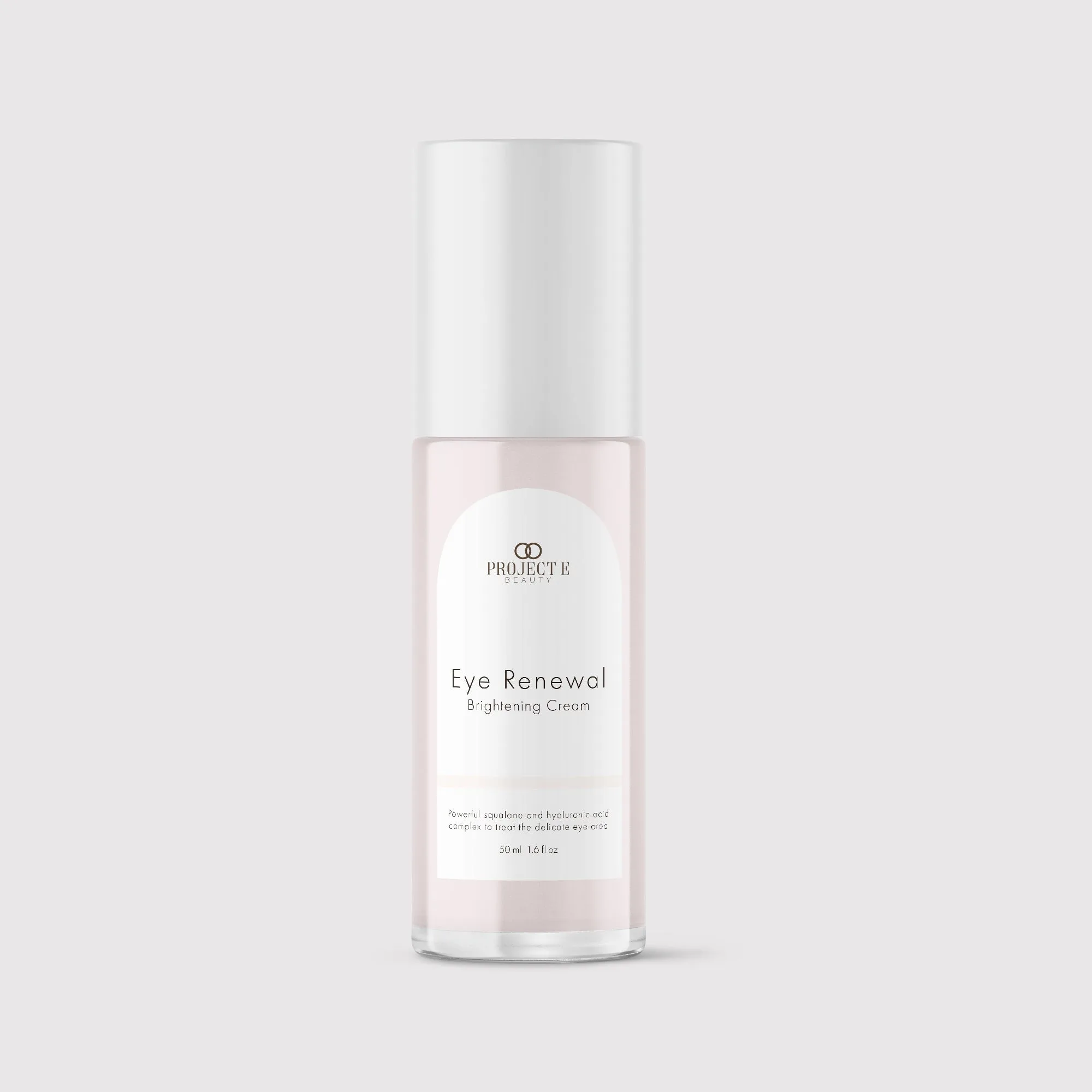
- Project E Beauty Eye Renewal Brightening Cream: Instantly brighten and balance the eye area with moisturizing squalane and hyaluronic acid. Designed to enhance beauty tech results around the more delicate eye area. Treat eye bags, fine lines, and puffiness. Non-comedogenic formulation. The eye area is delicate and often needs a lighter, targeted product. This cream's hyaluronic acid and non-comedogenic formula make it a safe choice to pair with LED around the eyes, without clogging pores.
Who Should Use This Approach
Best for
- People who already own an LED mask and want to boost anti-aging results without buying a new device.
- Those with dry or aging skin who can benefit from hydrating serums like hyaluronic acid.
Not for
- Anyone with very sensitive skin that reacts to active ingredients—stick to a simple moisturizer and consult a dermatologist.
- Those who prefer a minimal routine and don't want to add extra steps or products.
Pairing the right anti-aging serum with your LED mask can make a real difference in your results, but it's not about using everything at once. Focus on hydrating, collagen-supporting ingredients like hyaluronic acid and peptides, apply them in the right order, and avoid irritating actives on LED days. With these rules, you'll get more from both your serum and your device.