Quick Answer
Playing board games together is a powerful way to strengthen family relationships. They create shared experiences, encourage communication, and build trust. For meaningful bonding, choose games that match your family's ages and interests, and make game night a regular, screen-free tradition.
Family life is busy. Between work, school, and digital distractions, finding quality time together can feel like a challenge. Board games offer a simple, effective solution: they pull everyone into the same room, focused on a shared activity that naturally sparks conversation and laughter.
Research and experience both show that regular family game nights can improve communication, teach emotional regulation, and create lasting memories. In this article, we answer common questions about how board games benefit family relationships and offer practical tips for making the most of your time together.
How Do Board Games Strengthen Family Relationships?
Board games create a unique environment where family members interact face-to-face without screens. This direct interaction fosters open communication, as players discuss strategies, negotiate rules, and share reactions. Such exchanges build trust and understanding, which are foundations of strong relationships.
Games also provide a safe space to experience both winning and losing. Learning to handle victory graciously and defeat with resilience teaches emotional regulation. When parents model good sportsmanship, children learn valuable social skills that extend beyond the game table.
What Are the Key Social Skills Developed Through Board Games?
Board games naturally require turn-taking, patience, and cooperation. These mechanics reinforce social norms like waiting for your turn and respecting others' play. Games that involve teamwork, such as cooperative games, emphasize shared goals and collective problem-solving.
Many games also encourage verbal communication, whether explaining a move or negotiating a trade. For younger children, games with simple rules and colorful themes help develop vocabulary and storytelling skills. Older children and adults can practice strategic thinking and compromise.
How Often Should We Play to See Benefits?
Consistency matters more than frequency. A weekly family game night is a realistic goal for most households. Even 30 minutes of play can significantly improve family dynamics when it becomes a regular ritual.
The key is to make it enjoyable, not forced. Let family members take turns choosing the game, and keep the atmosphere light. Over time, this shared activity becomes a cherished tradition that everyone looks forward to.
What Types of Games Are Best for Different Ages?
For toddlers and preschoolers, simple matching games and spinner games are ideal. They are short, easy to understand, and help develop basic skills like recognition and fine motor control. Games like the Dragons Shiny Matching Game or Build a Robot Shaped Spinner Game are excellent choices.
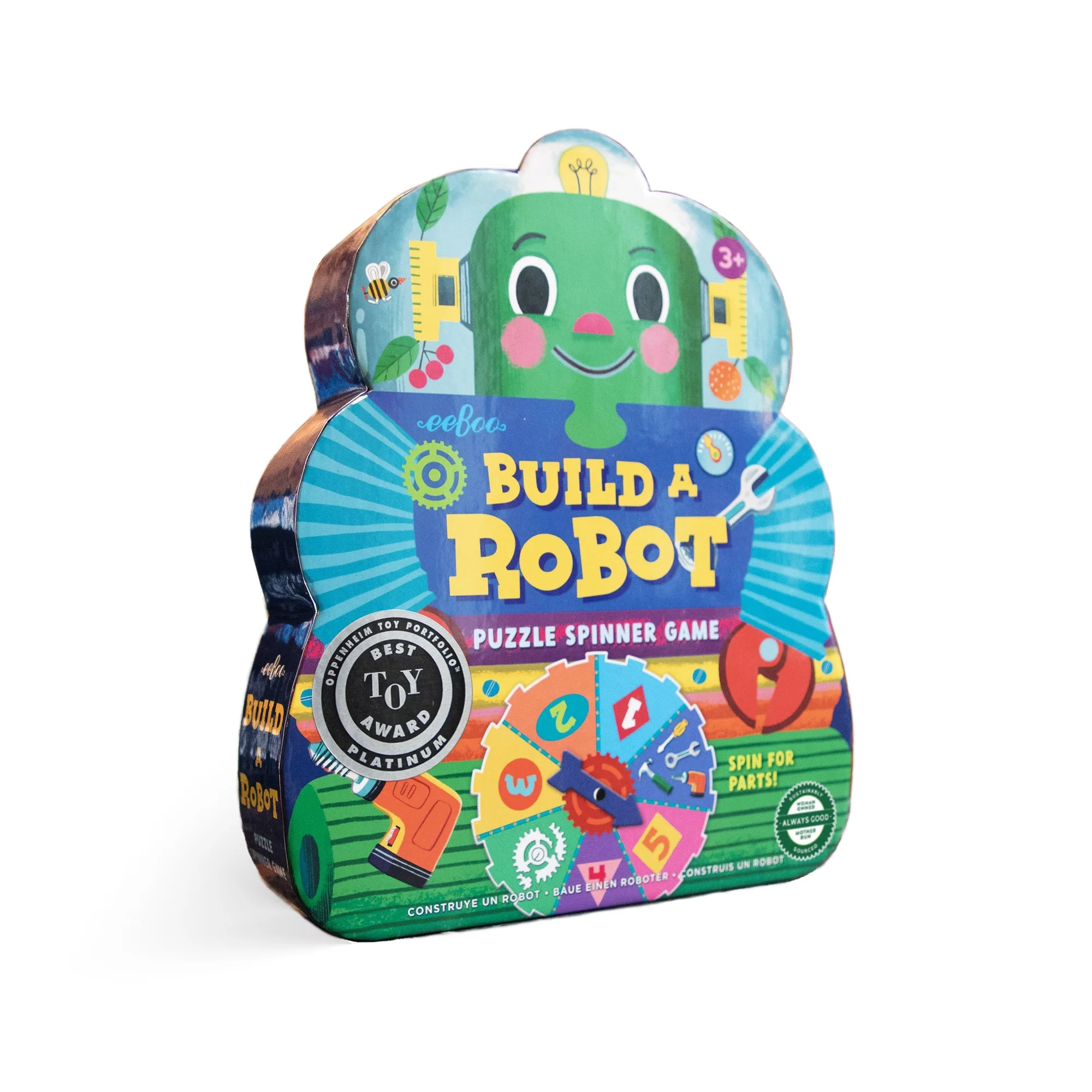
Build a Robot Shaped Spinner Game
For early elementary kids, consider games that introduce numbers and strategy. The Crazy Eight Playing Cards game is a fun way to practice matching and counting. For older children and teens, more complex board games that involve strategy and cooperation can provide a deeper challenge and foster critical thinking.
Frequently Asked Questions
What if my kids are at very different skill levels?
Choose games that allow for collaboration or have adjustable difficulty. For example, in matching games, older children can turn over more tiles or play with a handicap. Alternatively, pair an older child with a younger one as a team. Focus on the fun of playing together, not who wins.
How do I keep game night from becoming competitive and stressful?
Emphasize participation and effort over winning. Celebrate good moves and sportsmanship. If a game becomes too heated, take a break or switch to a cooperative game where everyone works toward a common goal. The goal is connection, not competition.
What if we don't have much time?
Opt for games with shorter playtimes. Many eeBoo games, like the Woodland Holiday Little Square Memory Game, can be completed in 10-15 minutes. Even a quick game before dinner can create a positive shared moment. Short and sweet beats long and rare.
eeBoo Games That Bring Families Together
- Build a Robot Shaped Spinner Game: Spin for numbered pieces to build a robot. For 2 to 4 players, approximate play time 15-30 minutes, ages 3 and up. Winner of the Oppenheim Platinum Award. This game encourages imaginative play and patience, making it perfect for young children. Its cooperative and creative nature helps siblings learn to share and work together.
- Dragons Shiny Matching Game: Sharpen memory and matching skills with this classic game. Features 24 dragon tiles with colored foil, suitable for ages 3+. Can be played alone or with others. Matching games are excellent for developing concentration and memory. Playing together allows family members to help younger children, fostering a supportive environment.
- Crazy Eight Playing Cards: Beautifully illustrated playing cards by Caldecott winner Chris Raschka. Suitable for ages 5+, card size 3.25" x 4.5". Playing cards are versatile and portable. Crazy Eights is a simple, fast-paced game that can be played by a wide range of ages, making it a great icebreaker for mixed-age family gatherings.
Board games are more than just entertainment; they are a tool for building stronger family bonds. By dedicating regular time to play together, you create a space for laughter, learning, and connection. Whether it's a fast card game or a longer strategy game, the benefits of playing board games for family relationships are undeniable. So pick a game, gather around the table, and start creating memories that last a lifetime.