Quick answer
Pack a bento box by choosing a leakproof container with dividers, filling each compartment with a mix of protein, produce, and a small treat, and keeping wet and dry foods separate. The goal is a lunch that stays fresh until noon and is easy for your child to open and eat independently.
Why bento boxes work for school lunches
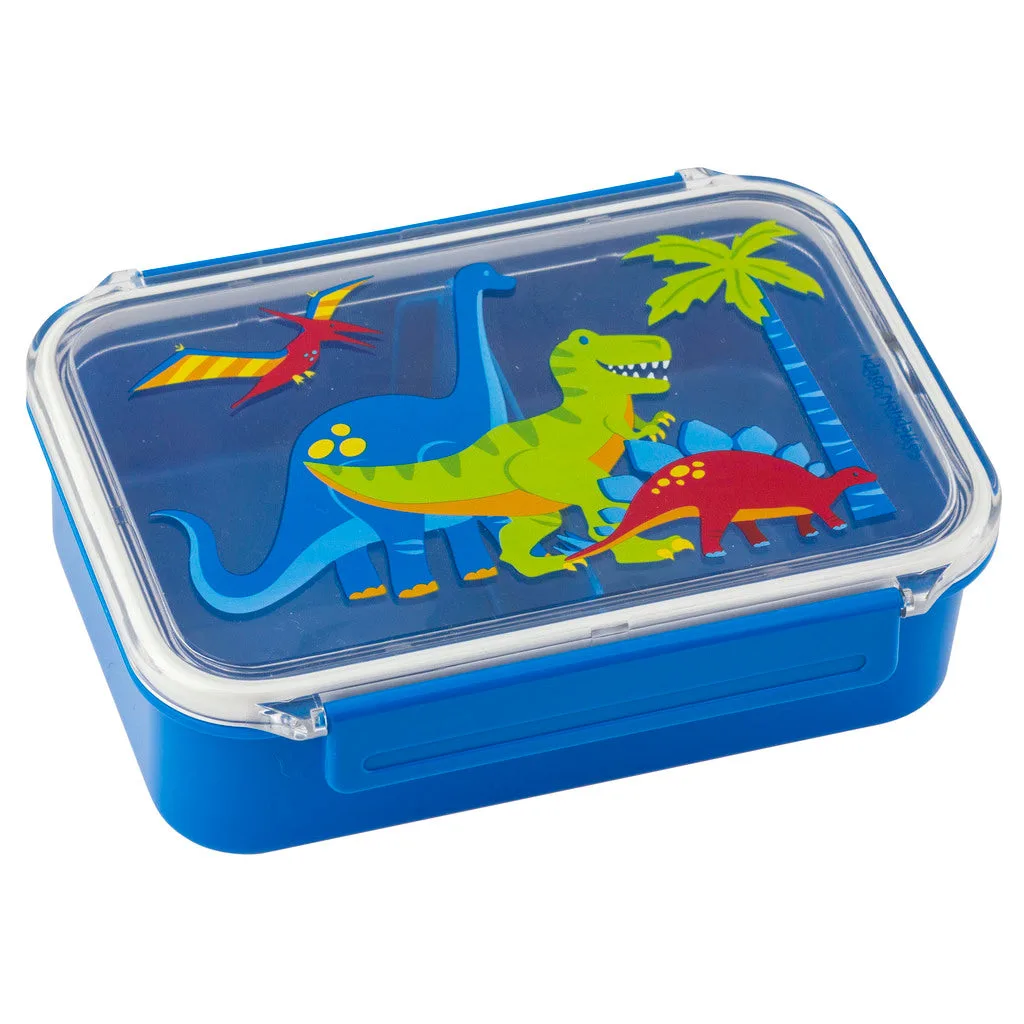
bento boxes
A bento box lets you pack several small portions in one container, so kids see variety without a lot of packaging. That means less waste and fewer items to lose. It also makes it easier to include a fruit, a vegetable, a protein, and a snack in amounts that match a child's appetite. The key is choosing a box that seals well and has compartments that keep foods from mixing before lunch.
How to plan portions without weighing food
You do not need a scale. Use the compartments as a guide: fill the largest section with a main item like a sandwich half, pasta, or rice; use two smaller sections for fruit and vegetables; and use the smallest section for a dip, cheese, or a treat. For younger kids, cut everything into bite-size pieces. For older kids, keep items slightly larger so they feel like a real meal. If your child comes home with full compartments, reduce the main item first and keep the fruit and vegetable portions the same.
Food safety that actually matters
Bacteria grow fastest between 40°F and 140°F, so a lunch that sits in a warm backpack for hours needs help. Use an insulated bag with a small ice pack for anything containing meat, dairy, or eggs. If you pack hot food, preheat the container with boiling water, empty it, add the hot food, and seal it. Do not pack hot and cold foods in the same compartment. Airtight seals also prevent yogurt or applesauce from leaking into crackers, which is a common reason kids refuse to eat the lunch.
Easy bento box lunch ideas for kids
Build lunches from a short list of reliable components so mornings stay fast. Try a bagel half with cream cheese, cucumber slices, and grapes. Or roll turkey and cheese in a tortilla, slice it into pinwheels, and add cherry tomatoes and a small cookie. For a no-sandwich option, pack pasta salad, cheese cubes, and snap peas. Leftover chicken or rice works too. The pattern matters more than the recipe: one main, one or two produce items, and one small extra.
Packing steps
- 1. Start with a clean, dry bento box: Wash and dry the box and its dividers the night before. Moisture left in the compartments can make crackers soggy or cause seal issues. Checkpoint: run your finger along the gasket to make sure it is seated and free of crumbs.
- 2. Pack the main compartment first: Add the largest item, such as a sandwich, pasta, or rice. Leave a small gap at the top so the lid does not press the food into other compartments. Common mistake: overfilling the main section, which can pop the lid open or crush softer foods.
- 3. Fill produce sections with dry or sturdy items: Put grapes, cherry tomatoes, carrot sticks, or apple slices in the smaller compartments. Pat wet fruit dry with a paper towel before packing. Checkpoint: if the fruit is juicy, pack it in its own sealed section or wrap it separately.
- 4. Add dips and wet foods last: Spoon yogurt, hummus, or dressing into the smallest compartment or a small lidded cup. Keep it upright when you close the box. Common mistake: packing a runny dip next to crackers without a barrier, which turns the whole lunch into a mess.
- 5. Seal, chill, and pack the bag: Close the lid firmly and refrigerate overnight if the lunch contains perishable items. In the morning, add an ice pack to the lunch bag. Next step: do a quick open-and-close test with your child so they can manage the lid on their own.
Product facts
- Bento Box Assortment: 18-Piece Assortment with a practical sliding divider for easy cleaning and storage of different foods, plus an airtight seal. The sliding divider lets you adjust compartments as your child's appetite changes, and the airtight seal helps keep foods fresh and prevents leaks in a backpack.