Choosing the right dog bed is one of the most important decisions you can make for your pet’s comfort and health. With so many materials on the market—from plush faux fur to high-density memory foam—it can be overwhelming to know which one is best for your dog’s age, size, and sleeping style. The material of a dog bed directly affects its durability, support, temperature regulation, and ease of cleaning.
In this guide, we break down the most common dog bed materials, their pros and cons, and which types of dogs benefit most from each. Whether your pup is a senior with joint pain, a heavy chewer, or a burrower who loves to nest, we’ll help you find the perfect bed. Along the way, we’ll highlight some of our favorite options, including the Dream Cloud Futon and the Mini Go! With Ease Bundle, to give you real-world examples of quality construction.
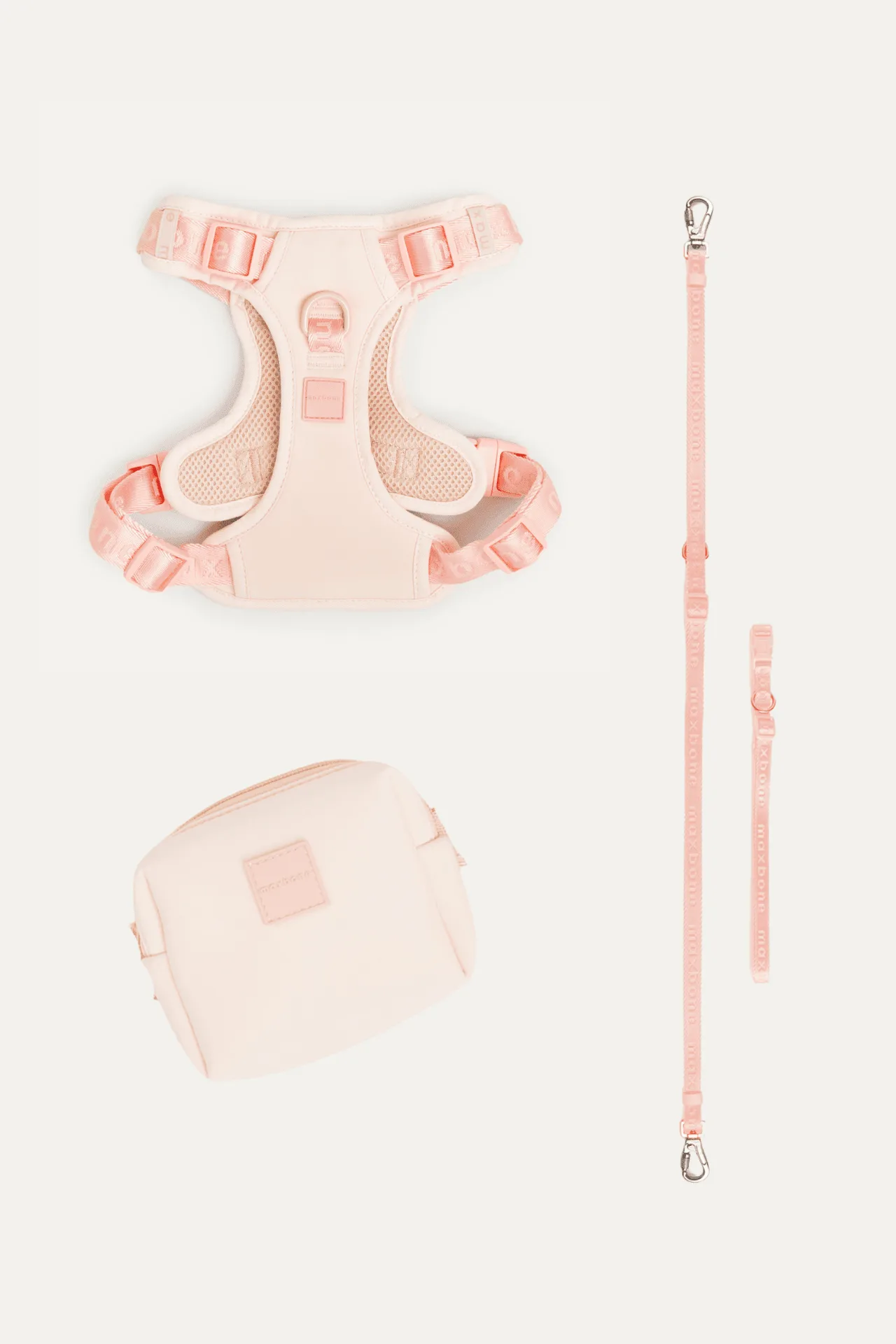
Mini Go! With Ease Bundle
Memory Foam: The Gold Standard for Support
Memory foam dog beds are the top choice for dogs with arthritis, hip dysplasia, or other joint issues. This material molds to your dog’s body shape, distributing weight evenly and relieving pressure points. High-density memory foam (often 4 to 6 inches thick) provides the best support, especially for large breeds. Many memory foam beds also come with a cooling gel layer to prevent overheating, which is ideal for dogs that tend to run warm.
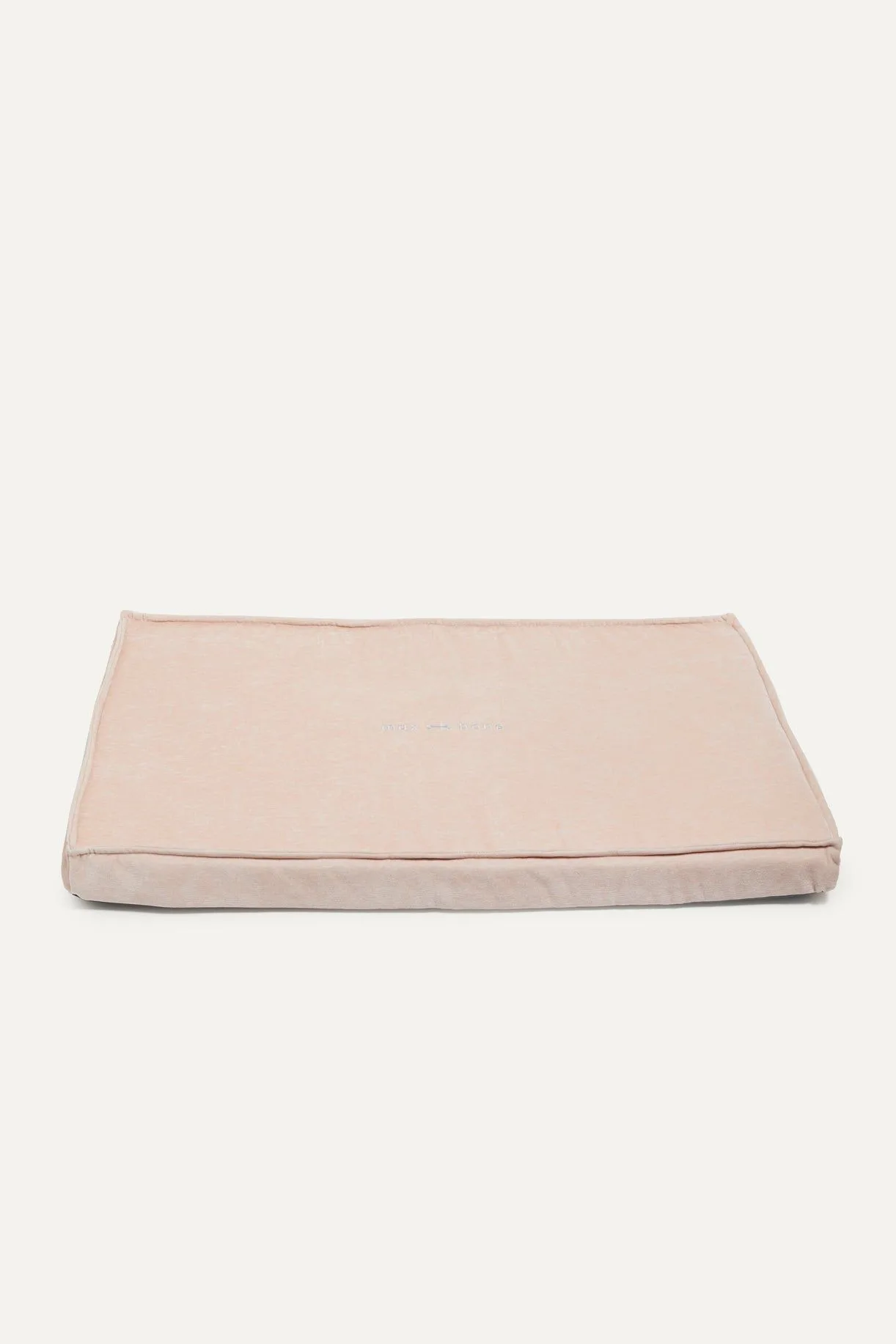
However, memory foam can be heavy and difficult to move, and some lower-quality foams may lose their shape over time. It’s also not the best choice for dogs that like to chew, as the foam can be a choking hazard if ingested. For a premium memory foam option, consider the Dream Cloud Futon, which combines thick foam with a washable cover for easy maintenance. This bed is designed to support dogs of all sizes, making it a versatile addition to any home.
- Best for: Senior dogs, large breeds, and dogs with joint pain.
- Look for: CertiPUR-US certified foam for safety and durability.
Orthopedic Foam: Designed for Joint Health
Orthopedic dog beds are similar to memory foam but often feature a firmer, more supportive core that helps maintain proper spinal alignment. They are especially beneficial for dogs with hip dysplasia, arthritis, or post-surgery recovery. Many orthopedic beds include a bolster or raised edge that provides head and neck support, mimicking the feeling of sleeping against a pillow.
The main downside of orthopedic foam is that it can be too firm for some dogs, especially puppies or small breeds that prefer a softer surface. Additionally, these beds tend to be more expensive than standard foam or polyester-filled options. For a travel-friendly orthopedic solution, the Mini Go! With Ease Bundle includes a compact, supportive bed that’s easy to pack for car rides or overnight trips, ensuring your dog gets the same joint support away from home.
- Best for: Dogs with chronic joint issues or recovering from surgery.
- Tip: Pair with a waterproof liner to protect the foam from accidents.
Cotton and Polyester Fill: Soft and Affordable
Cotton and polyester-filled dog beds are the most common and budget-friendly options. They are soft, lightweight, and often machine-washable, making them easy to clean. Polyester fill retains its shape well and dries quickly, while cotton offers natural breathability. These beds are great for dogs that like to curl up or nest, as the fill can be fluffed to create a cozy nest shape.
On the downside, these materials offer little to no orthopedic support and can flatten over time, especially with heavy use. They may also attract pet hair and odors more than foam alternatives. For dogs that don’t need extra joint support, a cotton or polyester bed can be a comfortable, low-cost choice. If you’re looking for a stylish, multi-purpose option, the Dream Cloud Futon also comes in a cotton-blend cover that’s both soft and durable.
- Best for: Puppies, small breeds, and dogs without health issues.
- Care: Wash the cover regularly to prevent odor buildup.
Faux Fur and Fleece: Ultimate Coziness
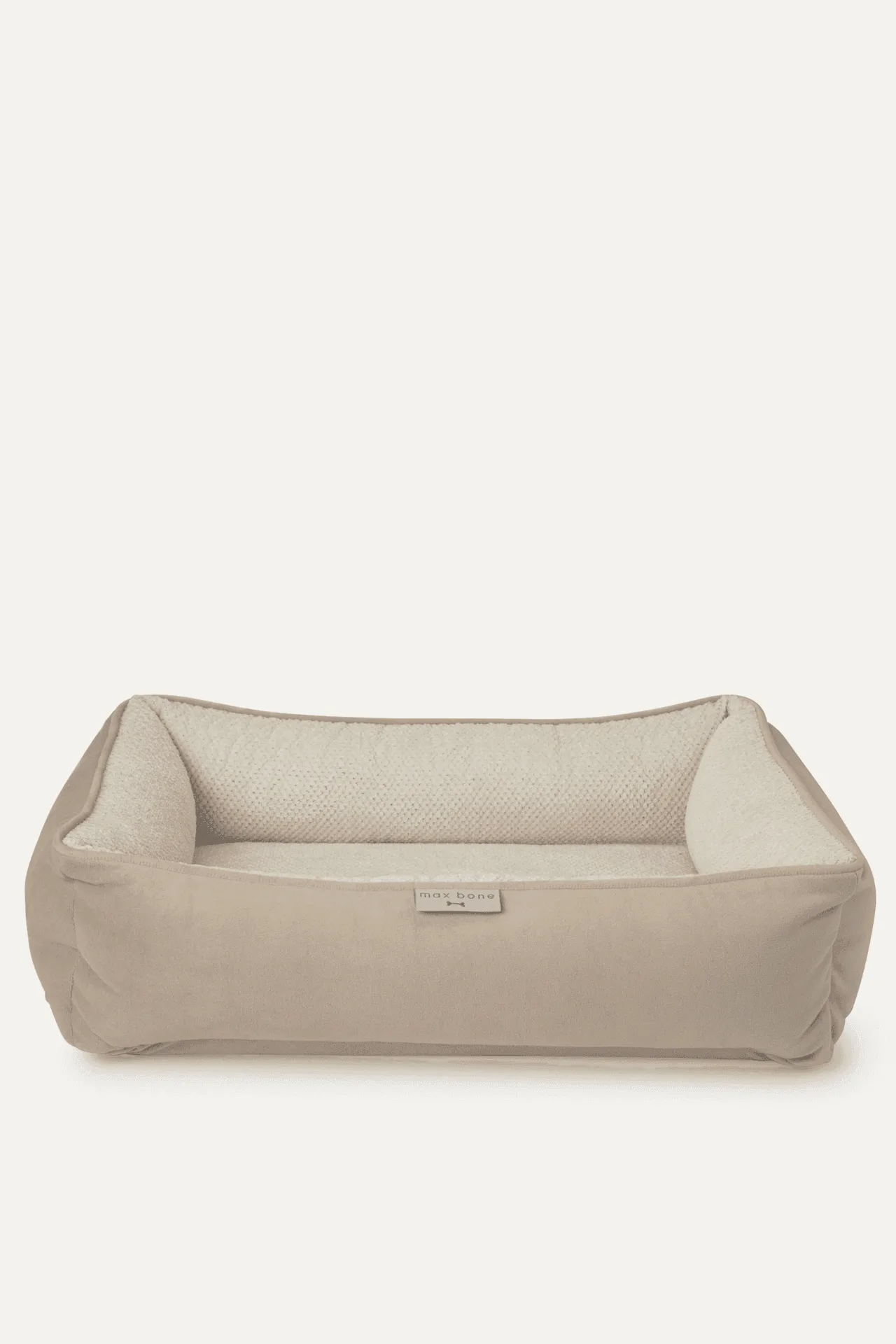
Faux fur and fleece dog beds are all about luxury and warmth. These materials are incredibly soft and inviting, making them perfect for dogs that love to burrow or snuggle. Faux fur can also help calm anxious dogs by mimicking the texture of a mother’s fur. Many dogs instinctively dig and circle before lying down, and the plush surface satisfies that nesting urge.
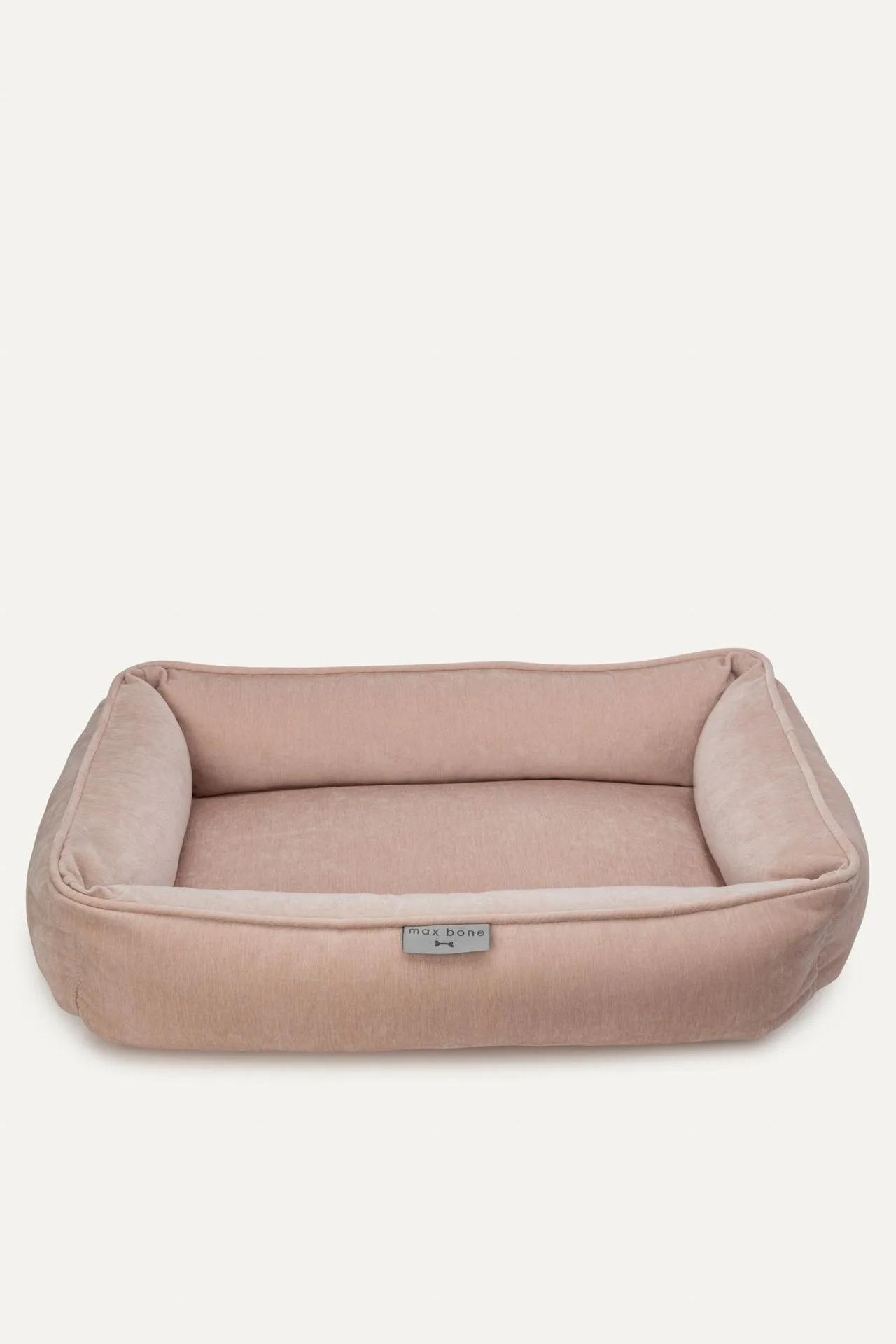
However, faux fur can be a magnet for dirt, dander, and hair, and it may require special care (like air drying) to maintain its texture. Fleece is easier to clean but can pill over time. Neither material provides significant orthopedic support, so they are best used as toppers or for dogs that sleep on their side. For a truly indulgent option, look for beds with removable faux fur covers that can be washed separately.
- Best for: Anxious dogs, small breeds, and dogs that love to burrow.
- Note: Avoid faux fur for heavy chewers, as fibers can be ingested.
Waterproof and Outdoor Fabrics: For Messy Pups
Waterproof dog beds are a lifesaver for puppies being potty trained, senior dogs with incontinence, or dogs that love to play outside and come in muddy. These beds typically have a waterproof inner liner or a coated outer fabric (like nylon or polyester) that prevents liquids from soaking into the foam. Many also feature a removable, machine-washable cover for easy cleanup.
The trade-off is that waterproof fabrics can be less breathable, leading to heat buildup. Some dogs may also find the texture of coated fabrics less comfortable. Look for beds with a breathable waterproof membrane (like TPU) that balances protection with comfort. For a portable, waterproof option, the Mini Go! With Ease Bundle includes a travel bed with a water-resistant base, perfect for camping or road trips.
- Best for: Puppies, seniors, and outdoor-loving dogs.
- Tip: Choose a bed with a removable cover for easy washing.
How to Choose the Right Material for Your Dog
When selecting a dog bed material, consider your dog’s age, health, sleeping style, and environment. Senior dogs or those with joint issues will benefit most from memory foam or orthopedic foam. Active dogs that spend time outdoors may need a waterproof or durable nylon option. For dogs that love to nest, a plush faux fur or cotton-filled bed can provide comfort and security.
Also factor in your home’s climate: cooling gel memory foam is great for warm weather, while fleece or faux fur adds warmth in colder months. Finally, always check the bed’s warranty and return policy, especially for higher-end materials. A quality bed is an investment in your dog’s well-being, and the right material can make all the difference in their sleep quality and overall health.
- Quick guide:
- Senior dogs → Memory foam or orthopedic foam
- Puppies → Waterproof or easy-clean cotton
- Burrowers → Faux fur or fleece with bolsters
- Travelers → Lightweight, portable options like the Mini Go! With Ease Bundle
Finding the best dog bed material for your pet doesn’t have to be complicated. By matching your dog’s specific needs—whether it’s joint support, durability, or coziness—you can ensure they get the rest they deserve. For a versatile, high-quality option that combines memory foam support with a washable cover, explore the Dream Cloud Futon today. Your pup will thank you with wagging tails and peaceful nights.