Choosing the right dog bowl might seem like a simple task, but the material you select can significantly impact your dog's health, comfort, and your daily routine. With so many options on the market, it's easy to feel overwhelmed. This guide breaks down the three most common materials—stainless steel, ceramic, and plastic—so you can make an informed decision that suits both you and your furry friend.
Each material has its own set of advantages and potential drawbacks. From durability and safety to ease of cleaning and aesthetic appeal, we'll cover all the factors that matter. By the end, you'll know exactly which bowl material is best for your dog's specific needs, whether you have a heavy chewer, a sensitive pup, or a senior dog with arthritis.
Stainless Steel Dog Bowls: The Durable All-Rounder
Stainless steel dog bowls are a popular choice among veterinarians and pet owners alike, and for good reason. They are incredibly durable, resistant to rust and corrosion, and can withstand rough handling and even the most enthusiastic chewers. Unlike some other materials, stainless steel does not harbor bacteria, making it a hygienic option that is easy to clean and sanitize.
Another significant advantage of stainless steel is that it is non-porous, meaning it won't absorb odors or flavors from food. This is particularly beneficial if you switch between wet and dry food, as the bowl won't retain any lingering smells. Additionally, stainless steel bowls are typically dishwasher-safe, saving you time and effort in your daily cleaning routine. For pet owners who prioritize longevity and low maintenance, stainless steel is an excellent investment.
- Highly durable and resistant to chewing and scratching
- Non-porous surface prevents bacterial growth and odors
- Dishwasher-safe for effortless cleaning
- Available in various sizes and styles to suit any dog
Ceramic Dog Bowls: Style Meets Functionality
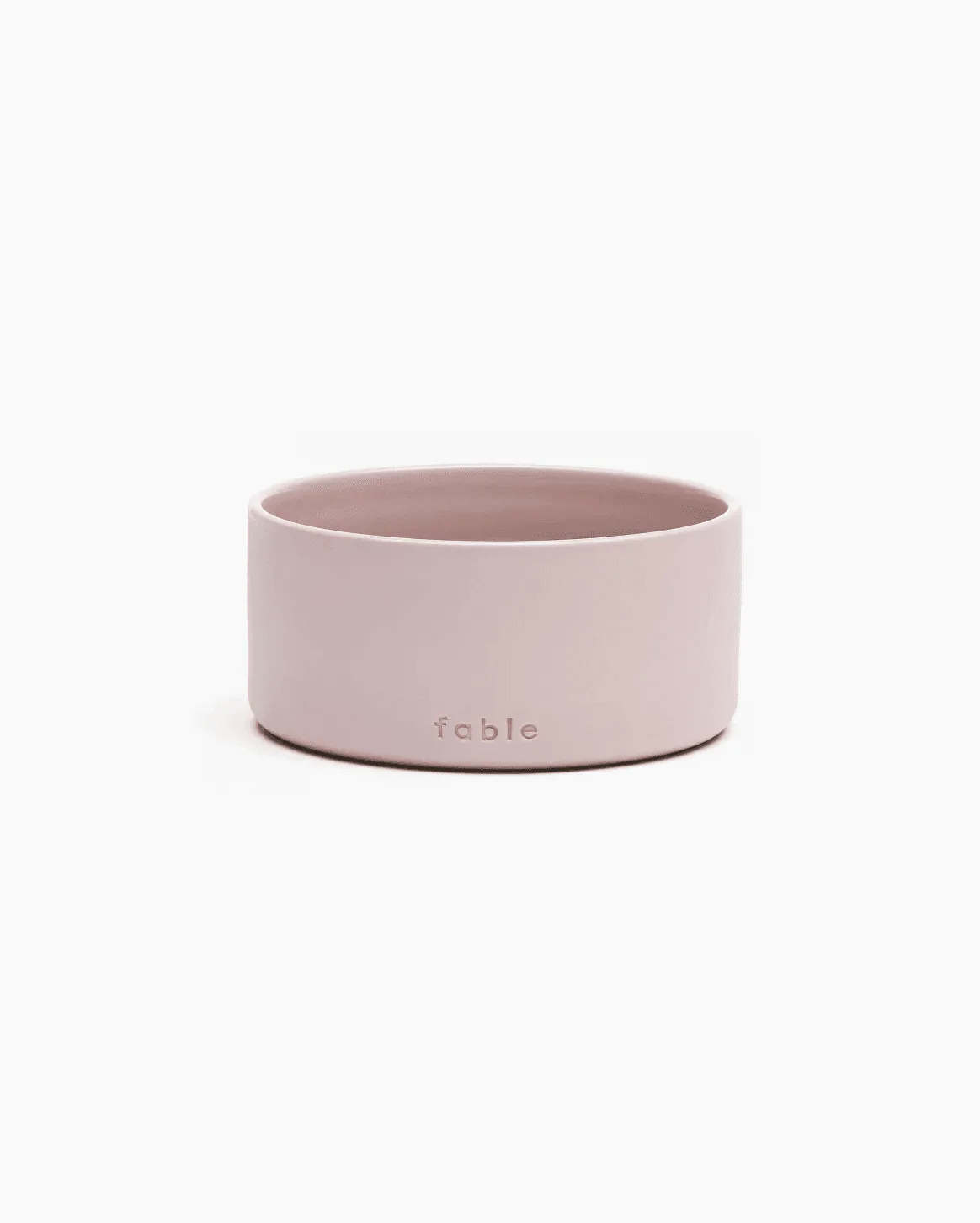
Ceramic dog bowls are beloved for their aesthetic appeal and weight. They come in a wide array of colors, patterns, and designs, allowing you to match your dog's bowl to your home decor. The heavy weight of ceramic bowls is a practical benefit, as they are less likely to tip over during enthusiastic eating or drinking. This makes them an excellent choice for dogs that tend to push their bowls around.
However, ceramic bowls require careful handling. They can chip or crack if dropped, and those cracks can become breeding grounds for bacteria if not cleaned properly. It's essential to inspect ceramic bowls regularly for any damage and replace them if necessary. Additionally, not all ceramic bowls are dishwasher-safe, so you may need to hand wash them to preserve their glaze. If you're looking for a stylish and stable option and are willing to handle them with care, ceramic bowls are a great choice.
- Heavyweight design prevents tipping and sliding
- Wide variety of designs to match your home aesthetic
- Glazed surfaces are easy to wipe clean
- Requires careful handling to avoid chips and cracks
Plastic Dog Bowls: Lightweight but with Caveats
Plastic dog bowls are often the most affordable and lightweight option, making them popular for travel or temporary use. They come in countless colors and designs, and their durability against drops is a plus. However, plastic bowls have several drawbacks that pet owners should consider. The most significant concern is that plastic is porous, which means it can harbor bacteria, oils, and odors over time, even with regular washing.
Additionally, some dogs may develop allergic reactions or contact dermatitis from plastic bowls, especially if the plastic contains harmful chemicals like BPA. Scratches and chew marks on plastic surfaces provide hiding spots for bacteria, making thorough cleaning difficult. For these reasons, many experts recommend avoiding plastic bowls, especially for dogs with skin sensitivities or those who are aggressive chewers. If you do opt for plastic, choose high-quality, BPA-free options and replace them frequently.
- Lightweight and affordable, ideal for travel
- Available in a variety of colors and designs
- Can harbor bacteria in scratches and pores
- Potential for allergic reactions or chemical exposure
Factors to Consider When Choosing a Dog Bowl Material
When deciding on the best material for your dog's bowl, consider your dog's specific needs and your lifestyle. If you have a heavy chewer, stainless steel is the safest bet due to its durability. For dogs with allergies or sensitive skin, stainless steel or ceramic are better choices than plastic. If you're looking for a bowl that stays put and adds a touch of style to your home, ceramic is the way to go.
Another factor to consider is the ease of cleaning. Stainless steel and ceramic are generally easier to keep hygienic, while plastic requires more frequent replacement. Additionally, think about the size and shape of the bowl relative to your dog's breed and eating habits. A wide, shallow bowl may be better for flat-faced breeds, while a deeper bowl might suit larger dogs. Ultimately, the right choice balances durability, safety, and convenience for both you and your pet.
- Assess your dog's chewing habits and allergies
- Consider the bowl's stability and ease of cleaning
- Choose a size and shape that fits your dog's needs
- Invest in high-quality materials for long-term use
In the end, the best dog bowl material for your furry friend depends on your priorities. Stainless steel offers unbeatable durability and hygiene, ceramic provides style and stability, while plastic is lightweight but comes with safety concerns. Whichever you choose, ensure it is the right size and shape for your dog. For a stylish and practical option, consider exploring our collection of dog accessories, including the Classic Food Storage Canister to keep your dog's food fresh and organized.
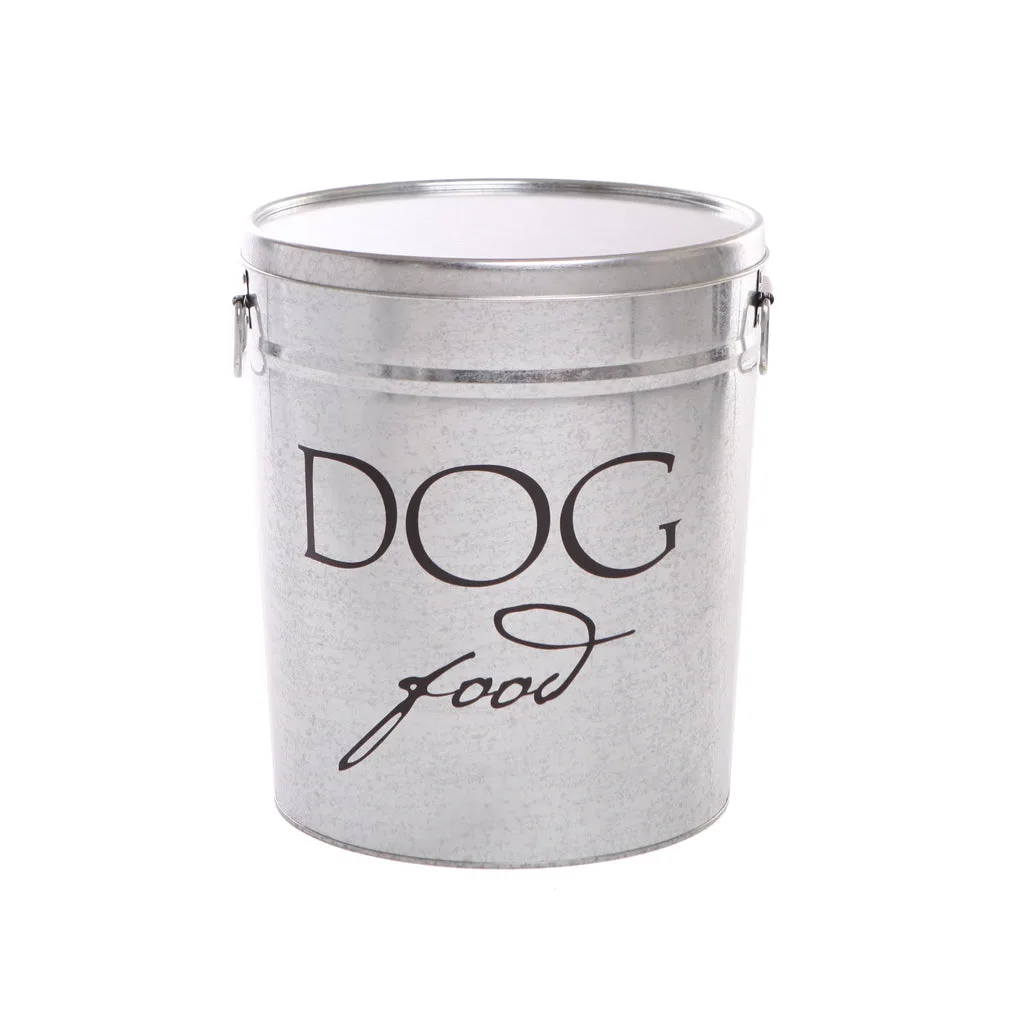
Classic Food Storage Canister