Quick Answer
For most dogs, stainless steel is the best all-around choice due to its durability, ease of cleaning, and resistance to bacteria. Ceramic is a great option for style and stability, but it can chip. Plastic is the least recommended because it can harbor bacteria and cause allergies. Consider your dog's chewing habits, your cleaning routine, and your home's aesthetic when deciding.
Choosing the right dog bowl material is more than a matter of style—it affects your dog's health, your cleaning routine, and how long the bowl lasts. With so many options on the market, it's easy to get overwhelmed. This guide breaks down the pros and cons of ceramic, stainless steel, and plastic to help you make an informed choice.
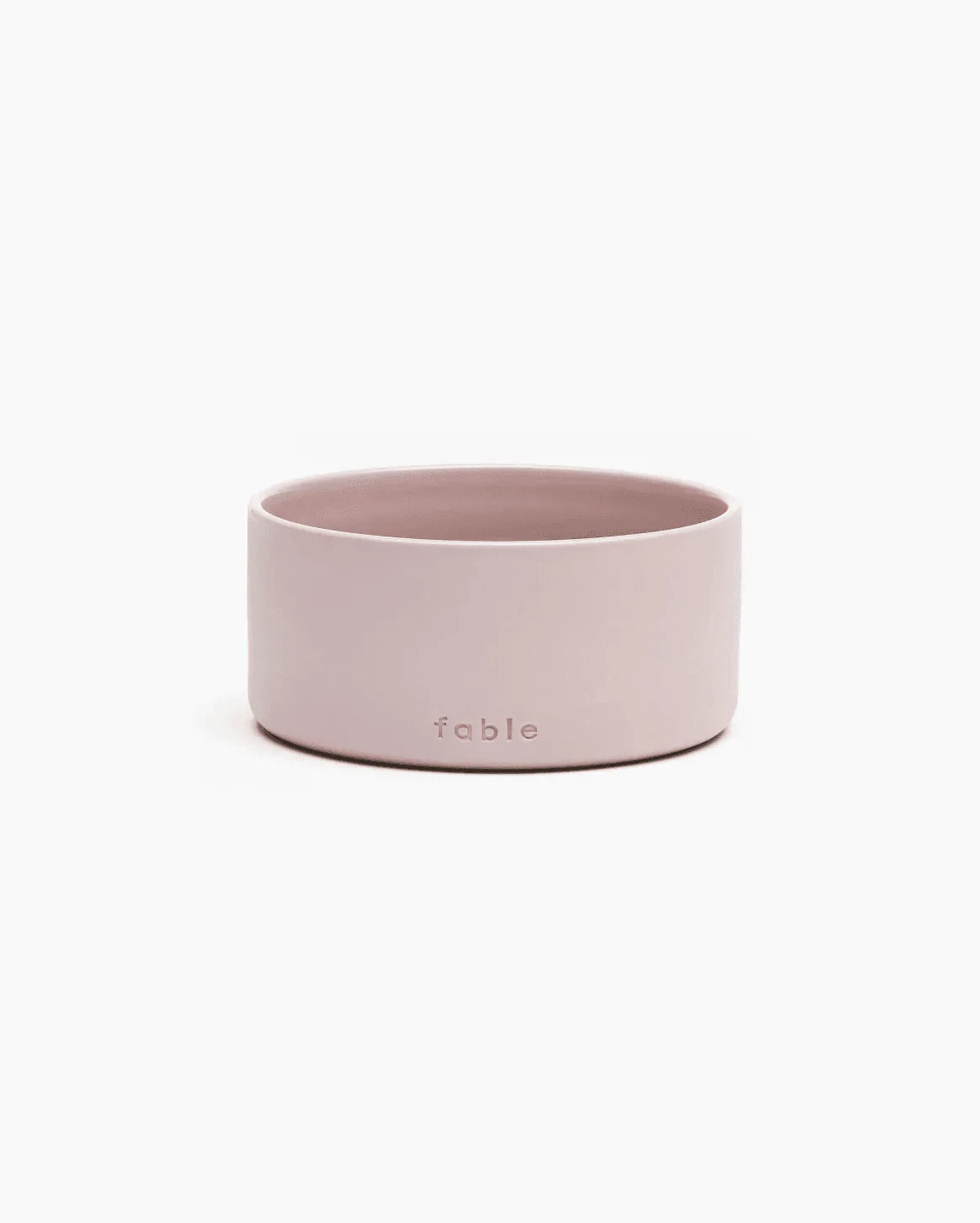
bowl
We'll also share some product recommendations from Fable Pets that fit these categories, so you can see what quality looks like in practice.
Ceramic Dog Bowls: Style and Stability
Ceramic bowls are a popular choice for their aesthetic appeal and heavyweight feel. They come in a variety of colors and designs, making them a nice addition to your home decor. The weight of a ceramic bowl helps prevent tipping, which is especially useful for enthusiastic eaters.
High-quality ceramic bowls, like the Bowl Personalized from Fable Pets, feature an antimicrobial glossy interior for easy cleaning and a weighted base for stability. However, ceramic can chip or crack if dropped or chewed, and those cracks can harbor bacteria. Always inspect ceramic bowls regularly for damage.
Bowl Personalized
- Look for ceramic bowls with a non-toxic, food-safe glaze.
- Avoid using ceramic bowls with cracks or chips.
- Check if the bowl is dishwasher safe for easy cleaning.
Stainless Steel Dog Bowls: The Durable Workhorse
Stainless steel is often recommended by veterinarians because it is non-porous, meaning it doesn't harbor bacteria like plastic can. It's also durable, resistant to chewing, and easy to clean—most are dishwasher safe. Stainless steel bowls are lightweight yet sturdy, making them ideal for travel or everyday use.
One downside is that they can be noisy when pushed across the floor, and they may not be as visually appealing as ceramic. However, many stainless steel bowls come with non-slip bases to reduce sliding. For dogs with sensitive skin or allergies, stainless steel is a safe choice.
- Choose high-grade stainless steel that won't rust or dent easily.
- Look for a non-slip base to minimize mess.
- Ensure the bowl is dishwasher safe for convenience.
Plastic Dog Bowls: Convenience with Caution
Plastic bowls are lightweight, inexpensive, and come in a variety of colors and sizes. They are a common choice for puppies or travel. However, plastic is porous, which means it can absorb odors and harbor bacteria over time, even with regular washing. Some dogs may also develop contact allergies to plastic, leading to chin acne or irritation.
If you choose plastic, replace it frequently and wash it thoroughly. But for long-term health, consider ceramic or stainless steel instead. Many pet owners find that the initial savings of plastic are offset by the need for frequent replacement.
- Avoid plastic bowls if your dog has skin allergies.
- Replace plastic bowls at the first sign of scratches or odors.
- Consider using plastic only for temporary or travel purposes.
Decision Rules for Choosing a Dog Bowl Material
- If your dog is a heavy chewer: Choose stainless steel or thick ceramic. Avoid plastic, which can be chewed into pieces and ingested. Durability is key for chewers.
- If you prefer easy cleaning: Opt for stainless steel or ceramic with a glossy interior. Both are dishwasher safe and resist bacteria. Prioritize hygiene for your dog's health.
- If your dog has skin allergies: Avoid plastic. Choose stainless steel or ceramic to minimize the risk of allergic reactions. Non-porous materials are safer for sensitive skin.
- If you want a stylish bowl that matches your home: Ceramic offers the most variety in colors and designs. Choose a high-quality ceramic bowl with a weighted base. Aesthetics don't have to compromise function.
Fable Pets Bowl Options
- Bowl Personalized: Made from the highest quality ceramic, our bowl is fit for a human, but engineered for your pet. It features an antimicrobial glossy interior (for easy cleaning), a weighted base (for stability), and durable, food-safe construction. This ceramic bowl offers both style and function, with an easy-to-clean interior and a stable base that resists tipping.
- Catenary Halo Bowl: Fulfilled by our friends at Catenary. Inspired by the radiance of halos, Catenary's Halo motif is an elegant design of its likeness crafted in ceramic. This rounded bowl serves as cat bowls for water and food of any kind while remaining safe and practical with human-grade ceramic materials. Its thoughtful design also prevents whisker fatigue, ensuring a comfortable dining experience for your cat. Easy to clean and... This ceramic bowl is not only stylish but also designed with your cat's comfort in mind, reducing whisker fatigue and being easy to clean.
Which Bowl Material Is Best for You?
Best for
- Stainless steel: Most dogs, especially heavy chewers and those with allergies.
- Ceramic: Dogs that eat gently, and owners who want a stylish, stable bowl.
Not for
- Plastic: Dogs with allergies or chewing habits.
- Ceramic: Dogs that are prone to tipping or chewing on their bowls.
Ultimately, the best dog bowl material depends on your dog's habits and your lifestyle. Stainless steel offers durability and hygiene, ceramic adds style and stability, and plastic is best avoided for long-term use. Consider the decision rules above and choose a bowl that keeps your dog happy and healthy.