When you spend long days training, hiking, or working with your dog, their eyes are just as exposed to the elements as yours. Dust, wind, UV rays, and flying debris can cause serious eye irritation or injury. That's why protective eyewear for dogs is no longer a novelty—it's a practical tool for any active dog owner.
In this buying guide, we'll walk you through the key features to look for in dog goggles, how to get the right fit, and why brands like Rex Specs have become the go-to choice for professionals. By the end, you'll know exactly what to consider before making a purchase.
Why Dog Goggles Matter
Dogs explore the world with their noses and eyes, and during outdoor activities, their eyes are vulnerable to a range of hazards. Wind can dry out the cornea, dust and sand can scratch the surface, and UV rays can contribute to long-term damage like pannus, a progressive eye condition. For working dogs—search and rescue, detection, or agility—eye protection is essential for maintaining performance and health.
Even in everyday scenarios like riding in a car with the window down or sticking your head out during a hike, goggles can prevent debris from causing painful corneal ulcers. The right pair of goggles not only shields the eyes but also reduces squinting and tearing, allowing your dog to focus on the task at hand.
- Look for goggles with UV protection to guard against harmful rays.
- Consider anti-fog lenses for high-energy activities.
- Choose shatterproof polycarbonate lenses for durability.
Key Features to Consider
Not all dog goggles are created equal. The best ones offer a secure fit, impact-resistant lenses, and ventilation to prevent fogging. Adjustable straps with a wide, padded seal ensure comfort and keep debris out. For dogs with flat faces or short muzzles, look for goggles specifically designed for brachycephalic breeds.
Another important feature is the lens material. Polycarbonate is lightweight and shatterproof, making it ideal for active dogs. Some goggles come with interchangeable lenses for different light conditions, which is a bonus for versatility. Always check if the goggles include a warranty or replacement parts, as lenses can get scratched over time.
- Ventilation channels reduce fogging during intense exercise.
- Padded frames prevent chafing and improve the seal.
- Interchangeable lenses allow you to adapt to changing light.
Sizing Your Dog for Goggles
Getting the right size is crucial for both comfort and effectiveness. Most brands provide a sizing chart based on the distance between your dog's eyes and the width of their head. Measure carefully before ordering, as a too-tight fit can cause discomfort, while a loose fit can let debris in.
When trying on goggles, ensure the seal sits snugly around the eye sockets without pressing on the eyes themselves. The straps should be adjustable and secure but not overly tight. If you're between sizes, it's usually better to size up to allow for padding adjustments.
- Measure the distance between your dog's eyes and the head circumference.
- Check the brand's specific sizing guide, as sizes vary between models.
- Adjust the straps gradually to achieve a comfortable, secure fit.
Top Dog Goggles: Rex Specs and Beyond
Rex Specs are widely regarded as the gold standard in dog eye protection. They offer a wide field of vision, durable polycarbonate lenses, and a comfortable fit that most dogs tolerate well. Their design includes a foam seal that molds to your dog's face, and they come in multiple sizes to accommodate different breeds.
While Rex Specs are a popular choice, there are other options on the market. Some goggles feature a full-face shield for extra protection, while others are designed specifically for water sports. When comparing brands, consider the quality of the straps, the ease of cleaning, and whether replacement parts are available.
- Rex Specs are known for their durability and comfortable fit.
- Look for goggles with replaceable lenses to extend their lifespan.
- Consider the activity type: some goggles are better for water, others for dust.
How to Get Your Dog Used to Goggles
Introducing goggles to a dog requires patience and positive reinforcement. Start by letting your dog sniff and inspect the goggles. Then, gradually place them on for short periods, rewarding calm behavior with treats. Use a high-value reward like KONG Easy Treat - Liver to create a positive association with wearing the goggles.
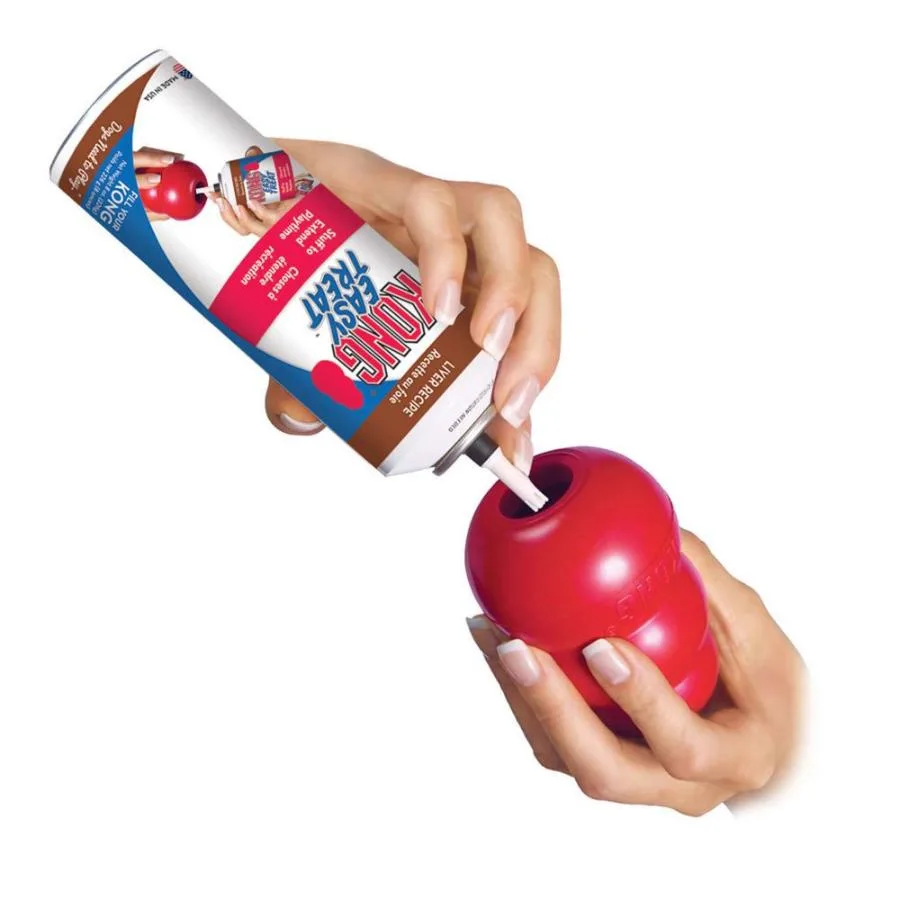
KONG Easy Treat - Liver
Practice in a low-distraction environment first, then slowly increase the duration and add movement. Always monitor your dog for signs of stress or discomfort, and never force the goggles on. With time, most dogs learn to accept them as a normal part of their gear.
- Use positive reinforcement with treats like KONG Easy Treat - Liver.
- Start with short sessions and gradually increase the time.
- Practice in a quiet area before moving to more stimulating environments.
Caring for Your Dog's Goggles
To ensure your goggles last, clean them regularly with a mild soap and water solution. Avoid using harsh chemicals that can damage the lenses or foam. Store them in a protective case when not in use to prevent scratches and deformation.
Inspect the goggles periodically for signs of wear, such as cracked lenses or deteriorating foam. Replace worn parts immediately to maintain the protective function. Proper care will extend the life of your goggles and keep your dog's eyes safe for years.
- Clean lenses with a soft cloth and mild detergent.
- Store goggles in a hard case to avoid damage.
- Replace foam seals if they become compressed or torn.
Choosing the right dog goggles is an investment in your dog's long-term eye health. By considering fit, features, and your dog's specific needs, you can find a pair that provides reliable protection and comfort. For top-rated options, explore our selection of dog goggles and other training gear at K9pro.